Zanzibar, Tanzania

A wooden dhow catches the last amber fire of sunset as it skims the glassy shallows of a Zanzibar shore, palm fronds arching overhead in the warm coastal air. This watercolor study of the Zanzibar dhow at dusk layers golden sail light against soft blues and peachy horizon hues in a mood of quiet departure.
Original Series / Visual Study
Zanzibar Dhow Sunset Shore
Regional Dossier

ZANZIBAR, TANZANIA | "The Spice Island"

Zanzibar is the Spice Island, an archipelago of coral limestone and white sand beaches twenty-five kilometers off the Tanzanian coast, where the Indian Ocean trade winds have deposited, over a thousand years, the accumulated cultural layers of Swahili, Arab, Persian, Indian, and Portuguese civilization into a single place. Stone Town, the historic capital, is a UNESCO World Heritage Site of labyrinthine coral-stone alleys, carved wooden doors, and crumbling palaces where the smell of cloves and cardamom from the island's spice farms drifts through the heat of the afternoon. The island was the center of the East African spice and slave trade from the seventeenth century until the British abolition of 1873, and the physical architecture of that history, the House of Wonders, the Arab Fort, the Old Slave Market, is still legible in the fabric of Stone Town.

The colors are specific and irreducible: the turquoise-to-aquamarine gradient of the Indian Ocean over the coral reef shelf, the bleached white of the coral sand beach at noon, the warm terracotta of the Stone Town coral-stone walls in low afternoon light, and the deep green of the clove and coconut plantations in the island interior, a palette that exists nowhere else in East Africa and that shifts entirely between the northeast monsoon season and the crystal-clear southeast kaskazi.

Select Size
Museum-Grade Canvas
Ready to Hang
Made to Order · Ships in 3–5 Days (U.S.)
Add to the collection for /

$65.00

Finding the Stillness

It's hard to put the "vibe" of a place into words, so we put together a few images that we think show the quiet side of Zanzibar, Tanzania. These are the textures and small moments we've archived to capture the stillness of this corner of the world.

Zanzibar, Tanzania visual study 01
Zanzibar, Tanzania / No. 01 via Javi Lorbada
A quiet stroll through the historic, weathered alleyways of Stone Town in Zanzibar offers a timeless glimpse into a place rich with culture and storied pasts. The gentle interplay of soft morning light and the rustic charm of the ancient architecture invites you to slow down and appreciate the simple beauty of everyday life. There is a profound sense of peace in these narrow streets, where every stone tells a story of heritage, resilience, and quiet grace.
Zanzibar, Tanzania visual study 02
Zanzibar, Tanzania / No. 02 via George John
An aerial gaze over Zanzibar reveals the breathtaking harmony where historic coastal architecture gracefully meets the vibrant turquoise waters of the Indian Ocean. Golden sunlight bathes the shoreline, casting an uplifting glow over the sandy beaches and traditional boats resting by the water's edge. This mesmerizing view captures a profound sense of peace, beautifully blending the warmth of local life with the limitless beauty of the sea.
Zanzibar, Tanzania visual study 03
Zanzibar, Tanzania / No. 03 via Taryn Elliott
As the sun gently sets over Zanzibar, a warm, golden glow envelops the tranquil waters, casting a brilliant light that inspires a deep sense of wonder and hope. Wooden fishing boats rest peacefully on the calm tide, perfectly mirroring the laid-back, serene rhythm of island life. Fringed by silhouetted palm trees against a soft, cloud-kissed sky, this view feels like a gentle reminder to slow down and appreciate the quiet beauty of the world.

Where to wander

Archival Note: A curated field study of Zanzibar, Tanzania, prioritizing cultural relevance and archival merit. These locations have been meticulously researched and vetted to ensure they represent the most authentic atmosphere for your own expedition.

Local Cuisine Spotlight
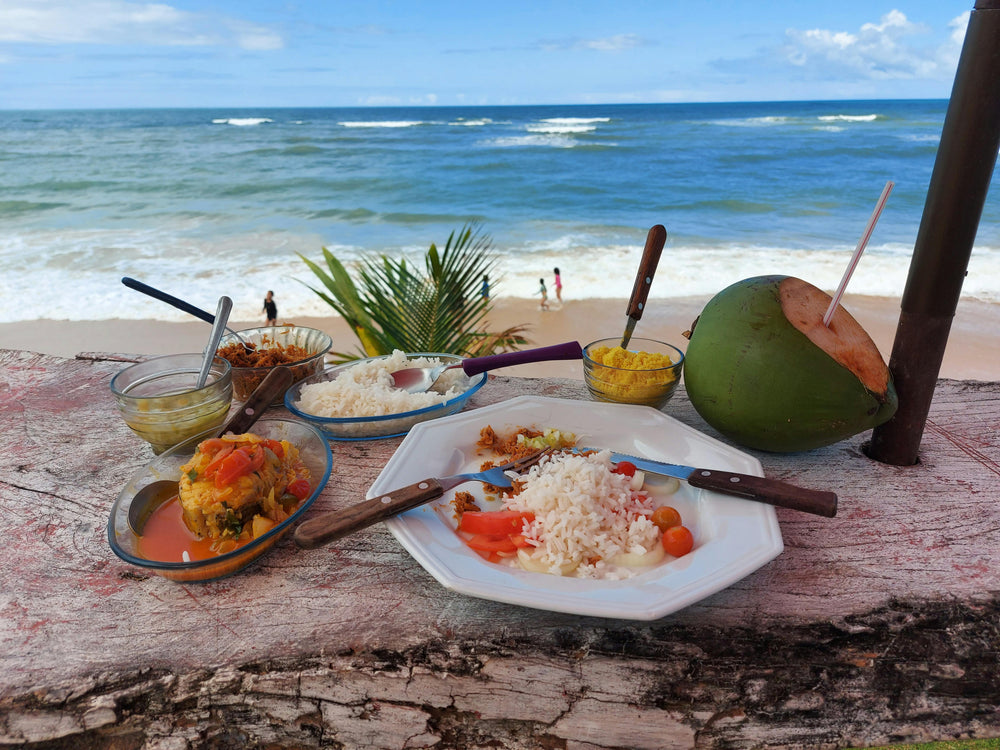
A delicious, fresh meal and a refreshing coconut drink sit ready on a rustic table, perfectly complementing the beautiful rhythm of the ocean waves just steps away. This inviting scene captures the uplifting spirit of tropical living, where nourishing food and natural beauty come together in complete harmony. It is a gentle invitation to slow down, savor the vibrant local flavors, and find absolute peace by the shore.
Credits: SERGIO BUENO
Local cuisine study in Zanzibar, Tanzania

☕︎ Local Flavor

The Sugar Cane Restaurant

Rating: 4.9★ | Price: $$$$ | Coordinates: 6.2167° S, 39.5500° E

Dine on a candlelit terrace above the Indian Ocean at Baraza Resort, where the kitchen produces a menu that treats the full layered history of Zanzibar cuisine as primary source material — Swahili spiced fish and coconut curries alongside Arabic lamb preparations, Indian biriani, and the clove-and-cardamom spice vocabulary that made this island the most commercially significant piece of land in nineteenth-century East Africa. The setting faces the open Indian Ocean and the traditional dhow channel, and the evening light over the water at the hour of iftar is the most atmospheric dining moment available on the island.

View Entry Details

Forodhani Gardens Night Market

Rating: 4.6★ | Price: $ | Coordinates: 6.1622° S, 39.1878° E

Enter the seafront gardens of Stone Town at dusk, where the braziers of the night market ignite simultaneously and the smoke from the grills carries the smell of Zanzibar mix — the spiced meat skewer that is the island's defining street food — across the waterfront promenade. The market is organized around the grilled seafood economy of the Zanzibar channel: lobster, octopus, king prawns, and kingfish purchased by weight from the fishermen's stalls and cooked to order on charcoal grills in front of the customer. The Forodhani market is the most direct and unmediated food experience available in Stone Town, and the cheapest route to understanding the Swahili coast culinary tradition.

View Entry Details

Emerson Spice: Rooftop Tea House

Rating: 4.8★ | Price: $$$ | Coordinates: 6.1634° S, 39.1889° E

Ascend to the rooftop of a restored nineteenth-century Stone Town mansion, where the tea house serves a menu of Swahili teas, spiced coffees, and small plates from the Zanzibar spice tradition — cardamom, clove, cinnamon, and turmeric in preparations that document the island's six-hundred-year relationship with the Indian Ocean spice trade. The rooftop is positioned above the maze of Stone Town alleys with views across the rooftops to the harbor, and the evening call to prayer from the neighboring mosques provides the acoustic context for the meal. It is the most atmospheric food experience available in the historic city.

View Entry Details

The Swahili House Restaurant

Rating: 4.7★ | Price: $$$ | Coordinates: 6.1628° S, 39.1881° E

Occupy the courtyard of a restored nineteenth-century Omani merchant house in the heart of Stone Town, where the kitchen produces a menu organized around the precise taxonomy of Swahili coast cuisine — pilau rice, biryani, urojo soup, and the Zanzibar pizza that is the island's most distinctive street-food invention. The building's carved wooden architecture, the coral-stone walls, and the brass-studded doors provide the physical context for understanding the Omani Arab cultural layer that defines the material culture of Stone Town. The Swahili House is the most historically embedded restaurant in the city.

View Entry Details

🛌︎ Boutique Stays

Baraza Resort and Spa

Rating: 4.9★ | Price: $$$$ | Coordinates: 6.2167° S, 39.5500° E

Inhabit one of thirty private pool villas on the southeast coast of Zanzibar, where the architecture employs Swahili coral-stone construction, carved wooden screens, and brass-inlaid furniture in the Omani Arab vocabulary that defines the material culture of the island's historic merchant class. The resort faces the open Indian Ocean on a protected stretch of the Bwejuu coastline, where the water is the precise turquoise-to-aquamarine gradient that makes Zanzibar the most photographed beach destination in East Africa. Baraza is the most complete document of Swahili luxury hospitality on the island, integrating traditional craft vocabulary with contemporary resort infrastructure at the highest level available.

View Entry Details

Matemwe Retreat

Rating: 4.9★ | Price: $$$$ | Coordinates: 5.8833° S, 39.3667° E

Occupy one of six cliff-edge villas on the northeast coast of Zanzibar, where the architecture hangs above the Indian Ocean reef and the private infinity pools face the open sea channel between Zanzibar and the Mnemba Atoll — the most important coral reef in East Africa and the primary site for diving encounters with spinner dolphins, green turtles, and humpback whales. Matemwe Retreat is the most isolated and scenically extreme accommodation on the island, positioned on a headland that receives the full northeast monsoon and the clearest water of any beach on Zanzibar. It functions as a field station for understanding the marine ecology of the Zanzibar Channel.

View Entry Details

Emerson on Hurumzi

Rating: 4.7★ | Price: $$$ | Coordinates: 6.1634° S, 39.1889° E

Settle into the most architecturally significant boutique hotel in Stone Town — a restored nineteenth-century Omani merchant tower on the highest point of the historic city, where the seven rooms preserve the original carved plasterwork, painted ceilings, and four-poster beds of the Arab merchant class that built the city's commercial infrastructure. The rooftop tea house is the most atmospheric dining space in Stone Town, and the view from the upper floors — across the rooftops to the harbor, the dhow anchorage, and the open Indian Ocean — is the definitive Zanzibar panorama. It is a living archive of the Omani Arab period that shaped Stone Town's UNESCO-listed fabric.

View Entry Details

The Residence Zanzibar

Rating: 4.8★ | Price: $$$$ | Coordinates: 6.3667° S, 39.5167° E

Occupy a private villa on the southwest coast of Zanzibar at Kizimkazi, where the sixty-six villas are positioned on a coral cliff above the channel where spinner dolphins feed daily in the morning hours. The Residence employs the full vocabulary of Swahili coastal architecture — coral stone, thatch, carved timber, and natural fiber textiles — in a property that operates as the most coherent luxury integration of the island's building tradition with contemporary resort infrastructure. The south coast location provides access to the least visited beaches on the island and the best dolphin encounters in Zanzibar waters.

View Entry Details

📍︎ Field Study

Stone Town: Guided Heritage Walk

Rating: 4.8★ | Price: $$ | Coordinates: 6.1622° S, 39.1878° E

Navigate the labyrinthine coral-stone alleys of Stone Town with a specialist guide who decodes the physical stratigraphy of one of the most culturally layered cities in the world — the Omani Arab merchant architecture of the nineteenth century, the Swahili vernacular of the fishermen's quarters, the Indian merchant facades of the commercial district, and the colonial British administrative buildings that mark the final layer of the city's five-hundred-year accumulation. The walk passes the House of Wonders, the Arab Fort, the Old Slave Market and Anglican Cathedral, and the carved wooden door collections that are the island's primary artistic archive. It is the essential instrument for reading Stone Town as a document.

View Entry Details

Mnemba Atoll: Snorkeling and Diving

Rating: 4.9★ | Price: $$$ | Coordinates: 5.8667° S, 39.3833° E

Descend into the most biodiverse coral reef system in East Africa, where the Mnemba Atoll marine conservation area protects the primary breeding ground for green turtles, the feeding ground for spinner dolphins, and the most intact coral garden in the Zanzibar Channel. The visibility in the Mnemba lagoon is consistently twenty to thirty meters, and the reef architecture — buttress corals, table corals, and sea fans in water between eight and twenty-five meters — supports over three hundred species of reef fish alongside the larger pelagic species that use the atoll as a navigation point on the East African coast. This is the definitive marine archive of the western Indian Ocean.

View Entry Details

Spice Farm Tour

Rating: 4.7★ | Price: $$ | Coordinates: 6.1500° S, 39.2500° E

Enter the spice farms of the Zanzibar interior — the clove, cardamom, cinnamon, vanilla, and black pepper plantations that made this island the most commercially significant piece of land in the nineteenth-century Indian Ocean economy. A specialist guide identifies the plants by leaf shape, bark texture, and smell, and explains the precise role each spice played in the global trade networks that brought Omani merchants, Indian financiers, and British administrators to this island simultaneously. The Zanzibar spice tour is a botanical archive of the Indian Ocean trade economy and the most direct way to understand why this island was worth fighting over for five hundred years.

View Entry Details

Prison Island and Giant Tortoise Sanctuary

Rating: 4.6★ | Price: $$ | Coordinates: 6.1333° S, 39.1667° E

Cross the Zanzibar Channel by dhow to the island that served successively as a slave quarantine station, a British colonial prison, and a yellow fever quarantine facility — and which now houses a sanctuary for the Aldabra giant tortoises gifted to the island by the Seychelles government in 1919. The oldest residents are over two hundred years old and weigh over three hundred kilograms, making them the most ancient living animals accessible to a visitor in East Africa. The island's layered history — slave trade, colonial administration, disease quarantine — is legible in the surviving architecture, and the dhow crossing provides the best views of the Stone Town waterfront from the sea.

View Entry Details

Typography

Archival Note: A formal technical study of Zanzibar, Tanzania, archiving the coordinates, elevation, and environmental data that define the region. This data serves as a vital record for our ongoing global field study, providing the technical foundation behind every atmospheric detail captured in our visual work.

Botanical and pigment specimen study for Zanzibar, Tanzania Colors of Zanzibar, Tanzania
Coordinates
6.1622° S, 39.1878° E — Coral limestone archipelago in the Indian Ocean, 25 km off the Tanzanian coast
Historical Epoch
Swahili and Shirazi settlement before 900 CE. Omani Arab sultanate 1698 to 1856. British Protectorate 1890 to 1963. Union with Tanganyika in 1964.
Elevation
0 to 50 m / 0 to 164 ft. Sea level coral limestone plateau rising to a low interior.
Atmosphere
Tropical Monsoon (Am). Northeast kaskazi November through March with calm seas, southeast kusi June through October with the best diving visibility.
Observation Hour
06:30 AM. Equatorial Indian Ocean dawn light produces the turquoise-to-aquamarine reef gradient before direct sun creates glare.
Primary Pigment
Indian Ocean Turquoise (#3BB8C3) and Coral Sand White (#F5EFE0)
Best Time to Visit
July through October. Clearest diving visibility at Mnemba Atoll, calmest east coast seas and the driest weather of the year.
Avoid Visiting
April through May. Long rains bring rough seas, suspended diving operations and the muddiest conditions for Stone Town walking.

Behind The Scenes

Nathan

Note from the Founder

Hey, did you know this fun fact about Zanzibar, Tanzania? Zanzibar produces approximately 75 percent of the world's cloves, an agricultural dominance that made this small island the most commercially significant piece of territory in the entire 19th century Indian Ocean economy!
Thank you for exploring the Zanzibar, Tanzania series with us. We hope these notes have inspired you to add this incredible destination to your own passport—we are so glad you're here. — Nathan

Some of our Favorites