ZANZIBAR, TANZANIA | "The Spice Island"
Zanzibar is the Spice Island, an archipelago of coral limestone and white sand beaches twenty-five kilometers off the Tanzanian coast, where the Indian Ocean trade winds have deposited, over a thousand years, the accumulated cultural layers of Swahili, Arab, Persian, Indian, and Portuguese civilization into a single place. Stone Town, the historic capital, is a UNESCO World Heritage Site of labyrinthine coral-stone alleys, carved wooden doors, and crumbling palaces where the smell of cloves and cardamom from the island's spice farms drifts through the heat of the afternoon. The island was the center of the East African spice and slave trade from the seventeenth century until the British abolition of 1873, and the physical architecture of that history, the House of Wonders, the Arab Fort, the Old Slave Market, is still legible in the fabric of Stone Town.
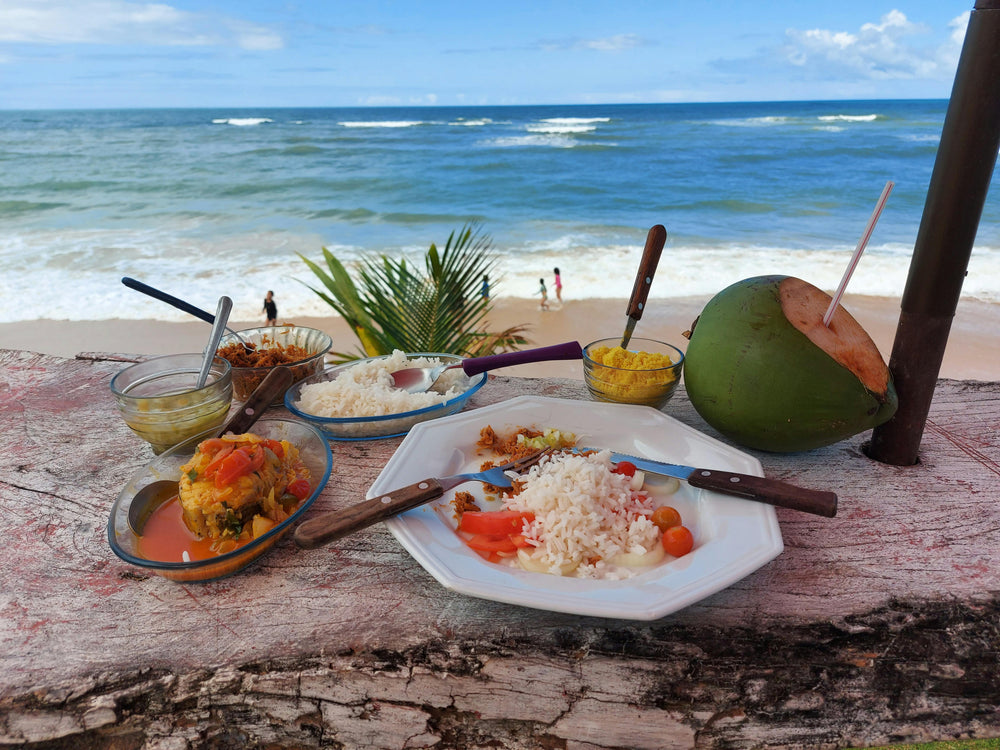
The colors are specific and irreducible: the turquoise-to-aquamarine gradient of the Indian Ocean over the coral reef shelf, the bleached white of the coral sand beach at noon, the warm terracotta of the Stone Town coral-stone walls in low afternoon light, and the deep green of the clove and coconut plantations in the island interior, a palette that exists nowhere else in East Africa and that shifts entirely between the northeast monsoon season and the crystal-clear southeast kaskazi.