Original Series / Visual Study
Machu Picchu, Peru | Original Series Canvas
Regional Dossier

MACHU PICCHU, PERU | "The Lost City of the Inca"

Machu Picchu is the most extraordinary archaeological site in the Americas, an Inca citadel built at 2,430 meters on a ridge above the Urubamba River gorge in the cloud forest of the eastern Andes, abandoned by the Inca around 1572 following the Spanish conquest, and unknown to the outside world until Hiram Bingham's 1911 expedition brought it to international attention. The site consists of approximately 200 structures including temples, palaces, residences, and agricultural terraces, all constructed in the Inca ashlar masonry technique of precisely fitted dry stone that requires no mortar and allows the walls to flex and resettle during the frequent earthquakes of the Andean seismic zone without collapsing.

The colors are the specific green and grey of the Andean cloud forest: the deep grey of the granite stone walls against the extraordinary green of the agricultural terraces and the surrounding cloud forest, the pale white of the Urubamba River visible as a silver thread 600 meters below the citadel, and the specific golden mist that fills the valley at dawn when the sun first clears the Intipunku Sun Gate and illuminates the citadel before burning off the cloud layer below.

Select Size
Museum-Grade Canvas
Ready to Hang
Made to Order · Ships in 3–5 Days (U.S.)
Add to the collection for /

$65.00

Finding the Stillness

It's hard to put the "vibe" of a place into words, so we put together a few images that we think show the quiet side of Machu Picchu, Peru. These are just some of the textures and small moments that felt special to us while we were exploring.

Machu Picchu, Peru visual study 01
Machu Picchu, Peru / No. 01 via Journaway Rundreisen
The ancient stone walls of Machu Picchu rest peacefully under a soft blanket of mist, offering a quiet moment of wonder. There’s a beautiful sense of calm in the way the lush green terraces meet the clouds, inviting you to simply breathe and admire the view. It is a gentle reminder of the timeless harmony between history and the natural world.
Machu Picchu, Peru visual study 02
Machu Picchu, Peru / No. 02 via Pedro Lastra
The ethereal mist drifting through the peaks creates a dreamlike sanctuary, wrapping the ancient stone terraces in a soft, quiet embrace. There is a profound sense of stillness here, where the world feels high above the clouds and perfectly at peace. It’s a breathtaking sight that feels both grounding and light, like a deep breath for the soul.
Machu Picchu, Peru visual study 03
Machu Picchu, Peru / No. 03 via Willian Justen de Vasconcellos
A curious llama wanders gracefully across the sun-drenched terraces, adding a touch of gentle life to the majestic mountain scenery. The vibrant green grass and clear, open sky create a cheerful atmosphere that feels both welcoming and free. It’s a lovely scene that captures the simple joy of nature coexisting with the whispers of the past.

Where to wander

Archival Note: A curated field study of Machu Picchu, Peru, prioritizing cultural relevance and archival merit. These locations have been meticulously researched and vetted to ensure they represent the most authentic atmosphere for your own expedition.

Local Cuisine Spotlight
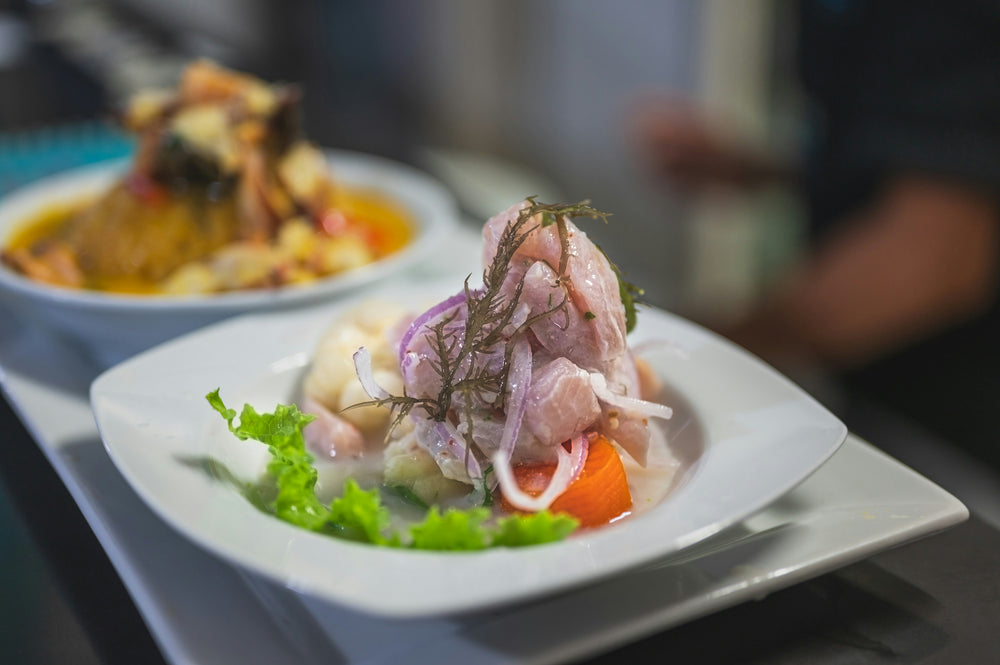
This beautifully plated ceviche looks incredibly fresh and bright, like a taste of the ocean captured on a plate. The vibrant colors and delicate garnishes feel like a celebration of local flavors and culinary artistry. It’s the kind of meal that promises to be as refreshing for the spirit as it is for the palate.
Credits: THLT LCX
Local cuisine study in Machu Picchu, Peru

☕︎ Local Flavor

Chullos Machupicchu Restaurant

Rating: 4.8★ | Price: $$ | Coordinates: 13.1557° S, 72.5251° W

Navigate the steep, winding staircases of Aguas Calientes to reach this riverside sanctuary where traditional Andean gastronomy meets sophisticated presentation. Guests observe the Urubamba River's raw power through expansive windows while sampling the tactile complexity of alpaca carpaccio and quinoa-crusted trout. This venue serves as an anchor for the town's culinary identity, preserving the lineage of high-altitude flavors within a contemporary architectural frame.

View Entry Details

Full House Machupicchu Restaurant

Rating: 4.7★ | Price: $$ | Coordinates: 13.1559° S, 72.5248° W

Ascend to the timber-framed balcony of this craft-focused establishment to witness the intersection of Peruvian distillation and mountain biodiversity. The menu highlights the structural versatility of the potato, utilizing various heirloom varieties to complement slow-cooked meats and artisanal sauces. It is a vital piece of the town’s cultural puzzle, documenting the transition of simple mountain fare into a refined, high-fidelity dining experience.

View Entry Details

Ponchos Peruvian Kitchen

Rating: 4.8★ | Price: $$ | Coordinates: 13.1546° S, 72.5260° W

Discover the vibrant chemistry of Peruvian fusion in a space defined by its warm, exposed-brick interior and traditional textile decor. The kitchen prioritizes the manual refinement of local ingredients, transforming yellow chili and cilantro into velvet-textured emulsions that define the modern Peruvian palate. This site acts as a physical manuscript of the region's agricultural wealth, preserving the ancestral techniques of slow-braising and clay-pot cooking.

View Entry Details

Restaurant Bistro Bar Indio Feliz

Rating: 4.6★ | Price: $$$ | Coordinates: 13.1544° S, 72.5250° W

Unearth a surrealist archive of travel history within this eccentrically decorated bistro, where every wall is a collage of maps, notes, and global artifacts. The cuisine offers a sophisticated synthesis of French technique and Peruvian ingredients, resulting in unique textures like ginger-glazed river fish and tropical fruit reductions. This establishment remains a vital anchor for the village's identity, documenting the long-standing global fascination with the nearby Incan sanctuary.

View Entry Details

🛌︎ Boutique Stays

Belmond Sanctuary Lodge

Rating: 4.8★ | Price: $$$$ | Coordinates: 13.1662° S, 72.5447° W

Ascend to the very threshold of the citadel to reside within the only property sharing a border with the Incan sanctuary. The architecture is intentionally understated, utilizing local stone and timber to frame the basalt peaks of Huayna Picchu through expansive glass. It remains an essential anchor for the modern explorer, offering a rare chronological bridge to the ruins during the silent hours of dawn.

View Entry Details

Inkaterra Machu Picchu Pueblo Hotel

Rating: 4.7★ | Price: $$$ | Coordinates: 13.1554° S, 72.5245° W

Navigate a private Andean cloud forest where whitewashed adobe villas sit amidst a botanical archive of over 370 orchid species. The interior design prioritizes tactile luxury, featuring hand-woven alpaca blankets and exposed cedar beams that echo the rugged topography of the Urubamba River. This retreat functions as a physical manuscript of ecological preservation, documenting the symbiotic relationship between high-altitude hospitality and biodiversity.

View Entry Details

Sumaq Machu Picchu Hotel

Rating: 4.6★ | Price: $$$$ | Coordinates: 13.1540° S, 72.5285° W

Inhabit a sanctuary of refined architecture that draws heavy inspiration from the Chakana, or Incan Cross, incorporating geometric stone motifs and symbolic textiles throughout its halls. The property offers specialized workshops in Peruvian distillation and gastronomy, allowing guests to manipulate the same volcanic minerals and high-altitude flora used in ancestral rituals. It is an essential anchor for the site's identity, preserving the spiritual lineage of the Incan worldview through modern luxury.

View Entry Details

Casa Andina Standard Machu Picchu

Rating: 4.5★ | Price: $$ | Coordinates: 13.1562° S, 72.5244° W

Discover a grounded, sophisticated refuge located at the edge of the river, where the architecture prioritizes functionality and panoramic views of the surrounding cloud forest. The interior features minimalist designs that highlight the natural textures of stone and local wood, providing a Zen-like atmosphere for reflection before the ascent. This site is a vital piece of the village's puzzle, documenting the accessibility and enduring appeal of the Incan heartland to the modern traveler.

View Entry Details

📍︎ Field Study

Historic Sanctuary of Machu Picchu

Rating: 4.8★ | Price: $$$ | Coordinates: 13.1632° S, 72.5453° W

Analyze the structural genius of the "ashlar" technique, where massive granite blocks are joined without mortar to withstand seismic shifts. The citadel's layout reveals an advanced understanding of hydraulic engineering and astronomical alignment, documenting the Incan transition from nomadic tribes to a sophisticated solar empire. This site is the primary physical manuscript of South American history, preserving the architectural ambition of a civilization that mastered the verticality of the Andes.

View Entry Details

Huayna Picchu Hike

Rating: 4.9★ | Price: $$ | Coordinates: 13.1562° S, 72.5460° W

Ascend the "Stairs of Death," a series of narrow, vertigo-inducing granite steps that test the physical endurance of the modern traveler. From the summit, the archaeological geometry of the main citadel below becomes clear, revealing the city's plan in the shape of a condor. This trek is an essential piece of the puzzle, documenting the Incan commitment to high-altitude defense and their reverence for the mountain peaks.

View Entry Details

Machu Picchu Sun Gate (Intipunku) Trek

Rating: 4.8★ | Price: $ | Coordinates: 13.1764° S, 72.5367° W

Discover the original entrance to the city by following the same stone-paved path used by Incan royalty and high priests. The architecture along the route features smaller watchtowers and ritual platforms that served as an anchor for the city's spiritual identity. This walk functions as a physical manuscript of the Incan road system, preserving the lineage of a transport network that once unified the entire continent.

View Entry Details

Peru Sights - Machu Picchu Tours

Rating: 5.0★ | Price: $$$ | Coordinates: 13.1549° S, 72.5252° W

Navigate the complex historical narratives of the sanctuary with expert archivists who decode the purpose of the Temple of the Sun and the Intihuatana stone. These studies emphasize the high-fidelity details of the site’s construction, from the drainage systems that prevent erosion to the precise carving of sacrificial altars. This excursion is vital for preserving the intellectual lineage of the Andes, offering a grounded perspective on the city's spiritual and political function.

View Entry Details

Typography

Archival Note: A formal technical study of Machu Picchu, Peru, archiving the coordinates, elevation, and environmental data that define the region. This data serves as a vital record for our ongoing global field study, providing the technical foundation behind every atmospheric detail captured in our visual work.

Botanical and pigment specimen study for Machu Picchu, Peru Colors of Machu Picchu, Peru
Coordinates
13.1631° S, 72.5450° W — Southern Peru, Urubamba Province, Andes
Historical Epoch
Incan Empire construction around 1450 CE under Emperor Pachacuti. Abandoned around 1572 following Spanish conquest. Unknown to the Western world until Hiram Bingham's 1911 expedition.
Elevation
2,430 m / 7,970 ft, Incan citadel on a saddle ridge above the Urubamba River
Atmosphere
Subtropical Highland Cloud Forest (Cwb). Dry season May through October with the clearest views, wet season November through April with daily mist, cool year-round at 2,430 m.
Observation Hour
06:00. Sunrise over the Intipunku Sun Gate as the first rays illuminate the citadel below, the mist clearing from the Urubamba Valley in layers as the light builds from pale gold to full amber.
Primary Pigment
Granite Gray (#8E918F) and Terrace Green (#3B5323)
Best Time to Visit
May through October, the dry season keeps the Inca Trail open and the citadel clear of mist for sunrise from the Sun Gate
Avoid Visiting
November through April, the Inca Trail closes in February, heavy rain soaks the ruins, and the surrounding mountains are permanently cloud-covered

Behind The Scenes

Nathan

Note from the Founder

Hey, did you know this fun fact about Machu Picchu, Peru? Machu Picchu is remarkably earthquake-resistant because the Incas used a technique called ashlar masonry, where stones are cut so precisely they fit together without mortar. This allows the stones to "dance" and settle back into place during tremors, preventing the structure from collapsing.
Thank you for exploring the Machu Picchu, Peru series with us. We hope these notes have inspired you to add this incredible destination to your own passport—we are so glad you're here. — Nathan

Some of our Favorites