
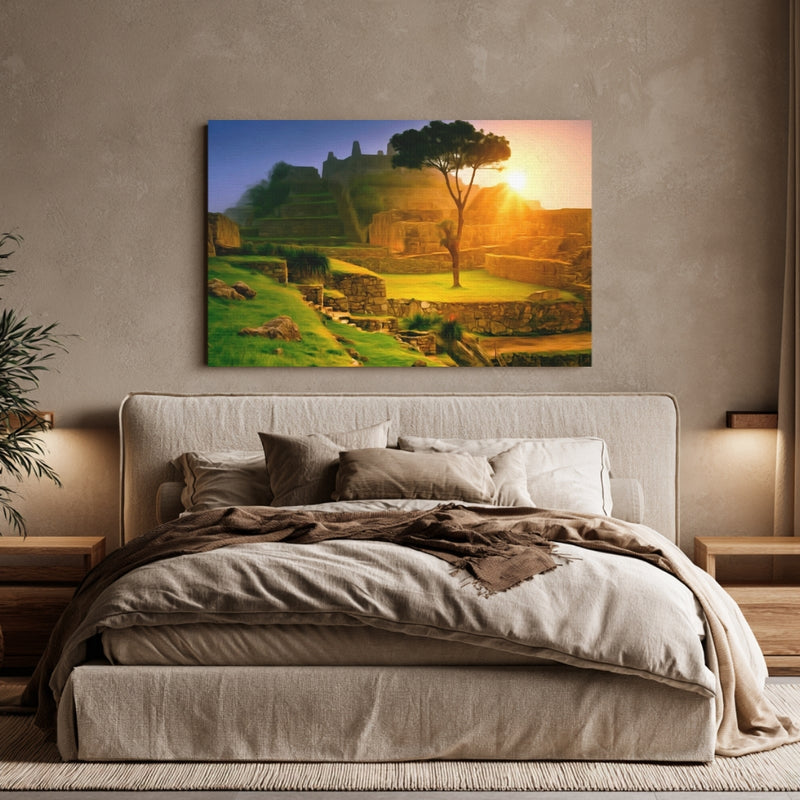
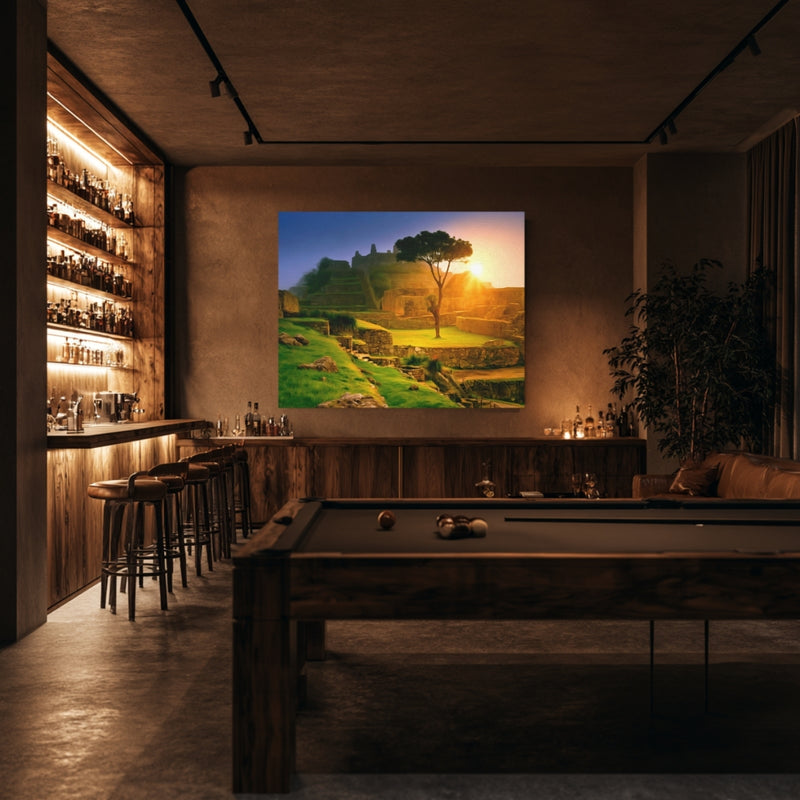
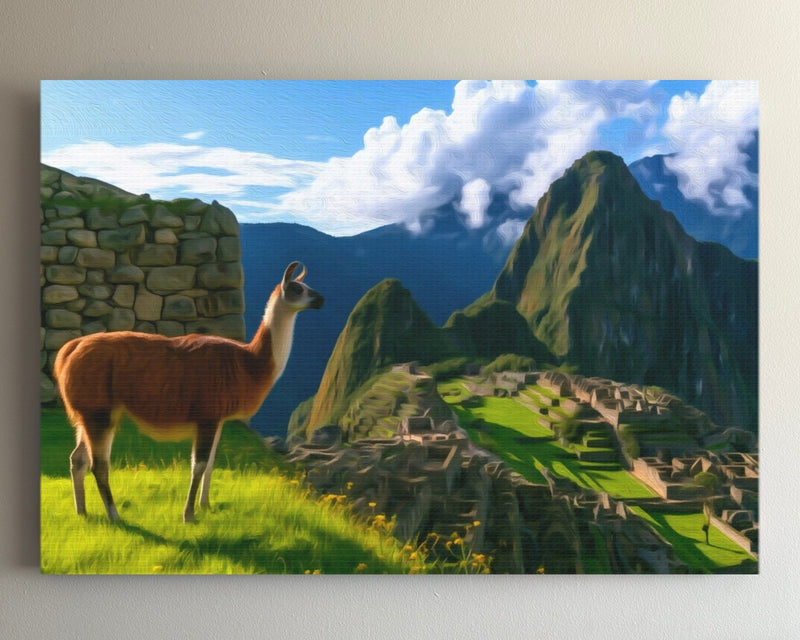
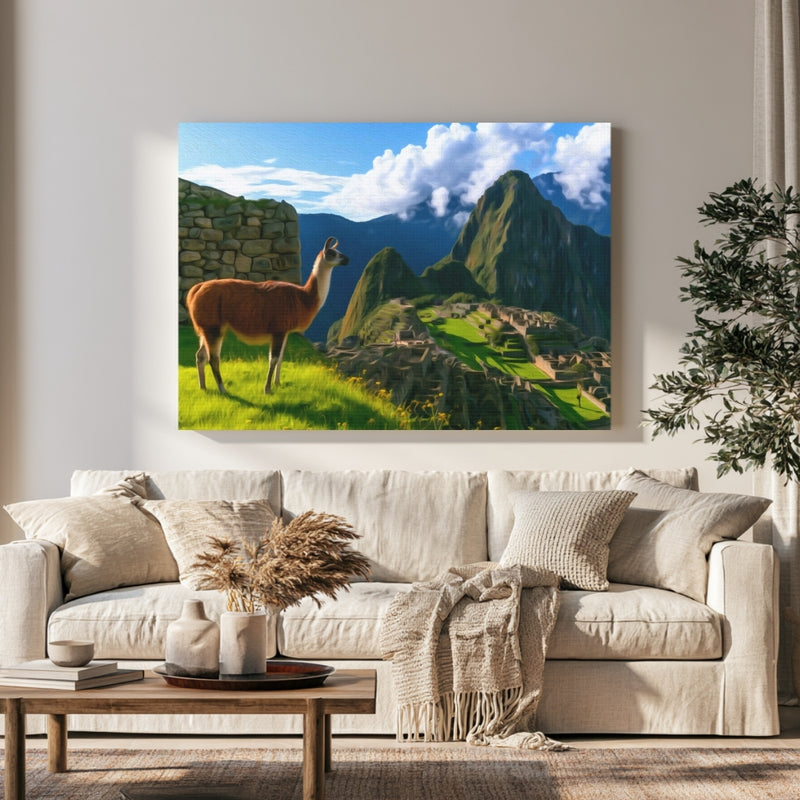
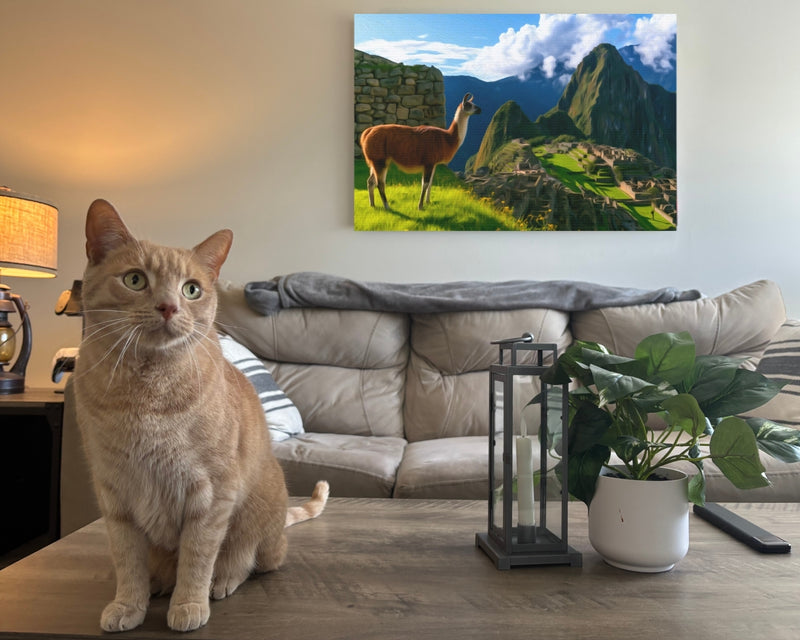
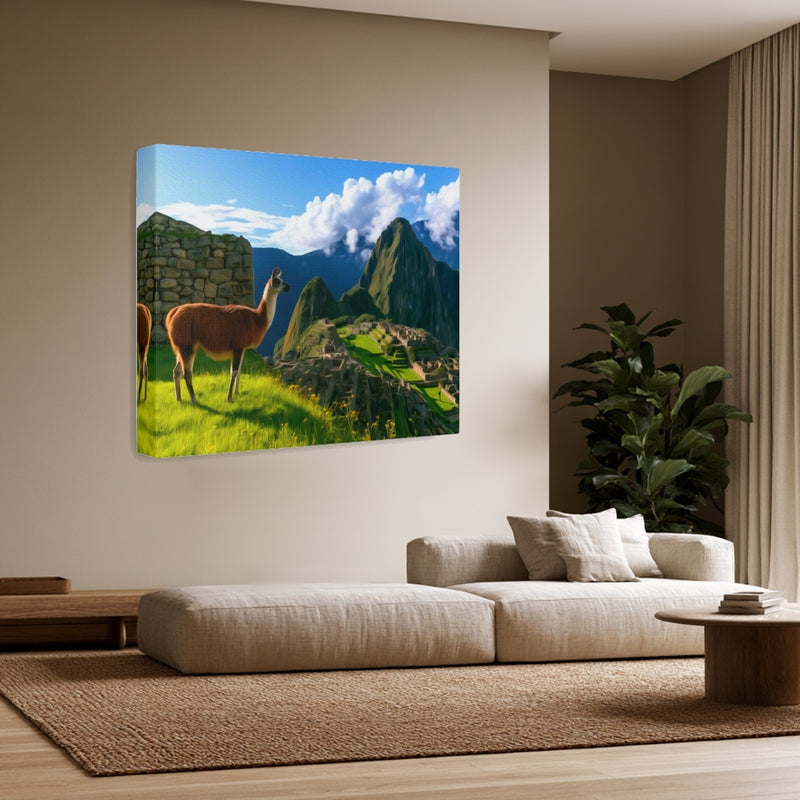
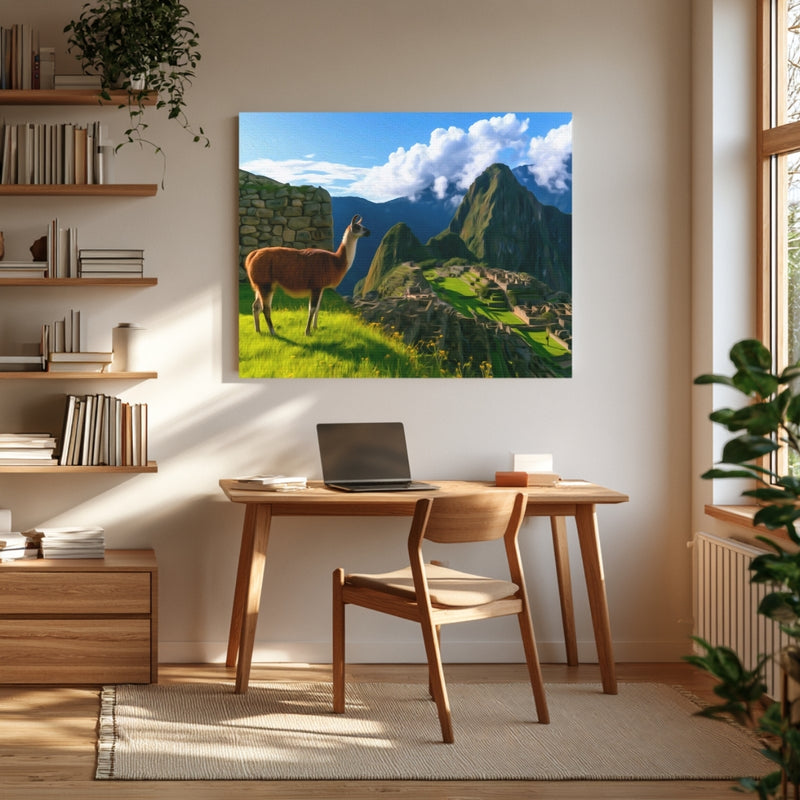
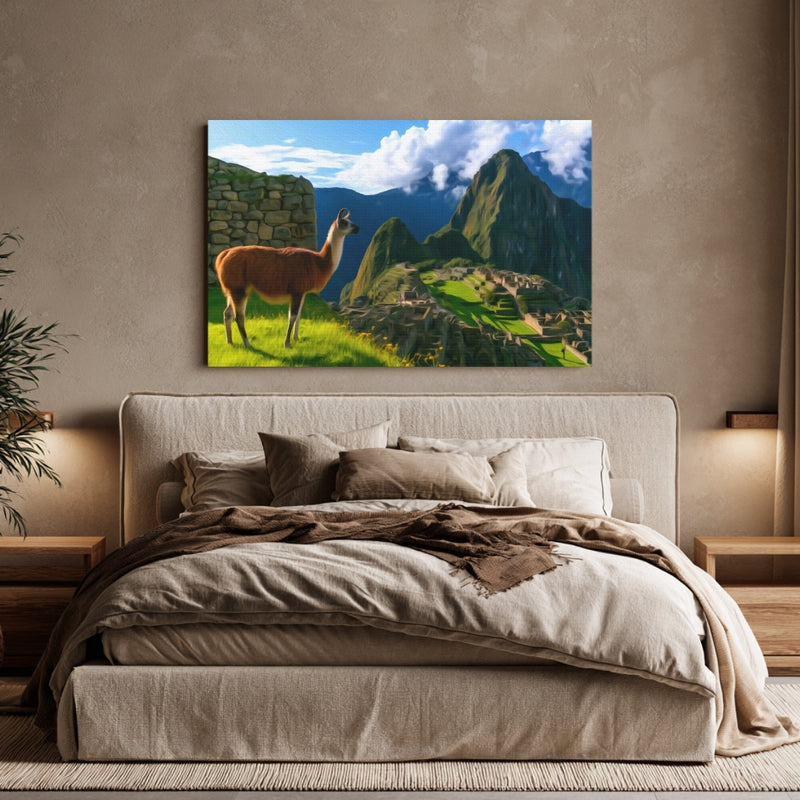
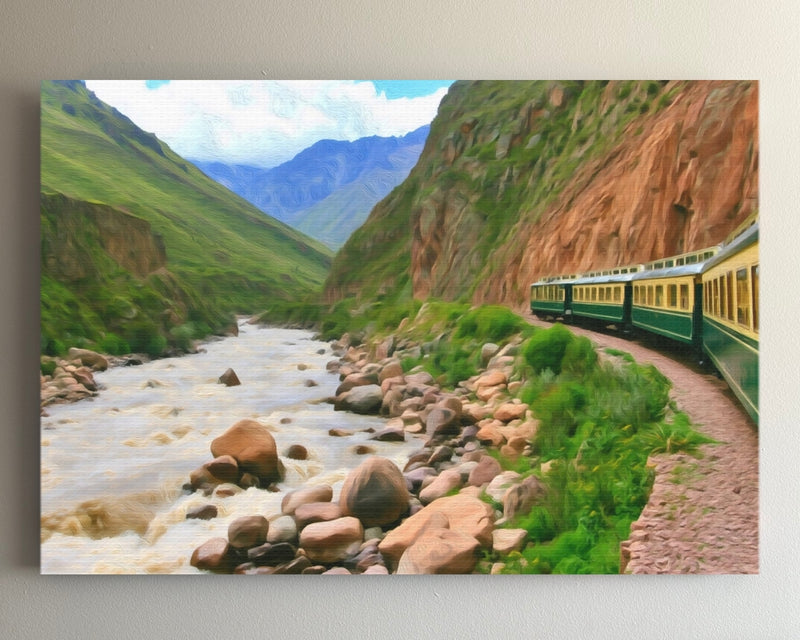
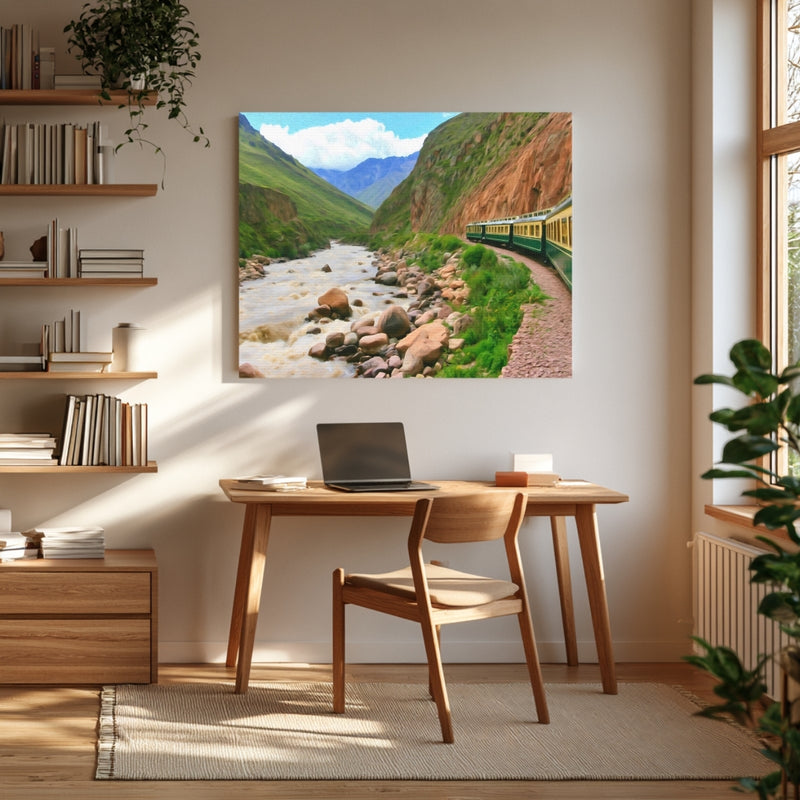
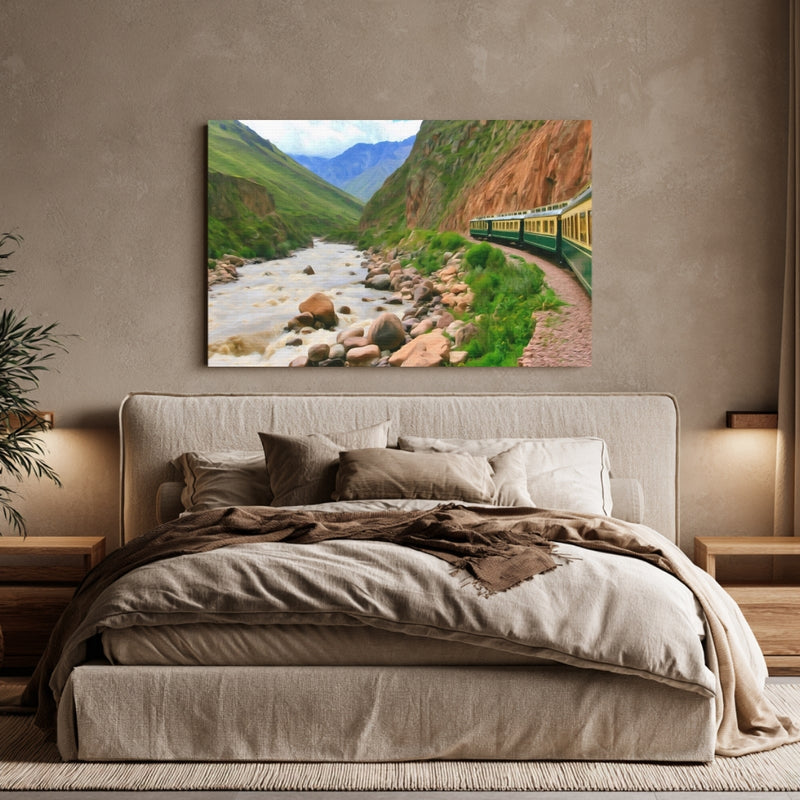

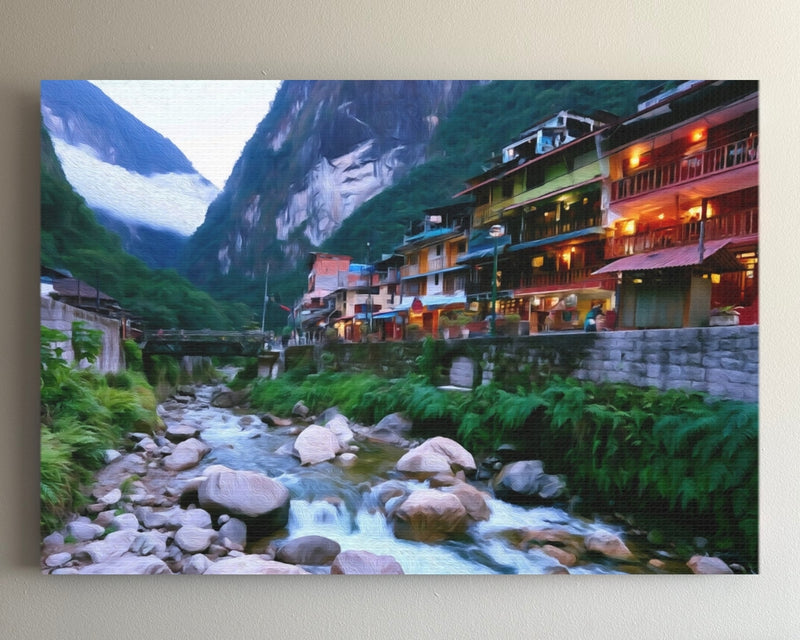
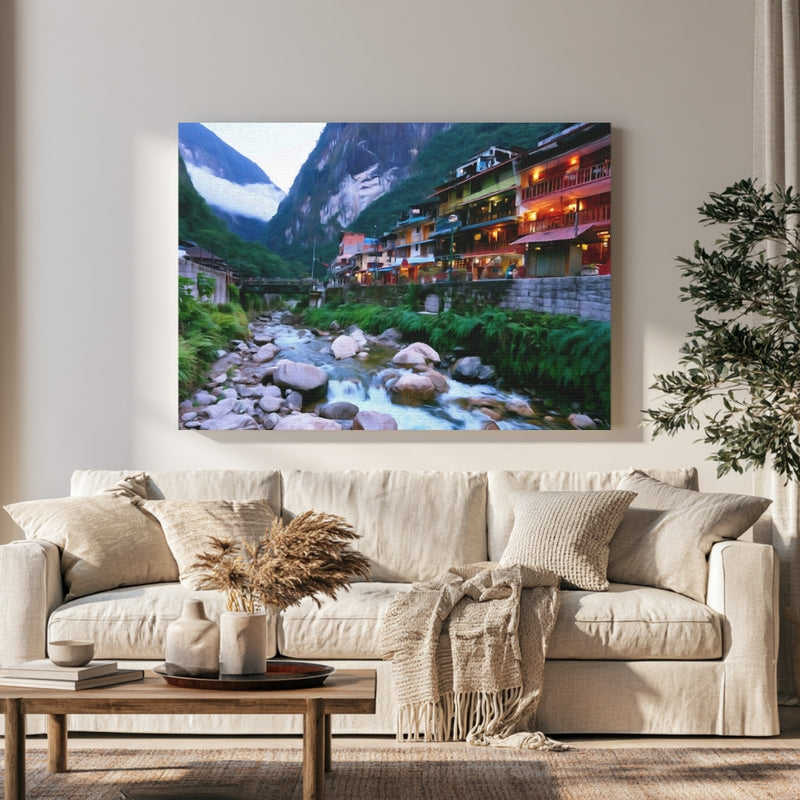
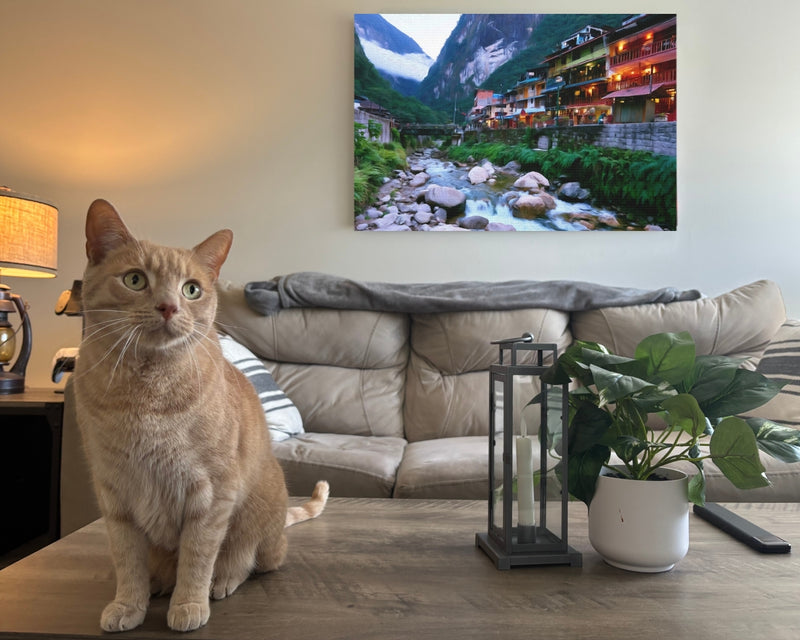
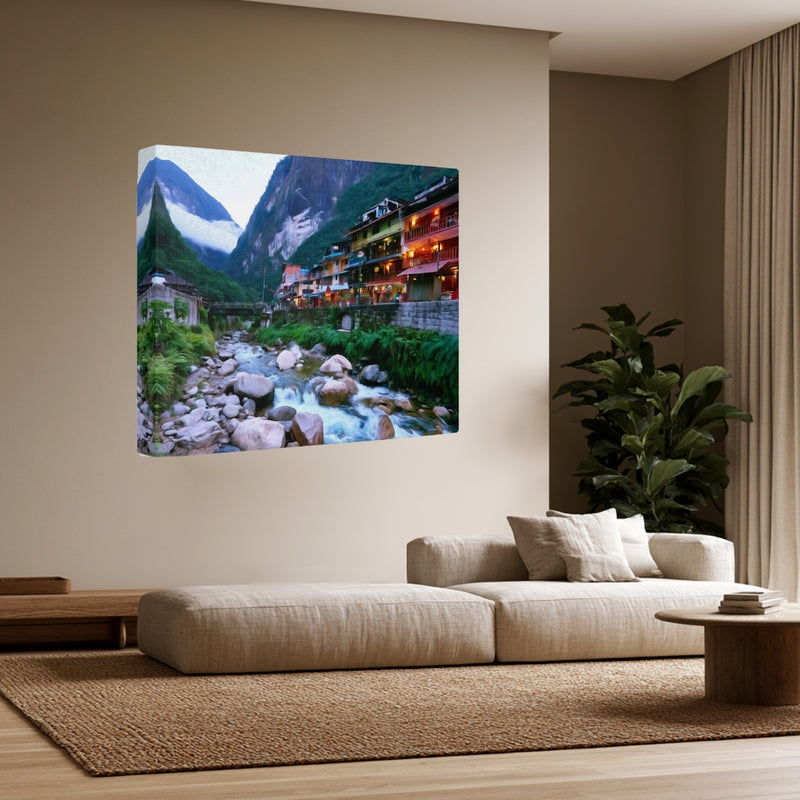
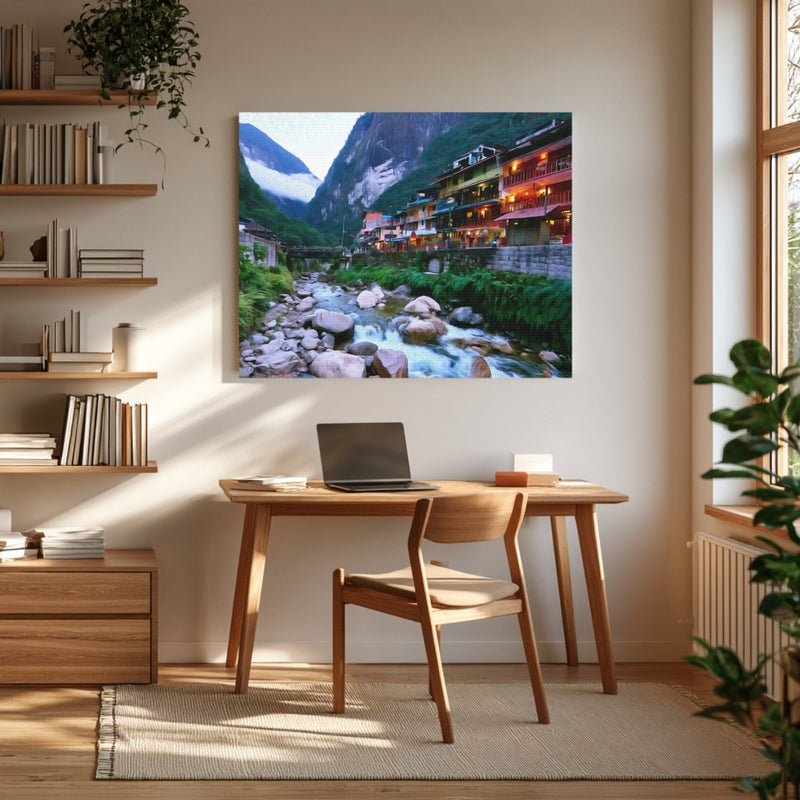
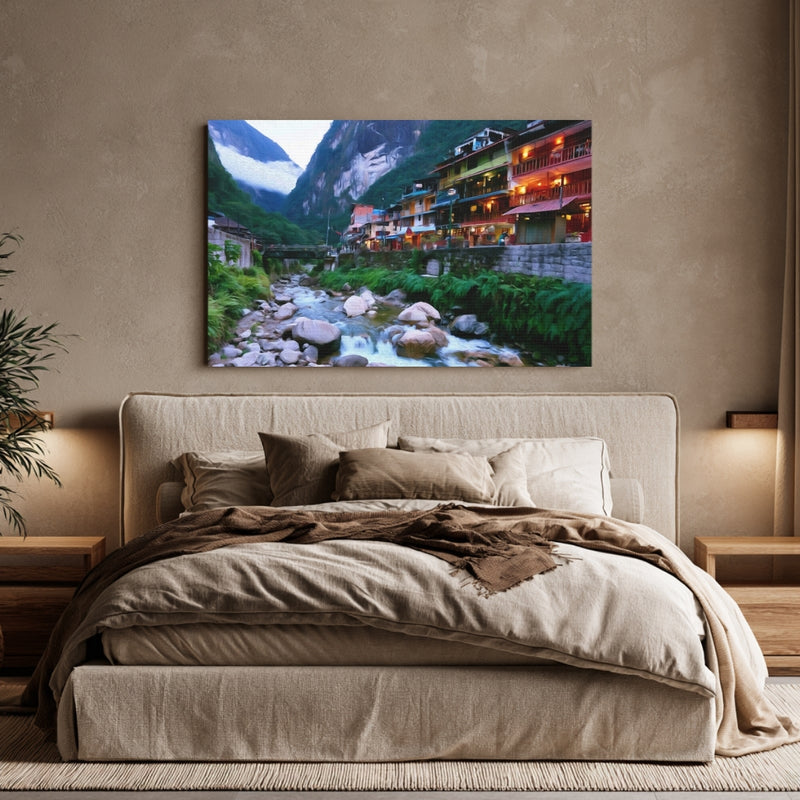
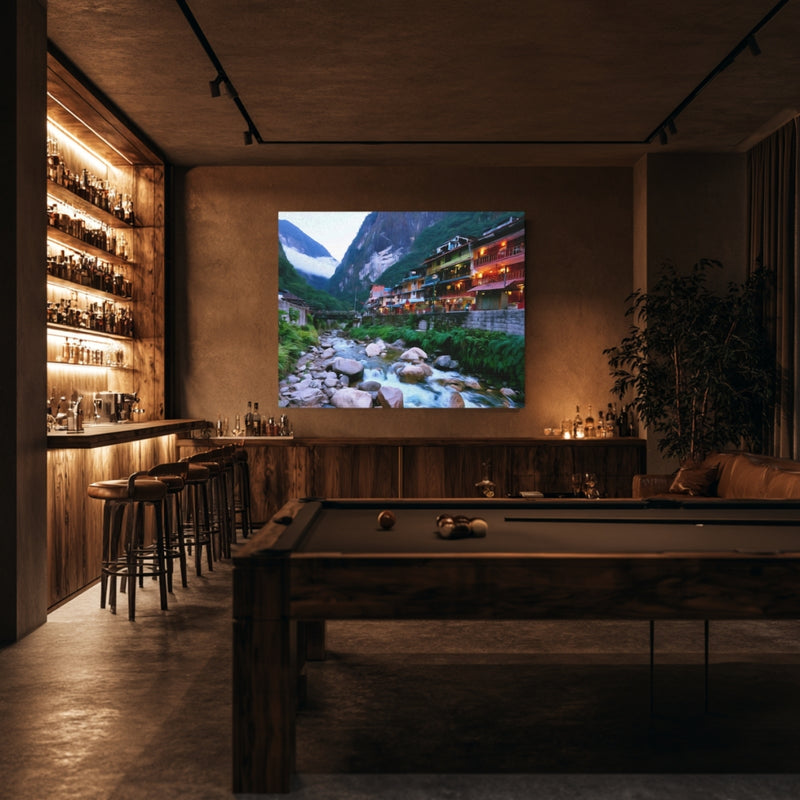


The Real Machu Picchu
More than a shop, each page is an immersive guide to the real Machu Picchu: local tips and tricks, the language you'll hear, where to eat, stay, and explore, the lay of the land, and a fun fact to carry home — every canvas mapped to the very spot it was painted.
MACHU PICCHU, PERU | "The Lost City of the Inca"
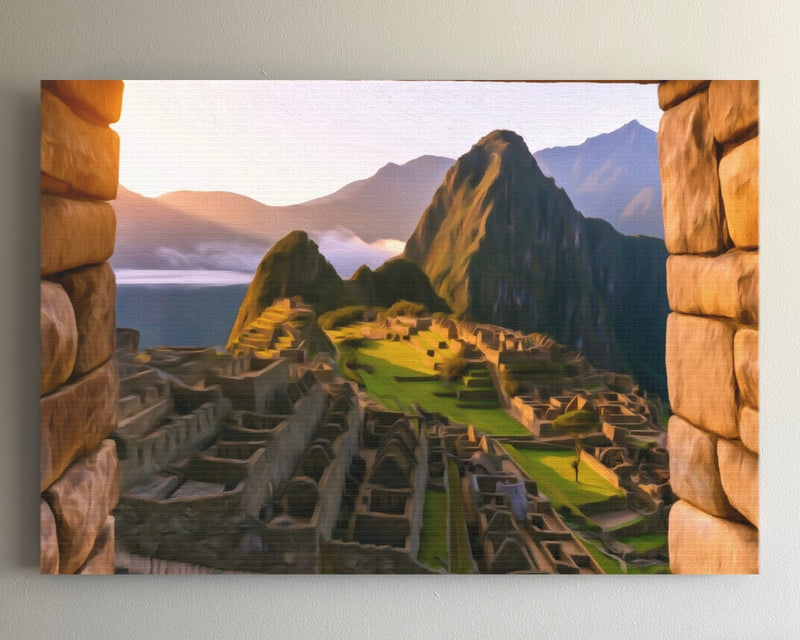
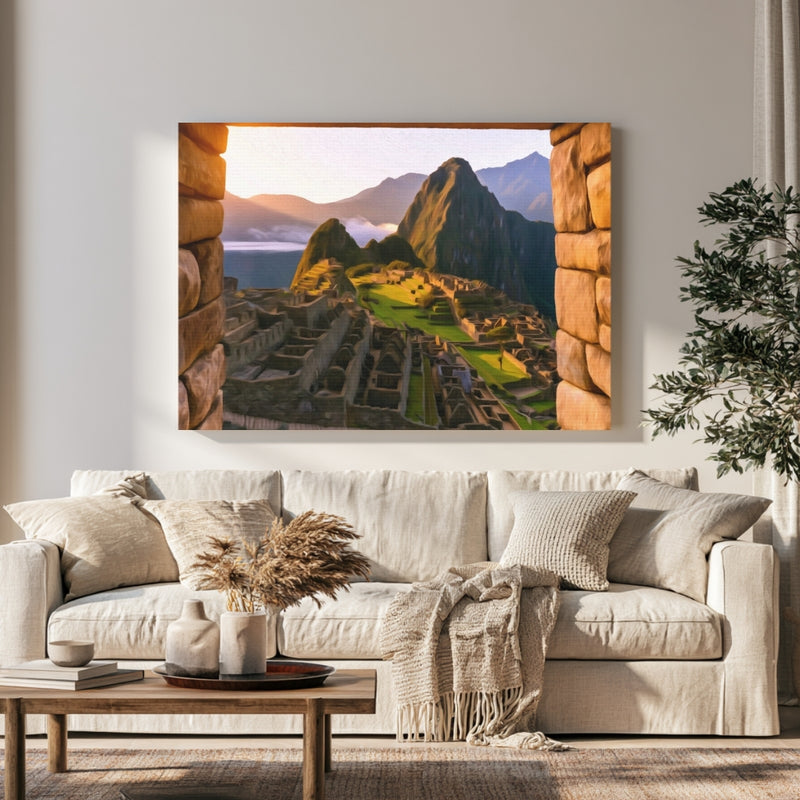
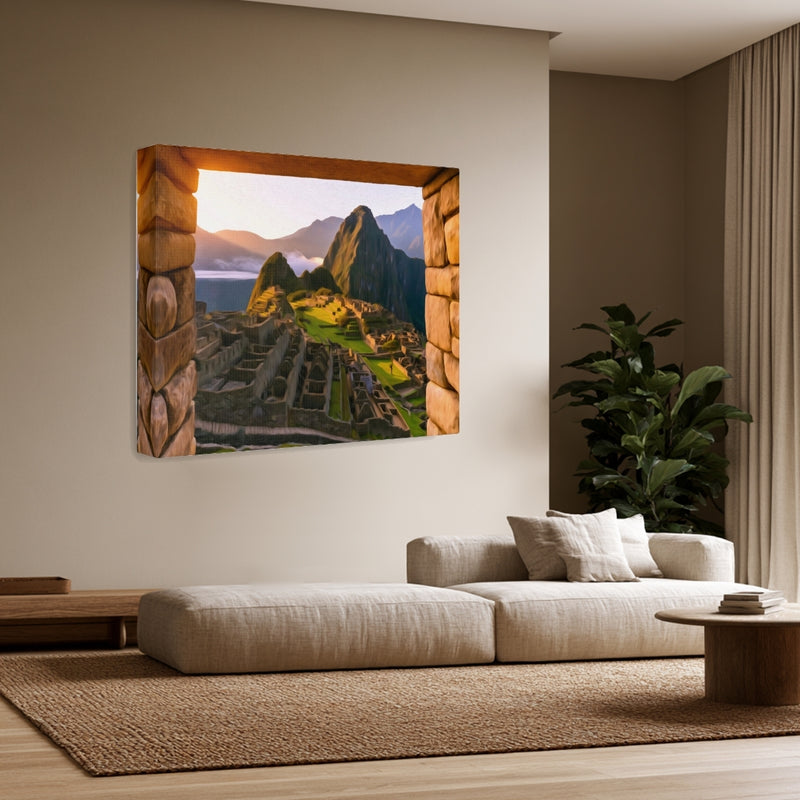
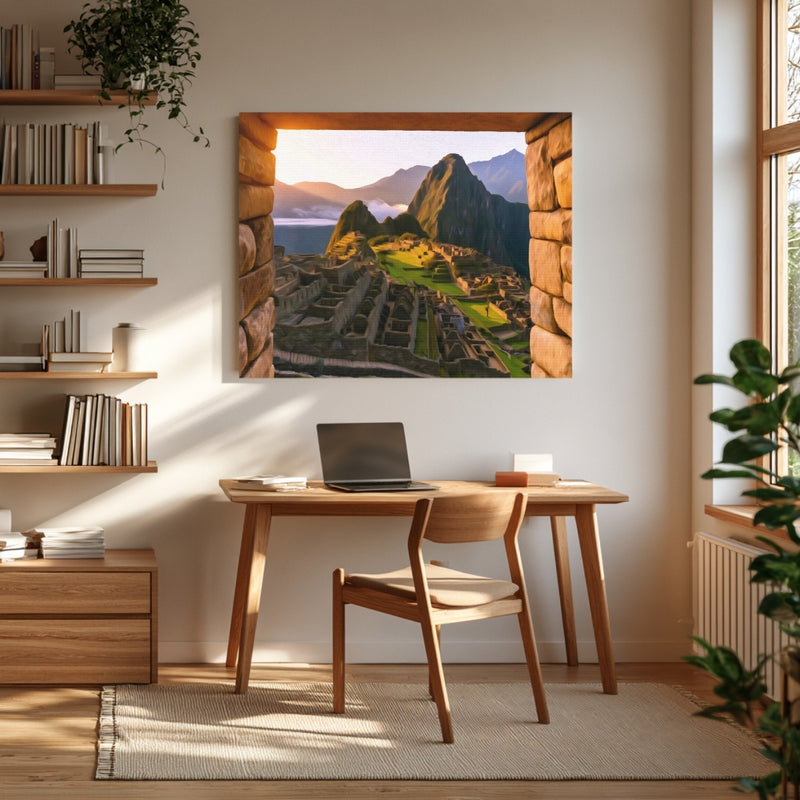
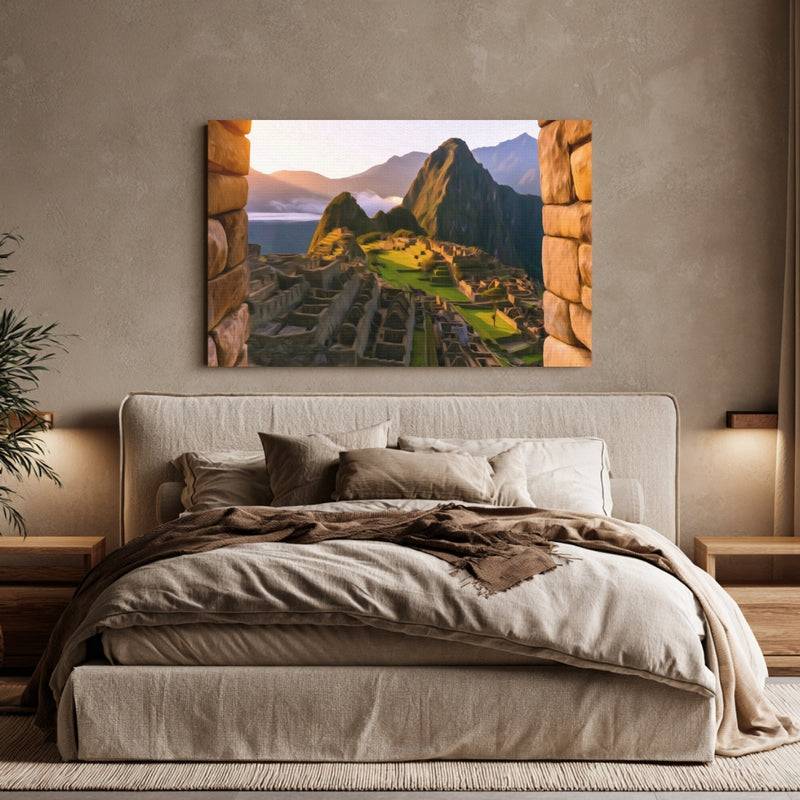
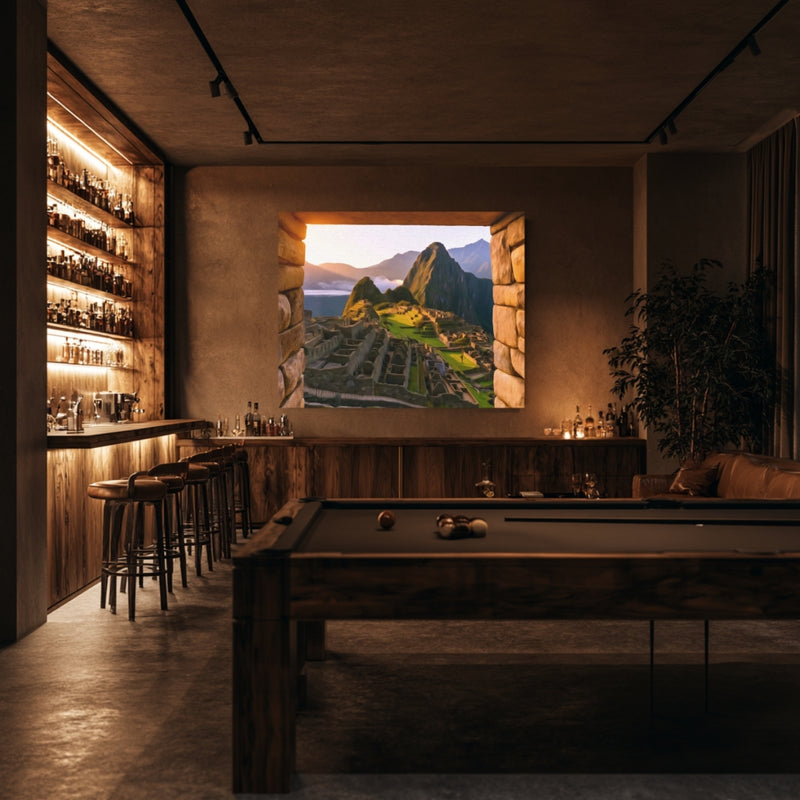
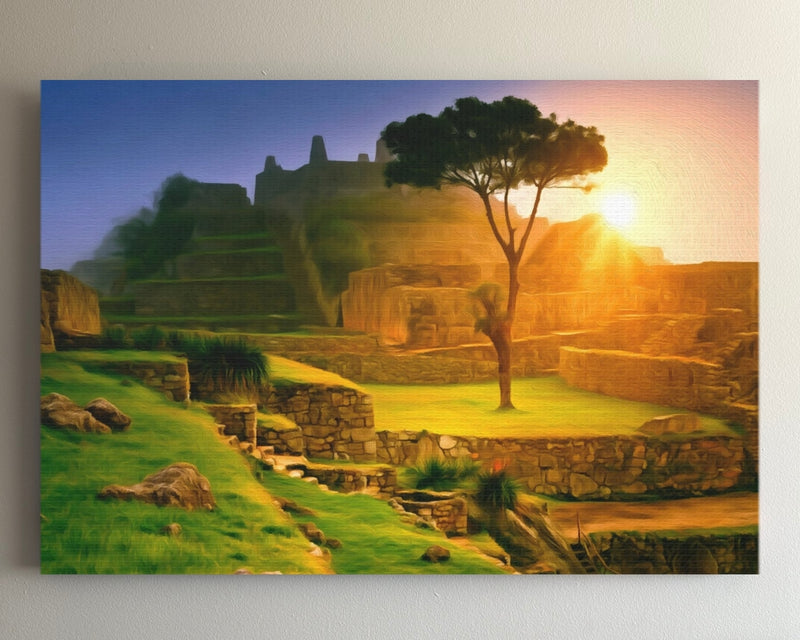
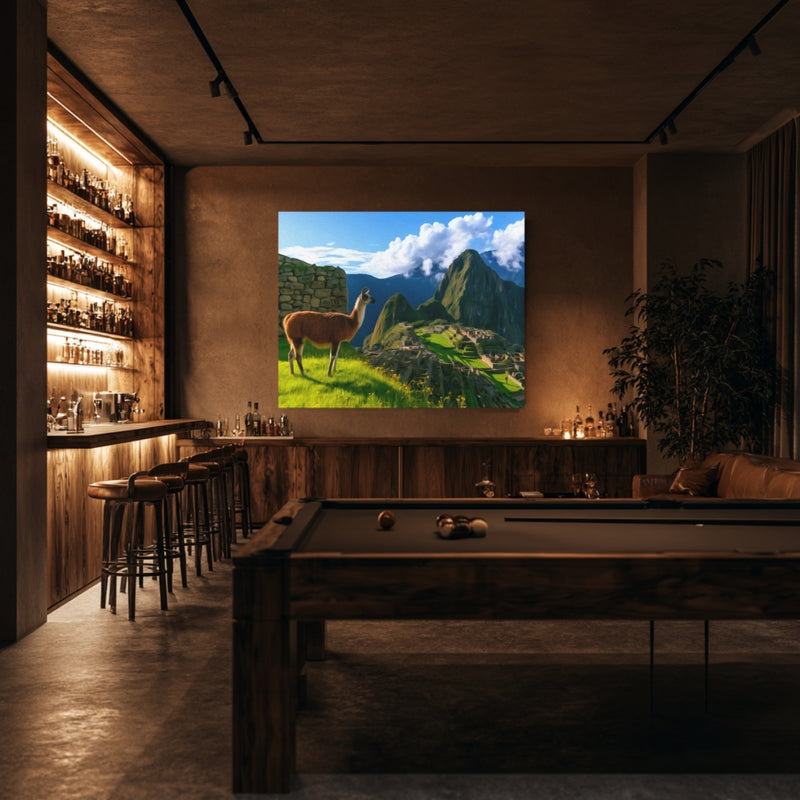
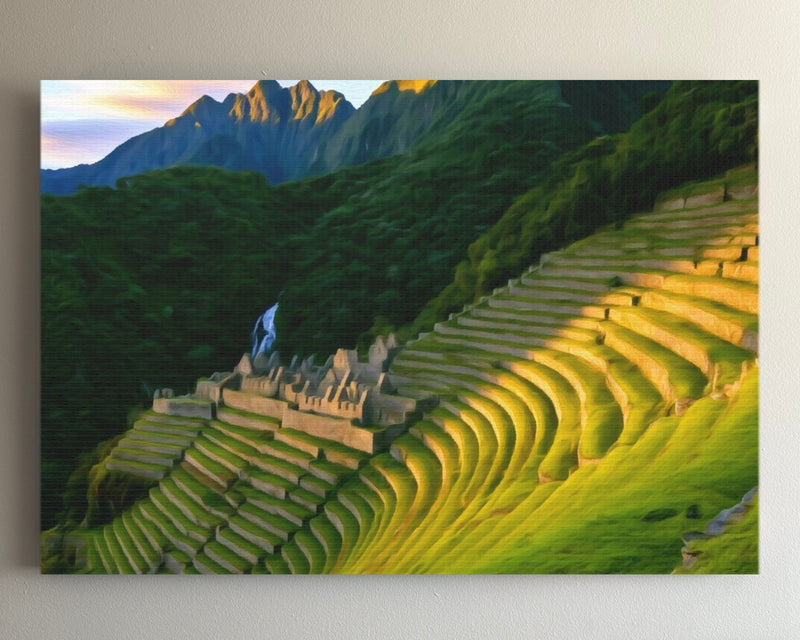
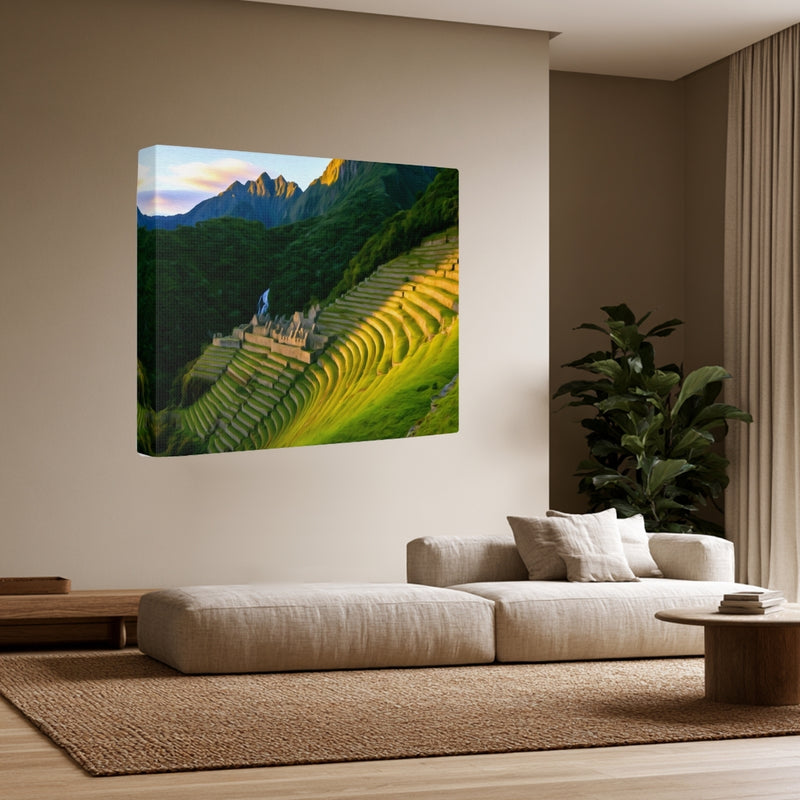
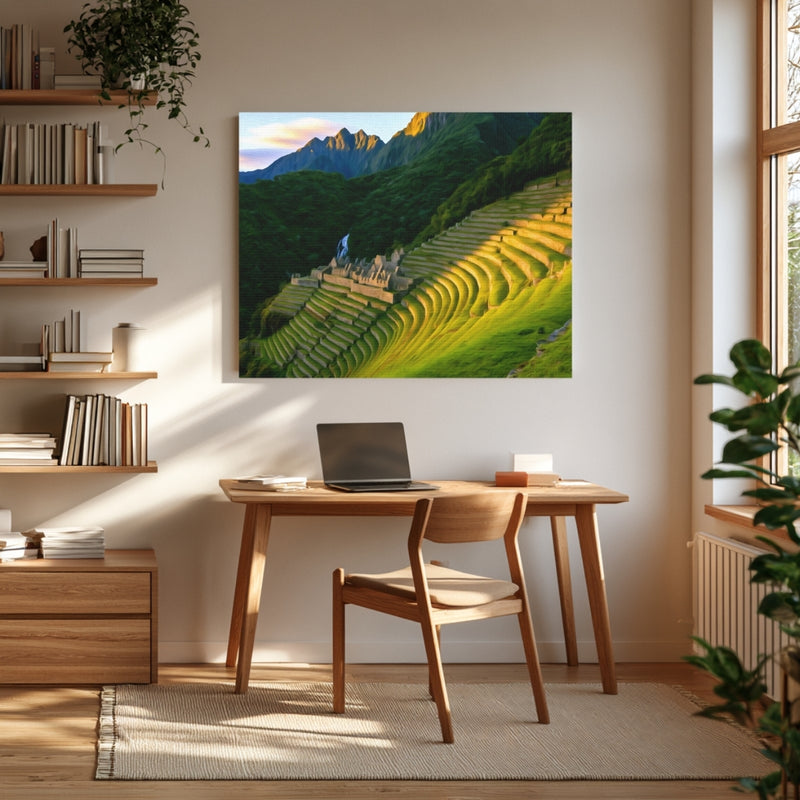
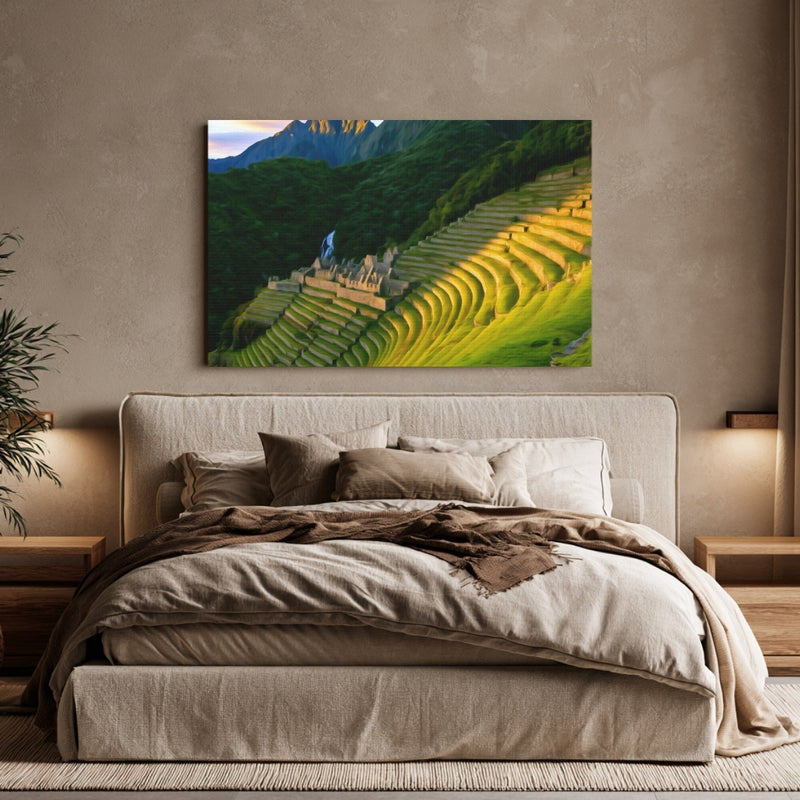
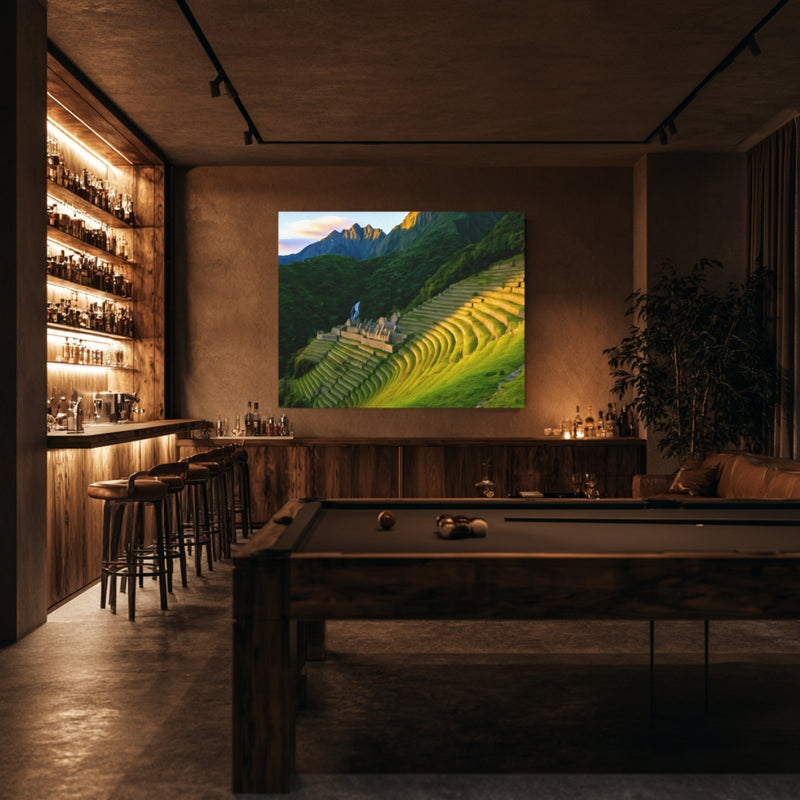
Machu Picchu is the most extraordinary archaeological site in the Americas, an Inca citadel built at 2,430 meters on a ridge above the Urubamba River gorge in the cloud forest of the eastern Andes, abandoned by the Inca around 1572 following the Spanish conquest, and unknown to the outside world until Hiram Bingham's 1911 expedition brought it to international attention. The site consists of approximately 200 structures including temples, palaces, residences, and agricultural terraces, all constructed in the Inca ashlar masonry technique of precisely fitted dry stone that requires no mortar and allows the walls to flex and resettle during the frequent earthquakes of the Andean seismic zone without collapsing.
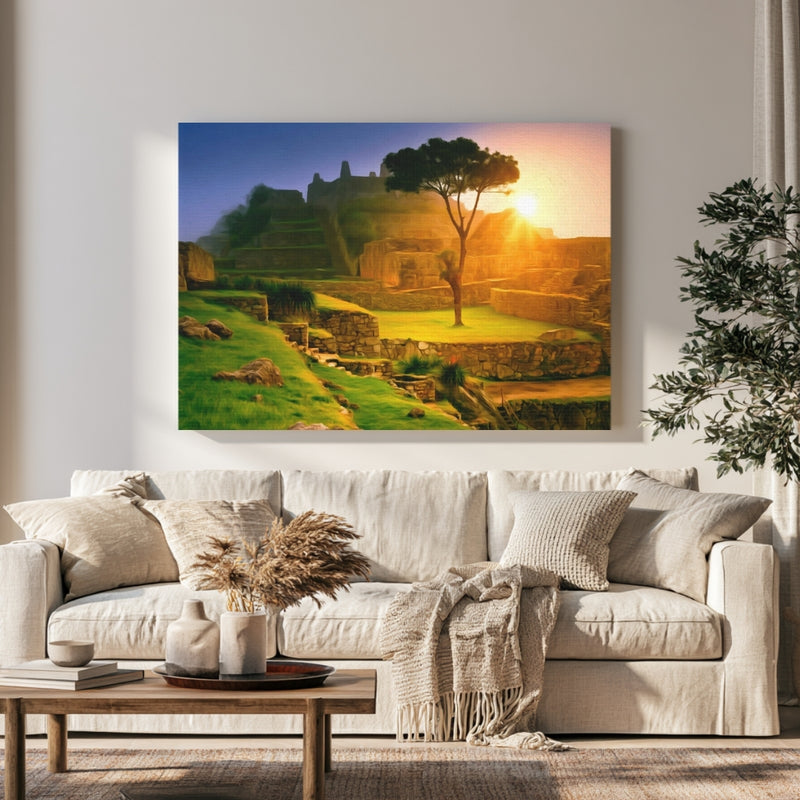
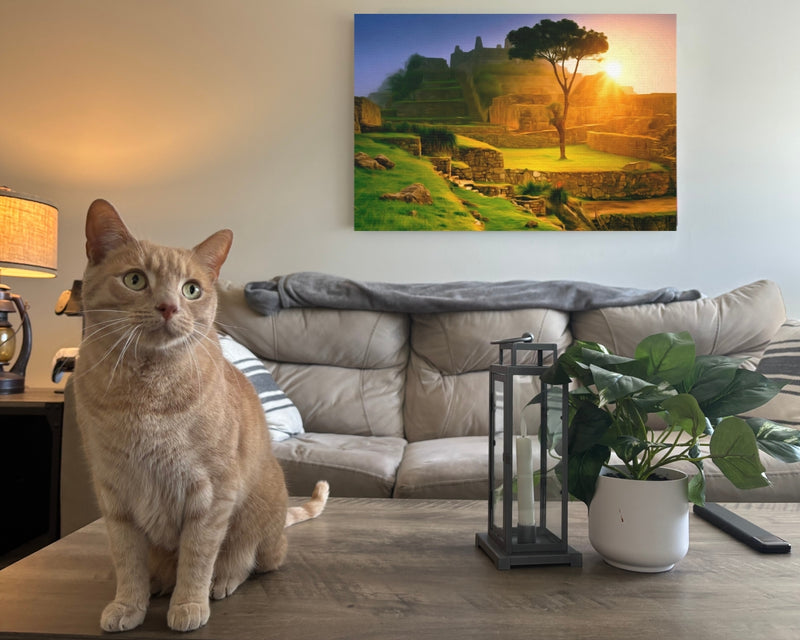
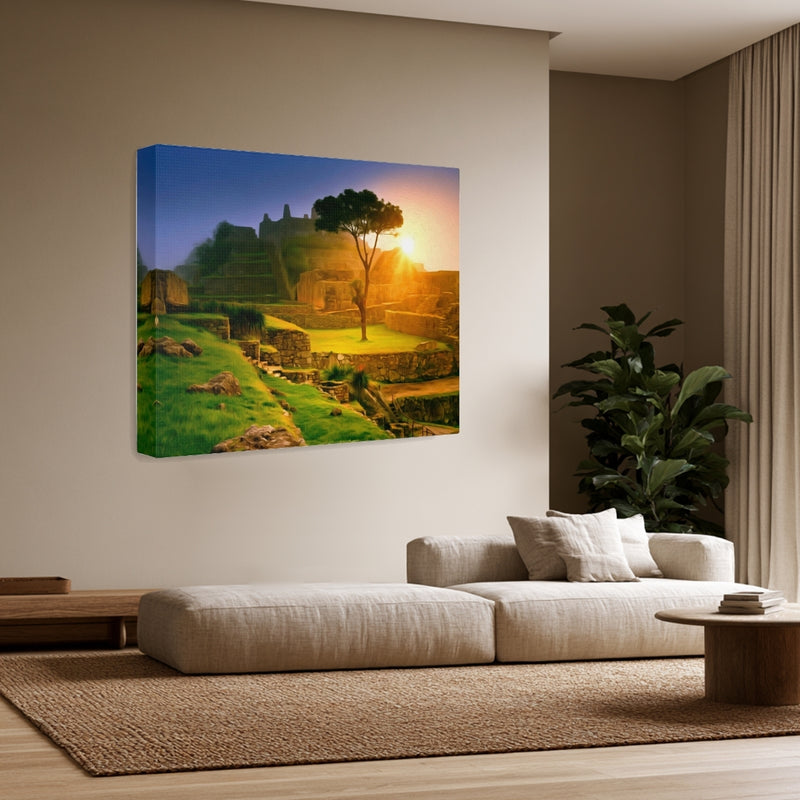
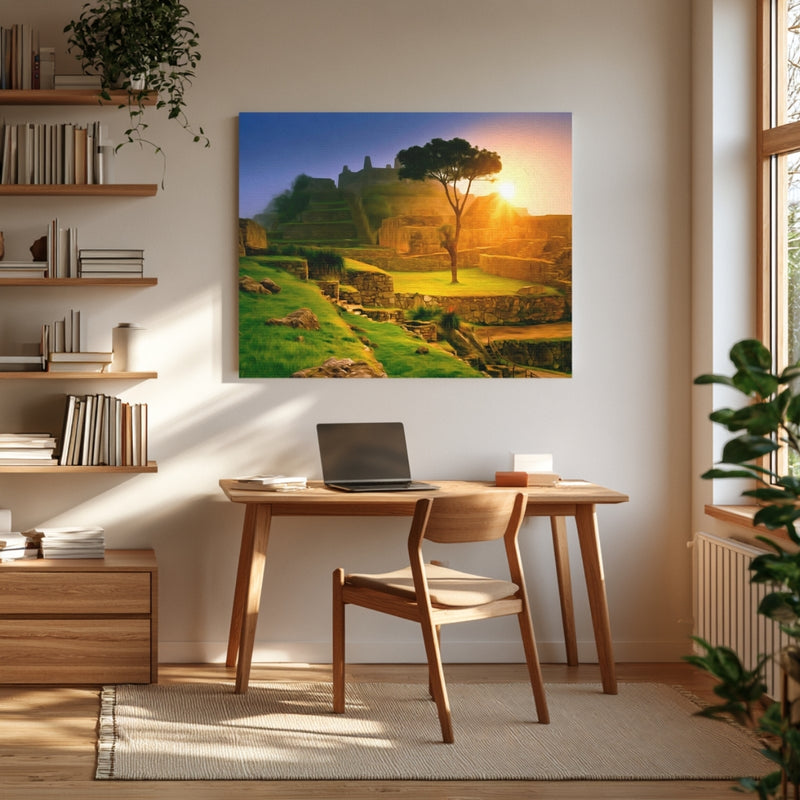
The colors are the specific green and grey of the Andean cloud forest: the deep grey of the granite stone walls against the extraordinary green of the agricultural terraces and the surrounding cloud forest, the pale white of the Urubamba River visible as a silver thread 600 meters below the citadel, and the specific golden mist that fills the valley at dawn when the sun first clears the Intipunku Sun Gate and illuminates the citadel before burning off the cloud layer below.
We hope you love getting lost in Machu Picchu through the art above — and that one of these canvases finds a home on your wall. Happy travels, from all of us at The Painted Passport.