Kyoto, Japan

The wooden stage of Kiyomizudera juts out over the hillside, cradled by cherry blossoms and soft mountain mist rising from the valley below. This watercolor study of the iconic Kyoto temple captures blush pinks and deep amber wood against a cool, dreamlike blue sky.
Original Series / Visual Study
Regional Dossier

Kyoto, Japan | 'Where Every Season Becomes a Ceremony'

Kyoto moves at a frequency all its own. It is a city of temple bells echoing through morning mist, of stone lanterns lining mossy paths, of geiko slipping silently between ochre-walled machiya townhouses as dusk settles over Gion. For over a thousand years this was the imperial heart of Japan, and that long, layered history lives not just in its shrines and gardens but in the rituals of daily life. The light here shifts with theatrical intention, arriving soft and golden through bamboo canopies at dawn and dissolving into violet haze above the Higashiyama hills by evening. Kyoto does not shout its beauty. It reveals it slowly, and always on its own terms.

A watercolor palette for Kyoto reaches instinctively toward the quiet end of the spectrum. Think vermilion torii gates reflected in still ponds, the deep indigo of ink-washed temple rooftiles, and the pale blush of cherry blossoms dissolving into white sky in early April. Autumn deepens the palette dramatically, flooding the canvas with crimson maple, burnt amber, and the cold grey-blue of a November sky above Nanzenji. Even the moss here has a color: a saturated, almost electric green that holds its own against rain-soaked stone.

Select Size
Add to the collection for /

$65.00

Finding the Stillness

It's hard to put the "vibe" of a place into words, so we put together a few images that we think show the quiet side of Kyoto, Japan. These are just some of the textures and small moments that felt special to us while we were exploring.

Kyoto, Japan visual study 01
Kyoto, Japan / No. 01 via Acres of Film
Dappled sunlight filters through the canopy of mature trees, casting gentle shadows across the shrine grounds and warming the vivid red pillars of the torii gate. The contrast between the bold crimson structures and the cool blue-green roof tiles creates a striking chromatic harmony, while the weathered stone marker and traditional signage speak to decades of pilgrimage and devotion. This quiet moment captures the serene intersection of nature and spiritual architecture that defines Kyoto's sacred spaces.
Kyoto, Japan visual study 02
Kyoto, Japan / No. 02 via jp pasku
The golden afternoon light bathes the temple's intricate architecture while soft clouds drift across a pale blue sky, creating a serene and timeless atmosphere. Visitors stand peacefully on the wooden veranda, gazing out over the emerald canopy that frames the distant urban sprawl below. The interplay of manicured tradition and untamed nature evokes a contemplative sense of being suspended between worlds.
Kyoto, Japan visual study 03
Kyoto, Japan / No. 03 via Emre Orkun KESKIN
This iconic bamboo grove in Kyoto showcases the serene beauty of Japan's traditional forests, with countless stalks creating a mesmerizing tunnel effect toward the sky. The photographer captures the striking contrast between the deep green trunks and the bright leafy canopy above, creating an almost otherworldly atmosphere. What often goes unnoticed is the delicate sand and small pebbles blanketing the forest floor, which grounds the composition and emphasizes the height and majesty of these towering plants.

Where to wander

Archival Note: A curated field study of Kyoto, Japan, prioritizing cultural relevance and archival merit. These locations have been meticulously researched and vetted to ensure they represent the most authentic atmosphere for your own expedition.

Local Cuisine Spotlight
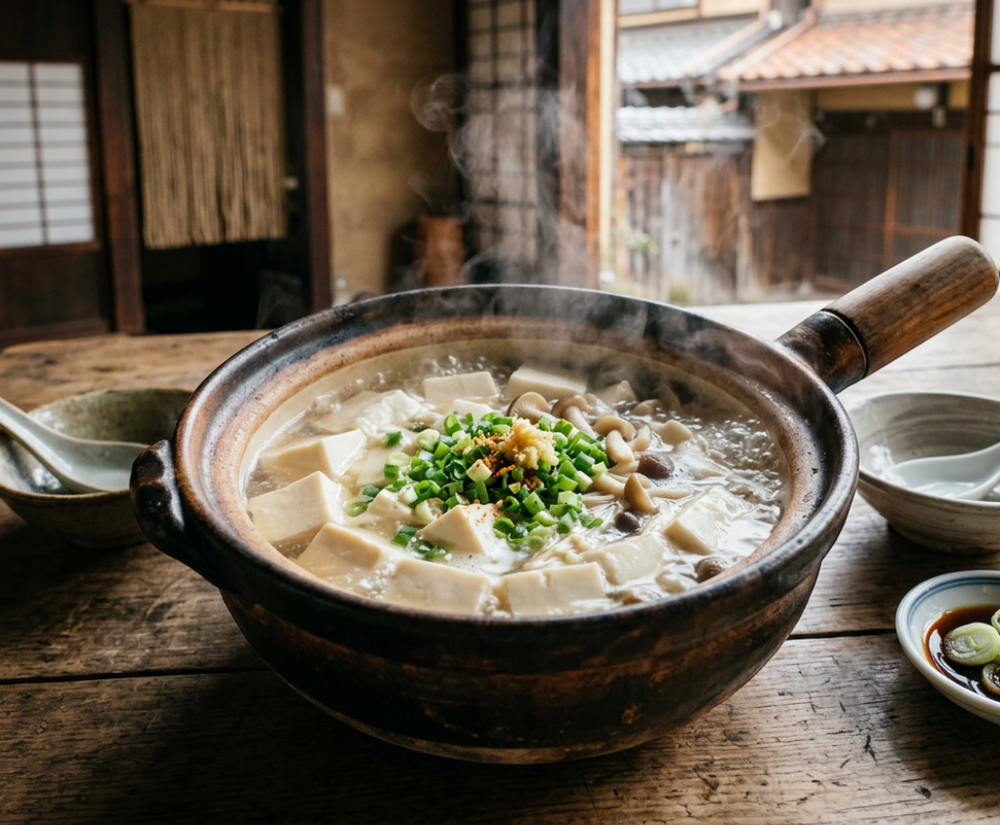
This comforting tofu and mushroom soup embodies Kyoto's gentle approach to cuisine. Silky tofu cubes float in a fragrant, nourishing broth, topped with vibrant green onions and crispy shallots that add textural contrast. Served in a rustic clay pot that keeps the soup steaming, it's a dish that warms both body and spirit in the most authentic way.
Credits: THE PAINTED PASSPORT
Local cuisine study in Kyoto, Japan

☕︎ Local Flavor

Kikunoi Honten

Rating: 5* | Price: $$$$ | Coordinates: 34.9985° N, 135.7800° E

This three-Michelin-starred kaiseki restaurant near Maruyama Park represents the pinnacle of Kyoto's refined culinary tradition, presenting seasonal ingredients with extraordinary artistry. Each course arrives like a small painting, rooted in the philosophy that food should reflect the current moment in nature's calendar. The serene dining rooms and immaculate service make every meal here feel like a deeply meaningful cultural experience.

View Entry Details

Nishiki Warai

Rating: 4* | Price: $$ | Coordinates: 35.0050° N, 135.7631° E

Tucked inside the lively Nishiki Market, this beloved spot specializes in warm and satisfying Kyoto-style comfort food that locals return to again and again. Their tofu dishes, pickled vegetables, and simple grilled fish reflect generations of home-style Japanese cooking done with tremendous care and quality ingredients. The casual counter seating and cheerful atmosphere make it an ideal stop for a midday meal while exploring the historic market street.

View Entry Details

Ippudo Ramen Kyoto

Rating: 4* | Price: $ | Coordinates: 35.0100° N, 135.7580° E

This celebrated ramen chain brings its legendary Hakata-style tonkotsu broth to the heart of Kyoto, satisfying hungry visitors and locals alike with rich, deeply savory bowls. The creamy pork-bone broth simmers for hours to achieve its signature silky texture, and the thin noodles are cooked to a perfectly springy consistency. On a cold Kyoto evening after visiting temple after temple, a steaming bowl here feels like exactly the reward you deserve.

View Entry Details

Okutan Nanzenji

Rating: 5* | Price: $$$ | Coordinates: 35.0116° N, 135.7933° E

Operating since 1635, Okutan is one of Japan's oldest restaurants and specializes exclusively in yudofu, a simple and soulful dish of tofu simmered in a light kelp broth that embodies Kyoto's Buddhist culinary heritage. Meals are served in a stunning traditional building overlooking a meticulously maintained moss garden beside the Nanzenji temple complex. Dining here feels like stepping gently outside of time, connecting you to centuries of thoughtful, plant-forward Japanese culture.

View Entry Details

🛌︎ Boutique Stays

The Ritz-Carlton, Kyoto

Rating: 5* | Price: $$$$ | Coordinates: 35.0116° N, 135.7681° E

Nestled along the Kamogawa River, this luxury hotel blends contemporary design with traditional Kyoto aesthetics in breathtaking fashion. Each room offers stunning views of the Higashiyama mountains or the tranquil river below. Guests are treated to impeccable service, a world-class spa, and fine dining that celebrates the very best of Kyoto cuisine.

View Entry Details

Tawaraya Ryokan

Rating: 5* | Price: $$$$ | Coordinates: 35.0116° N, 135.7554° E

Founded in the early 1700s, Tawaraya is widely considered Japan's finest traditional inn and has hosted emperors, artists, and world leaders throughout its storied history. Guest rooms are serene sanctuaries of tatami mats, sliding shoji screens, and private garden views that change beautifully with every season. The kaiseki dinners served here are a deeply personal culinary journey you will long remember.

View Entry Details

Mitsui Garden Hotel Kyoto Sanjo

Rating: 4* | Price: $$ | Coordinates: 35.0078° N, 135.7672° E

This stylish mid-range hotel places you right in the heart of central Kyoto, within easy walking distance of the Nishiki Market and numerous temples. Rooms are compact yet thoughtfully designed, with clean modern finishes and very comfortable beds perfect after a long day of exploring. The friendly staff consistently go above and beyond to help guests discover hidden corners of the city.

View Entry Details

Gion Hatanaka

Rating: 5* | Price: $$$$ | Coordinates: 35.0036° N, 135.7784° E

Located in the heart of the famous Gion geisha district, this intimate ryokan offers an authentically immersive experience in one of Kyoto's most celebrated neighborhoods. The property features beautifully appointed rooms, seasonal garden views, and the rare opportunity to attend a private ozashiki geisha banquet. Mornings here begin with a carefully prepared traditional Japanese breakfast that feels like a gentle ceremony in itself.

View Entry Details

📍︎ Field Study

Fushimi Inari Taisha

Rating: 5* | Price: Free | Coordinates: 34.9671° N, 135.7727° E

This iconic Shinto shrine at the base of Mount Inari features thousands of brilliant vermillion torii gates winding up the forested mountainside in a path that stretches for several kilometers. Visiting at dawn rewards early risers with a quiet, almost mystical atmosphere before the larger crowds of the day arrive to experience this legendary landmark. The hike to the summit takes roughly two hours and opens up to sweeping views over southern Kyoto that make every uphill step worthwhile.

View Entry Details

Arashiyama Bamboo Grove

Rating: 5* | Price: Free | Coordinates: 35.0170° N, 135.6720° E

Walking through this otherworldly bamboo forest on the western edge of Kyoto is one of the most visually and acoustically distinctive experiences Japan has to offer, as the towering green stalks sway and rustle in the breeze above you. The grove sits beside the beautiful Tenryuji temple and its garden, making a combined visit an extremely rewarding way to spend a morning in Arashiyama. Nearby, the gentle Oi River and the charming Togetsukyo Bridge add even more scenic beauty to this already remarkable neighborhood.

View Entry Details

Kinkakuji (Golden Pavilion)

Rating: 5* | Price: $ | Coordinates: 35.0394° N, 135.7292° E

The sight of this three-story Zen Buddhist temple covered entirely in gleaming gold leaf and reflected perfectly in the still pond before it is one of those rare moments in travel that genuinely takes your breath away. Originally built as a retirement villa for a shogun in the late 14th century, Kinkakuji now draws visitors from every corner of the globe who come to witness its extraordinary beauty across all seasons. The surrounding garden is meticulously maintained and provides a wonderfully peaceful stroll after you have admired the pavilion from the main viewing area.

View Entry Details

Philosopher's Path

Rating: 5* | Price: Free | Coordinates: 35.0200° N, 135.7933° E

This beloved stone-paved canal path stretching nearly two kilometers through the Higashiyama foothills earned its name from the philosopher Nishida Kitaro, who reportedly walked its length each morning in quiet contemplation. Lined with hundreds of cherry trees, it becomes one of Kyoto's most breathtaking spots during late March and early April when the blossoms drift like pink snow into the gentle waterway below. Along the path you will find charming independent cafes, small galleries, and several serene temples including the lovely Nanzenji and Eikan-do that invite you to slow down and linger.

View Entry Details

Typography

Archival Note: A formal technical study of Kyoto, Japan, archiving the coordinates, elevation, and environmental data that define the region. This data serves as a vital record for our ongoing global field study, providing the technical foundation behind every atmospheric detail captured in our visual work.

Botanical and pigment specimen study for Kyoto, Japan Colors of Kyoto, Japan
Coordinates
35.0116° N, 135.7681° E — Kyoto City center, Nakagyo Ward, Japan
Historical Epoch
Kyoto served as Japan's imperial capital from 794 to 1869, a span that shaped its temple architecture, court culture, and artistic traditions. That millennium of ceremony and refinement remains visible in every neighborhood.
Elevation
50-400 m / 164-1,312 ft. Kyoto basin sits low at around 50 m, rising steeply into the surrounding Higashiyama, Kitayama, and Nishiyama mountain ranges.
Atmosphere
Cfa. Humid subtropical. Kyoto brings hot, humid summers and cold winters with occasional snow. Spring and autumn deliver spectacular color and the most comfortable temperatures.
Observation Hour
06:15. Morning fog lifts through bamboo and lantern-lit temple paths just after dawn, casting a diffused, silver-gold light that feels almost painted before the crowds arrive.
Primary Pigment
Vermilion Gate (#C0392B) and Bamboo Mist (#A8C5A0)
Best Time to Visit
March through May - Cherry blossom season and mild spring temperatures make this the most celebrated and visually extraordinary time to experience Kyoto.
Avoid Visiting
July through August - Peak summer brings intense heat, high humidity, and heavy rainfall, with temperatures regularly exceeding 35°C and dense tourist crowds at every major site.

Behind The Scenes

Nathan

Note from the Founder

Hey, did you know this fun fact about Kyoto, Japan? Kyoto contains 17 UNESCO World Heritage Sites, more than any other city in Japan. It also produces over 60 percent of Japan's traditional nishiki-ori silk textiles, a craft practiced continuously since the Heian period.
Thank you for exploring the Kyoto, Japan series with us. We hope these notes have inspired you to add this incredible destination to your own passport—we are so glad you're here. — Nathan

Some of our Favorites