Original Series / Visual Study
Jaipur, India | Original Series Gallery Canvas
Regional Dossier

JAIPUR, INDIA | "The Pink City of the Desert"

Jaipur is the most visually extraordinary city in India, the capital of Rajasthan and the first planned city in the Indian subcontinent, built in 1727 CE by Maharaja Sawai Jai Singh II on a grid of nine rectangular sectors derived from ancient Hindu architectural texts, and painted entirely terracotta pink in 1876 to welcome the Prince of Wales in a gesture of hospitality that has defined the city's identity ever since. The Pink City, as the walled old city is known, contains the Hawa Mahal wind palace, the City Palace complex, the Jantar Mantar astronomical observatory (a UNESCO World Heritage Site), and the bazaars of Johari Bazaar and Bapu Bazaar where the jewelry, block-printed textiles, and blue pottery of the Rajput craft tradition are produced and sold in workshops that have operated continuously for three centuries.

The colors are the warm palette of Rajputana: the specific terracotta-pink of the sandstone facades that gives the old city its name, the brilliant blue of the Jaipuri pottery against the warm stone walls, the deep saffron and crimson of the textiles in the bazaars, and the extraordinary golden light of the Rajasthan afternoon when the desert sun falls at a low angle across the carved facades of the Hawa Mahal and every architectural detail is thrown into high relief.

Select Size
Museum-Grade Canvas
Ready to Hang
Made to Order · Ships in 3–5 Days (U.S.)
Add to the collection for /

$65.00

Finding the Stillness

It's hard to put the "vibe" of a place into words, so we put together a few images that we think show the quiet side of Jaipur, India. These are the textures and small moments we've archived to capture the stillness of this corner of the world.

Jaipur, India visual study 01
Jaipur, India / No. 01 via Saman Films
The intricate carvings of the Amer Fort stand as a silent testament to the enduring craftsmanship and soul of Jaipur. Walking through these sun-drenched sandstone pillars, you can almost feel the quiet pulse of history and the timeless beauty that connects us across centuries.
Jaipur, India visual study 02
Jaipur, India / No. 02 via Harsh
The setting sun casts a soft, ethereal glow over the elegant domes of Jaipur, signaling a moment of profound stillness and reflection. As birds drift across the warm horizon, there is a gentle reminder that every day offers its own quiet masterpiece if we only stop to look.
Jaipur, India visual study 03
Jaipur, India / No. 03 via Roman Saienko
The manicured greenery of the Charbagh gardens provides a lush, living contrast to the regal symmetry of the palace arches in Jaipur. This harmonious blend of nature and architecture invites a sense of peaceful wandering, where every corner reveals a new layer of historic grace.

Where to wander

Archival Note: A curated field study of Jaipur, India, prioritizing cultural relevance and archival merit. These locations have been meticulously researched and vetted to ensure they represent the most authentic atmosphere for your own expedition.

Local Cuisine Spotlight
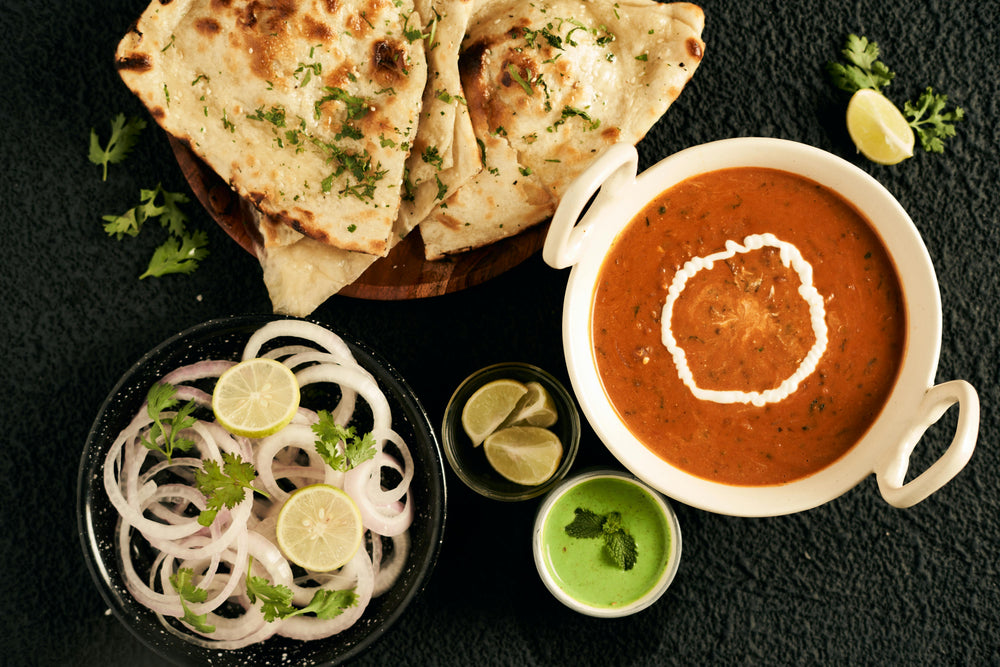
The aromatic warmth of a traditional meal in Jaipur brings a sense of communal joy and simple comfort to the table. Sharing these rich flavors and freshly baked naan is an invitation to slow down and savor the vibrant culinary heritage of India.
Credits: DHIRAJ JAIN
Local cuisine study in Jaipur, India

☕︎ Local Flavor

Jaipur Food Walk: Eat Just Like Locals

Rating: 5.0★ | Price: [$$] | Coordinates: 26.9197° N, 75.8267° E

Navigate the narrow sensory corridors of the old city to unearth the ancestral recipes that define Rajasthani street life. This curated journey explores the chemistry of spice and sugar within the 18th-century grid of Johri Bazar, focusing on the specific physical sensation of hand-pounded masalas and clay-pot chai. It serves as a vital archival link, preserving the lineage of family-run food stalls that have fed the city’s merchant class for generations.

View Entry Details

Heritage Walk & Street Food Tasting

Rating: 5.0★ | Price: [$$] | Coordinates: 26.9258° N, 75.8236° E

Descend into the gullies inhabited by the Thatheras, a community of metal beaters, to witness the rhythmic hammering of brass and copper. Ground yourself in the geometrically precise architecture of the city's entry gates while sampling the dense, savory depth of a kachori fried in traditional iron vats. The experience functions as a physical manuscript of Jaipur's craft heritage, documenting the transition from royal patronage to modern-day market survival.

View Entry Details

The Johri Jaipur

Rating: 4.5★ | Price: [$$$] | Coordinates: 26.9213° N, 75.8285° E

Discover the intersection of contemporary vegetarian refinement and historical opulence within this restored 19th-century haveli. The architecture utilizes reclaimed stone and intricate lime plasterwork to create a sanctuary of organic textures and muted, earthen tones. It is an anchor for the city's identity, proving that the ancestral "haveli" lifestyle can be successfully archived and translated for the modern global palate.

View Entry Details

Masala Chowk

Rating: 4.3★ | Price: [$] | Coordinates: 26.9095° N, 75.8192° E

Ascend the open-air steps of this communal culinary arena where the city’s most storied street food vendors are consolidated in one curated space. The air is thick with the scent of hot ghee and the distinct aroma of wood-fired earthen ovens, providing a high-fidelity overview of the region's diverse snack culture. This site is a vital piece of the city's puzzle, centralizing the scattered flavors of the Pink City into a single, democratic cultural archive.

View Entry Details

🛌︎ Boutique Stays

Rambagh Palace, Jaipur

Rating: 4.7★ | Price: [$$$$] | Coordinates: 26.8981° N, 75.8055° E

Inhabit the former residence of the Maharaja of Jaipur, a sprawling monument to Indo-Saracenic architectural ambition. The structure features marble jaali work, sandstone balustrades, and vast manicured lawns that have hosted centuries of diplomatic and royal lineage. It remains a physical manuscript of the Rajputana lifestyle, documenting the shift from sovereign power to world-class hospitality while preserving its archival grandeur.

View Entry Details

The Raj Palace by Small Luxury Hotels of The World

Rating: 4.5★ | Price: [$$$$] | Coordinates: 26.9365° N, 75.8340° E

Unearth the stratified history of this 1727 palace, which houses a private museum containing the regalia of the royal family. The interior is a sensory study in gold leaf, hand-painted murals, and heavy velvet drapery that echoes the atmosphere of the Mughal courts. This site is an anchor for the city’s northern entrance, acting as a guardian of the transition between the ancient Amer Fort and the planned city of Jaipur.

View Entry Details

Samode Haveli

Rating: 4.5★ | Price: [$$$] | Coordinates: 26.9351° N, 75.8354° E

Navigate the intricately frescoed corridors of this 225-year-old urban mansion, built for the noblemen of the Samode lineage. The architectural highlight is the Sheesh Mahal, a chamber of mirrors that reflects light in a thousand fractured patterns, illustrating the sophisticated optical engineering of the 19th century. It is a vital piece of the city's puzzle, preserving the domestic intimacy and aesthetic rigor of the traditional Rajasthani upper class.

View Entry Details

28 Kothi

Rating: 4.4★ | Price: [$$] | Coordinates: 26.9082° N, 75.7905° E

Discover a Zen-adventurous retreat in Civil Lines, where minimalist design principles meet the artisan crafts of Rajasthan. The property utilizes cool white marble and custom-designed textiles to create a physical sensation of stillness amidst the city's kinetic energy. This boutique stay documents the modern transition of Jaipur’s design language, blending historical motifs with a contemporary, grounded aesthetic.

View Entry Details

📍︎ Field Study

Amber Fort Private Tour with Skip-the-Line Entry

Rating: 4.8★ | Price: [$$] | Coordinates: 26.9855° N, 75.8513° E

Ascend the limestone and sandstone ramparts of this 16th-century fortress to study the seamless integration of Hindu and Mughal design. The high-fidelity details of the Ganesh Pol gate, with its vegetable-dye frescoes, provide a tactile manuscript of the era's artistic peak. This site is a vital archival anchor, documenting the defensive strategy and the luxurious lifestyle of the Kachwaha clan before they migrated to the valley below.

View Entry Details

City Palace & Jantar Mantar Architectural Study

Rating: 4.4★ | Price: [$$] | Coordinates: 26.9258° N, 75.8236° E

Navigate the royal residence and the adjacent astronomical observatory to witness the architectural ambition of Maharaja Sawai Jai Singh II. The Jantar Mantar's massive stone instruments represent a physical manuscript of medieval scientific thought, measuring time and celestial movements with startling precision. This excursion is an anchor for understanding the city's identity as a planned hub of enlightenment and intellectual curiosity.

View Entry Details

Panna Meena ka Kund & Stepwell Walking Tour

Rating: 5.0★ | Price: [$$] | Coordinates: 26.9892° N, 75.8539° E

Discover the mesmerizing symmetry of this 16th-century stepwell, where the zigzagging staircases create a geometric manuscript written in stone. Ground yourself in the engineering brilliance of ancient rainwater harvesting, feeling the temperature drop as you descend toward the deep, still waters. This site is a vital piece of the city's puzzle, documenting the essential relationship between architectural beauty and survival in the arid desert landscape.

View Entry Details

Jhalana Leopard Safari Park Tour

Rating: 4.7★ | Price: [$$] | Coordinates: 26.8667° N, 75.8333° E

Explore the rugged basalt and scrub-land periphery of the city to witness the leopards that have reclaimed this ancient hunting ground. This safari offers a physical sensation of the wild terrain that once isolated the Rajasthani kingdoms, preserving a lineage of flora and fauna within an urbanized context. It serves as a natural archive, documenting the resilience of the ecosystem that surrounds and protects the architectural heart of Jaipur.

View Entry Details

Typography

Archival Note: A formal technical study of Jaipur, India, archiving the coordinates, elevation, and environmental data that define the region. This data serves as a vital record for our ongoing global field study, providing the technical foundation behind every atmospheric detail captured in our visual work.

Botanical and pigment specimen study for Jaipur, India Colors of Jaipur, India
Coordinates
26.9124° N, 75.7873° E — Rajasthan, Thar Desert, northwest India
Historical Epoch
Founded in 1727 CE by Maharaja Sawai Jai Singh II as India's first planned city on a modified Vastu Shastra grid. Jantar Mantar observatory constructed in 1734. Painted pink for Prince Albert's visit in 1876. UNESCO inscription in 2019.
Elevation
430 m / 1,411 ft, planned Rajput capital on the edge of the Thar Desert
Atmosphere
Hot Semi-Arid (BSh). Hot dry season March through June exceeding 40°C, monsoon July through September, and cool clear winter October through February, the primary travel window with temperatures of 8–22°C.
Observation Hour
05:45–06:45. Sunrise light on the pink sandstone Hawa Mahal, the iron oxide in the Kota stone shifts from terracotta to gold in a 60-minute window before the heat of the day flattens the color.
Primary Pigment
Terracotta Pink (#E39384) and Royal Ochre (#E1A95F)
Best Time to Visit
October through March, the Thar Desert air is cool and dry, the Palace of Winds glows in perfect winter light, and the Ranthambore tigers are visible at water holes
Avoid Visiting
May through June, temperatures exceed 45°C across the Rajasthan plain, the pink sandstone radiates heat, and outdoor exploration becomes dangerous without shade

Behind The Scenes

Nathan

Note from the Founder

Hey, did you know this fun fact about Jaipur, India? Jaipur is known as the Pink City because the entire Old City was painted terracotta pink in 1876 to welcome the Prince of Wales, a color that symbolizes hospitality and still glows beautifully at sunset today.
Thank you for exploring the Jaipur, India series with us. We hope these notes have inspired you to add this incredible destination to your own passport—we are so glad you're here. — Nathan

Some of our Favorites