

The Real Jaipur
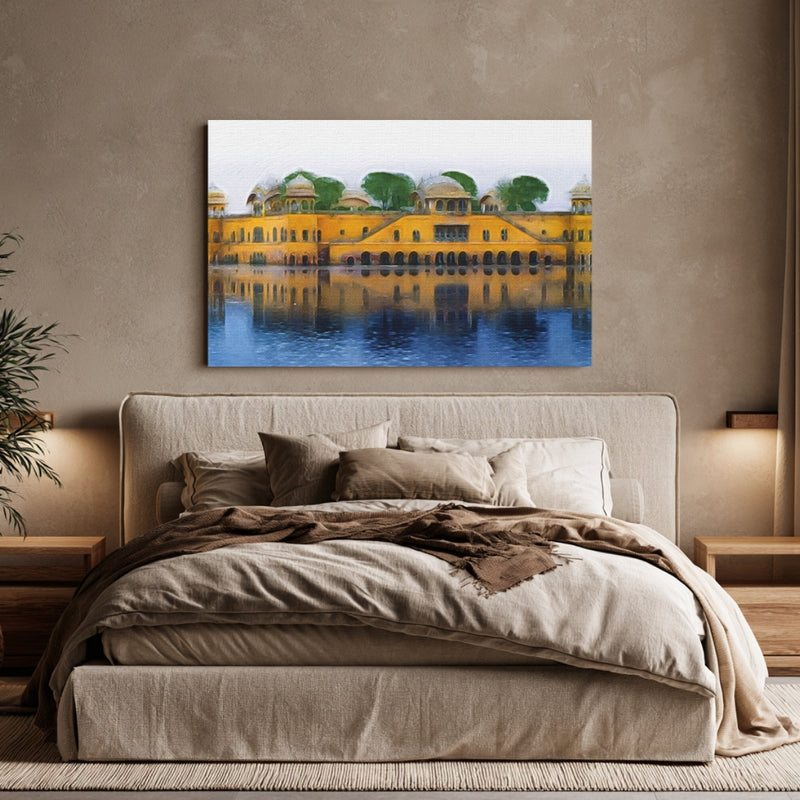
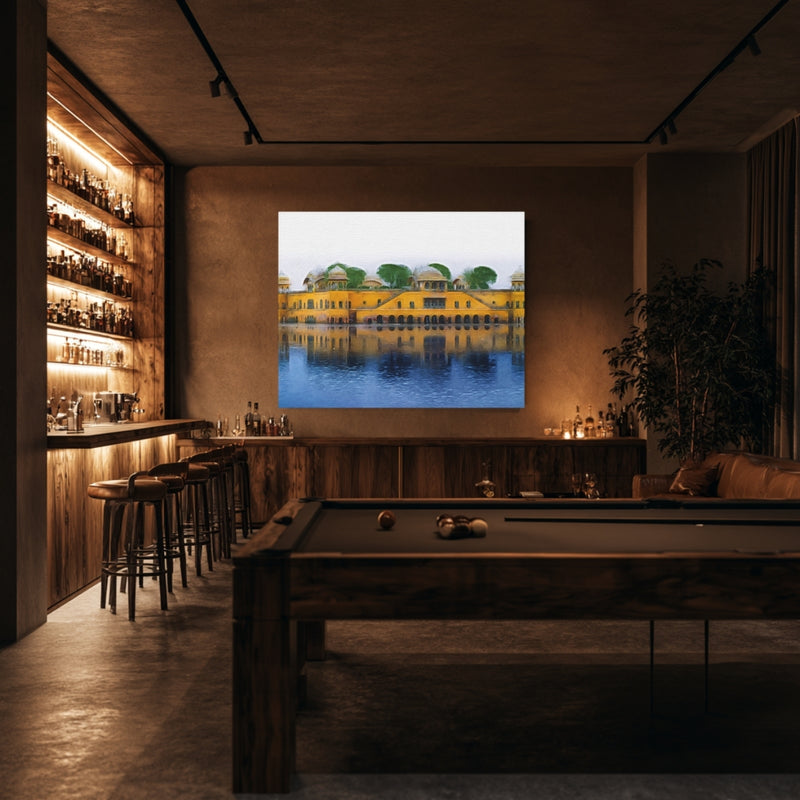
More than a shop, each page is an immersive guide to the real Jaipur: local tips and tricks, the language you'll hear, where to eat, stay, and explore, the lay of the land, and a fun fact to carry home — every canvas mapped to the very spot it was painted.
JAIPUR, INDIA | "The Pink City of the Desert"
Jaipur is the most visually extraordinary city in India, the capital of Rajasthan and the first planned city in the Indian subcontinent, built in 1727 CE by Maharaja Sawai Jai Singh II on a grid of nine rectangular sectors derived from ancient Hindu architectural texts, and painted entirely terracotta pink in 1876 to welcome the Prince of Wales in a gesture of hospitality that has defined the city's identity ever since. The Pink City, as the walled old city is known, contains the Hawa Mahal wind palace, the City Palace complex, the Jantar Mantar astronomical observatory (a UNESCO World Heritage Site), and the bazaars of Johari Bazaar and Bapu Bazaar where the jewelry, block-printed textiles, and blue pottery of the Rajput craft tradition are produced and sold in workshops that have operated continuously for three centuries.
The colors are the warm palette of Rajputana: the specific terracotta-pink of the sandstone facades that gives the old city its name, the brilliant blue of the Jaipuri pottery against the warm stone walls, the deep saffron and crimson of the textiles in the bazaars, and the extraordinary golden light of the Rajasthan afternoon when the desert sun falls at a low angle across the carved facades of the Hawa Mahal and every architectural detail is thrown into high relief.
We hope you love getting lost in Jaipur through the art above — and that one of these canvases finds a home on your wall. Happy travels, from all of us at The Painted Passport.