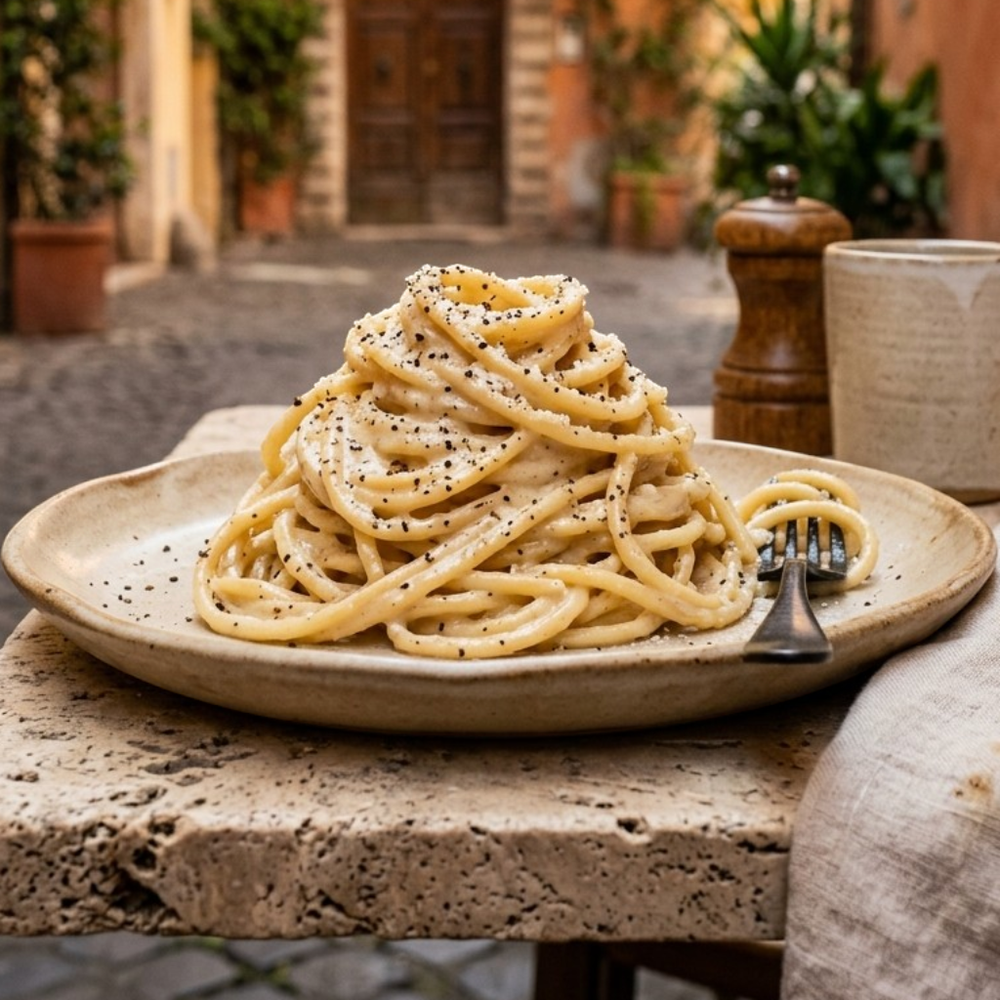
Local Cuisine Spotlight

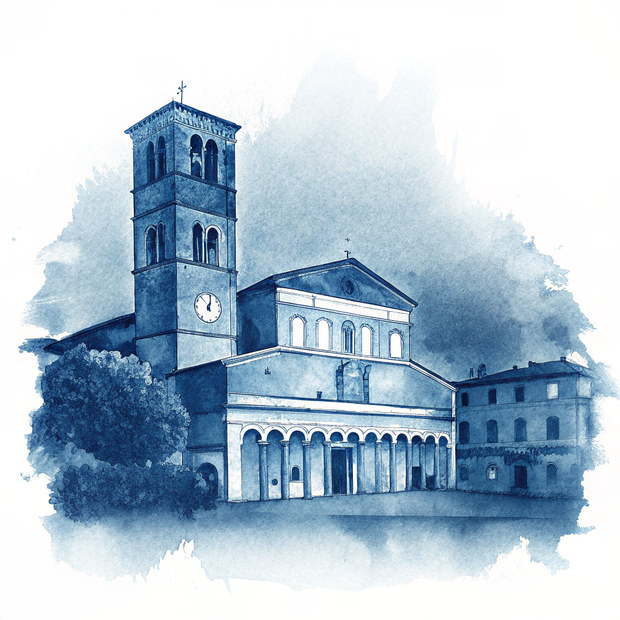
Now representing Trastevere — 1 original piece, each hand-crafted in watercolor.
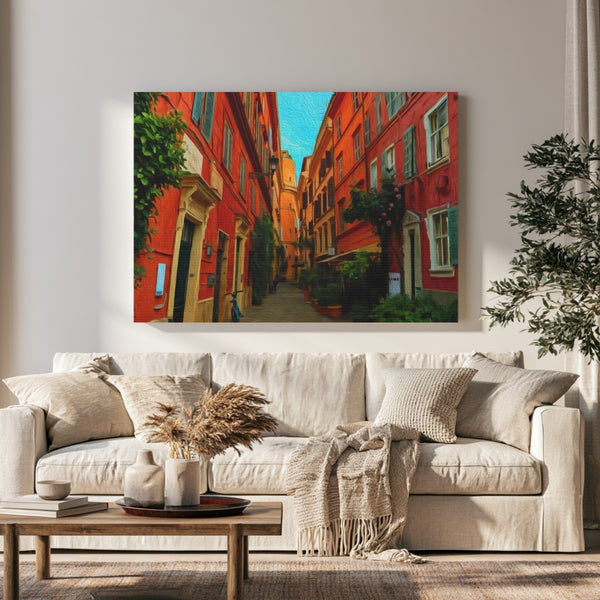
Across the Tiber from the grand imperial stage of the city, Trastevere has always done things its own way. Its name means simply 'beyond the Tiber,' and that geographic remove gave this neighborhood centuries to develop a personality that is warmer, louder, and more lived-in than anywhere else in Rome. Ochre and terracotta walls rise in the afternoon light like something slow-baked in a wood oven, their surfaces crumbling just enough to be beautiful. Laundry strings between windows above cobblestones worn silk-smooth by two thousand years of footsteps, and the smell of garlic softening in olive oil drifts out of trattorias that have been feeding the same kinds of hungry people since the Middle Ages. This is a neighborhood that has absorbed Jewish merchants, Syrian traders, and Sicilian fishermen, and it carries all of them still in its stones and its dialect.
Every canvas is painted from a real place. Explore the map to see exactly where each scene lives — and wander Trastevere the way a traveler would, one landmark at a time.
Keep Exploring
Archival Note: A curated field study of Trastevere, Rome, prioritizing the specific atmospheric stillness of the region. These artifacts have been meticulously sourced from our global archival partners to represent the area's unique cultural frequency and environmental character. This selection serves as a formal observation for our ongoing global archive, vetted for its visual accuracy and archival merit.


Archival Note: A curated field study of Trastevere, Rome, prioritizing cultural relevance and archival merit. These locations have been meticulously researched and vetted to ensure they represent the most authentic atmosphere for your own expedition.
Archival Note: A formal technical study of Trastevere, Rome, archiving the coordinates, elevation, and environmental data that define the region. This data serves as a vital record for our ongoing global field study, providing the technical foundation behind every atmospheric detail captured in our visual work.
 Colors of Trastevere, Rome

via / Yiannis Tsapanidis


