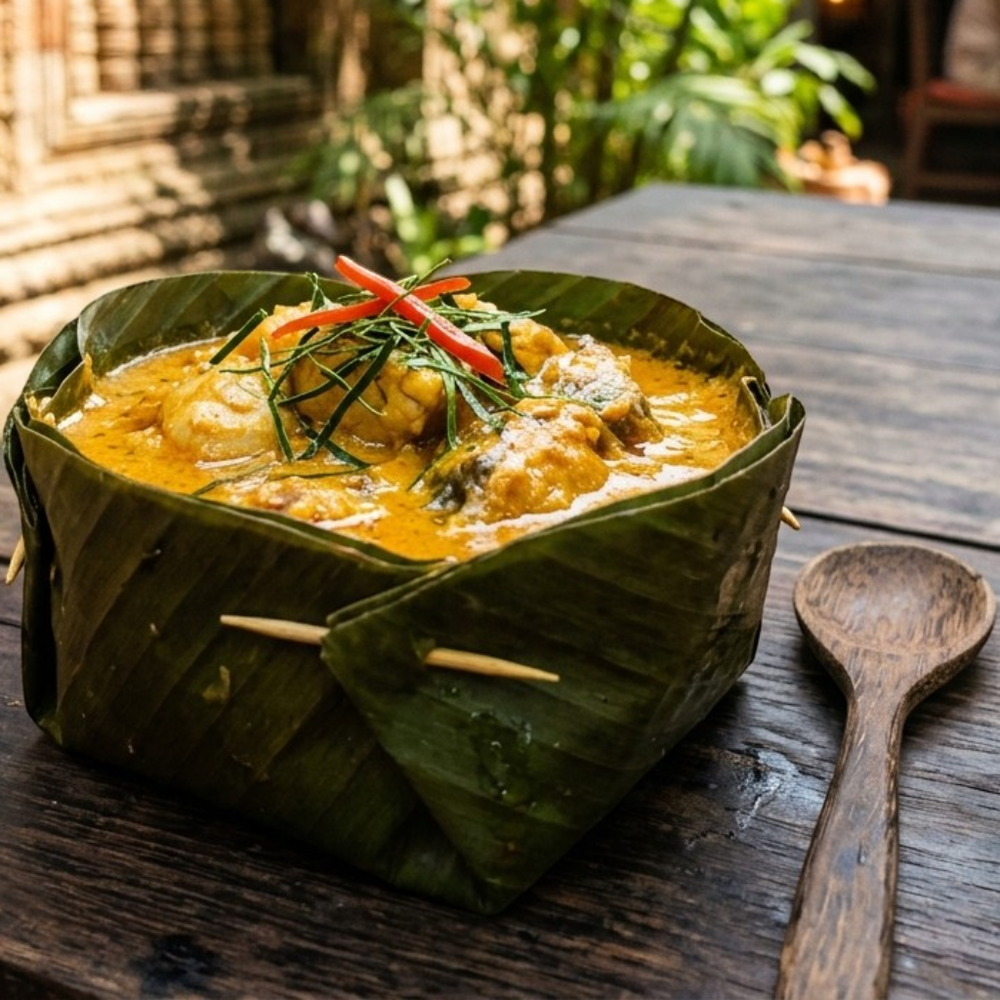
Local Cuisine Spotlight

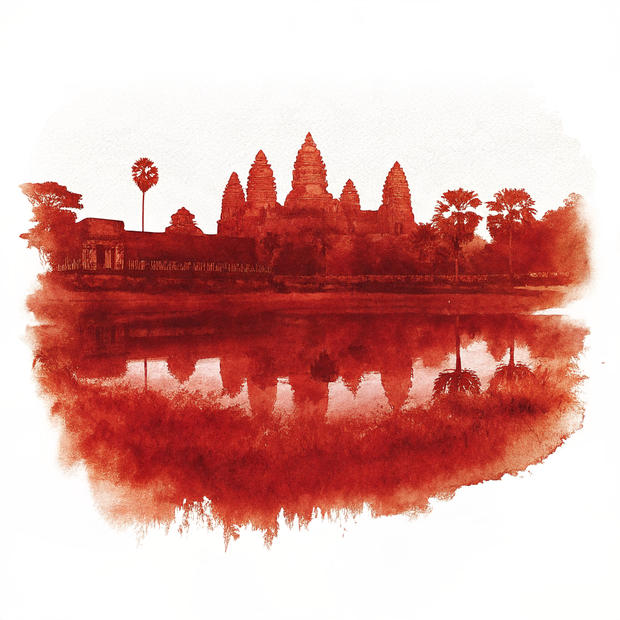
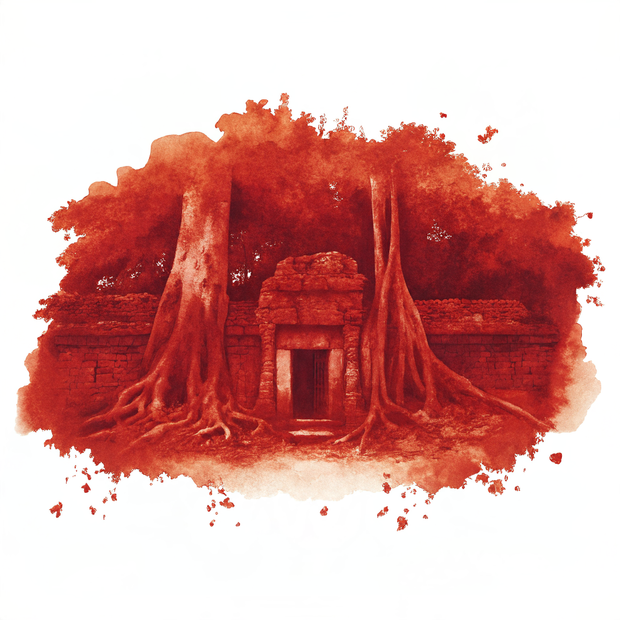
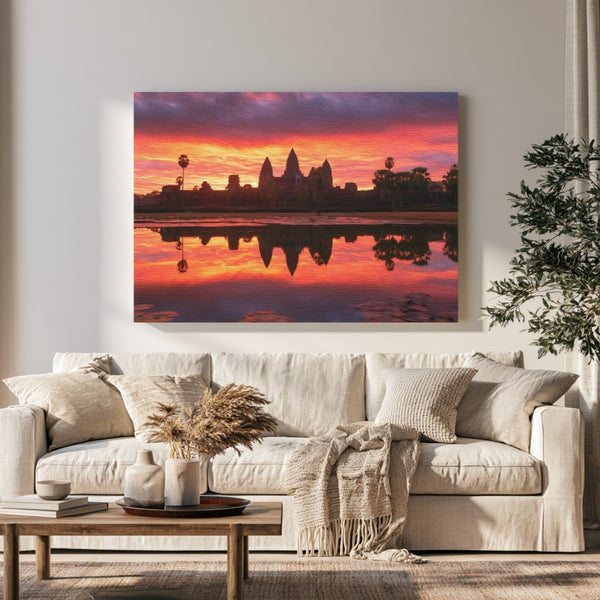
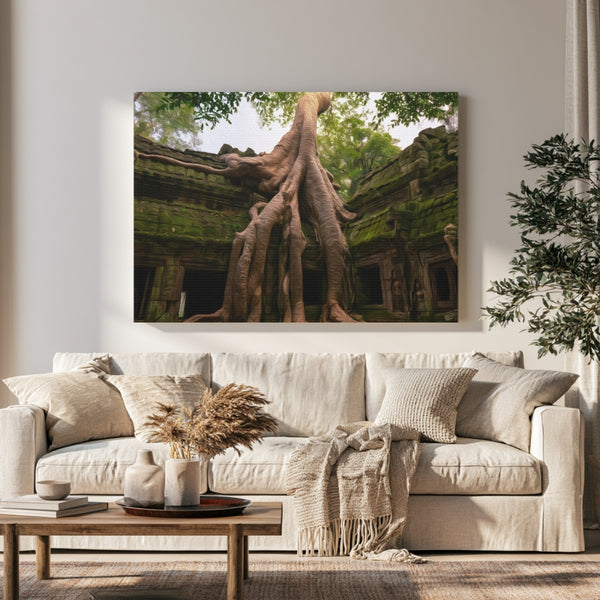
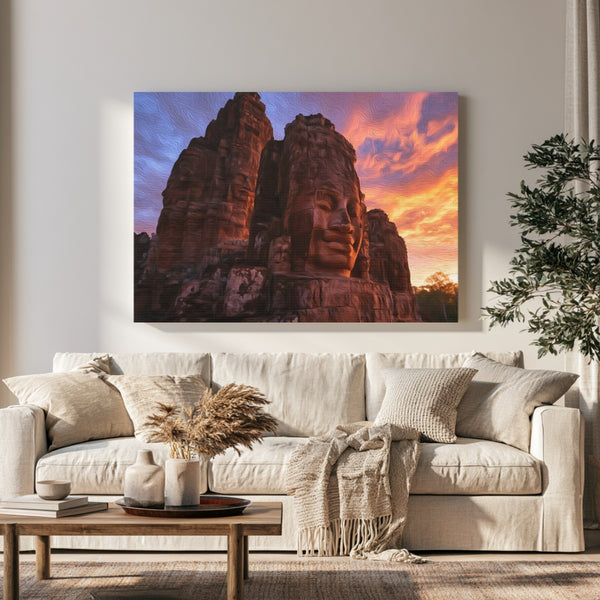
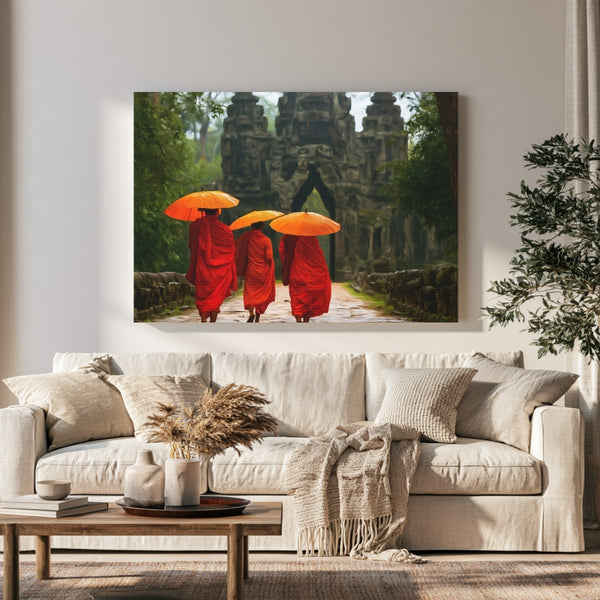
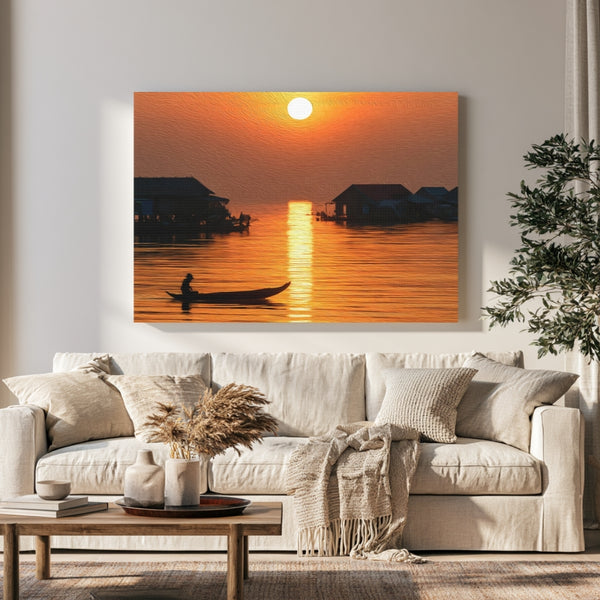
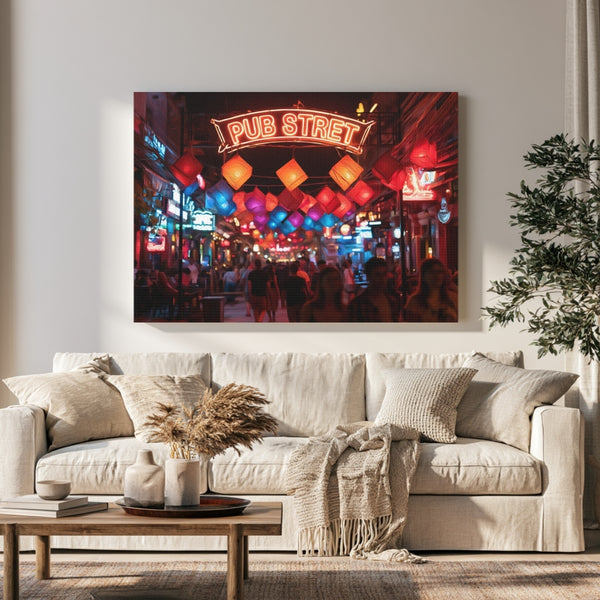
Now representing Siem Reap — 6 original pieces, each hand-crafted in watercolor.
Siem Reap sits at the edge of one of humanity's great achievements, a gateway town that has grown quietly wise from centuries of pilgrims, scholars, and wanderers passing through. The morning air carries incense from roadside shrines, and the golden hour drapes the sandstone temples in a warmth so specific it feels almost intentional, as if the ancient Khmer architects calculated exactly where the sun would land a thousand years later. The city itself is a layered thing, colonial French shophouses leaning into open-air markets, tuk-tuks weaving past monks in saffron robes, and the slow brown ribbon of the Siem Reap River reflecting a sky that changes mood by the hour. There is a gentleness to this place that surprises most visitors, a softness in the people and the pace that makes even a short stay feel quietly transformative.
Every canvas is painted from a real place. Explore the map to see exactly where each scene lives — and wander Siem Reap the way a traveler would, one landmark at a time.
Keep Exploring
The Painted Passport · Portrait Studio
Some places stay with you long after the trip ends. We reimagine your photo as an original painting in The Painted Passport style — the depth, texture, and brushwork an ordinary print could never capture — brought to life on gallery-grade canvas, made to order and shipped ready to hang. A one-of-a-kind piece of the places you love.
From $165.00 · custom artwork included
Choose any photo you love — straight from your phone or computer.
See how it looks on the wall, then pick the size that fits your space.
We turn your photo into a painting on canvas and send it right to your door.
Your Preview
Archival Note: A curated field study of Siem Reap, Cambodia, prioritizing the specific atmospheric stillness of the region. These artifacts have been meticulously sourced from our global archival partners to represent the area's unique cultural frequency and environmental character. This selection serves as a formal observation for our ongoing global archive, vetted for its visual accuracy and archival merit.


Archival Note: A curated field study of Siem Reap, Cambodia, prioritizing cultural relevance and archival merit. These locations have been meticulously researched and vetted to ensure they represent the most authentic atmosphere for your own expedition.
Archival Note: A formal technical study of Siem Reap, Cambodia, archiving the coordinates, elevation, and environmental data that define the region. This data serves as a vital record for our ongoing global field study, providing the technical foundation behind every atmospheric detail captured in our visual work.
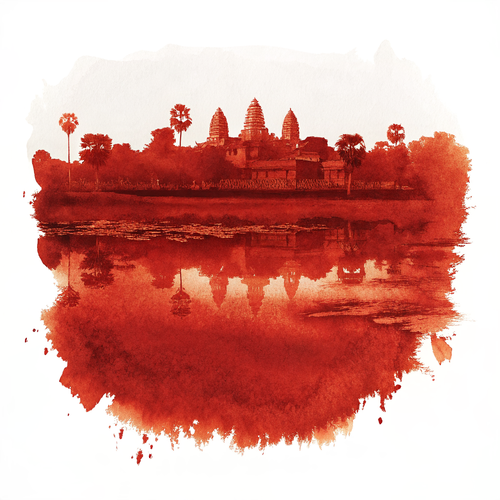
 Colors of Siem Reap, Cambodia

via / Vincent Gerbouin


