Shop the Collection

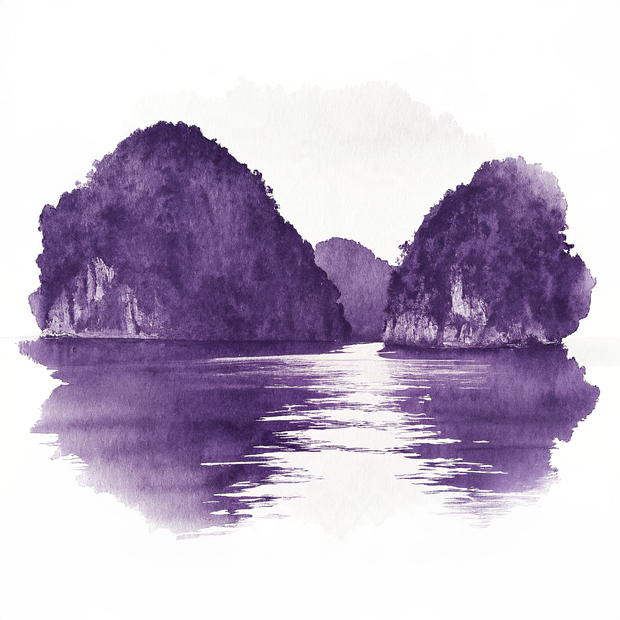
To help you build your own global archive, we've prepared this collection of watercolor studies from our research into Raja Ampat, Indonesia. These artifacts are designed to bring the stillness of this corner of the world into your home.

Original Series Decorative Magnet

A personal study of Raja Ampat, Indonesia, captured in high-fidelity watercolor and prepared for your collection.

Raja Ampat, Indonesia | Tropical Island Archipelago | Original Series Decorative Magnet
Add to Collection / $18
Exclusive Series Artifact

Original Series Gallery Canvas

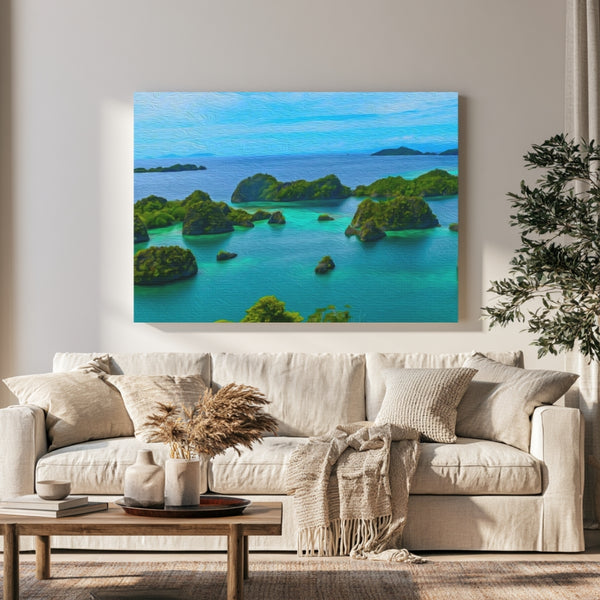
This high-fidelity canvas is a beautiful way to anchor a room and keep your memories of Raja Ampat, Indonesia fresh long after you've returned home.

Raja Ampat, Indonesia | Tropical Island Archipelago | Original Series Gallery Canvas detail Raja Ampat, Indonesia | Tropical Island Archipelago | Original Series Gallery Canvas detail Raja Ampat, Indonesia | Tropical Island Archipelago | Original Series Gallery Canvas detail Raja Ampat, Indonesia | Tropical Island Archipelago | Original Series Gallery Canvas detail
Add to Collection / $65

Original Series Hardboard Coaster

A personal study of Raja Ampat, Indonesia, captured in high-fidelity watercolor and prepared for your collection.

Raja Ampat, Indonesia | Tropical Island Archipelago | Original Series Hardboard Coaster
Add to Collection / $18
Exclusive Series Artifact

The Spirit of the Land

Archival Note: A curated field study of Raja Ampat, Indonesia, prioritizing the specific atmospheric stillness of the region. These artifacts have been meticulously sourced from our global archival partners to represent the area's unique cultural frequency and environmental character. This selection serves as a formal observation for our ongoing global archive, vetted for its visual accuracy and archival merit.

Raja Ampat, Indonesia study No. 01
Raja Ampat, Indonesia / 01 VIA / Andi saiful Sidik
The crystalline turquoise waters of Raja Ampat's lagoon shimmer with incredible clarity, revealing the shallow seabed beneath. Verdant limestone karsts rise dramatically from the sea, their dense jungle canopy creating a striking contrast against the brilliant blue sky dotted with white clouds. The late morning light bathes the entire seascape in warm, golden tones, illuminating every contour of this remote Indonesian paradise.
Raja Ampat, Indonesia study No. 02
Raja Ampat, Indonesia / 02 VIA / Andi saiful Sidik
The crystalline turquoise waters create an almost dreamlike quality, their clarity revealing sandy bottoms and underwater formations beneath. The dense tropical canopy cloaks the islands in vibrant greens, while brilliant sunlight dances across the water's surface, evoking a sense of pristine isolation and natural wonder. Standing here would immerse one in the profound quietude and breathtaking beauty of an untouched tropical paradise.
Raja Ampat, Indonesia study No. 03
Raja Ampat, Indonesia / 03 VIA / Andi saiful Sidik
This aerial photograph captures the pristine beauty of Raja Ampat's dual lagoon system, where emerald forests meet crystalline turquoise waters. The traditional wooden bungalows on stilts appear almost miniature against the vast natural landscape, serving as humble outposts of human habitation. Most viewers focus on the striking water colors, yet the intricate texture of the limestone cliff faces—weathered and moss-covered—reveals the ancient geological drama that shaped these islands.

Where to wander

Archival Note: A curated field study of Raja Ampat, Indonesia, prioritizing cultural relevance and archival merit. While we haven't touched down here yet, we've meticulously vetted these locations through our global network of contributors to ensure they represent the most authentic atmosphere for your own expedition.

Local Cuisine Spotlight
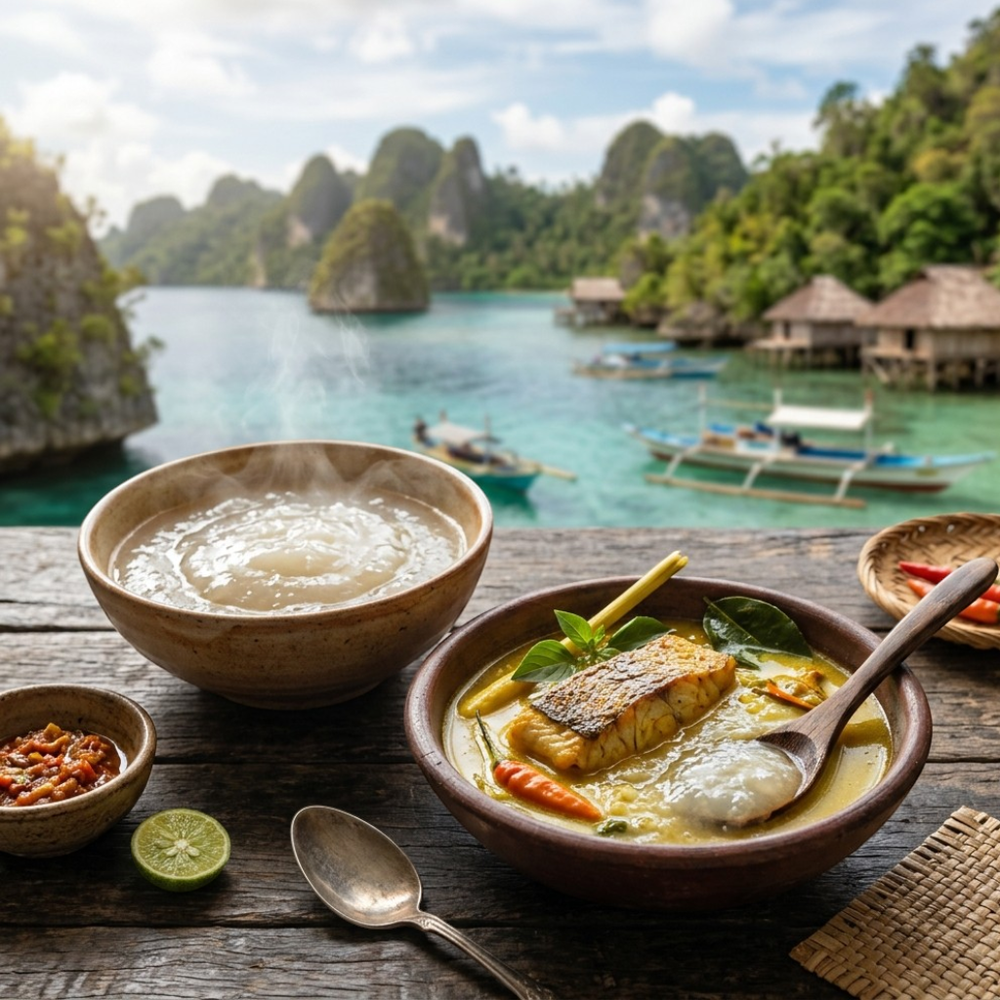
This warming fish soup captures the essence of Raja Ampat's coastal cuisine, with delicate white fish floating in a fragrant golden broth enriched with local spices and lime. Each spoonful delivers the pure flavors of the sea, elevated by fresh herbs and the region's signature cooking techniques. The dish embodies the islands' culinary tradition of simple, sustainable ingredients transformed into deeply satisfying meals.
Credits: THE PAINTED PASSPORT
Local cuisine study in Raja Ampat, Indonesia

☕︎ Local Flavor

Warung Bu Ida

Rating: 4* | Price: $ | Coordinates: -0.5833, 130.8333

This beloved little warung near Waisai's market serves some of the freshest grilled fish you will ever taste, caught that same morning by local fishermen. The sambal here is fiery and fragrant, made daily from fresh chilies and tomatoes pounded by hand in a stone mortar. Pull up a plastic chair, order the ikan bakar with steamed rice, and let the honest flavors of Papuan cooking win you over completely.

View Entry Details

Raja Ampat Biodiversity Eco Resort Restaurant

Rating: 5* | Price: $$$ | Coordinates: -0.4833, 130.5000

Dining here feels like eating inside a painting, with open-air tables overlooking a bay where phosphorescent plankton shimmer after dark. The kitchen emphasizes local ingredients, weaving fresh tuna, papaya, and coconut milk into dishes that feel both Indonesian and wonderfully inventive. The sunset dinner service is a ritual worth planning your entire day around, pairing beautifully prepared food with skies that defy description.

View Entry Details

Café Sorong at Hotel Aston

Rating: 4* | Price: $$ | Coordinates: -0.8833, 131.2500

Before departing from Sorong for Raja Ampat, this well-regarded café offers a solid introduction to regional flavors in a comfortable, air-conditioned setting. The papeda, a traditional Papuan sago porridge served with yellow fish soup, is prepared with authentic care and makes for a genuinely memorable breakfast. Friendly staff are happy to share tips about navigating the islands, making this a perfect first or last stop on your Raja Ampat adventure.

View Entry Details

Waisai Night Market

Rating: 4* | Price: $ | Coordinates: -0.5900, 130.8400

As the sun sets over the Raja Ampat capital, the night market comes alive with sizzling grills, clinking glasses, and the warm chatter of locals winding down their day. Vendors serve everything from grilled corn and fresh coconut to skewers of spiced goat meat and fried pisang goreng dusted with palm sugar. Eating here is less about fine dining and more about connecting with the rhythms and generosity of everyday Papuan life.

View Entry Details

🛌︎ Boutique Stays

Papua Paradise Eco Resort

Rating: 5* | Price: $$$$ | Coordinates: -0.4167, 130.3333

Perched on stilts above the glassy waters of Birie Island, this eco-resort offers overwater bungalows surrounded by untouched jungle and coral reefs. Wake up to manta rays gliding beneath your private deck as morning mist lifts off the islands. Every detail, from the bamboo interiors to the solar-powered lighting, reflects a deep respect for this extraordinary environment.

View Entry Details

Misool Eco Resort

Rating: 5* | Price: $$$$ | Coordinates: -2.0833, 130.0833

Nestled in the southern reaches of Raja Ampat, Misool is a conservation-driven retreat where luxury and purpose coexist beautifully. Thatched-roof bungalows sit at the edge of a private marine sanctuary protecting over 1,200 square kilometers of sea. Guests enjoy world-class diving alongside genuine efforts to preserve one of the planet's most biodiverse ocean ecosystems.

View Entry Details

Kri Eco Resort

Rating: 4* | Price: $$$ | Coordinates: -0.5500, 130.6833

One of Raja Ampat's original dive resorts, Kri sits beside a reef consistently ranked among the most biodiverse on Earth. Simple wooden cottages line the beach, offering honest comfort without pretension in one of the world's most spectacular settings. The dive team here is exceptionally knowledgeable, guiding you through jaw-dropping walls, channels, and technicolor coral gardens.

View Entry Details

Sorido Bay Resort

Rating: 4* | Price: $$$ | Coordinates: -0.5667, 130.7000

Located on Kri Island, Sorido Bay combines warm Indonesian hospitality with immediate access to legendary dive sites including Cape Kri and Sardine Reef. Comfortable bungalows blend into the tropical foliage, offering shaded verandas perfect for spotting hornbills between dives. The family-run atmosphere creates a genuine sense of belonging that keeps travelers returning year after year.

View Entry Details

📍︎ Field Study

Wayag Island Lagoon Viewpoint

Rating: 5* | Price: $$ | Coordinates: 0.1833, 130.0167

The climb to Wayag's summit is steep and sweaty, but the reward is one of the most photographed panoramas on the planet — a mosaic of emerald karst islands scattered across impossible shades of turquoise water. The hike takes roughly thirty minutes and is best done at sunrise before the heat becomes intense. Standing at the top, surrounded by absolute silence and staggering beauty, it becomes easy to understand why Raja Ampat inspires such fierce devotion in all who visit.

View Entry Details

Pianemo Viewpoint

Rating: 5* | Price: $$ | Coordinates: -0.3667, 130.3500

Often compared to Wayag but more easily accessible, Pianemo offers a similarly breathtaking perspective over mushroom-shaped limestone islands floating in crystal-clear lagoons. A short boardwalk trail leads to the summit, where you can linger as long as you like over the surreal, dreamlike seascape below. Snorkeling in the lagoon afterward reveals an underwater world of soft corals and darting reef fish that perfectly complements the view from above.

View Entry Details

Cape Kri Dive Site

Rating: 5* | Price: $$$ | Coordinates: -0.5500, 130.6667

Cape Kri holds a Guinness World Record for the greatest number of fish species recorded on a single dive — an astonishing 374 species counted in one session by renowned marine biologist Dr. Gerald Allen. Schooling barracuda, wobbegong sharks, and clouds of anthias swirl around dramatic coral-encrusted walls in an experience that feels genuinely other-worldly. Whether you are a seasoned diver or completing your first open-water dives, this site will likely become the benchmark against which every future dive is measured.

View Entry Details

Arborek Village

Rating: 4* | Price: $ | Coordinates: -0.5167, 130.5833

This small, welcoming village on a tiny island offers a rare and respectful window into traditional Papuan coastal life, where handwoven rattan crafts and hand-carved wooden boats are part of daily existence. The reef surrounding Arborek is shallow and incredibly rich, making it a snorkeling paradise accessible directly from the village jetty. Children here greet visitors with genuine enthusiasm, and the community's warmth leaves a lasting impression that no amount of dramatic scenery can quite replicate.

View Entry Details

Typography

Archival Note: A formal technical study of Raja Ampat, Indonesia—archiving the coordinates, elevation, and environmental data that define the region. This data serves as a vital record for our ongoing global field study, allowing us to reconstruct the regional atmosphere with archival precision before our physical arrival.

Botanical and pigment specimen study for Raja Ampat, Indonesia Colors of Raja Ampat, Indonesia
Coordinates
0.2333° S, 130.5167° E — Central Raja Ampat archipelago, West Papua province, eastern Indonesia
Historical Epoch
Raja Ampat was part of the Sultanate of Tidore's domain from the 15th century onward, a spice-trade crossroads connecting Papuan bird-of-paradise feathers and sea cucumbers to markets across Asia and Europe. Dutch colonial administration arrived in the 17th century but the islands' remoteness kept outside influence relatively shallow.
Elevation
0-1,000 m / 0-3,281 ft - Sea level reef systems rising to forested karst limestone peaks across the island interiors
Atmosphere
Af - Tropical Rainforest. Hot and humid year-round with no true dry season, afternoon rain showers are frequent but brief, and underwater visibility peaks in the dry season months.
Observation Hour
06:30 - Golden dawn light rakes low across the karst islands, turning the lagoon water a warm amber-green and casting long shadows across reef formations before the midday glare flattens the color.
Primary Pigment
Coral Reef Blush (#E8836A) and Coral Triangle Cerulean (#2A7FAF)
Best Time to Visit
October through April - Dry season brings calmer seas, stronger underwater visibility, and the best conditions for diving and island-hopping across the archipelago.
Avoid Visiting
June through August - Peak wet season brings rough swells and strong winds that can ground boats and reduce visibility both above and below water.

The Local Tongue

Language is the invisible architecture of Raja Ampat, Indonesia. These entries document the regional vocabulary—capturing the "texture" of local speech that standard translations often miss. Hand-curated expressions reflecting the specific spirit and daily rhythm of the region.
Archival study of Indonesian (Bahasa Indonesia) cultural texture

via / Ino

Primary Language Indonesian (Bahasa Indonesia)
Regional Dialect Papuan Malay (Melayu Papua), with local Raja Ampat Moi and Biak-Numfor languages spoken across island communities.

Bahari

Bahari means 'of the sea' or 'maritime,' carrying a poetic weight far beyond a simple directional description. In Raja Ampat, a fisherman calling the open water bahari is invoking an entire worldview, one where the ocean is home, livelihood, and spiritual territory all at once, sensed most keenly in the salt-heavy air before a dawn departure.

Sasi (Sasi)

Sasi refers to a traditional Papuan customary law that closes off certain reefs or forest areas to harvesting for a set period, allowing ecosystems to recover. Visitors snorkeling above a no-take zone can see its effect directly, in the density of fish hanging motionless in blue water, an underwater stillness that feels almost ceremonial and entirely earned.

Kampung

Kampung means village, but in the islands of Raja Ampat it describes something more intimate than a settlement. It is the smell of cooking fires drifting over water at dusk, the sound of children diving off wooden jetties, the specific social texture of a small community where every face is a familiar one and a stranger's arrival is genuinely noticed and welcomed.

Wait! before you go...

Before you head over to Raja Ampat, Indonesia, we’ve audited the essential data points for this corner of the world. These notes cover the logistics—from currency ratios to transit hubs—to help you navigate the landscape with clarity.
🚲 Getting Around Most visitors fly into Sorong city on the mainland and then take a speedboat or wooden ferry across to Waisai, the main gateway town on Waigeo Island. Journey times by boat range from 40 minutes to several hours depending on the destination island and sea conditions.
⚖️ Cash or Card Cash is essential across Raja Ampat. Most resorts on outer islands operate on a cash-only or partial-cash basis, and village warungs and local markets accept nothing else. Visitors should withdraw a generous supply of Indonesian Rupiah in Sorong before boarding any boat into the archipelago.
☁️ Good to Know Every visitor to Raja Ampat is required to pay a conservation entry fee, currently around 1,000,000 IDR per person, which directly funds reef protection and local ranger programs. Respecting no-take sasi zones, not touching coral, and hiring local guides rather than operators from outside the region are all considered genuine acts of respect rather than optional courtesies.
🏧 ATMs ATMs in Raja Ampat are limited to Waisai town and are not reliably stocked or functional. The last secure opportunity to withdraw sufficient Rupiah is in Sorong, where multiple bank ATMs serve international cards, and travelers should treat that stop as a mandatory cash run before heading into the islands.
💳 Currency The Indonesian Rupiah (IDR) is the sole currency used throughout Raja Ampat, and large denominations are common given the exchange rate. Visitors should familiarize themselves with the notes before arrival, as the difference between 50,000 IDR and 500,000 IDR is easy to confuse in an unfamiliar currency under the pressure of a market transaction.
🔌 Plugs Indonesia uses Type C and Type F outlets at 220V, 50Hz. A universal adapter is recommended as plug shapes vary between older and newer infrastructure across island resorts.
🛡️ Safety The sea conditions in Raja Ampat can change quickly, and strong currents run through many of the most celebrated dive and snorkel sites. Travelers should always dive or snorkel with a guide familiar with local tidal patterns, and solo water activities away from resort areas are strongly discouraged regardless of experience level.
✈️ Airports Domine Eduard Osok Airport (SOQ) in Sorong is the primary entry point for Raja Ampat, served by domestic flights from Jakarta, Makassar, and Manado. International visitors typically connect through Makassar Sultan Hasanuddin International Airport (UPG) or Soekarno-Hatta International Airport (CGK) in Jakarta.

Behind The Scenes

Nathan

Note from the Founder

Hey, did you know this fun fact about Raja Ampat, Indonesia? Raja Ampat contains roughly 75 percent of all known coral species on Earth and is home to more than 1,500 species of fish. The walking shark, found here and nowhere else, is a local icon that genuinely moves across the reef floor on its fins.
Thank you for exploring the Raja Ampat, Indonesia series with us. We hope these notes have inspired you to add this incredible destination to your own passport—we are so glad you're here. — Nathan

Some of our Favorites