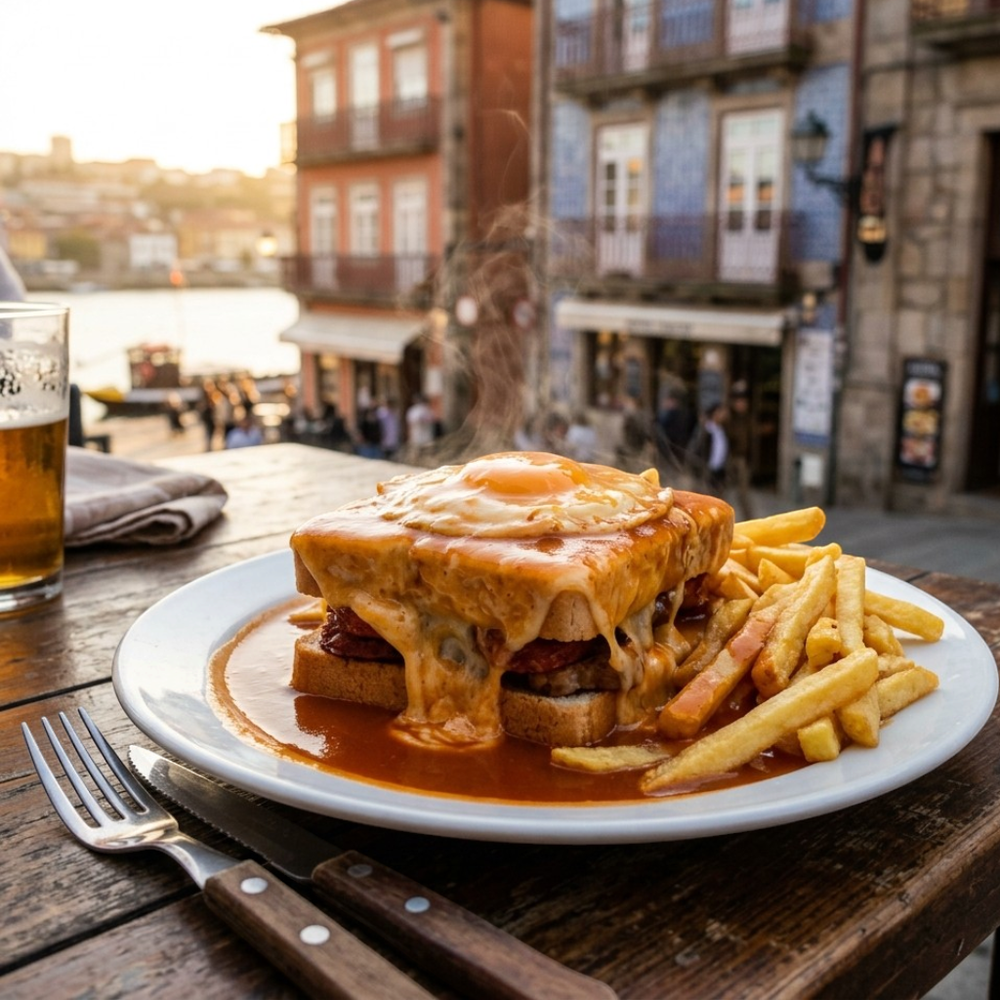
Local Cuisine Spotlight

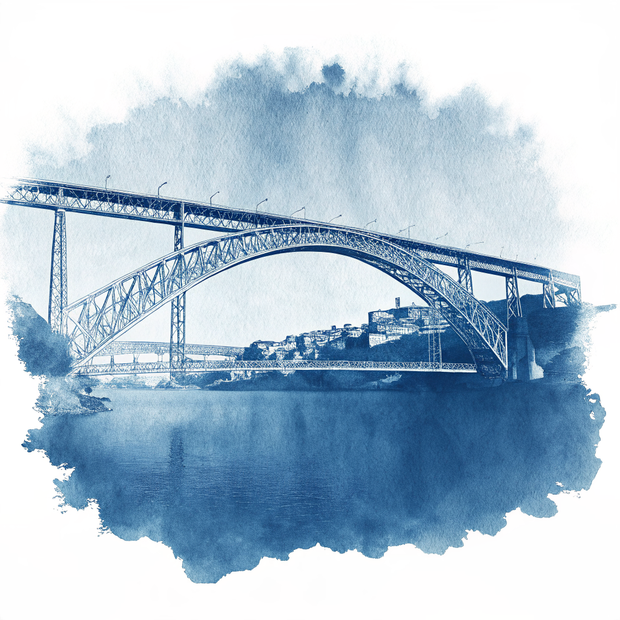
Now representing Porto — 1 original piece, each hand-crafted in watercolor.
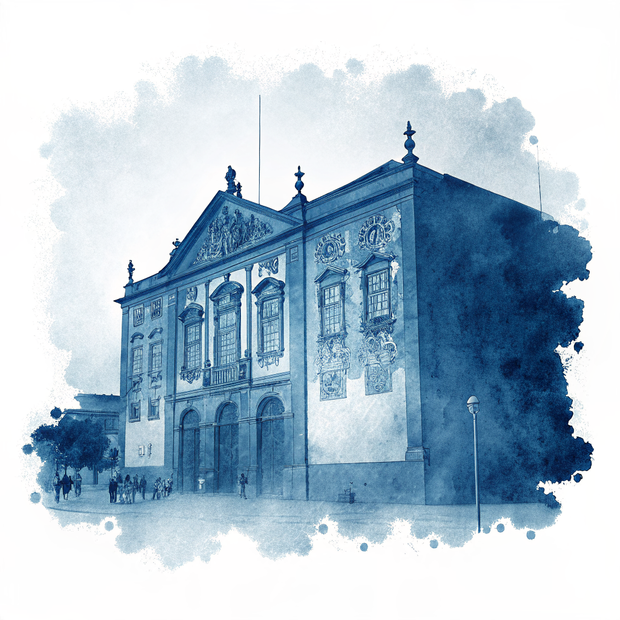
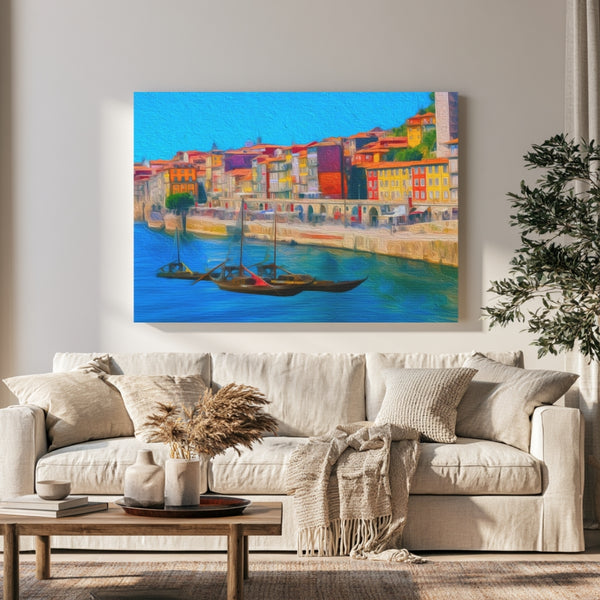
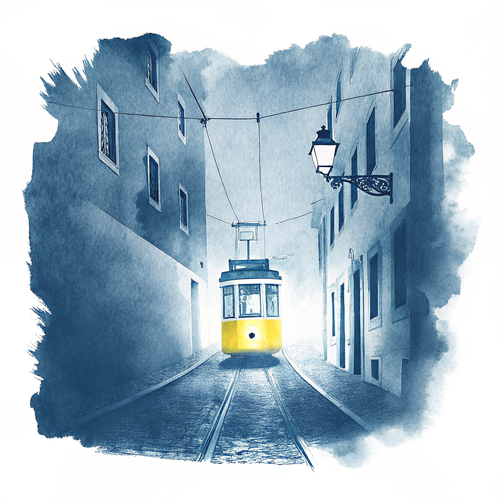
Porto sits above the Douro like a city that has been slowly gilded by centuries of salt air, port wine, and Atlantic light. Its hillside neighborhoods tumble down in layers of terracotta and azulejo tile, each facade telling a different chapter of a story that stretches back through Moorish occupation, Age of Discovery glory, and the quiet resilience of a working port city that never lost its soul. The light here arrives sideways in the late afternoon, turning the limestone facades of Ribeira a deep amber that no photograph ever quite captures. This is a city that rewards wandering over planning, where the best discoveries tend to happen on stairways that are not on any map.
Every canvas is painted from a real place. Explore the map to see exactly where each scene lives — and wander Porto the way a traveler would, one landmark at a time.
Keep Exploring
Archival Note: A curated field study of Porto, Portugal, prioritizing the specific atmospheric stillness of the region. These artifacts have been meticulously sourced from our global archival partners to represent the area's unique cultural frequency and environmental character. This selection serves as a formal observation for our ongoing global archive, vetted for its visual accuracy and archival merit.


Archival Note: A curated field study of Porto, Portugal, prioritizing cultural relevance and archival merit. These locations have been meticulously researched and vetted to ensure they represent the most authentic atmosphere for your own expedition.
Archival Note: A formal technical study of Porto, Portugal, archiving the coordinates, elevation, and environmental data that define the region. This data serves as a vital record for our ongoing global field study, providing the technical foundation behind every atmospheric detail captured in our visual work.
 Colors of Porto, Portugal

via / Uiliam Nörnberg


