Shop the Collection

To help you build your own global archive, we've prepared this collection of watercolor studies from our research into Okinawa, Japan. These artifacts are designed to bring the stillness of this corner of the world into your home.

Original Series Decorative Magnet

A personal study of Okinawa, Japan, captured in high-fidelity watercolor and prepared for your collection.

Okinawa, Japan | Kokusai Street Palm Boulevard | Original Series Decorative Magnet
Add to Collection / $18
Exclusive Series Artifact

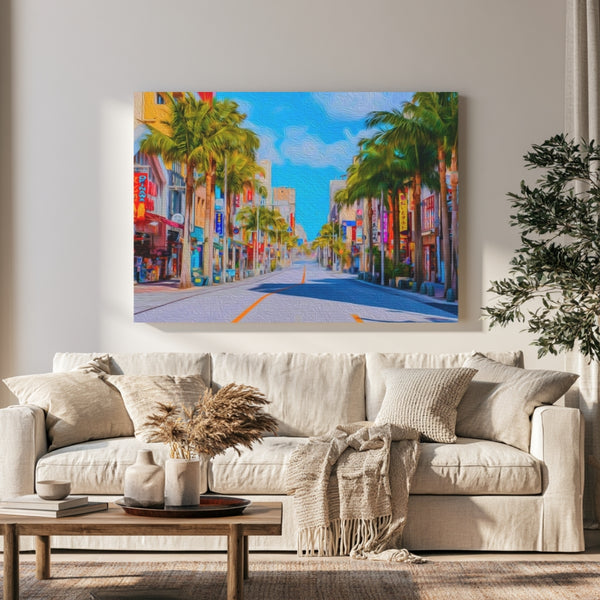
Original Series Gallery Canvas

This high-fidelity canvas is a beautiful way to anchor a room and keep your memories of Okinawa, Japan fresh long after you've returned home.

Okinawa, Japan | Kokusai Street Palm Boulevard | Original Series Gallery Canvas detail Okinawa, Japan | Kokusai Street Palm Boulevard | Original Series Gallery Canvas detail Okinawa, Japan | Kokusai Street Palm Boulevard | Original Series Gallery Canvas detail Okinawa, Japan | Kokusai Street Palm Boulevard | Original Series Gallery Canvas detail
Add to Collection / $65

Original Series Hardboard Coaster

A personal study of Okinawa, Japan, captured in high-fidelity watercolor and prepared for your collection.

Okinawa, Japan | Kokusai Street Palm Boulevard | Original Series Hardboard Coaster
Add to Collection / $18
Exclusive Series Artifact

The Spirit of the Land

Archival Note: A curated field study of Okinawa, Japan, prioritizing the specific atmospheric stillness of the region. These artifacts have been meticulously sourced from our global archival partners to represent the area's unique cultural frequency and environmental character. This selection serves as a formal observation for our ongoing global archive, vetted for its visual accuracy and archival merit.

Okinawa, Japan study No. 01
Okinawa, Japan / 01 VIA / chiachi chuang
Afternoon light catches the warm terracotta roof tiles of this Ryukyuan-style structure, deepening the contrast against the vivid blue sky. Stone balustrades line the wide staircase, worn smooth in the way only years of footsteps can manage. The layered eaves and carved ornamental details speak quietly to a craftsmanship that feels unhurried and deliberate.
Okinawa, Japan study No. 02
Okinawa, Japan / 02 VIA / Skyler Sion
A lone lighthouse stands sentinel on the rugged coral cliffs of Okinawa's coastline, bathed in the ethereal backlight of a stormy sunset. The heavy, layered clouds glow with muted gold and rose while the sea below reflects a steely calm, creating a tension between turbulence above and stillness below. A visitor standing here would feel the salt wind, the vastness of the Pacific stretching endlessly westward, and the quiet power of a structure built to outlast every storm.
Okinawa, Japan study No. 03
Okinawa, Japan / 03 VIA / Ryutaro Tsukata
A lone traveler might pause here to notice how the Orion Beer lanterns cast a warm amber wash across the weathered wooden facades of these izakayas. The cracked concrete underfoot reflects the lantern glow in subtle pools of orange light, grounding the scene in quiet realism beneath the festive signage. Most eyes drift upward to the lanterns, missing the small glowing screen sitting alone on the alley floor mid-distance, a ghost of modern life in an otherwise timeless corridor.

Where to wander

Archival Note: A curated field study of Okinawa, Japan, prioritizing cultural relevance and archival merit. While we haven't touched down here yet, we've meticulously vetted these locations through our global network of contributors to ensure they represent the most authentic atmosphere for your own expedition.

Local Cuisine Spotlight
Okinawa soba is the soul of the island in a bowl — thick, chewy wheat noodles swimming in a golden pork-and-bonito broth, topped with melt-tender braised pork belly, pickled red ginger, and fresh scallions. Each bite offers a deeply savory warmth that has comforted locals for centuries.
Credits: THE PAINTED PASSPORT
Local cuisine study in Okinawa, Japan

☕︎ Local Flavor

Yunangi

Rating: 5* | Price: $$ | Coordinates: 26.2171° N, 127.6811° E

Tucked inside a beautifully preserved traditional house in Naha, Yunangi is the perfect introduction to authentic Okinawan home cooking. Order the champuru stir-fry and rafute braised pork belly for a deeply satisfying, soulful meal. The cozy, lantern-lit interior and genuinely warm staff make every visit feel like dining with family.

View Entry Details

Helios Pub & Brewery

Rating: 4* | Price: $$ | Coordinates: 26.3341° N, 127.8001° E

Helios Pub is Okinawa's most beloved craft brewery, pouring award-winning ales brewed with local tropical fruits and island ingredients. The laid-back outdoor terrace is perfect for sipping a guava wheat ale as the warm ocean breeze rolls in. Their hearty island-inspired food menu pairs beautifully with every seasonal brew on tap.

View Entry Details

Sōra

Rating: 5* | Price: $$$$ | Coordinates: 26.2191° N, 127.6881° E

Sōra delivers a breathtaking fine-dining experience that weaves together Okinawan ingredients with refined French culinary technique. Every course tells a story of the island's rich agricultural heritage, from sea grapes to Okinawan black pork. The intimate setting and meticulous presentation make this a must for anyone seeking an extraordinary evening out.

View Entry Details

Makishi Public Market

Rating: 4* | Price: $ | Coordinates: 26.2161° N, 127.6841° E

Known lovingly as Naha's kitchen, Makishi Market is a sensory wonderland bursting with colorful tropical fish, exotic produce, and Okinawan delicacies. Buy fresh fish downstairs and take it up to one of the second-floor restaurants where chefs will cook it to your liking. It's chaotic, lively, and completely irresistible for curious food lovers.

View Entry Details

🛌︎ Boutique Stays

Halekulani Okinawa

Rating: 5* | Price: $$$$ | Coordinates: 26.4281° N, 127.7731° E

Perched along the stunning Nakagusuku Bay, Halekulani Okinawa offers breathtaking ocean views from every luxurious room. The infinity pools seem to melt into the turquoise sea, creating an unforgettable visual experience. Impeccable Japanese hospitality and world-class dining make this a truly transformative coastal retreat.

View Entry Details

The Busena Terrace Beach Resort

Rating: 5* | Price: $$$$ | Coordinates: 26.5281° N, 127.9371° E

Nestled on the lush Busena Cape, this beloved resort wraps guests in warm Ryukyuan charm and pristine natural beauty. Private beach access and glass-bottom boat tours bring Okinawa's legendary coral reefs right to your doorstep. The elegant rooms blend tropical warmth with refined comfort for a truly memorable stay.

View Entry Details

Rizzan Sea-Park Hotel Tancha-Bay

Rating: 4* | Price: $$$ | Coordinates: 26.4701° N, 127.7951° E

This cheerful beachfront hotel sits along one of Okinawa's most beloved sandy shores, ideal for families and couples alike. Snorkeling equipment is available right on site, letting you explore vibrant coral gardens just steps from your room. The casual, friendly atmosphere captures the relaxed island spirit Okinawa is so famous for.

View Entry Details

Kanucha Bay Hotel & Villas

Rating: 5* | Price: $$$$ | Coordinates: 26.6841° N, 128.0221° E

Spread across a lush 250-acre resort in northern Okinawa, Kanucha Bay offers a peaceful sanctuary far from the crowds. Golf courses, kayaking, and nature walks fill your days with gentle adventure surrounded by emerald hills. As night falls, the resort's outdoor restaurants serve fresh Okinawan seafood under a canopy of glittering stars.

View Entry Details

📍︎ Field Study

Shuri Castle

Rating: 5* | Price: $ | Coordinates: 26.2169° N, 127.7191° E

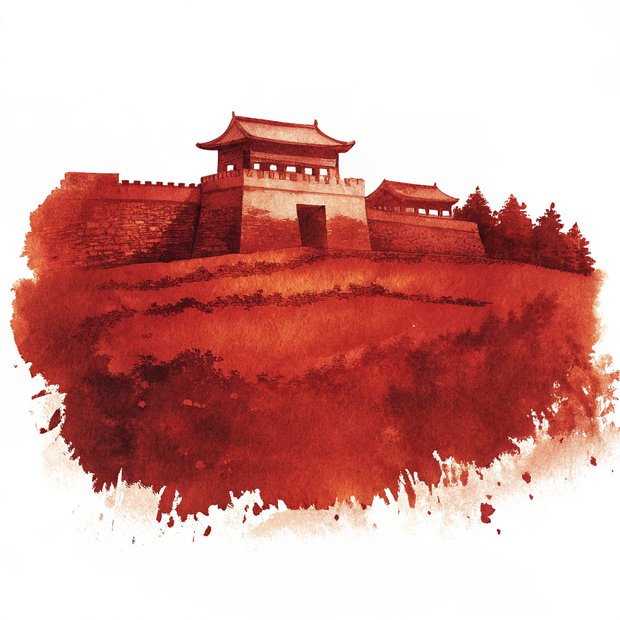
The magnificent Shuri Castle served as the royal palace of the Ryukyu Kingdom for centuries and remains Okinawa's most iconic landmark. Its vivid vermilion walls and distinctive Chinese-influenced architecture tell the fascinating story of a once-independent island kingdom. A visit at dusk, when the stone paths glow golden, is an experience you will carry with you forever.

View Entry Details

Cape Manzamo

Rating: 5* | Price: Free | Coordinates: 26.4991° N, 127.7471° E

Cape Manzamo is one of Okinawa's most spectacular natural wonders, where dramatic limestone cliffs plunge into brilliantly turquoise waters below. The famous elephant-trunk rock formation has been sculpted by centuries of wind and waves into an almost magical silhouette. Walking the clifftop path at golden hour, with the breeze carrying the scent of salt, is pure island bliss.

View Entry Details

Churaumi Aquarium

Rating: 5* | Price: $$ | Coordinates: 26.6941° N, 127.8781° E

The Churaumi Aquarium is home to one of the world's largest acrylic panels, behind which whale sharks and manta rays glide in mesmerizing slow motion. Children and adults alike press their faces against the glass in wide-eyed wonder at Okinawa's extraordinary marine biodiversity. Surrounded by the beautiful Ocean Expo Park, a full day here barely scratches the surface of everything to experience.

View Entry Details

Nakagusuku Castle Ruins

Rating: 5* | Price: $ | Coordinates: 26.2731° N, 127.8001° E

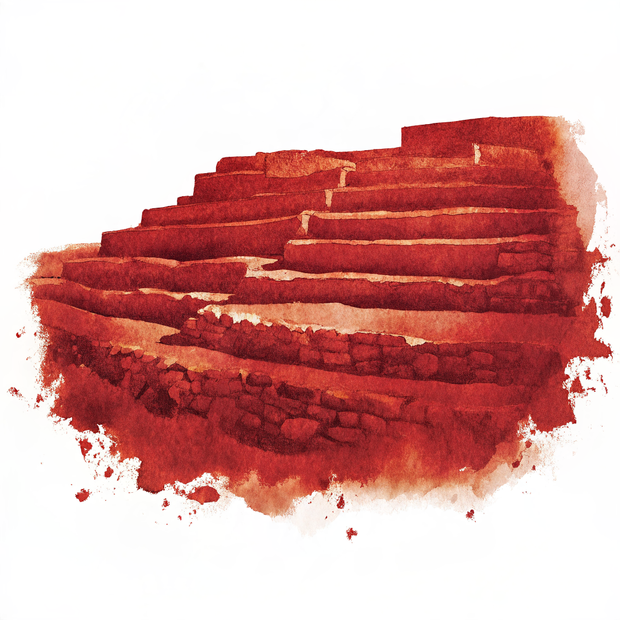
These hauntingly beautiful castle ruins sit high on a forested ridge, offering sweeping panoramic views across Okinawa's eastern coastline and shimmering sea. Built in the 15th century, the intricate dry-stone walls stand as a remarkable testament to the ingenuity of the ancient Ryukyu craftsmen. Wandering through the moss-covered archways surrounded by birdsong and sea wind is a deeply peaceful and moving experience.

View Entry Details

Typography

Archival Note: A formal technical study of Okinawa, Japan—archiving the coordinates, elevation, and environmental data that define the region. This data serves as a vital record for our ongoing global field study, allowing us to reconstruct the regional atmosphere with archival precision before our physical arrival.

Botanical and pigment specimen study for Okinawa, Japan Colors of Okinawa, Japan
Coordinates
26.2124° N, 127.6809° E — Naha City, Okinawa Island, southwestern Japan
Historical Epoch
The Ryukyu Kingdom flourished from 1429 to 1879, building a maritime trading empire that connected East and Southeast Asia. Shuri Castle stood as its ceremonial and political heart before Japan annexed the islands.
Elevation
0-503 m / 0-1,650 ft - Okinawa Island is low-lying with coastal plains and gentle central hills, the highest point being Yonaha-dake on the central ridge
Atmosphere
Cfa - Humid Subtropical. Hot, humid summers with a typhoon season from June to October and mild winters that rarely dip below 15C, keeping the island lush year-round.
Observation Hour
06:30 - Golden morning light reflects off the East China Sea before haze builds, casting the coral shoreline and castle stones in warm amber. Shadows are long and the air still carries overnight coolness.
Primary Pigment
Ryukyu Turquoise (#3DBFB8) and Castle Terracotta (#C4613A)
Best Time to Visit
March through May - Cherry blossoms bloom early, the ocean is warming, humidity is manageable, and typhoon season has not yet arrived.
Avoid Visiting
August through September - Peak typhoon season brings heavy rain and powerful storms that can ground flights and shutter attractions for days at a time.

The Local Tongue

Language is the invisible architecture of Okinawa, Japan. These entries document the regional vocabulary—capturing the "texture" of local speech that standard translations often miss. Hand-curated expressions reflecting the specific spirit and daily rhythm of the region.
Archival study of Japanese cultural texture

via / Alex Dos Santos

Primary Language Japanese
Regional Dialect Okinawan Japanese (Uchinaa-Yamatuguchi), with traditional Ryukyuan (Uchinaaguchi) still spoken by elders and in cultural contexts

Nuchi du takara (ぬちどぅたから)

Nuchi du takara means life is the greatest treasure. This Okinawan proverb is the quiet backbone of a longevity culture where centenarians tend garden plots at dawn and neighbors share bitter melon from the vine without being asked.

Ichariba chode (いちゃりばちょーでー)

Ichariba chode means once we meet, we are family. Strangers who share a table at Makishi Public Market or shelter together under an awning during a sudden subtropical downpour often part having exchanged phone numbers and standing invitations to visit.

Uchinanchu (うちなーんちゅ)

Uchinanchu means a person of Okinawa, distinct from Yamatonchu, meaning mainland Japanese. The word carries quiet pride in a heritage shaped by the sea trade routes of the Ryukyu Kingdom rather than the samurai culture of the north.

Wait! before you go...

Before you head over to Okinawa, Japan, we’ve audited the essential data points for this corner of the world. These notes cover the logistics—from currency ratios to transit hubs—to help you navigate the landscape with clarity.
🚲 Getting Around Okinawa has a single monorail line, the Yui Rail, connecting Naha Airport to Shuri through central Naha. For exploring the rest of the island, renting a car or using highway buses and taxis is the most practical and flexible approach.
⚖️ Cash or Card Cash remains strongly preferred across Okinawa, particularly at local restaurants, markets, and smaller guesthouses. Cards are accepted at larger resorts and chain stores, but carrying a reasonable amount of yen at all times avoids any awkward moments.
☁️ Good to Know Shoes are removed before entering most traditional spaces, private homes, and many local restaurants, so slip-on footwear makes the day significantly smoother. Speaking even a few words of Japanese or attempting a greeting in Uchinaaguchi is received with genuine warmth and often prompts an outpouring of hospitality.
🏧 ATMs 7-Eleven and Japan Post ATMs are the most reliably international-card-friendly machines on the island, and both are found throughout Naha and in most resort towns. It is worth withdrawing a comfortable amount in one visit, as rural northern areas have fewer ATM options and some machines have daily withdrawal limits.
💳 Currency The currency is the Japanese Yen (JPY), and notes come in 1,000, 5,000, and 10,000 denominations that quickly become familiar. Coins are used far more actively in Japan than in many countries, so keeping a coin purse helps manage the satisfying accumulation of 100 and 500 yen pieces.
🔌 Plugs Japan uses Type A flat two-pin outlets at 100V, 50/60Hz. Most devices from North America work without an adapter, but European and Australian travelers will need one.
🛡️ Safety Okinawa is extremely safe by any global standard, with low crime and a culture of looking out for strangers. The primary seasonal concern is typhoons between July and September, and visitors should monitor Japan Meteorological Agency alerts and follow hotel guidance if a storm approaches.
✈️ Airports Naha Airport (OKA) is Okinawa's primary international and domestic gateway, handling direct flights from mainland Japan, Taiwan, South Korea, and select Southeast Asian cities. Ishigaki Airport (ISG) and Miyako Airport (MMY) serve the outer Ryukyu islands and are reachable via short domestic hops from Naha.

Behind The Scenes

Nathan

Note from the Founder

Hey, did you know this fun fact about Okinawa, Japan? Okinawa is home to one of the world's five Blue Zones, regions where people regularly live past 100. Researchers attribute longevity to a diet rich in purple sweet potato, tofu, and bitter melon, alongside a strong sense of community purpose known as ikigai.
Thank you for exploring the Okinawa, Japan series with us. We hope these notes have inspired you to add this incredible destination to your own passport—we are so glad you're here. — Nathan

Some of our Favorites