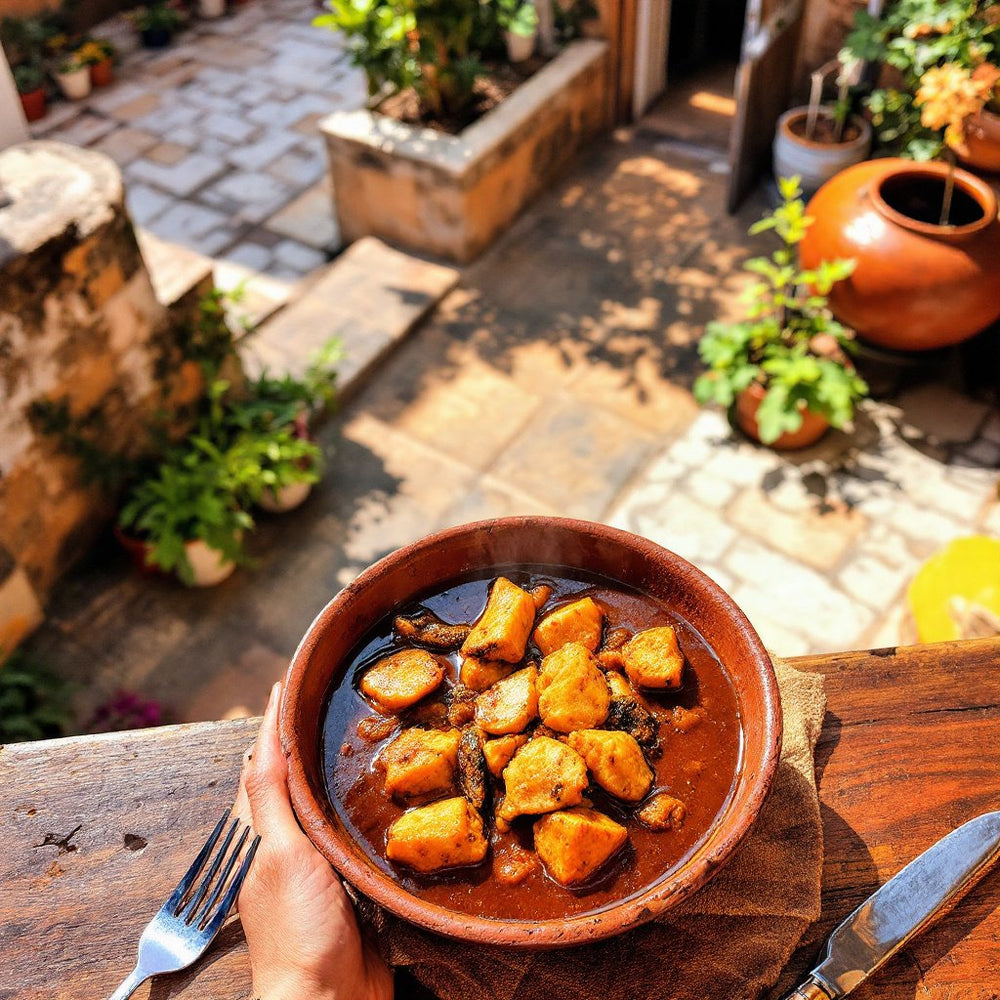
Local Cuisine Spotlight

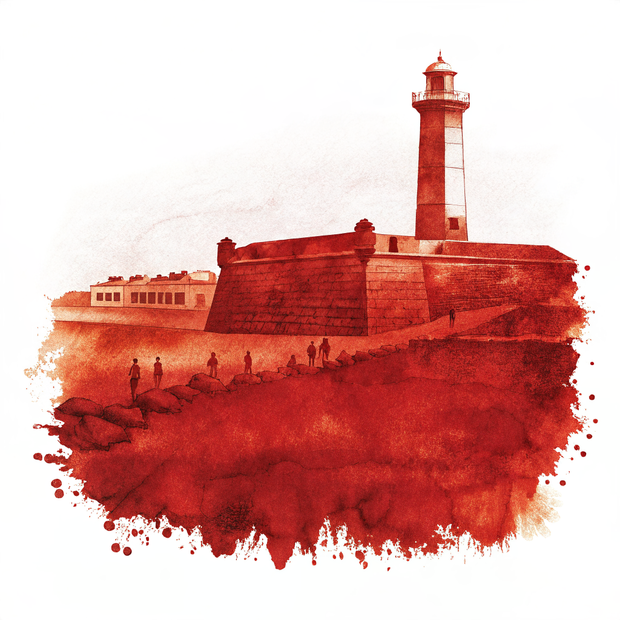
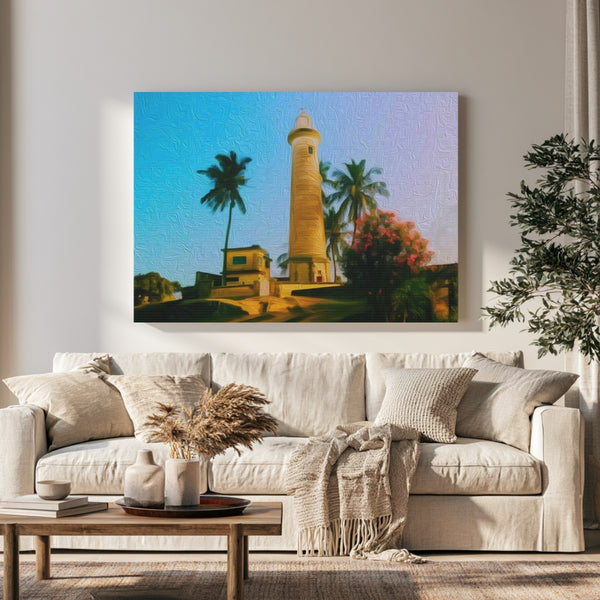
Now representing Galle — 1 original piece, each hand-crafted in watercolor.
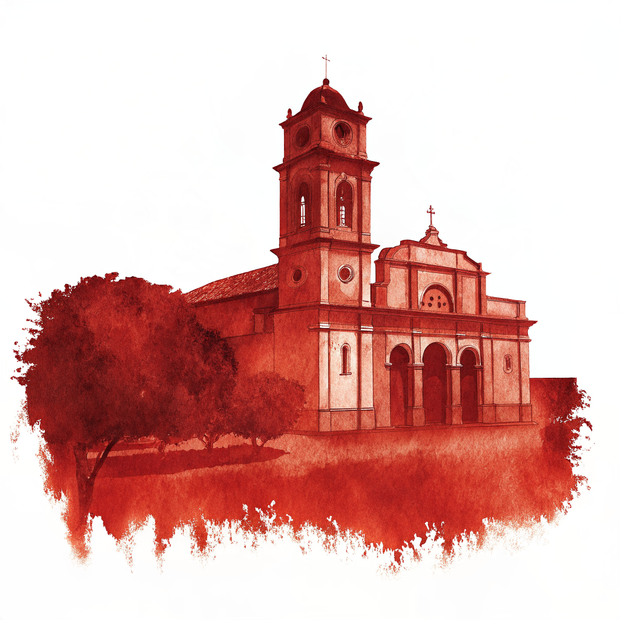
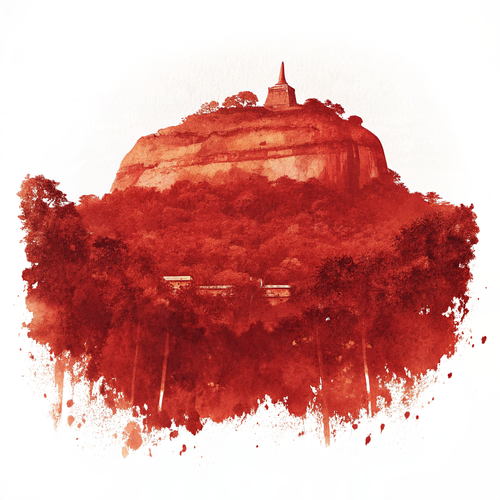
Galle Fort sits at the southwestern tip of Sri Lanka like a beautifully preserved letter from another century, its thick Dutch ramparts still holding the sea at arm's length after four hundred years. The streets inside are narrow and unhurried, lined with whitewashed colonial buildings that flush warm gold in the afternoon sun, their shuttered windows framing glimpses of bougainvillea and slow ceiling fans. This is a city where Portuguese traders, Dutch governors, and British administrators each left their signature, and where Sinhalese life quietly absorbed it all and carried on. The light here is extraordinary, bouncing off the ocean on three sides and filling even the shadowed lanes with a soft, luminous glow that watercolor painters dream about.
Every canvas is painted from a real place. Explore the map to see exactly where each scene lives — and wander Galle the way a traveler would, one landmark at a time.
Keep Exploring
Archival Note: A curated field study of Galle, Sri Lanka, prioritizing the specific atmospheric stillness of the region. These artifacts have been meticulously sourced from our global archival partners to represent the area's unique cultural frequency and environmental character. This selection serves as a formal observation for our ongoing global archive, vetted for its visual accuracy and archival merit.


Archival Note: A curated field study of Galle, Sri Lanka, prioritizing cultural relevance and archival merit. These locations have been meticulously researched and vetted to ensure they represent the most authentic atmosphere for your own expedition.
Archival Note: A formal technical study of Galle, Sri Lanka, archiving the coordinates, elevation, and environmental data that define the region. This data serves as a vital record for our ongoing global field study, providing the technical foundation behind every atmospheric detail captured in our visual work.
 Colors of Galle, Sri Lanka

via / Prabash Livera


