Shop the Collection

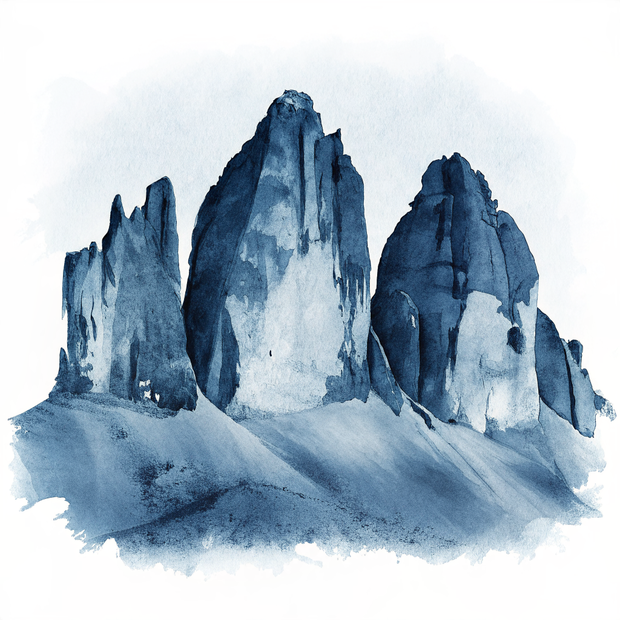
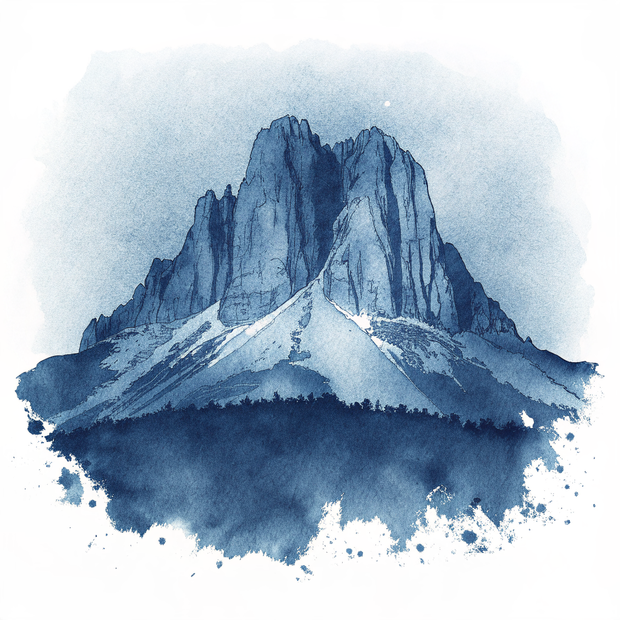
To help you build your own global archive, we've prepared this collection of watercolor studies from our research into Dolomites, Italy. These artifacts are designed to bring the stillness of this corner of the world into your home.

Original Series Decorative Magnet

A personal study of Dolomites, Italy, captured in high-fidelity watercolor and prepared for your collection.

Dolomites, Italy | Dolomites Alpine Church | Original Series Decorative Magnet
Add to Collection / $18
Exclusive Series Artifact

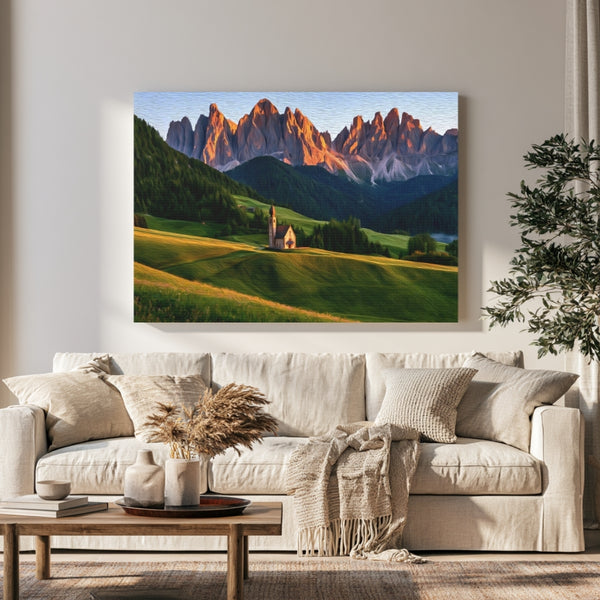
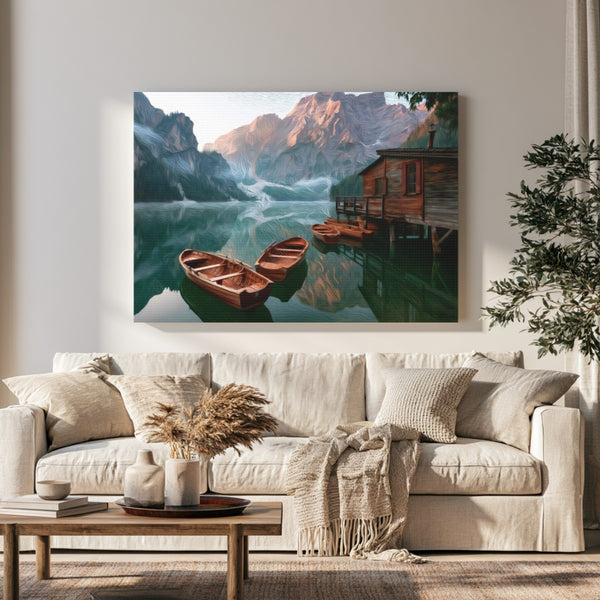
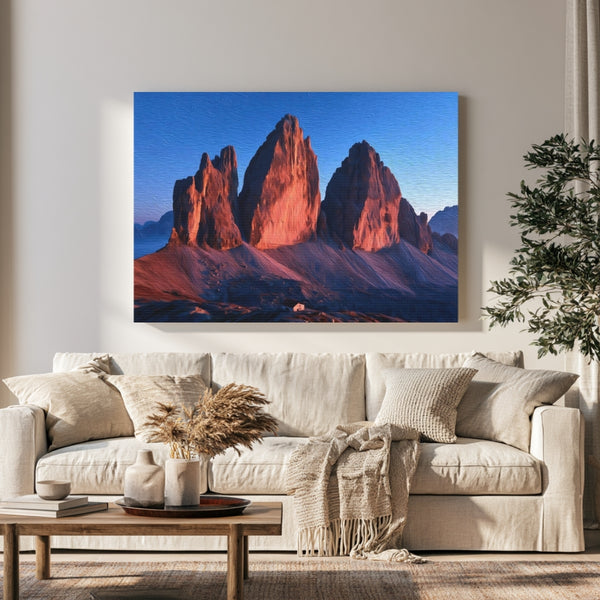
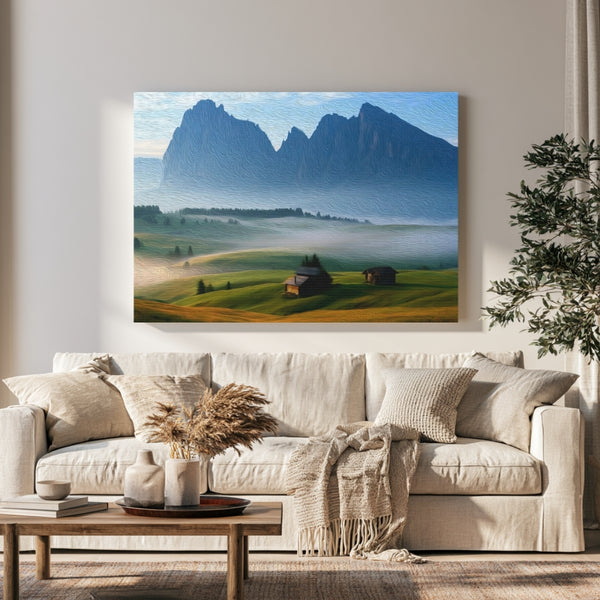
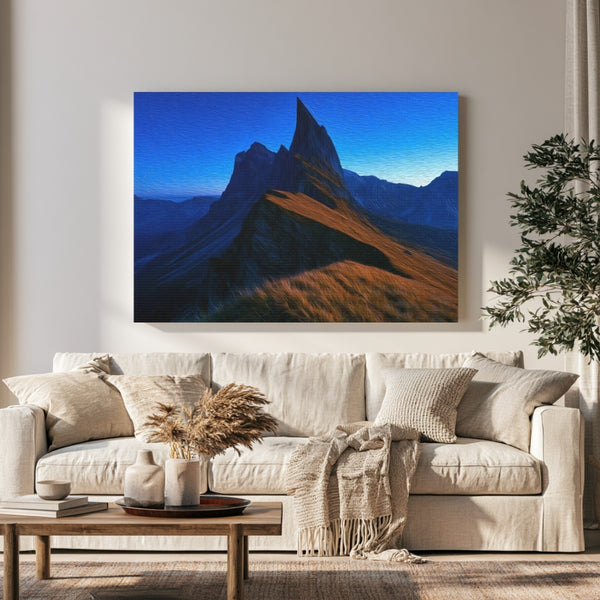
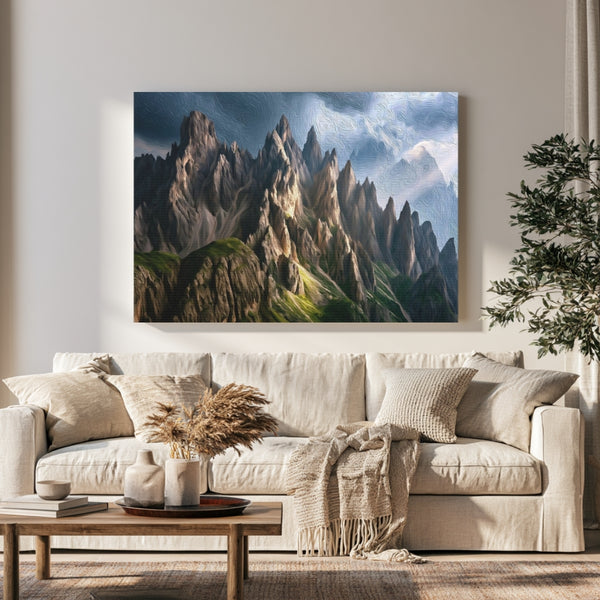
Original Series Gallery Canvas

This high-fidelity canvas is a beautiful way to anchor a room and keep your memories of Dolomites, Italy fresh long after you've returned home.

Dolomites, Italy | Dolomites Alpine Church | Original Series Gallery Canvas detail Dolomites, Italy | Dolomites Alpine Church | Original Series Gallery Canvas detail Dolomites, Italy | Dolomites Alpine Church | Original Series Gallery Canvas detail Dolomites, Italy | Dolomites Alpine Church | Original Series Gallery Canvas detail
Add to Collection / $65

Original Series Hardboard Coaster

A personal study of Dolomites, Italy, captured in high-fidelity watercolor and prepared for your collection.

Dolomites, Italy | Dolomites Alpine Church | Original Series Hardboard Coaster
Add to Collection / $18
Exclusive Series Artifact

The Spirit of the Land

Archival Note: A curated field study of Dolomites, Italy, prioritizing the specific atmospheric stillness of the region. These artifacts have been meticulously sourced from our global archival partners to represent the area's unique cultural frequency and environmental character. This selection serves as a formal observation for our ongoing global archive, vetted for its visual accuracy and archival merit.

Dolomites, Italy study No. 01
Dolomites, Italy / 01 VIA / Cosmin Patrolea
Morning light catches the pale limestone faces of the Dolomites, turning them warm gold against a clear summer sky. A solitary white chapel sits almost impossibly small on the bright green valley floor, its red-roofed bell tower the only human-made vertical in a landscape of towering rock. Wisps of cloud drift lazily along the cliff base, softening the drama just enough to make the scene feel lived-in rather than mythic.
Dolomites, Italy study No. 02
Dolomites, Italy / 02 VIA / YIYANG LIU
A soft, diffused light filters through low-hanging mist, lending the scene an ethereal, almost otherworldly stillness. The vivid turquoise water of Lake Carezza mirrors the dark spires of the Latemar massif, creating a dreamlike symmetry between earth and reflection. Standing here, one would feel the cool, pine-scented air and a profound sense of solitude, as though the mountains have quietly swallowed all sound.
Dolomites, Italy study No. 03
Dolomites, Italy / 03 VIA / Nicola Toscan
The Dolomites stand draped in fresh snow, their jagged limestone spires catching warm golden light against the cool blue of the winter sky. Most eyes follow the dramatic peaks, yet the snow-laden conifer forest below tells its own quiet story — each tree bent slightly under the weight of the season. The texture of the rock faces, streaked amber and grey where snow cannot cling, reveals the ancient geological drama frozen into these Italian Alps.

Where to wander

Archival Note: A curated field study of Dolomites, Italy, prioritizing cultural relevance and archival merit. While we haven't touched down here yet, we've meticulously vetted these locations through our global network of contributors to ensure they represent the most authentic atmosphere for your own expedition.

Local Cuisine Spotlight
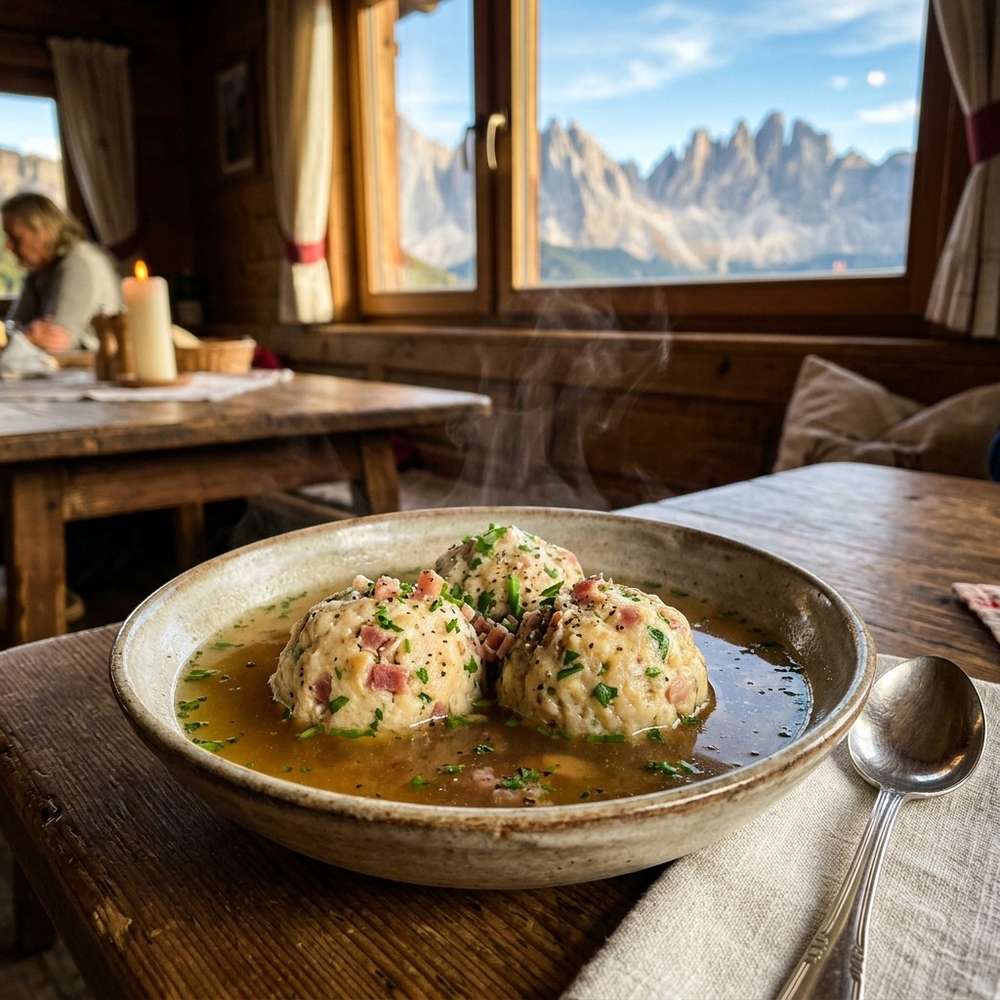
Canederli in brodo are South Tyrol's beloved bread dumplings, simmered in rich golden broth and studded with smoky speck. Hearty yet delicate, they carry the warmth of Alpine tradition in every spoonful, finished with fresh chives and cracked black pepper for a rustic, satisfying finish.
Credits: THE PAINTED PASSPORT
Local cuisine study in Dolomites, Italy

☕︎ Local Flavor

St. Hubertus

Rating: 5* | Price: $$$$ | Coordinates: 46.5997° N, 11.9459° E

Chef Norbert Niederkofler's three-Michelin-starred masterpiece champions a philosophy of cooking only what the surrounding mountains provide, resulting in dishes of breathtaking creativity and purity. Expect foraged herbs, mountain cheeses, and wild game transformed into edible poetry within a refined alpine dining room. Securing a reservation months in advance is absolutely worth every effort for one of Italy's most unforgettable culinary experiences.

View Entry Details

Rifugio Lagazuoi

Rating: 4* | Price: $$ | Coordinates: 46.5333° N, 12.0583° E

Accessible by cable car from Passo Falzarego, this high-altitude mountain hut at 2,752 meters serves hearty South Tyrolean classics with a side of staggering Dolomite panoramas. Tuck into steaming bowls of canederli in broth or a generous plate of venison goulash after a morning of hiking or skiing. The sunset views from the terrace here are among the most spectacular in the entire range, making lingering over a glass of local wine feel mandatory.

View Entry Details

Pizzeria El Brite de Larieto

Rating: 4* | Price: $$ | Coordinates: 46.5456° N, 12.1345° E

This beloved family farm-restaurant near Cortina d'Ampezzo serves food grown and raised right on the property, giving every dish an authenticity that is increasingly rare. The wood-fired pizza is extraordinary, but the real stars are the house-made pastas and mountain cheeses produced from their own herd of cows. Arrive at dusk to watch the Cinque Torri peaks turn crimson while dining in a setting that feels like a privileged invitation into someone's home.

View Entry Details

Utia de Bioch

Rating: 4* | Price: $$$ | Coordinates: 46.6012° N, 11.8934° E

Hidden on an alpine meadow above Corvara, this rustic gem is reachable only on foot or by ski, which makes the traditional Ladin cuisine taste even more rewarding upon arrival. The schlutzkrapfen — spinach and ricotta half-moon pasta — is handmade daily and served with browned butter and crispy sage in a way that will haunt your dreams long after returning home. The informal, convivial atmosphere and the knowledgeable wine list featuring local South Tyrolean labels make every visit feel like a celebration.

View Entry Details

🛌︎ Boutique Stays

Rosa Alpina Hotel & Spa

Rating: 5* | Price: $$$$ | Coordinates: 46.5997° N, 11.9459° E

Nestled in the heart of San Cassiano, this legendary alpine retreat blends rustic Ladin charm with five-star elegance. Rooms feature hand-carved wooden details, goose-down duvets, and panoramic views of the Fanes massif that will leave you breathless every morning. The award-winning spa and Michelin-starred St. Hubertus restaurant make it nearly impossible to leave the property.

View Entry Details

Ciasa Salares

Rating: 5* | Price: $$$ | Coordinates: 46.5910° N, 11.9401° E

This intimate family-run hotel in Alta Badia radiates genuine warmth, with staff who remember your name and your preferred breakfast order by day two. Wooden beams, alpine textiles, and a crackling fireplace lounge create a cozy sanctuary after long days on the slopes or hiking trails. The wellness area with its outdoor hot tub overlooking snowy peaks is an absolute highlight of any stay.

View Entry Details

Forestis Dolomites

Rating: 5* | Price: $$$$ | Coordinates: 46.7178° N, 11.9601° E

Perched at 1,800 meters above Brixen, Forestis offers a minimalist forest retreat where floor-to-ceiling windows frame uninterrupted Dolomite skylines from every room. The philosophy here centers on slow living — no televisions, no clocks, just forest bathing, stone saunas, and pure mountain silence. Exceptional organic cuisine and guided forest meditations complete this profoundly restorative experience.

View Entry Details

Hotel Cappella

Rating: 4* | Price: $$$ | Coordinates: 46.5883° N, 11.9356° E

Situated ski-in, ski-out in Colfosco, Hotel Cappella charms guests with its classic South Tyrolean architecture and genuinely hospitable atmosphere. Rooms are dressed in warm pine and Tyrolean fabrics, and the south-facing sun terrace is the perfect spot for an Aperol Spritz as alpenglow paints the Sella Group in gold. Hearty breakfasts with local cheeses, speck, and freshly baked bread fuel even the most ambitious mountain adventures.

View Entry Details

📍︎ Field Study

Tre Cime di Lavaredo

Rating: 5* | Price: $ | Coordinates: 46.6175° N, 12.3017° E

These three iconic stone pillars soaring above 2,900 meters are the undisputed symbol of the Dolomites and one of the most recognizable natural monuments in all of Europe. The classic circular hike around their base takes about three to four hours and rewards walkers with constantly shifting perspectives of these dramatic vertical faces. Early morning arrivals are rewarded with softer light, fewer crowds, and the magical possibility of mist drifting between the towers like a living painting.

View Entry Details

Lago di Braies

Rating: 5* | Price: $ | Coordinates: 46.6944° N, 12.0847° E

Often called the Pearl of the Alps, this emerald-green glacial lake perfectly mirrors the surrounding limestone peaks in its still, impossibly clear waters. Rowing one of the traditional wooden boats across its surface at sunrise, when mist still clings to the forested shoreline, is a quietly profound experience that feels set apart from ordinary life. The easy trail around the lake takes about an hour and connects to longer high-altitude routes for those eager to push deeper into the Fanes-Sennes-Braies nature park.

View Entry Details

Alpe di Siusi (Seiser Alm)

Rating: 5* | Price: $ | Coordinates: 46.5456° N, 11.6334° E

Europe's largest high-altitude alpine meadow stretches across 56 square kilometers of flower-carpeted grassland beneath the towering Sassolungo and Schlern massifs, creating scenery that genuinely defies belief. In summer, the plateau is threaded with gentle cycling and hiking paths connecting traditional malghe — stone farmhouses — where you can stop for fresh milk, smoked speck, and cold local beer. Winter transforms it into a serene cross-country skiing paradise, hushed and luminous under deep snowfall with frozen waterfalls glinting in the valley walls.

View Entry Details

Messner Mountain Museum Juval

Rating: 4* | Price: $$ | Coordinates: 46.6797° N, 11.0234° E

Legendary mountaineer Reinhold Messner converted this medieval castle perched above the Vinschgau Valley into a fascinating museum dedicated to the mythology and spiritual traditions surrounding mountains across world cultures. Tibetan thangkas, shamanic masks, and Himalayan artifacts fill ancient stone rooms while the terraced vineyards outside produce wines sold only at this location. The journey up the steep access path is itself a fitting prelude to a museum that so honestly celebrates the human relationship with extreme altitude.

View Entry Details

Typography

Archival Note: A formal technical study of Dolomites, Italy—archiving the coordinates, elevation, and environmental data that define the region. This data serves as a vital record for our ongoing global field study, allowing us to reconstruct the regional atmosphere with archival precision before our physical arrival.

Botanical and pigment specimen study for Dolomites, Italy Colors of Dolomites, Italy
Coordinates
46.4102° N, 11.8440° E — Central Dolomites, Trentino — Alto Adige and Veneto regions, northeastern Italy
Historical Epoch
The Dolomites were the front line of some of WWI's most brutal mountain warfare between Italy and Austria-Hungary. Tunnels, trenches, and cemeteries remain embedded in the rock, and the via ferrata routes that climbers love today were first carved by soldiers.
Elevation
1,200-3,343 m / 3,937-10,968 ft - Valley floors to Marmolada summit, with most visitor destinations between 1,500 and 2,500 m
Atmosphere
Dfc - Subarctic Highland Continental. Summers are cool and brilliantly clear with afternoon thunderstorms common. Winters are cold, snowy, and deeply silent above the valley fog.
Observation Hour
06:15 - The first light hits the pale limestone towers before the valleys wake, turning the rock from grey to gold in minutes. The enrosadira effect is strongest in the fifteen minutes before full sunrise.
Primary Pigment
Dolomite Rose (#D4836A) and Alpine Cobalt (#3A5F8A)
Best Time to Visit
June through September - Alpine meadows are in bloom, passes are open, and the hiking and cycling trails are at their clearest and most accessible.
Avoid Visiting
November through early December - Ski season has not opened, summer trails are closed, and many hotels and rifugi shut entirely for the shoulder season.

The Local Tongue

Language is the invisible architecture of Dolomites, Italy. These entries document the regional vocabulary—capturing the "texture" of local speech that standard translations often miss. Hand-curated expressions reflecting the specific spirit and daily rhythm of the region.
Archival study of Italian cultural texture

via / Diego HG

Primary Language Italian
Regional Dialect Ladin (Rhaeto-Romance minority language spoken in the central Dolomite valleys), with significant German-Tyrolean influence throughout South Tyrol

Enrosadira

Enrosadira describes the Dolomite phenomenon in which the pale limestone peaks flush pink, then deep rose, then violet at sunset and sunrise. It comes from the Ladin word for 'to turn rose,' and standing beneath the Tre Cime di Lavaredo as the light shifts is the single most reliable way to understand why an entire culture developed a word for a color change in stone.

Rifugio

A rifugio is a mountain hut that serves hot food, cold beer, and a bed to anyone who earns the altitude to reach it. These are not rustic shelters but full kitchens run by families who haul supplies up by cable, and ordering a steaming bowl of goulash at Rifugio Lagazuoi after a morning ridge walk is one of the defining pleasures of Dolomite travel.

Gemutlichkeit (Gemutlichkeit)

Gemutlichkeit is the Tyrolean-German word for a warmth and convivial ease that has no clean English equivalent, somewhere between coziness and belonging. In the South Tyrol villages of the Dolomites, it manifests in the specific feeling of stepping into a wood-paneled stube on a cold afternoon, the smell of pine and candle wax mixing with the sound of a dialect spoken low and unhurried at the next table.

Wait! before you go...

Before you head over to Dolomites, Italy, we’ve audited the essential data points for this corner of the world. These notes cover the logistics—from currency ratios to transit hubs—to help you navigate the landscape with clarity.
🚲 Getting Around A rental car is essentially non-negotiable for exploring the Dolomites with any freedom, as public buses connect major villages but run infrequently and stop early. Several mountain passes including the Sella Ronda circuit close to private vehicles on select summer days, replaced by shuttle buses, so checking road calendars before driving is strongly advised.
⚖️ Cash or Card Cards are accepted widely at hotels, restaurants, and larger shops throughout the Dolomites, but smaller rifugi and mountain huts operate cash only, and many family-run farm stands expect it as well. Carrying 50 to 100 euros in small bills at all times is the difference between a smooth mountain day and a frustrating one at 2,400 meters with no ATM in sight.
☁️ Good to Know The Dolomite region sits where Italian, Austrian, and Ladin cultures genuinely overlap, and locals will respond more warmly to a greeting in German in South Tyrolean villages than to Italian. Meal times are observed seriously here: lunch runs from noon to two and kitchens close between service, so arriving at a rifugio at 3pm and expecting a hot meal is a common tourist mistake.
🏧 ATMs ATMs are available in the larger valley towns such as Cortina d'Ampezzo, Ortisei, and Brunico, but they are entirely absent in smaller villages and at altitude above the ski resort infrastructure. Withdrawing sufficient cash before heading into the mountains for a multi-day hike is standard practice, as the nearest machine can easily be a 40-minute drive down a winding pass.
💳 Currency Italy uses the Euro, and all prices in the Dolomites are denominated in euros with no currency confusion at the border since the Austrian boundary uses euros as well. Prices in mountain areas run noticeably higher than Italian city averages, especially for accommodation and dining at altitude where supply logistics add real cost.
🔌 Plugs Italy uses Type F (Schuko) and Type L outlets at 230V, 50Hz. Most modern devices handle the voltage automatically, but a plug adapter is needed for North American and UK visitors.
🛡️ Safety The mountains demand respect regardless of fitness level, as afternoon thunderstorms can build rapidly above 2,000 meters and trails that appear gentle on maps can involve exposed scrambling. Visitors should carry a fully charged phone loaded with offline maps, start hikes early to descend before midday storms, and never underestimate how quickly temperature drops in cloud cover at altitude.
✈️ Airports Venice Marco Polo Airport (VCE) is the most common international gateway, sitting roughly two to two and a half hours by car from the central Dolomites. Innsbruck Airport (INN) in Austria and Bolzano Airport (BZO) offer closer alternatives with fewer international connections, making them practical for visitors arriving from within Europe.

Behind The Scenes

Nathan

Note from the Founder

Hey, did you know this fun fact about Dolomites, Italy? The Dolomites are named for French geologist Deodat de Dolomieu, who first described the unusual calcium-magnesium carbonate rock in 1791. The formation began as coral reef sediment on a tropical seabed roughly 250 million years ago.
Thank you for exploring the Dolomites, Italy series with us. We hope these notes have inspired you to add this incredible destination to your own passport—we are so glad you're here. — Nathan

Some of our Favorites