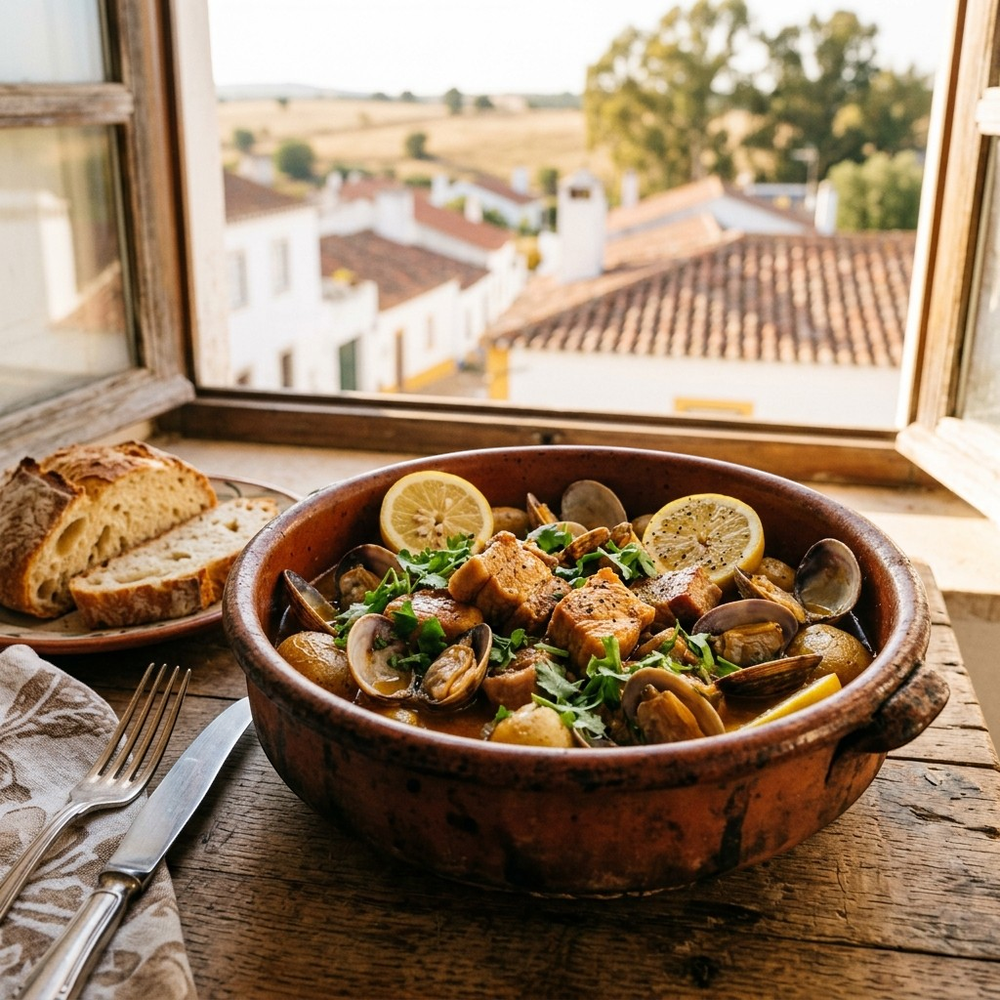
Local Cuisine Spotlight

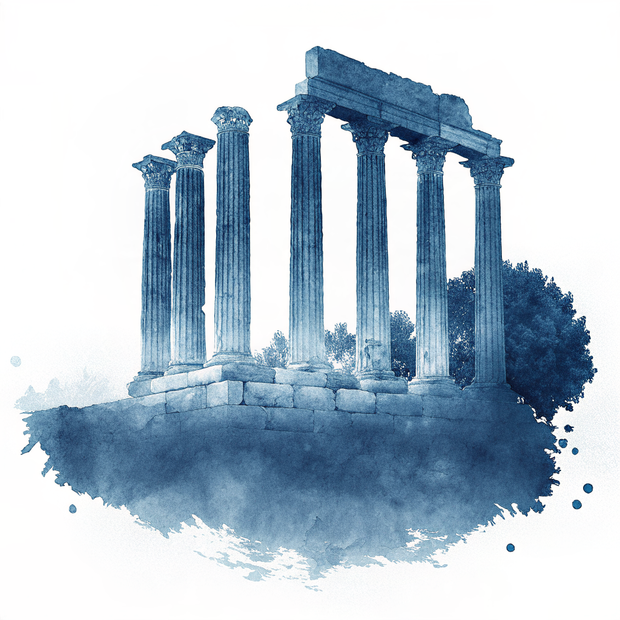
Now representing Alentejo — 1 original piece, each hand-crafted in watercolor.
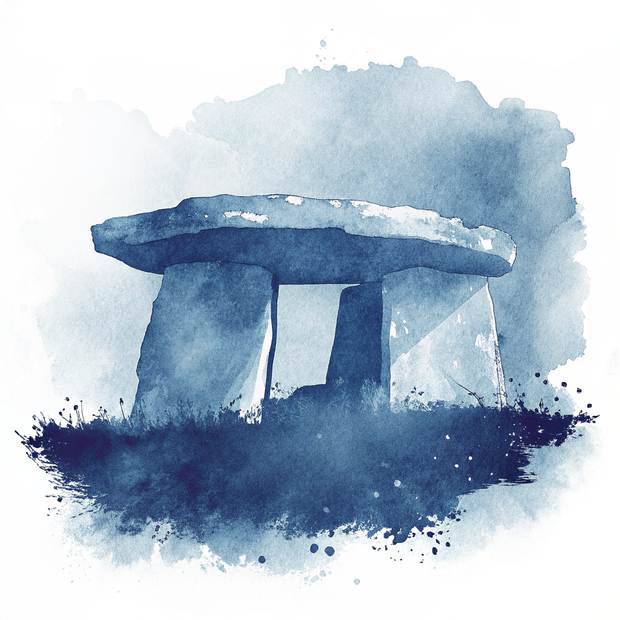
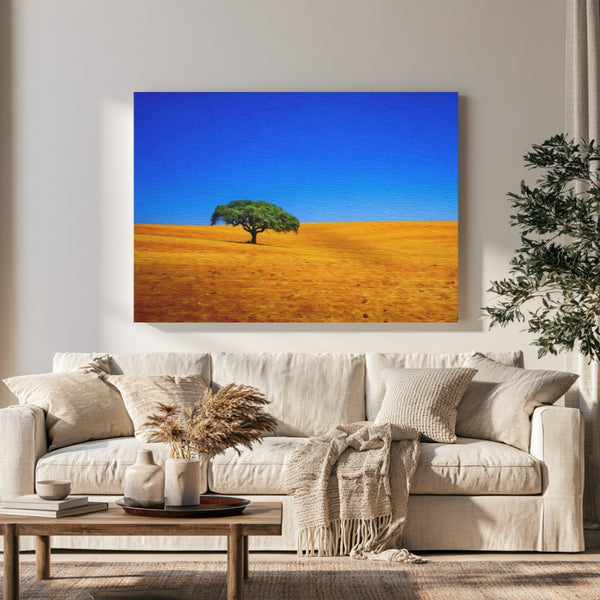
Alentejo unfolds slowly, like a secret told only to those patient enough to sit still. This vast, sun-scorched plateau south of Lisbon is Portugal's largest region and arguably its most soulful, where cork oak forests cast long shadows over terracotta villages and prehistoric standing stones rise from golden fields as though the earth itself has something to say. Évora, its UNESCO-listed capital, carries centuries of Roman columns, Moorish archways, and Manueline carvings within a single afternoon's wandering. The pace here is deliberate and unhurried, shaped by brutal summers and the deeply rooted culture of the herdade, the great agricultural estate where wine, olive oil, and black pigs have defined life for generations.
Every canvas is painted from a real place. Explore the map to see exactly where each scene lives — and wander Alentejo the way a traveler would, one landmark at a time.
Keep Exploring
Archival Note: A curated field study of Alentejo, Portugal, prioritizing the specific atmospheric stillness of the region. These artifacts have been meticulously sourced from our global archival partners to represent the area's unique cultural frequency and environmental character. This selection serves as a formal observation for our ongoing global archive, vetted for its visual accuracy and archival merit.


Archival Note: A curated field study of Alentejo, Portugal, prioritizing cultural relevance and archival merit. These locations have been meticulously researched and vetted to ensure they represent the most authentic atmosphere for your own expedition.
Archival Note: A formal technical study of Alentejo, Portugal, archiving the coordinates, elevation, and environmental data that define the region. This data serves as a vital record for our ongoing global field study, providing the technical foundation behind every atmospheric detail captured in our visual work.
 Colors of Alentejo, Portugal

via / Efrem Efre


