Valle de Cocora, Colombia

An original watercolor print from The Painted Passport archive — designed to bring the light, color, and atmosphere of your favorite destinations into your home.
Original Series / Visual Study
Regional Dossier

VALLE DE COCORA, COLOMBIA | "Where the Palms Touch the Clouds"

The palette is the specific green of the Colombian cloud forest — not the tropical green of the coast but the cooler, deeper green of a landscape that receives cloud moisture every morning and direct sun every afternoon, with the pale yellow of the wax palm trunks providing the only warm color in an otherwise entirely cool and atmospheric landscape. The valley floor opens into grassland where the wax palms rise like green columns from the mist, their slender trunks disappearing into the cloud ceiling above as if the valley itself were a nave and the palms were the columns of a cathedral.

Valle de Cocora is the home of the wax palm, the tallest monocot on earth and Colombia's national tree — a species that grows to 60 meters and exists in no other valley on earth in this density or this visual drama. The valley descends from the town of Salento through a sequence of ecosystems, from the primary cloud forest of the higher slopes to this open grassland corridor in the heart of the Colombian coffee region.

Add to the collection for /

$18.00

Finding the Stillness

It's hard to put the "vibe" of a place into words, so we put together a few images that we think show the quiet side of Valle de Cocora, Colombia. These are just some of the textures and small moments that felt special to us while we were exploring.

Valle de Cocora, Colombia visual study 01
Valle de Cocora, Colombia / No. 01 via Jess Londoño
A red-tiled farmhouse sits in quiet repose, nestled within the emerald folds of the Andean slopes. In the distance, the world's tallest palms rise like silent sentinels into the misty, cloud-shrouded sky.
Valle de Cocora, Colombia visual study 02
Valle de Cocora, Colombia / No. 02 via Jonny James
Rows of traditional white-washed buildings come alive with meticulously painted balconies and doors in a brilliant spectrum of red, blue, and emerald green. Under a soft, overcast sky, the narrow street of Salento hums with a quiet energy, preserving the timeless charm of Colombia's coffee region architecture.
Valle de Cocora, Colombia visual study 03
Valle de Cocora, Colombia / No. 03 via Dominik Simecek
A brown horse standing on a lush, green mountain slope in the Cocora Valley, Colombia, with tall wax palms rising into the misty clouds in the background.

Where to wander

Archival Note: These recommendations were curated personally during our time in Valle de Cocora, Colombia to capture the textures that defined the quiet frequencies of the trip. Every entry here is a place we genuinely love; we hope these notes inspire you to wander off the main path and discover the same stillness we found on the ground.

Local Cuisine Spotlight
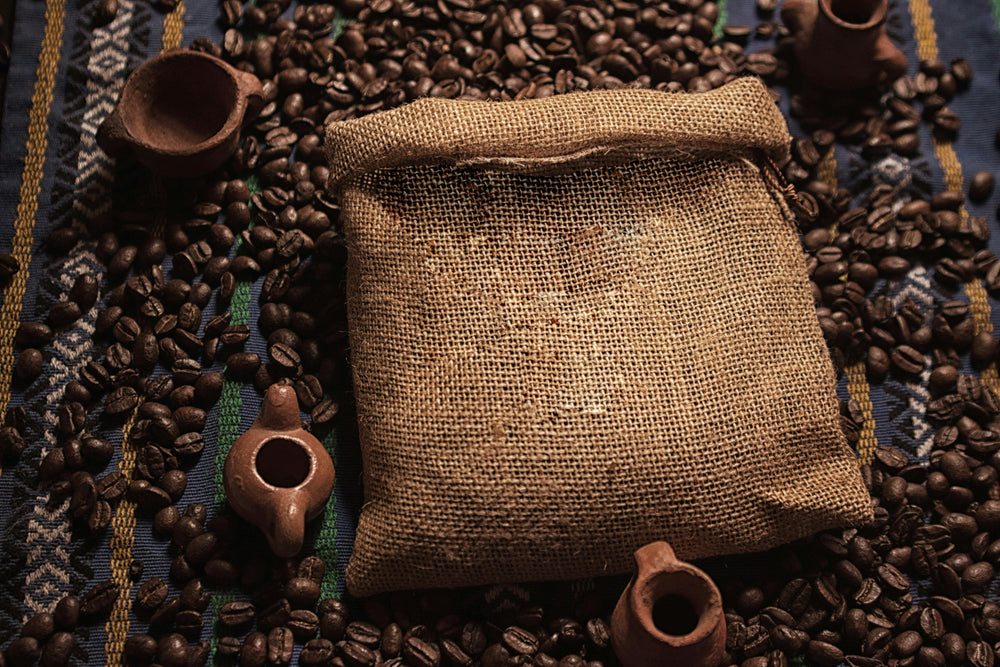
A rustic burlap sack rests atop a bed of rich, roasted coffee beans scattered over a traditional Andean textile. Small terracotta jugs frame the scene, capturing the earthy, grounded essence of Colombia’s coffee heritage in a moment of quiet, aromatic stillness.
Credits: Mynor Castañeda
Local cuisine study in Valle de Cocora, Colombia

☕︎ Local Flavor

Salento: Traditional Cooking Class & Market Immersion

Rating: 4.9★ | Price: $$ | Coordinates: 4.6375° N, 75.5703° W

Navigate the sensory corridors of the municipal market to select heirloom ingredients before retreating to a private hearth. You will master the preparation of patacones and the delicate balance of trucha, utilizing cast-iron and clay vessels common to the region’s domestic history. This culinary laboratory serves as a physical manuscript of Andean survival, documenting how indigenous staples fused with colonial techniques to sustain the coffee-growing workforce.

View Entry Details

Finca El Ocaso: Premium Coffee Viticulture Study

Rating: 4.8★ | Price: $$ | Coordinates: 4.6212° N, 75.5905° W

Descend into the emerald terraces to unearth the complex lifecycle of the Coffea arabica bean under the canopy of ancient shade trees. The session highlights the technical precision of the "wet mill" processing plant, where the tactile friction of depulping remains a century-old ritual. This experience is a vital archive of the "Eje Cafetero" identity, preserving the lineage of a botanical economy that elevated Colombia to the global stage.

View Entry Details

Café Jesús Martín: The Alchemy of Roasting

Rating: 5.0★ | Price: $ | Coordinates: 4.6372° N, 75.5708° W

Witness the transformative heat of the roasting drum as it develops the chemical complexity of single-origin beans sourced from the high-altitude slopes. The lab-like precision of the baristas demonstrates the evolution of coffee from a mere commodity to an architectural expression of flavor. By documenting the transition from raw cherry to refined extract, this site functions as an anchor for the city’s contemporary intellectual and sensory culture.

View Entry Details

The Willys Jeep Heritage Food Trail

Rating: 4.7★ | Price: $$ | Coordinates: 4.6385° N, 75.5715° W

Mount a restored 1954 Willys Jeep to traverse the rugged outskirts, stopping at rural outposts for authentic mountain fare like mazamorra. These mechanical relics, originally surplus from WWII, are the literal iron lungs of the valley, hauling both coffee sacks and cultural traditions across impassable terrain. This journey is an archival tribute to the post-war mobility that defined the region’s topography and social connectivity.

View Entry Details

🛌︎ Boutique Stays

Hotel Kawa Mountain Retreat

Rating: 9.4★ | Price: $$$ | Coordinates: 4.6358° N, 75.5642° W

Inhabit a structural masterpiece that harmonizes minimalist timber design with the wild exuberance of the cloud forest. The architecture utilizes sustainable bamboo and local stone to frame panoramic views of the Los Nevados peaks, blurring the line between the interior sanctuary and the external wilderness. This retreat acts as a modern archival annex, proving that luxury can exist as a quiet steward of the environment rather than an intruder.

View Entry Details

Sazagua Cocora Reserva Natural

Rating: 9.2★ | Price: $$$$ | Coordinates: 4.6391° N, 75.4883° W

Seclude yourself within this boutique sanctuary where the design language speaks of colonial refinement and botanical obsession. The property features thick adobe walls and terracotta tiling that echo the traditional haciendas of the 19th-century coffee barons. Staying here is an exercise in historical preservation, as the estate maintains a private reserve that protects the genetic lineage of the valley’s rare wax palms.

View Entry Details

Hotel El Mirador del Cocora

Rating: 8.9★ | Price: $$$ | Coordinates: 4.6398° N, 75.5685° W

Perch upon the very edge of the urban grid in a structure designed to maximize the visual intake of the Cocora drainage basin. The building’s orientation serves as a permanent lens directed at the towering Ceroxylon quindiuense, the world’s tallest palms, which pierce the morning mist. This hotel functions as an observational anchor, documenting the atmospheric shifts of a landscape that has inspired naturalists for centuries.

View Entry Details

Reserva Guadalajara: Authentic Cocora Farmstay

Rating: 9.4★ | Price: $$ | Coordinates: 4.6322° N, 75.4915° W

Experience the unvarnished reality of high-altitude ranching within an operational farmhouse that eschews modern pretense for historical honesty. The guest quarters are integrated into a working ecosystem where the scent of cedarwood and damp earth defines the morning air. This site is a vital piece of the cultural puzzle, preserving the "Paisa" agrarian lifestyle that is rapidly being replaced by more commercialized ventures.

View Entry Details

📍︎ Field Study

The Wax Palm Sanctuary Expedition

Rating: 4.9★ | Price: $$ | Coordinates: 4.6345° N, 75.4892° W

Ascend through the cloud forest to reach the high-altitude groves where the national trees stand like ancient sentinels at heights of 60 meters. The hike offers a technical look at the symbiotic relationship between the palms and the yellow-eared parrots, a biological lineage currently under threat. This excursion is a vital pilgrimage, anchoring the traveler’s identity to a prehistoric landscape that predates the very arrival of coffee in Colombia.

View Entry Details

Horseback Expedition: Camino Real & River Basins

Rating: 4.8★ | Price: $$ | Coordinates: 4.6410° N, 75.4950° W

Trace the ancient "Camino Real," a historical artery used by Simón Bolívar and the botanical explorers of the Mutis expedition. You will ford high-mountain streams and cross suspension bridges that connect isolated farming communities to the modern world. This equestrian journey is an archival re-enactment of 19th-century transit, preserving the memory of the muleteers who first opened this valley to the global imagination.

View Entry Details

Los Nevados National Park: High-Altitude Moorland Survey

Rating: 4.7★ | Price: $$$ | Coordinates: 4.7825° N, 75.3528° W

Unearth the stark beauty of the páramo ecosystem, a sponge-like landscape of frailejones that provides the primary water source for the entire region. The journey reveals the volcanic geology of the Central Cordillera, focusing on the basalt formations and glacial scars that have carved the valley over millennia. This expedition documents the transition from lush forest to alpine tundra, offering a rare archive of Earth's biological resilience.

View Entry Details

Pajareros Birding Tours Colombia

Rating: 5.0★ | Price: $$$ | Coordinates: 4.6385° N, 75.5699° W

Navigate the dense canopy of the Los Nevados transition zone to identify endemic species such as the yellow-eared parrot. This excursion emphasizes the use of high-fidelity optics and acoustic recording to study bird behavior within the context of the region's botanical heritage. As a physical manuscript of the valley’s biodiversity, these tours preserve the memory of an avian landscape that is a vital anchor for Colombia’s environmental identity.

View Entry Details

Typography

Archival Note: We have personally documented these geographic specs for Valle de Cocora, Colombia to ensure every watercolor study is anchored in real-world data. By cataloging the precise elevation, light cycles, and historical epochs, we provide a technical foundation that justifies the atmospheric stillness captured in our visual artifacts.

Botanical and pigment specimen study for Valle de Cocora, Colombia Colors of Valle de Cocora, Colombia
Coordinates
4.6360° N, 75.5694° W — Colombian Coffee Axis, Central Andes
Historical Epoch
Quimbaya indigenous territory before Spanish contact. Coffee cultivation introduced in the 19th century. UNESCO Creative Cities Coffee Cultural Landscape designation in 2011.
Elevation
1,800–2,400 m / 5,906–7,874 ft — cloud forest valley of the wax palms
Atmosphere
Tropical Cloud Forest (Cfb). Persistent morning mist, afternoon rain, cool temperatures year-round at 1,900 m, two dry seasons December through January and June through July.
Observation Hour
07:15. The morning cloud veil lifts from the valley to reveal the world's tallest monocots rising above the mist, catching the first direct sunlight of the day in shafts between the cloud layers.
Primary Pigment
Wax Palm Emerald (#006400) and Quindío Mist (#E2E5DE)
Best Time to Visit
December through March — the cloud forest mist is lightest at this hour, the wax palms are most visible, and the hummingbirds are most active
Avoid Visiting
April through May — the heaviest rains return, the Cocora Valley trails turn to mud, and the clouds sit so low the palms disappear entirely

Behind The Scenes

Nathan

Note from the Founder

Hey, did you know this fun fact about Valle de Cocora, Colombia? Even though they look like giant trees, the Wax Palms in Cocora Valley are actually the tallest grass in the world! They can grow as high as a 20-story building, but they are closer to the grass in your backyard than a regular oak tree.
Thank you for exploring the Valle de Cocora, Colombia series with us. We hope these notes have inspired you to add this incredible destination to your own passport—we are so glad you're here. — Nathan

Some of our Favorites