Original Series / Visual Study
Seoul, South Korea | Original Series Gallery Canvas
Regional Dossier

SEOUL, SOUTH KOREA | "서울, The City That Rebuilt Itself"

Seoul is the most remarkable urban transformation of the 20th century, a city of 10 million people that was 80% destroyed during the Korean War of 1950 to 1953 and rebuilt itself into the most technologically advanced, culturally innovative, and economically dynamic capital in Asia within a single generation. The city is simultaneously a 600-year-old Joseon Dynasty capital of palaces, Confucian academies, and stone-paved alleyways, and the global capital of K-pop, Korean cinema, Korean food, and the most sophisticated consumer electronics and beauty industry in the world. The five grand palaces of the Joseon period, Gyeongbokgung, Changdeokgung, Changgyeonggung, Deoksugung, and Gyeonghuigung, anchor the historic center while the neon corridors of Gangnam, the indie music venues of Hongdae, and the street food markets of Gwangjang represent the contemporary city that the world has come to know through cinema and music.

The colors are the dramatic palette of a city in perpetual creative energy: the deep blue of the Han River at sunset seen from the Namsan tower, the brilliant white and terracotta of the Gyeongbokgung Palace against the Bugaksan mountain behind it, the electric pink and purple of the Dongdaemun Design Plaza at night, and the extraordinary crimson of the maple leaves at Changdeokgung Secret Garden in October when the Joseon palace grounds become the most beautiful autumn landscape in Northeast Asia.

Select Size
Museum-Grade Canvas
Ready to Hang
Made to Order · Ships in 3–5 Days (U.S.)
Add to the collection for /

$65.00

Finding the Stillness

It's hard to put the "vibe" of a place into words, so we put together a few images that we think show the quiet side of Seoul, South Korea. These are the textures and small moments we've archived to capture the stillness of this corner of the world.

Seoul, South Korea visual study 01
Seoul, South Korea / No. 01 via Pond Juprasong
The golden glow of the ginkgo leaves creates a serene canopy over this traditional pavilion, capturing a moment where history and nature breathe in perfect harmony. There is a profound sense of stillness here, inviting you to pause and appreciate the quiet beauty found in the changing seasons.
Seoul, South Korea visual study 02
Seoul, South Korea / No. 02 via Melody Zhang
The vibrant neon glow of Seoul's nightlife captures an electric energy that feels both futuristic and timelessly alive. Walking through these illuminated streets, you can almost hear the hum of the city and feel the pulse of a world that truly never sleeps.
Seoul, South Korea visual study 03
Seoul, South Korea / No. 03 via Luiz M
The majestic architecture of Gyeongbokgung Palace stands as a testament to Korea's enduring spirit, gracefully anchoring the past within the heart of a modern metropolis. Seeing visitors adorned in traditional Hanbok brings a touch of timeless elegance to the courtyard, bridging generations through a shared sense of heritage and wonder.

Where to wander

Archival Note: A curated field study of Seoul, South Korea, prioritizing cultural relevance and archival merit. These locations have been meticulously researched and vetted to ensure they represent the most authentic atmosphere for your own expedition.

Local Cuisine Spotlight
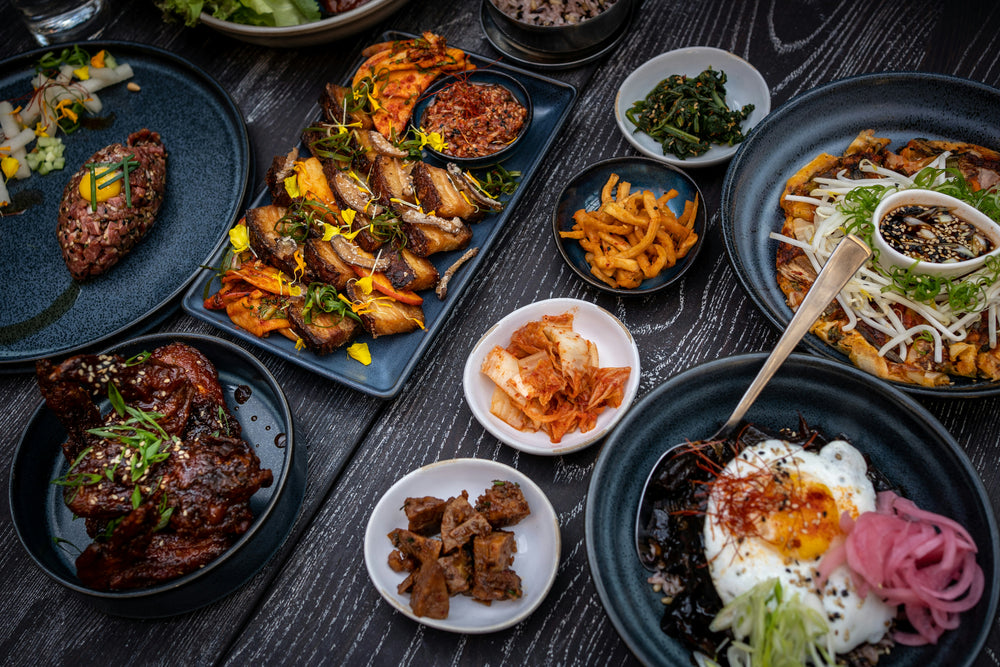
A bowl of Cao Lau offers a vibrant taste of Hoi An’s rich history, where every fresh herb and perfectly seasoned shrimp tells a story of cultural harmony. Sitting down to a meal like this is a soulful experience, inviting you to slow down and savor the authentic, nourishing flavors that have brought people together for generations.
Credits: ALEXANDRA TRAN
Local cuisine study in Seoul, South Korea

☕︎ Local Flavor

Gwangjang Market

Rating: 4.2★ | Price: [$] | Coordinates: 37.5701° N, 126.9992° E

Navigate the dense, steam-filled corridors of Seoul's oldest continuous market to unearth the culinary pulse of the Joseon legacy. Amidst the percussive sound of stone-ground mung beans and the scent of sizzling bindae-tteok, travelers experience a raw, unedited sensory archive of post-war Korean resilience. This marketplace serves as a vital anchor for the city's identity, preserving the communal lineage of street food culture that has sustained Seoulites for over a century.

View Entry Details

Jingwansa Temple

Rating: 4.5★ | Price: [$$] | Coordinates: 37.6437° N, 126.9404° E

Ascend into the granite-carved foothills of Bukhansan to engage in the disciplined art of Korean temple food, a cuisine defined by its lack of five pungent spices and its deep connection to the seasons. The architecture of the timber-framed halls, reconstructed after the Korean War, serves as a silent witness to the preservation of Buddhist culinary manuscripts. This site is a vital piece of the city's puzzle, documenting the transition of ancient monastic wisdom into a modern philosophy of sustainable living.

View Entry Details

Balwoo Gongyang

Rating: 4.2★ | Price: [$$$] | Coordinates: 37.5746° N, 126.9839° E

Discover the sophisticated elevation of vegan monastic cuisine within this Michelin-recognized institution managed by the Jogye Order of Korean Buddhism. Every dish is a study in fermentation and patience, served with a Zen-adventurous precision that honors the physical sensation of mindful eating. It acts as a cultural archivist of the Joseon Dynasty’s spiritual palate, ensuring that the lineage of temple gastronomy remains a relevant manuscript in Seoul's contemporary dining scene.

View Entry Details

Noryangjin Fisheries Wholesale Market

Rating: 3.9★ | Price: [$$] | Coordinates: 37.5161° N, 126.9368° E

Unearth the maritime ambition of Seoul within this vast, grid-like cathedral of glass and steel where the day’s catch is traded with symphonic urgency. The physical structure of the new terminal, contrasting with the gritty memory of the original 1927 market, documents the city's rapid modernization. This market is a vital anchor for the city's identity, functioning as a living archive of Korea’s relationship with the surrounding seas.

View Entry Details

🛌︎ Boutique Stays

THE SHILLA Seoul

Rating: 4.6★ | Price: [$$$$] | Coordinates: 37.5558° N, 127.0051° E

Ascend the Namsan slopes to enter a sanctuary where modern architectural ambition meets the refined aesthetics of the Joseon elite. The hotel’s Yeong Bin Gwan wing, a traditional banquet hall, utilizes intricate wood-beam construction to ground its guests in a regal, archival atmosphere. It remains a physical manuscript of South Korean hospitality, preserving a lineage of elegance that has hosted the world’s most influential dignitaries.

View Entry Details

Four Seasons Hotel Seoul

Rating: 4.6★ | Price: [$$$$] | Coordinates: 37.5707° N, 126.9754° E

Navigate a landscape of geometric marble and cool basalt in this urban monolith situated at the intersection of history and governance. The interior design cleverly mirrors the nearby Gyeongbokgung Palace, creating a sophisticated bridge between the 14th-century Joseon past and 21st-century architectural ambition. This property serves as an anchor for the city's modern identity, documenting the transition of Seoul into a global financial and cultural powerhouse.

View Entry Details

Rakkojae Seoul Main Hanok

Rating: 4.4★ | Price: [$$$] | Coordinates: 37.5828° N, 126.9859° E

Discover the Zen-adventurous stillness of a 140-year-old hanok, meticulously restored by a National Human Treasure master carpenter. The physical sensation of heated ondol floors and the scent of aged pine provide a direct sensory link to the aristocratic life of the Chosun Dynasty. This boutique stay is a vital piece of the city's puzzle, preserving the architectural lineage of traditional Korean dwelling in an increasingly vertical metropolis.

View Entry Details

SIGNIEL SEOUL

Rating: 4.6★ | Price: [$$$$] | Coordinates: 37.5127° N, 127.1024° E

Ascend the world's fifth-tallest skyscraper to occupy a space where the clouds meet contemporary Korean luxury. The Lotte World Tower’s sleek, tapered design is an architectural study in futuristic ambition, offering panoramic views that serve as a visual manuscript of the Han River’s evolution. It acts as a physical anchor for Seoul's soaring aspirations, documenting the city's relentless pursuit of the vertical frontier.

View Entry Details

📍︎ Field Study

Gyeongbokgung Palace

Rating: 4.6★ | Price: [$] | Coordinates: 37.5796° N, 126.9770° E

Navigate the stone courtyards of the "Greatly Blessed by Heaven" palace to witness the grand architectural ambition of the Joseon founders. The intricate dancheong paintings and the expansive Gyeonghoeru Pavilion illustrate a physical manuscript of Neo-Confucian governance and cosmic harmony. This site is a vital anchor for the city's identity, preserving the royal lineage despite centuries of colonial and wartime erasure.

View Entry Details

Changdeokgung

Rating: 4.6★ | Price: [$] | Coordinates: 37.5794° N, 126.9910° E

Discover a masterpiece of environmental integration where palace halls are designed to flow with the natural topography of the land rather than imposing upon it. The Huwon (Secret Garden) serves as a botanical archive, housing ancient trees and pavilions that were once the private sanctuary for kings and scholars. It is a vital piece of the city's puzzle, documenting the unique Korean architectural philosophy of "borrowed scenery."

View Entry Details

Bukchon Hanok Village

Rating: 4.4★ | Price: [Free] | Coordinates: 37.5824° N, 126.9836° E

Unearth the historical density of Seoul’s oldest residential neighborhood, where hundreds of traditional homes form a living manuscript of Joseon urban planning. The contrast between the dark tiled roofs and the distant glass towers of central Seoul creates a powerful visual narrative of the city's survival. This village acts as a cultural archivist, preserving the architectural lineage of the yangban (aristocracy) within the modern urban fabric.

View Entry Details

DMZ Tour - Seoul City Tour

Rating: 5.0★ | Price: [$$] | Coordinates: 37.5665° N, 126.9780° E (Seoul HQ)

Navigate the world’s most heavily fortified border to witness a landscape that is both a physical scar and a forced ecological archive. Exploring the Third Infiltration Tunnel provides a visceral sensation of the Cold War’s lingering subterranean ambition. This excursion is a vital piece of the city's puzzle, documenting the ongoing division and the persistent hope for reunification that defines the Korean Peninsula's modern identity.

View Entry Details

Typography

Archival Note: A formal technical study of Seoul, South Korea, archiving the coordinates, elevation, and environmental data that define the region. This data serves as a vital record for our ongoing global field study, providing the technical foundation behind every atmospheric detail captured in our visual work.

Botanical and pigment specimen study for Seoul, South Korea Colors of Seoul, South Korea
Coordinates
37.5500° N, 126.9667° E — Korean Peninsula, Han River basin
Historical Epoch
Joseon Dynasty capital established in 1392 CE. Gyeongbokgung Palace and city walls completed in 1395. Japanese colonial occupation 1910–1945. Korean War devastation 1950–1953. Compression from one of the world's poorest countries to the 10th largest economy by the 1990s.
Elevation
38 m / 125 ft, low-lying capital city in the Han River valley
Atmosphere
Humid Continental (Dwa). Four extreme seasons, cold snowy winters below -10°C, vivid cherry blossom spring, hot humid summer with the jangma rainy season, and spectacular foliage autumn in October and November.
Observation Hour
17:00–18:00. Golden hour casting amber across the tiled rooftops of Gyeongbokgung Palace, the hour when the traditional architecture catches the low western light and the Inwangsan mountain turns warm grey-amber.
Primary Pigment
Dancheong Red (#CC0000) and Royal Indigo (#003087)
Best Time to Visit
March through May, September through November, the cherry blossoms or the ginkgo gold of Gyeongbokgung make the city extraordinary, temperatures are moderate
Avoid Visiting
June through August, the East Asian monsoon brings 33°C heat with 80%+ humidity and days of continuous rain that flood the Cheonggye stream walkway

Behind The Scenes

Nathan

Note from the Founder

Hey, did you know this fun fact about Seoul, South Korea? Seoul’s Moonlight Rainbow Fountain on the Banpo Bridge holds the world record for being the longest bridge fountain on the planet!
Thank you for exploring the Seoul, South Korea series with us. We hope these notes have inspired you to add this incredible destination to your own passport—we are so glad you're here. — Nathan

Some of our Favorites