Original Series / Visual Study
Petra, Jordan | Original Series Gallery Canvas
Regional Dossier

PETRA, JORDAN | "البتراء, The Rose-Red City Half as Old as Time"

Petra is the most extraordinary archaeological site in the Middle East, the rock-cut capital of the Nabataean Kingdom, carved from the rose-red sandstone cliffs of the Arabah highlands of southern Jordan between the 4th century BCE and the 2nd century CE, and unknown to the Western world until the Swiss explorer Johann Ludwig Burckhardt entered the city in disguise in 1812. The Nabataeans were the most sophisticated hydraulic engineers of the ancient world, cutting cisterns, dams, and channels into the sandstone to capture and store every drop of rain in one of the most arid environments in the Middle East, and the 800-plus monuments they carved from the living rock, the Treasury, the Royal Tombs, the Colonnaded Street, the Great Temple, and the High Place of Sacrifice, represent the most complete surviving example of a Nabataean city anywhere in the world. The approach to Petra through the Siq, a 1.2-kilometer narrow slot canyon whose walls rise to 80 meters above the path, is the most dramatic architectural approach in the ancient world, designed by the Nabataeans to reveal the Treasury facade at the precise moment of maximum emotional impact.

The colors of Petra are the extraordinary natural palette of wind-carved sandstone: the rose-red and amber of the Treasury facade in the morning light, the deep purple and lavender of the Royal Tombs at sunset, the warm ochre of the canyon walls in the Siq, and the specific deep gold of the sandstone at golden hour when the entire city turns the color of honey and the ancient facades glow with the warm light of late afternoon in a way that no artificial illumination could improve upon.

Select Size
Museum-Grade Canvas
Ready to Hang
Made to Order · Ships in 3–5 Days (U.S.)
Add to the collection for /

$65.00

Finding the Stillness

It's hard to put the "vibe" of a place into words, so we put together a few images that we think show the quiet side of Petra, Jordan. These are the textures and small moments we've archived to capture the stillness of this corner of the world.

Petra, Jordan visual study 01
Petra, Jordan / No. 01 via Jorge Fernández Salas
Framed by the rugged, ancient canyon walls, the breathtaking facade of Petra emerges like a timeless secret carved directly into the rose-red stone. This architectural masterpiece stands as a brilliant testament to human ingenuity and perseverance, inviting us to wonder at the enduring spirit of history. Looking at it, you can't help but feel a profound sense of peace and awe at how beautifully the wonders of nature and culture intertwine.
Petra, Jordan visual study 02
Petra, Jordan / No. 02 via Mihaela Claudia Puscas
A lone donkey rests quietly against the towering, sun-warmed desert rock, embodying a spirit of gentle resilience and calm. Wrapped in a colorful, traditional woven blanket, this steadfast companion offers a beautiful glimpse into the quiet rhythms of life along ancient paths. There is a profound, grounding peace in this simple moment, reminding us of the enduring bond between people, animals, and the historic landscapes they share.
Petra, Jordan visual study 03
Petra, Jordan / No. 03 via Ahmad Qaisieh
Looking down from a high rocky perch, the sweeping view reveals the magnificent Treasury of Petra nestled harmoniously within the massive, winding desert canyon. Seeing this ancient marvel from above brings a breathtaking sense of wonder and a quiet reminder of the vast, beautiful world waiting to be explored. It is an inspiring perspective that fills the soul with peace, connecting us to the generations of travelers who have stood in awe of this rose-red city.

Where to wander

Archival Note: A curated field study of Petra, Jordan, prioritizing cultural relevance and archival merit. These locations have been meticulously researched and vetted to ensure they represent the most authentic atmosphere for your own expedition.

Local Cuisine Spotlight
Standing as a silent guardian above the valley, a traveler in traditional attire looks out over the majestic, sunlit facade of the Treasury. This striking view captures the profound harmony between human culture and the ancient, towering red rocks that have watched over this canyon for centuries. It inspires a peaceful sense of wonder, inviting us to step into history and feel the timeless spirit of adventure that fills the desert air.
Credits: INGEBORG KORME
Local cuisine study in Petra, Jordan

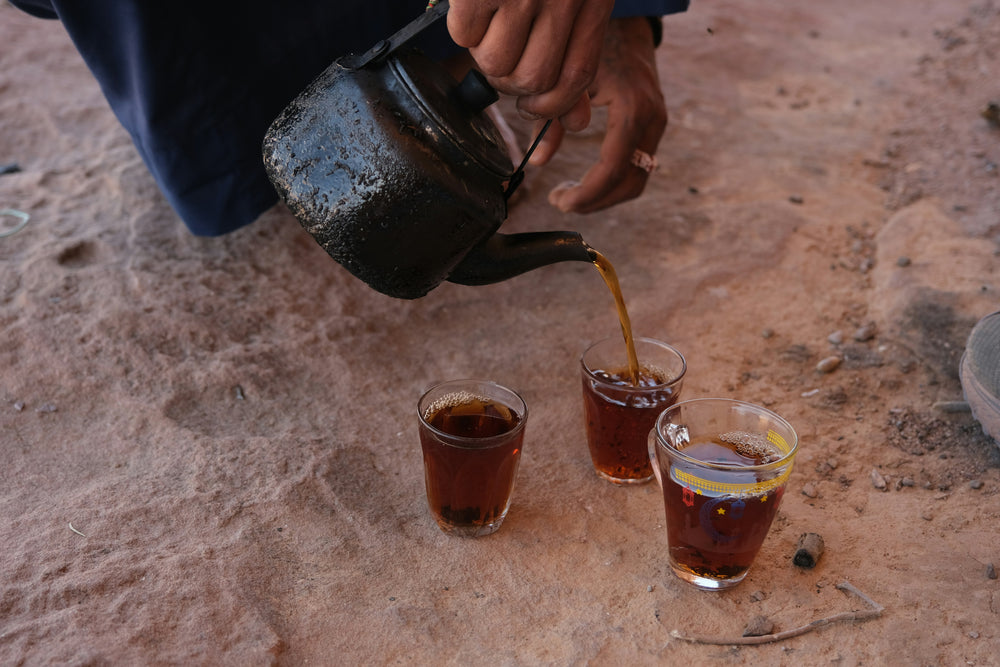
☕︎ Local Flavor

Petra Kitchen Cooking Class

Rating: 5★ | Price: $$$ | Coordinates: 30.3268° N, 35.4814° E

The most celebrated restaurant in the Petra region is also its most unusual: a communal cooking school where a fixed group of travelers prepares the full arc of a traditional Jordanian dinner — meze of hummus, mutabbal, fattoush, and tabbouleh; slow-cooked lamb mansaf with jameed yogurt; musakhan (roasted chicken on flatbread with caramelized onions and sumac); and knafeh with orange blossom water for dessert. The session runs for two hours in a kitchen above Wadi Musa and ends with the meal the group has cooked together. The combination of instruction, conversation, and the specific warmth of a shared table makes it the best single food experience available in the Petra region.

View Entry Details

Al Qantarah Restaurant

Rating: 4.8★ | Price: $$$ | Coordinates: 30.3265° N, 35.4812° E

The finest table-service restaurant in Wadi Musa, named for the Nabataean bridge that once connected the two sides of the ancient city, and serving the most complete interpretation of Jordanian cuisine available in the Petra region. The mansaf — the national dish of Jordan, slow-cooked lamb over rice in fermented dried yogurt (jameed) — is made here to the traditional recipe without compromise: the sauce is genuinely jameed, not substituted yogurt; the rice is properly spiced; and the dish is served with fresh flatbread for scooping in the correct communal style. The vine-covered terrace at sunset is the best outdoor dining space in the canyon town.

View Entry Details

The Cave Bar

Rating: 4.7★ | Price: $$ | Coordinates: 30.3228° N, 35.4795° E

A 2,000-year-old Nabataean tomb carved into the cliff face at the entrance to the Petra site, converted into a candlelit bar whose combination of archaeological setting and Jordanian hospitality makes it the most atmospheric drinking space in the Arab world. The rock walls carry the original Nabataean chisel marks; the ceiling is the same carved stone the Nabataean craftsmen left it; and the candles multiply in the shadows of the tomb in a way that no interior designer could replicate. Non-alcoholic options are available and excellent. The mint lemonade is the best in Wadi Musa. Come here on the evening before your first Petra entry and let the setting do the rest.

View Entry Details

Wadi Musa Street Food & Local Kitchen Tour

Rating: 4.9★ | Price: $$ | Coordinates: 30.3268° N, 35.4814° E

Navigate the food geography of Wadi Musa — the town that serves the three million visitors who pass through Petra each year — with a local guide who knows which kitchen serves the genuine article: the fuul (slow-cooked fava beans) vendor whose cart has been at the same corner since sunrise, the bakery producing ka'ak bread rings in the old way, the shawarma stand where the local guides eat rather than the tourists, and the spice merchant whose za'atar blend comes from the specific wild thyme that grows in the limestone hills above the canyon. This walk encodes the food culture of a community that has been receiving travelers — Nabataean caravan traders, Byzantine pilgrims, Crusader knights, and modern tourists — for two thousand years.

View Entry Details

🛌︎ Boutique Stays

Mövenpick Resort Petra

Rating: 4.8★ | Price: $$$$ | Coordinates: 30.3220° N, 35.4788° E

The only five-star hotel built into the sandstone escarpment directly at the entrance to Petra — an extraordinary piece of architecture whose 183 rooms are carved into and built around the rose-red cliffs, with a rooftop terrace that delivers the most dramatic views of Wadi Musa and the surrounding canyon landscape available from any bed in Jordan. A ten-minute walk from the visitor center, the Mövenpick is the definitive base for serious Petra exploration: the earliest possible entry into the site each morning, the latest possible departure each evening, and a kitchen serving Jordanian food of genuine quality. The rooftop bar at sunset, with the canyon turning amber and the first stars appearing above the escarpment, is among the finest hotel moments in the Middle East.

View Entry Details

Seven Wonders Bedouin Camp

Rating: 4.9★ | Price: $$$ | Coordinates: 30.3015° N, 35.4892° E

Carved into the canyon walls of Little Petra (Siq al-Barid) — the smaller Nabataean site two kilometers north of the main city — Seven Wonders Bedouin Camp is the most atmospherically embedded accommodation in the Petra region. The cave rooms are literal Nabataean spaces: carved directly into the sandstone over two thousand years ago and furnished with Bedouin textiles, brass lanterns, and handwoven rugs that make them some of the most extraordinary sleeping spaces in Jordan. The camp hosts traditional Bedouin dinners under the open sky and stargazing sessions that, away from any town light, show the full depth of the Wadi Rum desert sky. This is the experience of sleeping inside an archaeological site.

View Entry Details

Petra Moon Hotel

Rating: 4.7★ | Price: $$$ | Coordinates: 30.3241° N, 35.4800° E

A family-run boutique hotel within walking distance of the Petra visitor center, consistently praised for the warmth of its Jordanian hosts and the quality of its traditionally cooked breakfast. The rooftop terrace looks directly toward the canyon entrance, and the hotel's position on the edge of Wadi Musa village makes it the best combination of access and authentic local experience available at its price point. The owners are Petra themselves — the descendants of the Bdoul Bedouin tribe who lived inside the caves of Petra until their relocation in the 1980s — and their knowledge of the site is irreplaceable.

View Entry Details

Petra Guest House Hotel

Rating: 4.6★ | Price: $$$ | Coordinates: 30.3228° N, 35.4795° E

The closest hotel to the Petra site entrance in Wadi Musa and the home of the Cave Bar — a 2,000-year-old Nabataean tomb converted into one of the most atmospheric bars in the world, carved into the cliff face and lit by candlelight with the canyon walls visible through the entrance. The hotel's location means guests can enter Petra at opening time (6 AM) before the day-trippers arrive and retreat during the midday heat. The combination of the site access and the Cave Bar makes it the most practically useful base in Wadi Musa for a serious Petra visit.

View Entry Details

📍︎ Field Study

Petra Treasury & Siq Guided Walking Tour

Rating: 5★ | Price: $$ | Coordinates: 30.3285° N, 35.4444° E

The walk through the Siq — a one-kilometer natural gorge whose rose-red sandstone walls narrow to three meters and rise to eighty — is the finest architectural approach to any ancient site in the world. The Treasury emerges at the end of it in complete silence, and the first view of the ornate two-story Hellenistic facade against the canyon wall is, by widespread consensus, one of the most overwhelming single visual moments available to a traveler anywhere on earth. A licensed Petra guide covers the Siq inscriptions, the Bab as-Siq triclinia, the obelisk tomb, the Street of Facades, the Roman Theatre, the Royal Tombs, and the Colonnaded Street. Budget a full day; the Treasury is just the beginning.

View Entry Details

The Monastery (Ad Deir) Hike

Rating: 5★ | Price: $$ | Coordinates: 30.3400° N, 35.4267° E

The Monastery — Ad Deir — is the largest monument in Petra and the one most travelers never reach: a 50-meter-wide, 45-meter-tall rock-cut facade at the summit of a 45-minute stair climb of 850 steps cut into the living sandstone. Larger than the Treasury, more remote, and seen by a fraction of visitors, it is the definitive reward of effort in Petra. The route climbs through canyon walls of layered sandstone in extraordinary colors — purple, rose, cream, and black — and the small tea houses carved into the cliff face midway offer the finest mint tea available in the city of the dead. Arrive in the late afternoon when the facade catches the last golden light and the canyon below turns amber.

View Entry Details

Petra by Night

Rating: 4.8★ | Price: $$ | Coordinates: 30.3285° N, 35.4444° E

Three times a week, the Siq and the Treasury plaza are illuminated by two thousand paper bag candles in a procession that transforms the archaeological site into something that operates entirely outside the category of tourism. The walk through the candlelit gorge in silence, the arrival at the Treasury glowing against the dark canyon walls, and the thirty minutes of Bedouin music and tea on the sand in front of the facade constitute one of the most moving experiences available in the Arab world. It runs Monday, Wednesday, and Thursday from 8:30 PM. Book in advance — capacity is limited and the experience does not survive a crowd.

View Entry Details

Little Petra (Siq al-Barid) & Painted House

Rating: 4.9★ | Price: $ | Coordinates: 30.3594° N, 35.4361° E

Two kilometers north of the main Petra entrance, Little Petra is a compact Nabataean suburb carved into a smaller sandstone canyon — an agricultural and commercial outpost that received the caravans before they entered the main city. The Painted House, carved into the rock face of Little Petra's main chamber, contains the only surviving interior Nabataean fresco in the entire Petra region: vine leaves, birds, and geometric motifs painted in red and yellow pigment on the carved ceiling two thousand years ago. Admission is free, the site is rarely crowded, and it rewards the twenty-minute detour with a degree of intimacy impossible to find in the main city.

View Entry Details

Typography

Archival Note: A formal technical study of Petra, Jordan, archiving the coordinates, elevation, and environmental data that define the region. This data serves as a vital record for our ongoing global field study, providing the technical foundation behind every atmospheric detail captured in our visual work.

Botanical and pigment specimen study for Petra, Jordan Colors of Petra, Jordan
Coordinates
30.3285° N, 35.4444° E — Southern Jordan, Arabah highlands
Historical Epoch
Nabataean Kingdom (c. 4th century BCE–106 CE), unknown to the Western world until Burckhardt’s disguised entry in 1812
Elevation
810 m / 2,657 ft, natural sandstone basin in the Arabah highlands of the Hejaz
Atmosphere
Hot Semi-Arid (BSh), warm dry summers 35°C, mild perfect winters October through April
Observation Hour
06:00 AM, Treasury at opening, rose-red stone warm amber before the crowds arrive
Primary Pigment
Nabataean Rose (#C27A6A) and Siq Shadow (#3A2E2E)
Best Time to Visit
March through May, September through November, spring wildflowers carpet the canyon floor, temperatures are mild, and the rose-red stone is at its most vivid in the clear desert light
Avoid Visiting
July through August, canyon bottoms trap heat above 38°C by noon, serious dehydration risk makes the Monastery hike genuinely dangerous without significant water and early starts

Behind The Scenes

Nathan

Note from the Founder

Hey, did you know this fun fact about Petra, Jordan? Petra contains more than 800 monuments across 264 km², and less than 15% has been excavated.
Thank you for exploring the Petra, Jordan series with us. We hope these notes have inspired you to add this incredible destination to your own passport—we are so glad you're here. — Nathan

Some of our Favorites