Maputo, Mozambique

Along the Maputo waterfront, a grand colonial facade glows amber beneath palm silhouettes as the Indian Ocean fades into a rose and cobalt dusk. This watercolor study of the coastal promenade captures the city's warm lantern light bleeding into deep blue water and velvet tropical shadow.
Original Series / Visual Study
Regional Dossier

MAPUTO, MOZAMBIQUE | "Cidade de Acacias, The City of Acacias"

Maputo is the most architecturally surprising capital in Africa. A compact, Portuguese-colonial city on Delagoa Bay where the wide tree-lined avenues of the Baixa district, the Art Nouveau facades of the CFM railway station, the prefabricated Iron House from Gustave Eiffel's atelier, and the mosaic-tiled pavements of the seafront Marginal create a visual identity that exists nowhere else on the continent. Founded as Lourenço Marques in the 1870s, the city became one of the most prosperous ports in southern Africa, attracting the architects, engineers, and traders who built the extraordinary layered built environment that still defines its historic center. The CFM railway station is a white ornamental Art Nouveau structure with green decorative bands, a rose window, arched entrance, and tall flanking pines that has stood at the end of Avenida Samora Machel since 1916.

The colors are unmistakably warm and specific: the creamy white and green of the CFM facade in the morning light, the terracotta of the mosaic pavements on the Avenida 25 de Setembro, the deep turquoise of Delagoa Bay at noon from the Polana cliff, and the warm gold of the acacia flowers that give the city its Portuguese nickname. It is a palette that feels simultaneously European and tropical, and entirely its own.

Select Size
Museum-Grade Canvas
Ready to Hang
Made to Order · Ships in 3–5 Days (U.S.)
Add to the collection for /

$65.00

Finding the Stillness

It's hard to put the "vibe" of a place into words, so we put together a few images that we think show the quiet side of Maputo, Mozambique. These are the textures and small moments we've archived to capture the stillness of this corner of the world.

Maputo, Mozambique visual study 01
Maputo, Mozambique / No. 01 via Sergei A
The CFM railway station is the most beautiful building in Mozambique and one of the finest Art Nouveau structures in the southern hemisphere. The white ornamental facade, with its green decorative bands, rose window, arched entrance hall, and the double row of tall pines flanking the approach path, was completed in 1916 and has remained unchanged since. In the morning light, before the Indian Ocean haze builds, the white stonework glows against the deep blue sky with a clarity that makes the building look freshly built.
Maputo, Mozambique visual study 02
Maputo, Mozambique / No. 02 via Hu Chen
The Baixa district is the architectural heart of Maputo, a compact grid of wide Portuguese colonial avenues laid out in the 1880s and lined with the neoclassical and Art Deco buildings that document the ambition of Lourenço Marques at its commercial peak. The mosaic-tiled pavements of Avenida 25 de Setembro, the wrought-iron balconies, and the wide jacaranda-shaded sidewalks create a pedestrian environment of extraordinary spatial generosity rare in African cities of this size.
Maputo, Mozambique visual study 03
Maputo, Mozambique / No. 03 via Casey Allen
The Polana neighborhood sits on the cliff above the Baixa and faces west across Delagoa Bay, providing the most dramatic natural setting of any residential district in Maputo. The 1922 Polana Serena Hotel is the anchor of the neighborhood, and its terraced gardens, colonial facade, and pool terrace overlooking the bay have made it the reference address for every significant visitor to Mozambique since independence.

Where to wander

Archival Note: A curated field study of Maputo, Mozambique, prioritizing cultural relevance and archival merit. These locations have been meticulously researched and vetted to ensure they represent the most authentic atmosphere for your own expedition.

Local Cuisine Spotlight
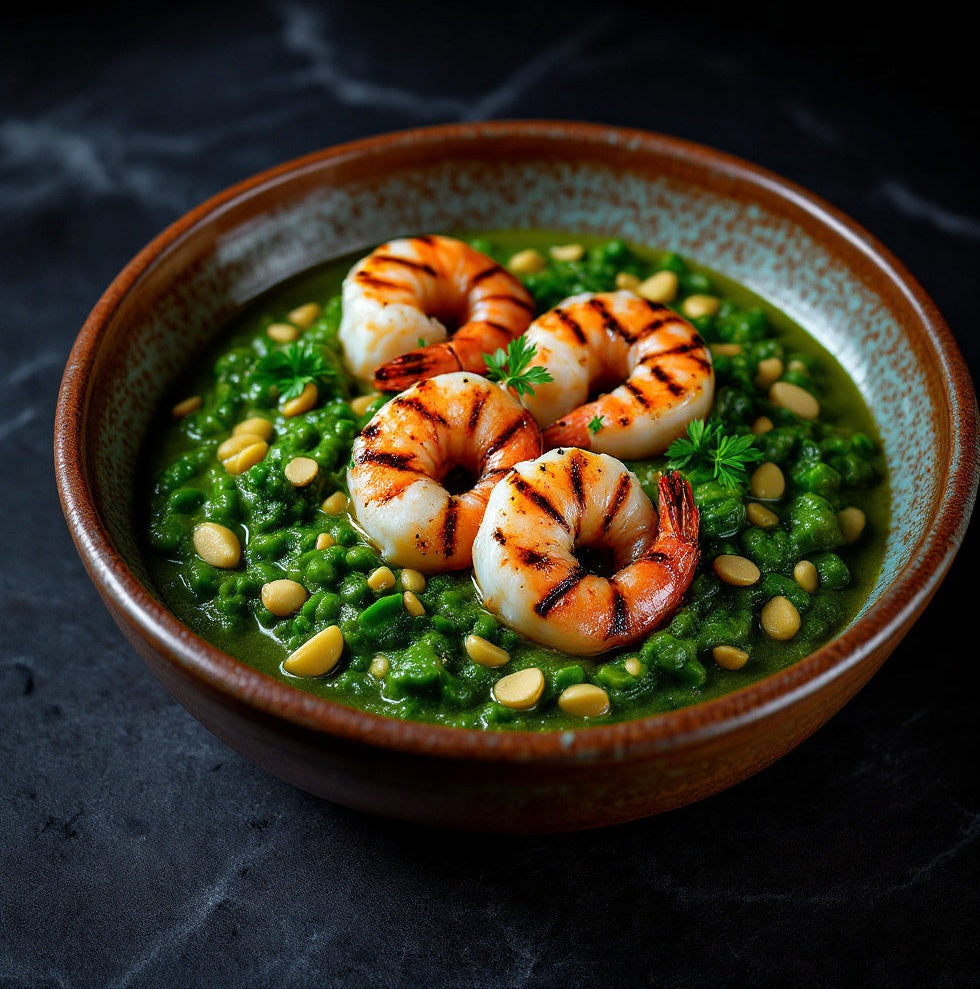
Piri-piri prawns are the defining dish of Mozambican cuisine and the meal by which every kitchen in Maputo is ultimately judged. The large camarão of the Indian Ocean coast, grilled over charcoal and served with fire-red piri-piri sauce, crusty bread, and lemon, is the preparation that made the Mozambican seafood tradition internationally recognized. Matapa, the cassava leaf stew simmered with coconut milk, peanuts, and dried shrimp, is the most distinctively Mozambican dish in the national kitchen.
Credits: HERM PONTE
Local cuisine study in Maputo, Mozambique

☕︎ Local Flavor

Restaurante Zambi

Rating: 4.8★ | Price: $$$ | Coordinates: 25.9677° S, 32.5735° E

Occupy a table at the most celebrated seafood restaurant in Maputo, a Polana neighborhood institution where the piri-piri prawns are the finest preparation of Mozambique's defining dish available in the city. The kitchen sources directly from the Indian Ocean fishing boats that dock at the Maputo harbor and the prawns — the large Mozambican camarão that has made this coastline famous across the Portuguese-speaking world — are grilled over charcoal and served with piri-piri sauce, lemon, and crusty bread in the preparation that has been the definitive Mozambican meal since the colonial era. Zambi is the calibration point for understanding what Maputo eats.

View Entry Details

Costa do Sol Restaurant

Rating: 4.7★ | Price: $$$ | Coordinates: 25.9423° S, 32.5923° E

Dine at the most historically embedded restaurant on the Maputo seafront, a beachside institution on the Marginal that has been serving piri-piri prawns, grilled peixe espada, and matapa — the cassava leaf stew with coconut milk and peanuts that is the most distinctively Mozambican preparation in the national kitchen — since the 1950s. The setting faces the Indian Ocean directly across the beach, and the afternoon light on the water at the hour between lunch and sunset is the most atmospheric dining moment available in the city. Costa do Sol is the restaurant that made the Mozambican seafood tradition internationally recognized.

View Entry Details

Mercado Central: Street Food Circuit

Rating: 4.5★ | Price: $ | Coordinates: 25.9656° S, 32.5789° E

Walk the stalls of Maputo's central market at lunchtime, where the food vendors produce the full daily vocabulary of Mozambican street cuisine: cachupa slow-cooked bean and vegetable stew, grilled espetadas meat skewers, the fresh fruit of the Indian Ocean coastal plain — mangoes, papayas, and the custard apples that are specific to the Mozambican coast — and the fresh coconut water that is the defining refreshment of the city. The market is also the primary location for purchasing the dried shrimp, coconut cream, and fresh cassava leaves that underpin the Mozambican kitchen.

View Entry Details

Café Continental

Rating: 4.6★ | Price: $$ | Coordinates: 25.9667° S, 32.5756° E

Enter the most historically resonant café in Maputo's Baixa district, a colonial-era institution on Avenida 25 de Setembro where the Portuguese pastel de nata, the Mozambican bolo polana cashew cake, and the galão coffee in a tall glass are served to the government ministers, lawyers, and traders who have been meeting here since the late colonial period. The café occupies a corner building with the wide mosaic-tiled pavement characteristic of the Baixa and faces the street life of the city's administrative center. It is the most direct surviving document of the Portuguese café culture that shaped Maputo's social identity.

View Entry Details

🛌︎ Boutique Stays

Polana Serena Hotel

Rating: 4.8★ | Price: $$$$ | Coordinates: 25.9623° S, 32.5912° E

Inhabit the most historically significant hotel in Mozambique, a 1922 Portuguese colonial grande dame on the Polana cliff above the Indian Ocean where the neoclassical facade, the terraced gardens, and the view from the pool terrace across Delagoa Bay have made it the reference address for every dignitary, journalist, and cultural figure who has passed through Maputo since independence. The Polana Serena is the hotel that anchors the entire identity of the Polana neighborhood — the most elegant residential district in the city — and staying here is the most historically resonant accommodation experience available in Mozambique.

View Entry Details

Radisson Blu Hotel Maputo

Rating: 4.7★ | Price: $$$$ | Coordinates: 25.9645° S, 32.5834° E

Occupy a room in the most technologically complete hotel in the city, a tower in the Sommerschield district with floor-to-ceiling windows facing the Bay of Maputo and the most efficient position for accessing the Baixa, the Polana shopping corridor, and the diplomatic quarter. The Radisson Blu is the primary address for international business delegations and NGO workers visiting Maputo and operates as the most practical base for a first visit to the city.

View Entry Details

Hotel Cardoso

Rating: 4.6★ | Price: $$$ | Coordinates: 25.9689° S, 32.5823° E

Settle into the most scenically positioned mid-range hotel in Maputo, a cliffside property above the Baixa with a rooftop pool that offers the definitive panoramic view of Delagoa Bay, the container port, and the city spreading north along the Indian Ocean coastline. The Hotel Cardoso is the most atmospheric accommodation option in the city for visitors wanting to be above the Baixa while remaining within walking distance of the CFM railway station, the Iron House, and the natural history museum.

View Entry Details

Base Backpackers

Rating: 4.5★ | Price: $$ | Coordinates: 25.9678° S, 32.5801° E

Occupy the most socially embedded guesthouse in Maputo, a Polana neighborhood property that has functioned as the primary gathering point for independent travelers, overland cyclists, and long-term researchers passing through the city for over two decades. Base Backpackers is positioned within walking distance of the Saturday craft market, the Polana shopping center, and the restaurant corridor that runs through the neighborhood, and staying here provides genuine access to the informal network of travelers and long-term residents who know the city most honestly.

View Entry Details

📍︎ Field Study

CFM Railway Station and Baixa Heritage Walk

Rating: 4.9★ | Price: $$ | Coordinates: 25.9712° S, 32.5756° E

Walk the historic Baixa district with a guide who decodes the architectural stratigraphy of a colonial city built by three distinct waves of Portuguese development between the 1880s and the 1960s. The walk begins at the CFM railway station, the most beautiful building in Mozambique, whose white Art Nouveau facade, green decorative bands, and rose window were designed in 1910 and completed in 1916. It continues past the Iron House — a prefabricated metal structure attributed to Gustave Eiffel's atelier — the Natural History Museum, the Municipal Market, and the mosaic-tiled Avenida 25 de Setembro, documenting the full range of Portuguese colonial architectural ambition in a single afternoon.

View Entry Details

Ilha de Moçambique: UNESCO World Heritage Day Trip

Rating: 4.9★ | Price: $$$$ | Coordinates: 15.0333° S, 40.7333° E

Fly north to the UNESCO World Heritage island of Moçambique, the oldest European settlement in East Africa and the most intact example of a Portuguese colonial port city in the world. The island was the capital of Portuguese East Africa from 1507 to 1898 and its coral stone architecture, the Fort of São Sebastião, the Palace and Chapel of São Paulo, and the 16th century mosque document the full layered history of the Indian Ocean trade in a single square kilometer. The island is the most important historical site in Mozambique and the most architecturally significant UNESCO designation in southern Africa.

View Entry Details

Saturday Craft Market: Artisanal Circuit

Rating: 4.7★ | Price: $ | Coordinates: 25.9634° S, 32.5867° E

Enter the Saturday craft market near the Polana shopping center, where the woodcarvers, batik painters, basket weavers, and capulana fabric sellers from across Mozambique and the broader East African region set up the most comprehensive single-site archive of Mozambican material culture available to a visitor. The Makonde woodcarvings from the Cabo Delgado province are the most internationally recognized Mozambican art form and the most important pieces in the market. The capulana wax-resist printed cloth, in the brilliant tropical colors specific to the Mozambican coast, is the defining visual element of the national textile tradition.

View Entry Details

Maputo Natural History Museum

Rating: 4.6★ | Price: $ | Coordinates: 25.9656° S, 32.5778° E

Enter the most architecturally extraordinary museum building in southern Africa, a 1913 Portuguese Manueline-revival structure with a central courtyard whose tile work, carved stone arches, and painted ceilings document the ornamental vocabulary of Portuguese imperial architecture at its most elaborate. The collections document the natural history of the Mozambican coastal plain, the Zambezi River system, and the Indian Ocean marine environment with the zoological and botanical archives assembled during the colonial period. The elephant room, housing a complete mounted elephant family group that has been in the collection since the early twentieth century, is the most visited single exhibit in the country.

View Entry Details

Typography

Archival Note: A formal technical study of Maputo, Mozambique, archiving the coordinates, elevation, and environmental data that define the region. This data serves as a vital record for our ongoing global field study, providing the technical foundation behind every atmospheric detail captured in our visual work.

Botanical and pigment specimen study for Maputo, Mozambique Colors of Maputo, Mozambique
Coordinates
25.9677° S, 32.5735° E — Delagoa Bay, Indian Ocean coast, southern Mozambique
Historical Epoch
Nguni and Ronga settlement before 1500 CE. Portuguese trading post from 1544. Lourenço Marques declared capital of Portuguese East Africa in 1898. Mozambican independence on June 25, 1975.
Elevation
47 m / 154 ft. Low coastal plain on Delagoa Bay, rising to the Polana cliff above the Indian Ocean.
Atmosphere
Tropical Savanna (Aw). Hot wet season November through March, dry season April through October with the clearest light and most comfortable temperatures of the year.
Observation Hour
07:00 AM. Morning Indian Ocean light arrives clean and low before the bay haze builds, illuminating the CFM station facade and the Baixa mosaic pavements at their most vivid.
Primary Pigment
CFM White (#F2EFE8) and Delagoa Turquoise (#2A8A9B)
Best Time to Visit
April through September. The dry season brings clear skies, low humidity and the sharpest Indian Ocean light. The CFM station facade and the Baixa pavements are at their most photogenic.
Avoid Visiting
December through February. Peak wet season brings high humidity and heavy afternoon rain making the Baixa difficult to walk at midday. The city remains beautiful but the outdoor experience suffers.

Behind The Scenes

Nathan

Note from the Founder

Hey, did you know this fun fact about Maputo, Mozambique? The CFM railway station was designed in 1910 and completed in 1916 at the end of Avenida Samora Machel, positioned so that every major avenue in the Baixa planning grid terminates at its facade, making it the visual anchor of the entire historic center.
Thank you for exploring the Maputo, Mozambique series with us. We hope these notes have inspired you to add this incredible destination to your own passport—we are so glad you're here. — Nathan

Some of our Favorites