Kamakura, Japan

An original watercolor print from The Painted Passport archive — designed to bring the light, color, and atmosphere of your favorite destinations into your home.
Original Series / Visual Study
Regional Dossier

Kamakura, Japan | Where Ancient Temples Meet the Whispering Sea

Kamakura sits in a gentle cradle of forested hills just south of Tokyo, its narrow lanes carrying the weight of a thousand years with extraordinary grace. This was once the political heart of medieval Japan, home to shoguns and samurai, and that layered history still breathes through every mossy stone gate and weathered cedar shrine. The quality of light here shifts with quiet drama: soft and diffused through bamboo canopies in the morning, then warm and golden as it catches the bronze flanks of the Great Buddha at dusk. It is a city that rewards slowness, asking visitors to pause, listen to the cicadas, and let the atmosphere settle in.

The watercolor palette of Kamakura draws from a deep, contemplative well. Expect soft celadon greens from temple moss and bamboo groves, warm umber and ochre from ancient timber and lantern-lit pathways, and the muted periwinkle blue of Sagami Bay glimpsed between rooftops. Flashes of vermillion appear at torii gates against dark cryptomeria forests, and the blush of cherry blossoms or hydrangeas softens the whole scene depending on the season.

Select Size
Add to the collection for /

$65.00

Finding the Stillness

It's hard to put the "vibe" of a place into words, so we put together a few images that we think show the quiet side of Kamakura, Japan. These are just some of the textures and small moments that felt special to us while we were exploring.

Kamakura, Japan visual study 01
Kamakura, Japan / No. 01 via Anton Cherednichenko
Soft overcast light bathes this serene temple approach in gentle, even illumination that reveals the rich charcoal tones of the wooden gate and the verdant greens pressed close on either side. The weathered stone pathway curves slightly upward, inviting the eye deeper into the sanctuary while moss-covered stone lanterns stand sentinel on either side. This quiet moment captures the timeless quality of Japanese temple spaces, where human craftsmanship and nature exist in perfect, understated balance.
Kamakura, Japan visual study 02
Kamakura, Japan / No. 02 via AXP Photography
The brilliant blue sky creates a striking contrast with the weathered bronze statue, its patina glowing green in the bright sunlight. Standing beneath this colossal figure would evoke a profound sense of scale and tranquility, as the clear day amplifies the serene expression carved into the Buddha's face. The angle and lighting capture the intricate detail of the hair curls while emphasizing the meditative stillness that has defined this iconic monument for centuries.
Kamakura, Japan visual study 03
Kamakura, Japan / No. 03 via RABIN Bhandari
This elevated vista captures Kamakura's residential sprawl cascading toward the turquoise sea under clear skies. The foreground features delicate bare branches creating an intricate lacework that frames the expansive cityscape, a subtle textural element that grounds the viewer's perspective. The rail line cutting through the town hints at the infrastructure connecting this historic coastal community to greater Tokyo.

Where to wander

Archival Note: These recommendations were curated personally during our time in Kamakura, Japan to capture the textures that defined the quiet frequencies of the trip. Every entry here is a place we genuinely love; we hope these notes inspire you to wander off the main path and discover the same stillness we found on the ground.

Local Cuisine Spotlight
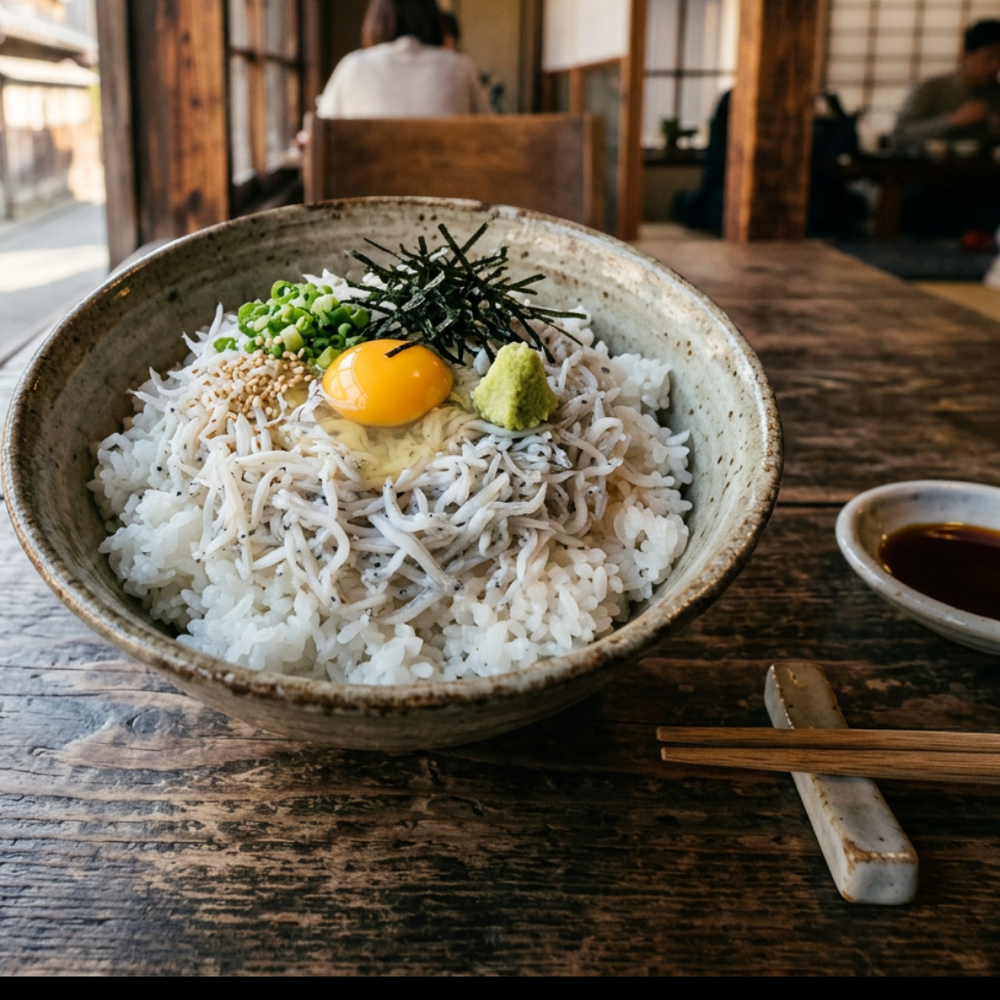
Hiyamen, or cold ramen, is a refreshing noodle dish that shines on warm days with its silky strands and delicate toppings. The raw egg yolk mingles with the dipping sauce to create a rich, savory coating for each slurp of perfectly chilled noodles. This Kamakura specialty combines textural contrasts and clean flavors in every mesmerizing bite.
Credits: The Painted Passport
Local cuisine study in Kamakura, Japan

☕︎ Local Flavor

Raitei

Rating: 5* | Price: $$$$ | Coordinates: 35.3381° N, 139.5583° E

Set within a stunning traditional Japanese garden, Raitei serves multi-course kaiseki meals that feel like edible poetry composed from the finest seasonal ingredients. Each dish arrives as a small work of art, presented on handcrafted ceramics that reflect the restaurant's deep reverence for craft. Dining here in autumn, when the maple leaves turn crimson overhead, is one of Kamakura's most memorable experiences.

View Entry Details

Cafe Terrace Sakura

Rating: 4* | Price: $$ | Coordinates: 35.3162° N, 139.5492° E

This beloved neighborhood cafe sits beneath a canopy of old cherry trees and serves fresh shirasu rice bowls using tiny whitebait caught that same morning in Sagami Bay. The matcha latte here is rich and grassy without being bitter, making it the ideal companion to a slice of their housemade yuzu cheesecake. Its relaxed garden seating and friendly staff create exactly the kind of midday refuge every traveler needs.

View Entry Details

Hachinoki Kita-Kamakura

Rating: 5* | Price: $$$ | Coordinates: 35.3378° N, 139.5397° E

Housed in a beautifully restored machiya townhouse steps from Engakuji Temple, Hachinoki has been serving refined shojin ryori Buddhist cuisine for decades. The vegetable-forward dishes are prepared with extraordinary care, letting simple ingredients like tofu, burdock root, and miso shine without distraction. Eating here feels like a quiet meditative act, perfectly suited to the temple town atmosphere just outside the sliding doors.

View Entry Details

Shichirigahama Keisuke

Rating: 4* | Price: $$ | Coordinates: 35.2961° N, 139.5072° E

This breezy seaside spot overlooking Shichirigahama Beach serves some of the freshest seafood in the region, with a daily changing menu built entirely around the morning's catch. The grilled fish set lunch with pickled vegetables, miso soup, and steamed rice is hearty, satisfying, and incredibly good value for the quality. Grab a window seat and watch surfers ride the gentle waves while you eat; it is the very definition of coastal bliss.

View Entry Details

🛌︎ Boutique Stays

Kamakura Prince Hotel

Rating: 4* | Price: $$$ | Coordinates: 35.2969° N, 139.5897° E

Perched above Shichirigahama Beach, this elegant hotel offers sweeping ocean views that greet you every morning. The rooms blend Japanese minimalism with modern comfort, creating a serene retreat after a day of temple hopping. Sunsets from the terrace here are genuinely unforgettable, painting the Pacific in vivid shades of amber and rose.

View Entry Details

Ryokan Kamakura Kagetsuen

Rating: 5* | Price: $$$$ | Coordinates: 35.3197° N, 139.5467° E

This traditional ryokan wraps guests in the full warmth of Japanese hospitality, from tatami-floored rooms to seasonal kaiseki dinners served with quiet ceremony. Yukata robes and a private garden hot spring make evenings feel like a journey back in time. The staff anticipate your needs before you voice them, which makes every stay feel genuinely personal.

View Entry Details

Hase-dera Guesthouse Wisteria

Rating: 3* | Price: $$ | Coordinates: 35.3155° N, 139.5348° E

Tucked into a quiet residential lane near Hase Temple, this charming guesthouse offers cozy rooms decorated with handpicked local ceramics and fresh garden flowers. The owner prepares a homemade Japanese breakfast each morning using produce from nearby Yuigahama market. Its intimate scale makes it ideal for solo travelers or couples seeking a calm and authentic neighborhood experience.

View Entry Details

Hotel Metropolitan Kamakura

Rating: 4* | Price: $$$ | Coordinates: 35.3233° N, 139.5467° E

Located just steps from Kamakura Station, this polished hotel is the perfect base for exploring the city's famous trails and coastal paths. Rooms are spacious and thoughtfully designed, with comfortable beds and large windows framing views of the surrounding hills. The in-house restaurant serves beautifully plated Shonan cuisine that makes returning each evening a genuine pleasure.

View Entry Details

📍︎ Field Study

Kotoku-in Great Buddha

Rating: 5* | Price: $ | Coordinates: 35.3167° N, 139.5353° E

The colossal bronze Amida Buddha at Kotoku-in has sat serenely in the open air since 1252, and standing before it still produces a genuine sense of awe that no photograph can fully capture. At over thirteen meters tall, the statue carries a peaceful expression that seems to shift subtly depending on the light and weather. Arriving early in the morning when mist clings to the surrounding hills adds an almost otherworldly quality to the experience.

View Entry Details

Tsurugaoka Hachimangu Shrine

Rating: 5* | Price: Free | Coordinates: 35.3258° N, 139.5561° E

The spiritual heart of Kamakura, this magnificent Shinto shrine sits at the top of a long stone staircase flanked by ancient lotuses and seasonal flowers that bloom in brilliant succession throughout the year. Its bright vermillion architecture against the green hillside background creates one of the most photographed and genuinely stirring scenes in all of Japan. The treasure museum within the grounds holds remarkable artifacts that illuminate the Minamoto clan's powerful legacy in the region.

View Entry Details

Hokokuji Temple and Bamboo Garden

Rating: 5* | Price: $ | Coordinates: 35.3239° N, 139.5742° E

Hokokuji's celebrated bamboo grove, home to more than two thousand towering stalks, creates a hushed green corridor where sunlight filters down in soft, shifting columns that feel almost sacred. A small tea pavilion at the grove's heart serves matcha with a sweet wagashi confection, inviting you to sit and absorb the stillness for as long as you wish. This is one of the most photographed yet genuinely tranquil corners of Kamakura, especially on weekday mornings.

View Entry Details

Engakuji Temple Complex

Rating: 5* | Price: $ | Coordinates: 35.3392° N, 139.5394° E

Founded in 1282 to honor soldiers lost in the Mongol invasions, Engakuji is one of Japan's most important Zen temple complexes and remains a working center of practice where monks still train today. Winding stone paths connect a series of moss-covered halls, meditation gardens, and a bell tower that holds the largest temple bell in the Kamakura region. Visiting in autumn when the maples ignite with color transforms the already-beautiful grounds into something that feels borrowed from a painting.

View Entry Details

Typography

Archival Note: We have personally documented these geographic specs for Kamakura, Japan to ensure every watercolor study is anchored in real-world data. By cataloging the precise elevation, light cycles, and historical epochs, we provide a technical foundation that justifies the atmospheric stillness captured in our visual artifacts.

Botanical and pigment specimen study for Kamakura, Japan Colors of Kamakura, Japan
Coordinates
35.3197° N, 139.5467° E — Kamakura City Center, Kanagawa Prefecture, Japan
Historical Epoch
Kamakura served as Japan's de facto capital during the Kamakura shogunate from 1185 to 1333, a period that shaped samurai culture, Zen Buddhism, and Japanese governance for centuries to come.
Elevation
0-120 m / 0-394 ft. Kamakura sits largely at sea level along the coast with gently rising forested hills encircling the city on three sides.
Atmosphere
Cfa, Humid Subtropical. Kamakura enjoys mild winters and warm, humid summers. Spring and autumn deliver the most pleasant temperatures and the most paintable skies.
Observation Hour
07:00. Morning mist softens the hills and temple rooftops in a diffused silver glow before crowds arrive. Golden hour returns warmly around 16:30 in spring and autumn.
Primary Pigment
Celadon Moss (#8FAF8A) and Temple Umber (#8B6347)
Best Time to Visit
March through May. Cherry blossoms in late March and mild spring temperatures make this the most atmospheric and visually rewarding season.
Avoid Visiting
July through August. Peak summer brings heavy humidity, intense heat, and the largest tourist crowds, making outdoor temple exploration genuinely uncomfortable.

Behind The Scenes

Nathan

Note from the Founder

Hey, did you know this fun fact about Kamakura, Japan? Kamakura was once Japan's third largest city in the medieval period. The Great Buddha at Kotoku-in has stood outdoors since its wooden enclosure was destroyed by a typhoon in 1498 and was never rebuilt.
Thank you for exploring the Kamakura, Japan series with us. We hope these notes have inspired you to add this incredible destination to your own passport—we are so glad you're here. — Nathan

Some of our Favorites