Isfahan, Iran

This Canvas features original artwork from our time in Isfahan, Iran.
Canvas / Visual Study
Regional Dossier

Isfahan, Iran | 'Half the world in turquoise and gold'

Isfahan sits at the heart of Persia like a jewel box left open to the sky. The Safavid shahs built this city to astonish, and it still does - mosques tiled in cobalt and lapis, bridges spanning the Zayandeh River in elegant stone arches, gardens where the sound of fountains mingles with the scent of rose water. The light here feels ancient, filtering through pointed arches and bouncing off tilework that has been catching the sun for four centuries. Every courtyard tells a story about ambition, beauty, and the Silk Road caravans that once passed through these dusty streets.

The watercolor palette of Isfahan asks for azure blues that shift from sky to sapphire, warm ochres that capture the clay and desert beyond the city walls, and flashes of Persian turquoise - that particular green-blue that only appears in tilework and mountain streams. Gold leaf and honey tones fill the interiors, while the gardens demand soft greens and the dusty roses of late afternoon.

Select Size
Add to the collection for /

$65.00

Finding the Stillness

It's hard to put the "vibe" of a place into words, so we put together a few images that we think show the quiet side of Isfahan, Iran. These are the textures and small moments we've archived to capture the stillness of this corner of the world.

Isfahan, Iran visual study 01
Isfahan, Iran / No. 01 via Shahab Zolfaghari
The vaulted ceiling blooms with intricate tilework in turquoise and deep blue, punctuated by orange and gold floral motifs that seem to float across the surface. Each archway nestles within the next, creating a rhythmic descent toward a central niche where the pattern darkens and concentrates. The craftsmanship reveals itself in thousands of individual pieces—each petal, vine, and geometric border carefully placed to transform stone into something that breathes with color and light.
Isfahan, Iran visual study 02
Isfahan, Iran / No. 02 via Hasan Almasi
The late afternoon light catches the turquoise tiles of the dome and minarets, their brilliant blue standing sharp against the pale sky while casting soft shadows across the earthen structures below. The air appears still and dry, the kind of quietness that settles over ancient cities in the hours before dusk. Standing here, one would sense the weight of centuries in the worn brick and the intricate tilework, the contrast between the ornate and the plain speaking to different eras of construction and repair.
Isfahan, Iran visual study 03
Isfahan, Iran / No. 03 via Ehsan Abedi
The shallow steps running down the center of the pathway catch fallen leaves in their seams, creating thin lines of orange against pale concrete. Benches flank both sides beneath the tunnel of golden trees, their metal frames repeating in steady rhythm toward the misty vanishing point. A few figures move through the haze at the far end, dark shapes barely distinguishable through the autumn canopy's filtered light.

Where to wander

Archival Note: A curated field study of Isfahan, Iran, prioritizing cultural relevance and archival merit. While we haven't touched down here yet, we've meticulously vetted these locations through our global network of contributors to ensure they represent the most authentic atmosphere for your own expedition.

Local Cuisine Spotlight
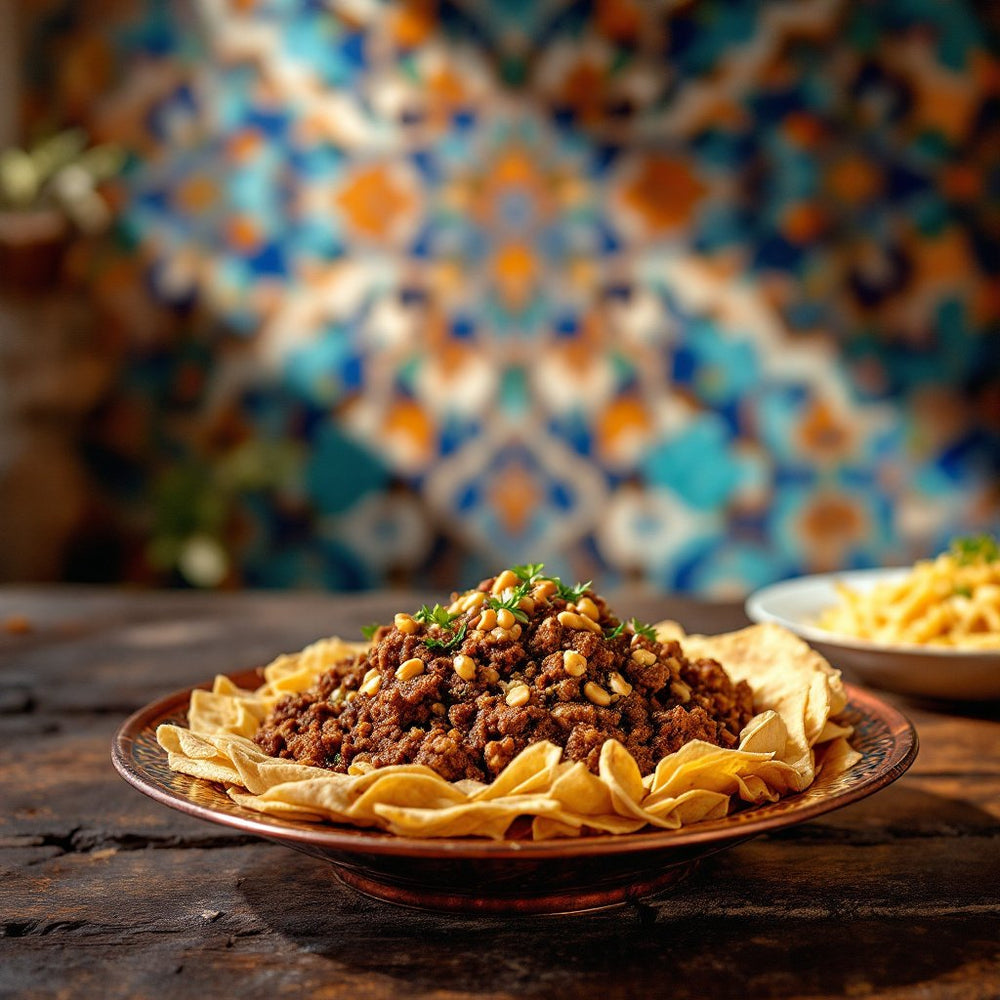
This Isfahan specialty layers tender egg noodles beneath a fragrant mound of spiced ground meat studded with chickpeas and pine nuts. The dish, known as reshteh polo, showcases the Persian mastery of layering textures—crispy tahdig at the bottom meets soft pasta and richly seasoned beef above. Fresh herbs crown the peak, adding brightness to each aromatic bite.
Credits: B77d B9e6d77603a1
Local cuisine study in Isfahan, Iran

☕︎ Local Flavor

Shahrzad Restaurant

Rating: 5* | Price: $$$ | Coordinates: 32.6553 N, 51.6748 E

Housed in a restored mansion with painted ceilings and carved wooden doors, this establishment serves refined Persian cuisine that honors regional Isfahan traditions. Their beryani—lamb shoulder slow-cooked with cinnamon and saffron—arrives in copper vessels unchanged since Safavid times, while the khoresht-e mast demonstrates how sweet and savory can achieve perfect balance. Live traditional music accompanies dinner service, transforming meals into cultural immersion.

View Entry Details

Azadegan Tea House and Restaurant

Rating: 4* | Price: $$ | Coordinates: 32.6542 N, 51.6731 E

This underground tea house beneath the Thirty-Three Arches Bridge creates an atmosphere where stone vaults and the sound of flowing water define the dining experience. Specializing in Isfahani dishes like khoresht-e gheimeh with dried limes, the kitchen maintains recipes passed through generations of local families. Cushioned platforms invite lingering over rose-scented tea while watching light patterns shift through the bridge's arches above.

View Entry Details

Naghsh-e Jahan Traditional Restaurant

Rating: 4* | Price: $$ | Coordinates: 32.6570 N, 51.6785 E

Located in a 400-year-old building overlooking the main square, this restaurant prepares dishes specific to Isfahan's Jewish-Persian heritage alongside classics. Their gousht-e kubideh and polo ba morgh arrive on hand-painted ceramics that echo the tilework visible through arched windows. The saffron ice cream with pistachios provides the traditional finish, served in a space where merchants once negotiated silk road trades.

View Entry Details

Café Shahr

Rating: 4* | Price: $ | Coordinates: 32.6615 N, 51.6795 E

This modest café near the Armenian Quarter serves breakfast spreads of local cheese, walnuts, and fresh herbs alongside hot bread delivered hourly from neighborhood ovens. Their ash-e reshteh—noodle soup thick with beans and greens—sustains local workers and curious travelers alike. The open kitchen allows glimpses of traditional preparation methods while sidewalk tables offer prime observation of daily Isfahan life unfolding without performance.

View Entry Details

🛌︎ Boutique Stays

Abbasi Hotel

Rating: 5* | Price: $$$ | Coordinates: 32.6546 N, 51.6740 E

A former caravanserai from the Safavid era, this 300-year-old sanctuary wraps around courtyards where fountains echo through vaulted arcades. Guest rooms preserve original frescoes and mirror work while opening onto gardens fragrant with bitter orange blossoms. The hotel's hammam maintains rituals that travelers have sought here for three centuries, offering a continuity rare in modern hospitality.

View Entry Details

Keryas Hotel

Rating: 4* | Price: $$ | Coordinates: 32.6574 N, 51.6802 E

This intimate boutique property occupies a restored Qajar-era mansion where wooden shutters filter light into geometric patterns across hand-knotted carpets. Each room interprets traditional Persian design through contemporary comfort, with breakfast served in a courtyard where pomegranate trees frame views of distant minarets. The rooftop terrace becomes a study in urban archaeology at sunset, layers of history visible in every direction.

View Entry Details

Parsian Ali Qapu Hotel

Rating: 4* | Price: $$ | Coordinates: 32.6565 N, 51.6782 E

Positioned steps from Naqsh-e Jahan Square, this hotel offers unmatched access to Isfahan's architectural heart while maintaining peaceful interiors adorned with regional tilework. Guest rooms balance modern amenities with traditional aesthetics, many overlooking the square where daily life unfolds as it has for centuries. The lobby's painted ceilings reference the nearby Ali Qapu Palace, creating dialogue between accommodation and monument.

View Entry Details

Ghasre Monshi Hotel

Rating: 4* | Price: $ | Coordinates: 32.6612 N, 51.6801 E

This heritage house turned budget-friendly guesthouse preserves original plasterwork and wooden ceiling panels that speak to Isfahan's artisan traditions. The central courtyard functions as communal living space where travelers share tea and stories beneath a centuries-old plane tree. Simple rooms prioritize character over luxury, with antique doors and recessed alcoves that honor the building's residential past.

View Entry Details

📍︎ Field Study

Sheikh Lotfollah Mosque

Rating: 5* | Price: $ | Coordinates: 32.6575 N, 51.6778 E

This private royal mosque achieves what many consider the pinnacle of Islamic architecture, where cream and pink tiles shift color throughout the day in response to natural light. The dome's interior peacock pattern appears to rotate as you move beneath it, a mathematical and artistic achievement that still confounds architects. Unlike congregational mosques, its intimate scale and absence of minarets emphasize personal contemplation over public ceremony.

View Entry Details

Vank Cathedral

Rating: 5* | Price: $ | Coordinates: 32.6524 N, 51.6673 E

The Armenian Cathedral's exterior simplicity gives no hint of the interior explosion of frescoes depicting biblical scenes with Persian artistic sensibilities. Built in the 1660s, it represents the synthesis achieved when Armenian Christians resettled here under Shah Abbas, creating unique cultural hybridization. The attached museum houses medieval manuscripts and documents chronicling the Armenian community's 400-year presence in the Jolfa district.

View Entry Details

Chehel Sotoun Palace

Rating: 5* | Price: $ | Coordinates: 32.6598 N, 51.6752 E

The palace's name means forty columns, counting both the actual twenty pillars and their reflection in the front pool—a poetic doubling typical of Persian design philosophy. Interior murals depict Safavid court life and legendary battles with remarkable detail, including rare depictions of wine consumption that reveal courtly realities. The talar hall's mirrored ceiling fragments create infinite reflections, suggesting the mystical dimensions of royal power.

View Entry Details

Si-o-se-pol Bridge

Rating: 4* | Price: Free | Coordinates: 32.6478 N, 51.6638 E

This thirty-three arched bridge from 1602 functions as both infrastructure and public gathering space, where locals picnic in its lower arcades and musicians perform in natural acoustic chambers. At night, illumination transforms the structure into a golden ribbon across the Zayandeh River, though recent drought cycles have left the riverbed often dry. The bridge's pedestrian life continues regardless, serving as testament to how great architecture transcends its original purpose.

View Entry Details

Typography

Archival Note: A formal technical study of Isfahan, Iran—archiving the coordinates, elevation, and environmental data that define the region. This data serves as a vital record for our ongoing global field study, allowing us to reconstruct the regional atmosphere with archival precision before our physical arrival.

Botanical and pigment specimen study for Isfahan, Iran Colors of Isfahan, Iran
Coordinates
32.6546° N, 51.6740° E - central Isfahan, Zagros foothills
Historical Epoch
Isfahan bloomed under the Safavids in the 16th century when Shah Abbas I made it his capital and filled it with bridges, palaces, and mosques. Before that, it was a Silk Road stopover. After, it became a memory of empire.
Elevation
1,575-1,630 m / 5,167-5,348 ft - Zayandeh River valley to elevated northern quarters
Atmosphere
BSk - Cold semi-arid. Winters can surprise with snow on the domes, while summer afternoons send everyone indoors until the evening cool arrives and the city wakes again.
Observation Hour
17:30 - The late sun turns the blue tiles of Sheikh Lotfollah Mosque into molten sapphire, and the entire Naqsh-e Jahan Square glows amber. Everything softens into honey and shadow.
Primary Pigment
Persian Turquoise (#1ABC9C) and Desert Ochre (#D4A574)
Best Time to Visit
April or early May - the gardens erupt in roses and jasmine, the weather stays gentle, and Nowruz celebrations have just passed leaving the city relaxed and welcoming.
Avoid Visiting
July and August - temperatures push past 38°C, the Zayandeh River often runs dry, and even the locals flee to mountain villages until the heat breaks in September.

Behind The Scenes

Nathan

Note from the Founder

Hey, did you know this fun fact about Isfahan, Iran? The tilework patterns on Sheikh Lotfollah Mosque change color throughout the day, shifting from cream to pink to deep blue. The architects positioned each tile to catch light at different angles, turning the dome into a slowly rotating kaleidoscope.
Thank you for exploring the Isfahan, Iran series with us. We hope these notes have inspired you to add this incredible destination to your own passport—we are so glad you're here. — Nathan

Some of our Favorites