Dakar, Senegal

Pastel facades in rose, gold, and turquoise line the cobblestone shore of Goree Island, where wooden boats rest at the water's edge beneath a blazing Atlantic sky. This watercolor study of the Goree Island waterfront near Dakar glows with sun-warmed color and a quiet, timeless stillness.
Original Series / Visual Study
Goree Island Waterfront Street
Regional Dossier

DAKAR, SENEGAL | "Teranga, The City That Welcomes"

Dakar is the westernmost city in Africa and the most culturally vibrant capital on the continent's Atlantic coast. A densely packed peninsula of two million people where the terracotta walls of the Médina, the brilliant painted pirogues of the fishing villages, and the iron balconies of the colonial Plateau neighborhood exist within a few kilometers of each other in one of the most visually saturated cities in West Africa. The city sits at the edge of the Cap-Vert peninsula on the southernmost tip of the Sahel, giving it a coastal Atlantic light that is cooler and cleaner than the rest of the West African coast and that makes the ochre and coral buildings glow in the morning hours.

The colors are specific and irreducible: the deep terracotta and coral of the Médina walls in morning light, the cobalt blue of the painted pirogues against the pale Atlantic surf, the brilliant saffron of the Mouride brotherhood fabrics in the market stalls, and the deep violet of a Dakar sunset over the open ocean. It is a palette that exists nowhere else in Africa and that shifts entirely between the harmattan dust season and the clean bright months of the short rains.

Select Size
Museum-Grade Canvas
Ready to Hang
Made to Order · Ships in 3–5 Days (U.S.)
Add to the collection for /

$65.00

Finding the Stillness

It's hard to put the "vibe" of a place into words, so we put together a few images that we think show the quiet side of Dakar, Senegal. These are the textures and small moments we've archived to capture the stillness of this corner of the world.

Dakar, Senegal visual study 01
Dakar, Senegal / No. 01 via Omoniyi David
Standing tall against the open sky, the African Renaissance Monument in Dakar captures a powerful sense of hope, resilience, and forward-looking determination. The grand staircase leading toward the towering family statue evokes a peaceful yet deeply inspiring journey toward a bright and unified future. It serves as a beautiful testament to human strength and the enduring spirit of a continent rising together.
Dakar, Senegal visual study 02
Dakar, Senegal / No. 02 via Elijah
As the sun dips below the horizon, it bathes the coast in a warm, golden glow that evokes a profound sense of peace and quiet wonder. The weathered wooden sculpture standing by the shoreline acts as a silent witness to the rhythmic, comforting crash of the ocean waves. It is a beautifully grounding scene that inspires us to pause, breathe, and appreciate the simple, timeless beauty of the natural world.
Dakar, Senegal visual study 03
Dakar, Senegal / No. 03 via Sweder Breet
Vibrant bursts of bright pink bougainvillea line a sun-drenched, rustic pathway, guiding the eye toward a peaceful glimpse of the blue sea beyond. The warm, weathered textures of the colorful buildings evoke a quiet charm, inviting you to slow down and wander. It captures a beautiful, tranquil moment where nature and local history blend seamlessly under the open sky.

Where to wander

Archival Note: A curated field study of Dakar, Senegal, prioritizing cultural relevance and archival merit. These locations have been meticulously researched and vetted to ensure they represent the most authentic atmosphere for your own expedition.

Local Cuisine Spotlight
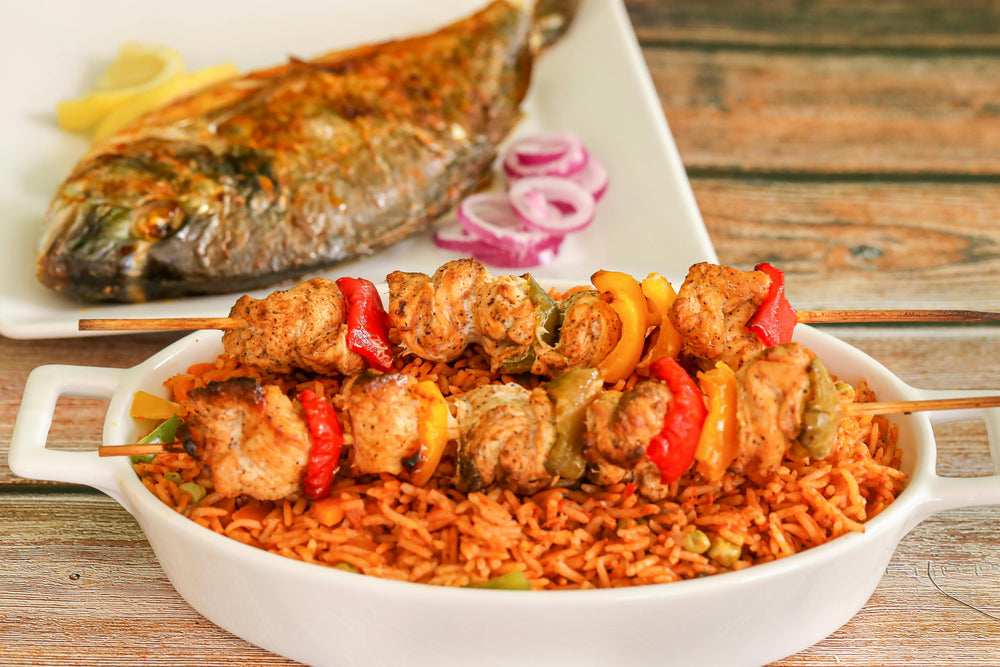
A beautifully prepared meal of seasoned chicken skewers resting over a bed of flavorful Jollof rice brings a sense of warmth, comfort, and shared tradition to the table. In the background, a perfectly grilled whole fish with fresh lemon and red onion rings hints at a rich culinary heritage crafted with care and passion. It is an inviting celebration of culture and community, beautifully capturing the uplifting joy of connecting over a hearty, home-cooked feast.
Credits: KEESHA'S KITCHEN
Local cuisine study in Dakar, Senegal

☕︎ Local Flavor

Le Lagon Restaurant

Rating: 4.7★ | Price: $$$ | Coordinates: 14.6928° N, 17.4467° W

Occupy a table on the terrace of the most scenically positioned restaurant in Dakar, built on stilts above the lagoon at the tip of the Cap-Vert peninsula where the Atlantic meets the bay and the fishing pirogues drift past at eye level. The kitchen produces a menu that treats the extraordinary Senegalese seafood tradition as primary source material: thiéboudienne, the national dish of rice and fish slow-cooked in tomato and tamarind broth, prepared here with the daily catch from the market boats visible through the dining room window. Le Lagon is simultaneously a serious restaurant and the most atmospheric lunch spot in the city.

View Entry Details

Chez Loutcha

Rating: 4.6★ | Price: $$ | Coordinates: 14.6892° N, 17.4440° W

Enter the most famous thiéboudienne institution in Dakar, a neighborhood restaurant on the Plateau that has been serving the national dish for over fifty years to a loyal mix of government ministers, market traders, and visitors who have been told by every local they met to come here specifically. The thiéboudienne arrives in the traditional large communal plate and the ritual of eating it correctly, mixing the vegetables into the rice from the edges, breaking the fermented fish into portions for each guest, and saving the toasted bottom crust for last, is a practical lesson in Senegalese social hospitality. This is the meal that defines the country.

View Entry Details

Marché Kermel: Street Food Circuit

Rating: 4.5★ | Price: $ | Coordinates: 14.6867° N, 17.4389° W

Orbit the beautiful Portuguese-style circular market hall of Kermel at lunchtime, where the street food stalls surrounding the entrance serve the full daily vocabulary of Dakarois casual cuisine: fataya fried meat pies, accara black-eyed pea fritters, grilled tilapia with attieke cassava couscous, and the cold bissap hibiscus juice that is the defining refreshment of Dakar's street food circuit. The market hall itself, rebuilt after a 1993 fire, is the most visually concentrated expression of the West African tropical market tradition in the city and the vendors inside sell the dried baobab, tamarind paste, and dried fish that underpin the Senegalese pantry.

View Entry Details

La Calebasse

Rating: 4.8★ | Price: $$$ | Coordinates: 14.7234° N, 17.4892° W

Dine in a restored colonial villa in the Les Almadies district where the kitchen produces the most sophisticated document of contemporary Senegalese cuisine available in the city, treating the national ingredients of yassa citrus marinade, mafé peanut stew, and thiéboudienne broth as primary sources for a menu that refuses to defer to French culinary reference points. La Calebasse is the restaurant that established the argument that Senegalese cuisine deserves its own fine dining context on its own terms, and the yassa poulet prepared here, with the slow-caramelized onions and the preserved lemon that make it the most nuanced preparation in the national canon, is the finest version available in Dakar.

View Entry Details

🛌︎ Boutique Stays

Terrou-Bi Beach Resort

Rating: 4.8★ | Price: $$$$ | Coordinates: 14.7156° N, 17.4867° W

Inhabit a clifftop suite above the Atlantic at the finest beach resort in Senegal, where the architecture steps down the volcanic rock face to a private beach and the rooms face the open ocean directly west toward the Americas. Terrou-Bi is positioned on the Corniche Ouest above the Almadies coastline and functions as both a luxury destination and a cultural anchor for the Dakar social world, hosting the concerts, art exhibitions, and diplomatic functions that define the city's cosmopolitan character. The sunset from the clifftop terrace, watching the fishing pirogues return across a sky that turns from amber to deep violet above the Atlantic, is the definitive Dakar evening experience.

View Entry Details

Hôtel des Almadies

Rating: 4.6★ | Price: $$$ | Coordinates: 14.7289° N, 17.5012° W

Settle into a well-designed boutique hotel at the Almadies headland, the westernmost point of the African continent, where the rooms face the Atlantic and the walking distance to the beach is measured in seconds rather than minutes. The Almadies neighborhood is Dakar's most cosmopolitan residential district, home to the galleries, independent restaurants, and design studios that document the city's contemporary creative economy, and the hotel positions you at the center of this world while remaining far enough from the Plateau to feel like you are genuinely inside a living city rather than its tourist surface.

View Entry Details

Hôtel Saint-Louis Sun

Rating: 4.5★ | Price: $$ | Coordinates: 14.6889° N, 17.4378° W

Occupy a characterful hotel in the historic Plateau district, two blocks from the Marché Kermel and walking distance from the Gorée ferry terminal, where the colonial architecture and the iron balconies overlooking the street below place you inside the daily rhythm of the oldest part of the city. The Saint-Louis Sun is the most historically embedded mid-range accommodation in Dakar, positioned in the administrative quarter built by the French colonial government in the late nineteenth century and now home to the ministries, consulates, and courts that govern Senegal. The proximity to the ferry means Gorée Island is a twenty-minute morning excursion.

View Entry Details

Radisson Blu Hotel Dakar Sea Plaza

Rating: 4.7★ | Price: $$$$ | Coordinates: 14.6934° N, 17.4512° W

Ascend to a room in the most dramatically positioned tall building on the Dakar waterfront, where the floor-to-ceiling windows face the Atlantic and the bay of Gorée simultaneously and where the rooftop pool provides the definitive aerial view of the Cap-Vert peninsula's geography. The Radisson Blu Sea Plaza is the primary address for international business travelers and cultural delegations visiting Dakar and serves as the most practical base for the Plateau, the ferry, and the diplomatic district. The hotel functions as an effective introduction to Dakar's dual character as both a serious financial and governmental center and a city of extraordinary visual beauty.

View Entry Details

📍︎ Field Study

Gorée Island: Guided Historical Tour

Rating: 4.9★ | Price: $$ | Coordinates: 14.6672° N, 17.3975° W

Take the twenty-minute ferry from the Dakar port to the UNESCO World Heritage island that served as one of the primary departure points for enslaved Africans crossing the Middle Passage between the fifteenth and nineteenth centuries, and enter the Maison des Esclaves with a guide who explains the Door of No Return, the holding chambers, and the full chain of the Atlantic slave trade from the Saharan interior to the Americas. Gorée is simultaneously one of the most important historical sites in the Atlantic world and one of the most visually beautiful islands in West Africa, its Afro-Portuguese architecture of terracotta walls, green shuttered windows, and bougainvillea-draped courtyards creating a setting of extraordinary poignancy. No visit to Dakar is complete without it.

View Entry Details

Dakar Medina and Grand Mosque: Walking Tour

Rating: 4.7★ | Price: $$ | Coordinates: 14.7089° N, 17.4567° W

Walk the dense terracotta-walled alleys of the Médina with a local guide who decodes the spatial logic of the quarter built in 1914 when French colonial authorities displaced the African population from the Plateau into what became the most culturally concentrated neighborhood in the city. The walk passes through the spice and fabric markets, the Mouride brotherhood zawiya houses, the courtyards where women pound millet in the afternoon, and arrives at the Grand Mosque of Dakar, the largest mosque in West Africa, whose twin minarets and white marble interior represent the most significant Islamic architectural achievement in Senegal. The Médina is the living archive of Dakar's social history and the neighborhood that makes the city legible.

View Entry Details

Île de la Madeleine: Sea Kayak Excursion

Rating: 4.8★ | Price: $$$ | Coordinates: 14.6756° N, 17.4823° W

Paddle out to the uninhabited volcanic island of Madeleine two kilometers off the Dakar coast, one of the smallest national parks in Africa, where the black basalt cliffs, the nesting colonies of migratory seabirds, and the extraordinary clarity of the Atlantic water create the most dramatic natural landscape accessible from the city in under an hour. The island is a UNESCO-listed reserve and the kayak approach allows access to the sea caves and cliff faces that are inaccessible by motor boat, providing the most intimate encounter with the volcanic geology of the Cap-Vert peninsula and the migratory bird populations of the eastern Atlantic flyway. The return paddle at golden hour, with the Dakar skyline on the eastern horizon, is one of the finest views of the city.

View Entry Details

Village des Arts: Contemporary Art Quarter

Rating: 4.6★ | Price: $ | Coordinates: 14.7312° N, 17.4934° W

Enter the most important concentration of contemporary African art studios on the continent, a complex of over a hundred artist workshops in the Ouakam district where painters, sculptors, textile artists, and installation makers from across Senegal and the broader West African region produce the work that has made Dakar's Dak'Art Biennale the most internationally significant contemporary art event in Africa. The Village operates as an open studio environment during working hours and the quality of direct access to artists and their process is unmatched anywhere else in the city. A guided visit with a Dakar-based curator provides the critical framework for understanding why Senegalese contemporary art occupies the position it does in the global art world.

View Entry Details

Typography

Archival Note: A formal technical study of Dakar, Senegal, archiving the coordinates, elevation, and environmental data that define the region. This data serves as a vital record for our ongoing global field study, providing the technical foundation behind every atmospheric detail captured in our visual work.

Botanical and pigment specimen study for Dakar, Senegal Colors of Dakar, Senegal
Coordinates
14.6928° N, 17.4467° W — Cap-Vert peninsula tip, Atlantic Ocean, westernmost point of Africa
Historical Epoch
Lebu settlement of Cap-Vert before 1500 CE. Portuguese trading contact from 1444. French colonial capital of West Africa from 1902. Senegalese independence on April 4, 1960.
Elevation
0 to 104 m / 0 to 341 ft. Low Atlantic coastal plateau at the very tip of the Cap-Vert peninsula.
Atmosphere
Tropical Savanna (Aw). Dry harmattan November through May, wet season June through October, Atlantic sea breeze moderating the heat year-round.
Observation Hour
07:30 AM. Atlantic morning light arrives clean and cool before the harmattan haze builds, casting warm ochre tones across the terracotta Médina walls.
Primary Pigment
Médina Terracotta (#C17A4A) and Atlantic Cobalt (#1A5B8C)
Best Time to Visit
November through February. The harmattan season brings clear skies, low humidity and comfortable temperatures. The Atlantic light is at its cleanest and the Médina walls glow at their most vivid in the morning hours.
Avoid Visiting
August through September. Peak wet season brings heavy daily rain, high humidity and reduced conditions for Gorée Island crossings and outdoor Médina exploration.

Behind The Scenes

Nathan

Note from the Founder

Hey, did you know this fun fact about Dakar, Senegal? Dakar is home to the African Renaissance Monument, which is the tallest statue in Africa. Standing at 161 feet (49 meters) tall on a hilltop overlooking the Atlantic Ocean, this massive bronze monument is even taller than the Statue of Liberty (excluding its pedestal)! It represents Africa's liberation from centuries of ignorance, intolerance, and racism.
Thank you for exploring the Dakar, Senegal series with us. We hope these notes have inspired you to add this incredible destination to your own passport—we are so glad you're here. — Nathan

Some of our Favorites