Barcelona, Spain

This Canvas features original artwork from our time in Barcelona, Spain.
Canvas / Visual Study
Regional Dossier

BARCELONA, SPAIN | "La Ciutat Comtal"

Barcelona is the most architecturally distinctive city in the Mediterranean — a planned grid of octagonal Eixample blocks laid out by Ildefons Cerdà in 1859, interrupted and overwhelmed by the organic Catalan Modernisme of Antoni Gaudí, whose buildings treat stone, ceramic, and iron as living material rather than static construction. Park Güell — built between 1900 and 1914 on the hillside above Gràcia — is the most complete expression of Gaudí's philosophy: the serpentine trencadís mosaic bench covering the main terrace in broken ceramic fragments of every color the Mediterranean light produces, with the city and the sea spread below in a panorama of extraordinary chromatic range. The Sagrada Família, begun in 1882 and still under active construction, will be the tallest church in the world when completed — a building that has been documenting Catalan architectural ambition continuously for over 140 years as a statement of religious, cultural, and technical aspiration without parallel in the modern world.

The colors are vivid and specific: the sun-warmed yellows and oranges of the trencadís mosaic, the deep Mediterranean blue above the Barceloneta waterfront, the warm terracotta of the Gothic Quarter, and the green of the Collserola hills behind. A palette of extraordinary chromatic confidence — a city that has never been afraid of color.

Select Size
Add to the collection for /

$65.00

Finding the Stillness

It's hard to put the "vibe" of a place into words, so we put together a few images that we think show the quiet side of Barcelona, Spain. These are just some of the textures and small moments that felt special to us while we were exploring.

Barcelona, Spain visual study 01
Barcelona, Spain / No. 01 via Ian Kelsall
The golden light of sunset bathes the Palau Nacional in a warm glow, while dramatic clouds paint the sky in shades of amber and rose. Water cascades down the terraced fountains, creating a sense of serenity as a few visitors pause on the grand staircase to take in the moment. There's something deeply peaceful about witnessing this baroque masterpiece against such a spectacular sky—a reminder that beauty often reveals itself in the stillness between day and night.
Barcelona, Spain visual study 02
Barcelona, Spain / No. 02 via Joseph Gilbey
From this elevated perch in Park Güell, the city unfolds beneath a sky painted in soft blues and whites, where Gaudí's whimsical tower stands like a gentle sentinel over terracotta roofs stretching toward the Mediterranean. Palm fronds sway in the foreground, their green a vivid contrast to the peachy stonework, while the distant hills seem to float in the hazy coastal light. There's a stillness here that makes you want to linger, breathing in the pine-scented air and watching the clouds cast their slow-moving shadows across the urban landscape below.
Barcelona, Spain visual study 03
Barcelona, Spain / No. 03 via Colin Meg
The Sagrada Família rises through the canopy of trees like a dream made tangible, its honeycomb spires catching the soft afternoon light while people gather peacefully around the reflecting pool. There's something deeply calming about watching Gaudí's masterpiece from this shaded vantage point, where the ornate Gothic-inspired stonework seems to breathe alongside the rustling leaves. The scene feels both timeless and alive—a reminder that beauty can still draw strangers together in quiet appreciation.

Where to wander

Archival Note: These recommendations were curated personally during our time in Barcelona, Spain to capture the textures that defined the quiet frequencies of the trip. Every entry here is a place we genuinely love; we hope these notes inspire you to wander off the main path and discover the same stillness we found on the ground.

Local Cuisine Spotlight
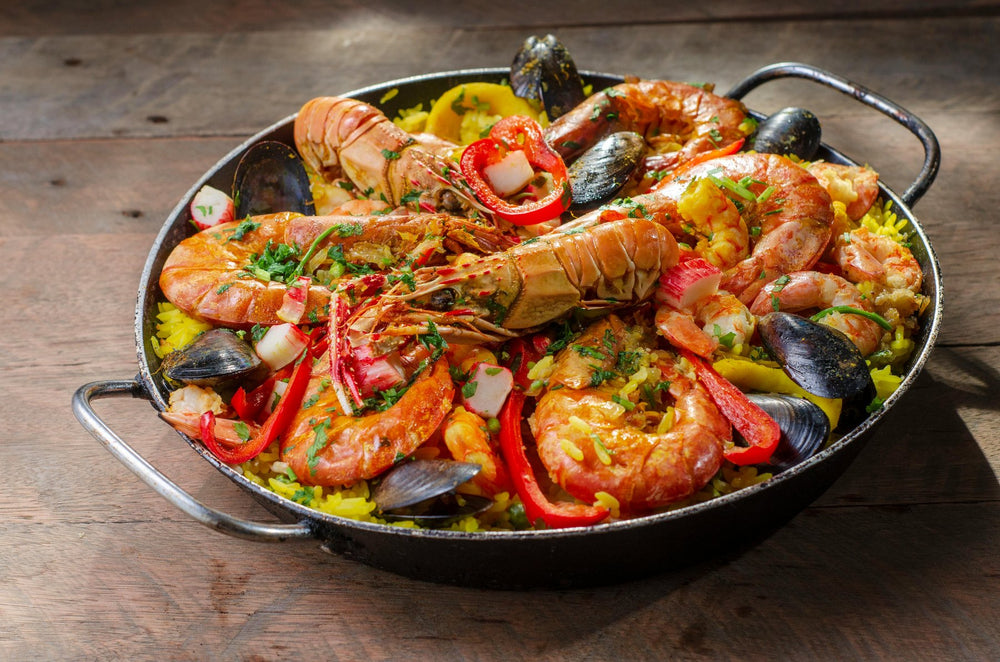
Saffron-stained rice arrives in its wide blackened pan, the socarrat crust at the bottom darker than anything a nervous cook would allow. Rabbit, chicken, and sweet piquillo peppers sink into the grains. Paella valenciana, made properly on wood fire, is one of the defining acts of the Spanish table.
Credits: Marceloverfe
Local cuisine study in Barcelona, Spain

☕︎ Local Flavor

Bar Cañete

Rating: 4.7★ | Price: $$$ | Coordinates: 41.3799° N, 2.1727° E

Discover the most precisely realised traditional Barcelona eating experience in the city — a long marble bar and a sequence of small dining rooms in the Raval where Joan and Manel Cañete have been serving the Catalan kitchen at its most confident since 2010, with a menu built entirely around the seasonal produce of the Catalan hinterland. The montaditos arrive in a continuous sequence — anchovy from the Costa Brava on pan con tomate, croquetas de jamón ibérico with a casing so thin it shatters rather than yields, and salt cod in every preparation the Catalan tradition has developed over three centuries of preserving the Atlantic catch for the Mediterranean table. Bar Cañete is a physical manuscript of the argument that Catalan food culture has always been defined by a specific relationship between the sea, the mountains, and the city — an institution that documents the lineage from the fishermen of the Costa Brava to the marble bar of the Raval.

View Entry Details

Mercat de la Boqueria

Rating: 4.5★ | Price: $$ | Coordinates: 41.3817° N, 2.1718° E

Navigate the iron and glass market hall that has occupied the same site on La Rambla since 1840 — a covered market where the full range of Catalan food culture is laid out under a roof of painted cast iron, from the wild mushroom vendors who source from the Pyrenean foothills to the fishmongers whose ice displays document the specific seasonal variety of the Mediterranean catch. The market is best experienced before 9am when the professional cooks, the restaurant buyers, and the neighbourhood residents arrive before the tourist circuit begins — the bar at the front serves the finest breakfast in Barcelona, a glass of cava with jamón and a plate of whatever the market floor produced that morning. La Boqueria preserves the lineage of the Barcelona market as a living urban institution — a place that has been anchoring the relationship between the Catalan agricultural and maritime hinterland and the city table since the 14th century.

View Entry Details

Tickets Barcelona

Rating: 4.8★ | Price: $$$$ | Coordinates: 41.3764° N, 2.1579° E

Step into the most influential restaurant in Barcelona — Albert Adrià's tapas bar in the Eixample that took the deconstructive intelligence of elBulli and applied it to the specific format of the Spanish tapas experience, producing a sequence of dishes that treat the Spanish snacking tradition as a canvas for the full range of contemporary technique. The olive oil sphere that arrives first — a liquid olive oil centre inside a membrane of alginate gel that bursts on the palate — is the founding document of the molecular gastronomy movement in a single edible object, now served alongside updated versions that demonstrate two decades of technical refinement. Tickets is an anchor for the argument that Barcelona's food culture operates at the intersection of tradition and radical invention — a restaurant that documents the specific Catalan capacity for combining deep culinary heritage with an appetite for the genuinely new.

View Entry Details

El Xampanyet

Rating: 4.6★ | Price: $$ | Coordinates: 41.3845° N, 2.1812° E

Settle into the most atmospheric bar in the Born quarter — a family-run cava bar on Carrer de Montcada that has been serving house cava, anchovies, and simple tapas since 1929 in a room whose tilework, barrels, and accumulated decoration constitute a specific visual archive of the Catalan bar as a domestic institution. The house cava is semi-sweet and distinctly unfashionable in the era of brut natural, which is precisely the point — El Xampanyet serves the cava that Catalan families have been drinking at celebrations for a hundred years, and the anchovy that arrives alongside it is sourced from L'Escala on the Costa Brava, where the salting tradition goes back to Roman times. El Xampanyet preserves the lineage of the Barcelona neighbourhood bar as a specifically Catalan cultural institution — a place that documents the continuity of the city's social life across nearly a century of urban transformation.

View Entry Details

🛌︎ Boutique Stays

Hotel Arts Barcelona

Rating: 4.7★ | Price: $$$$ | Coordinates: 41.3879° N, 2.1964° E

Inhabit the 44-storey Ritz-Carlton tower on the Barceloneta waterfront — Frank Gehry's golden fish sculpture visible from the upper floors, the Mediterranean directly below, and the city grid of Cerdà's Eixample stretching inland in a perfect demonstration of the geometric ambition that makes Barcelona the most rationally planned large city in Europe. The rooms face either the sea or the city, and both views document the specific relationship between Barcelona's two defining orientations: the planned inland grid and the unplanned relationship with the Mediterranean that the city turned its back on for a century before the 1992 Olympics reopened it. Hotel Arts is the most dramatically situated luxury hotel in Barcelona — a building that documents the transformation of the Barceloneta waterfront from industrial port to the most desirable address in the city.

View Entry Details

Casa Camper Barcelona

Rating: 4.6★ | Price: $$$ | Coordinates: 41.3818° N, 2.1693° E

Rest in the hotel that the Mallorcan shoe brand Camper built in the Raval quarter as a statement of design philosophy — a converted building whose rooms are split across two floors connected by a private corridor, with the sleeping room on one level and a sitting room with hammock and 24-hour snack bar on the other, a spatial arrangement that has no precedent in hotel design and that works entirely. The location in the Raval places guests in the most culturally heterogeneous quarter of Barcelona, two minutes from the MACBA contemporary art museum and five from La Boqueria. Casa Camper preserves the lineage of the Catalan design tradition as a living, inhabited form — a hotel that documents the capacity of Catalan creative culture to produce genuinely functional objects and spaces rather than merely aesthetic ones.

View Entry Details

El Palace Barcelona

Rating: 4.8★ | Price: $$$$ | Coordinates: 41.3906° N, 2.1699° E

Unearth the most architecturally significant grand hotel in Barcelona — a 1919 building on the Gran Via de les Corts Catalanes designed by Adolf Florensa whose Neoclassical interior has been maintained and restored with the specific commitment to material quality that distinguishes a genuinely historic hotel from a renovation project. The rooftop pool looks across the Eixample grid toward the unfinished spires of the Sagrada Família, providing the specific Barcelona experience of seeing Gaudí's lifetime project from a distance that allows the full ambition of its scale to register. El Palace is a physical manuscript of the Barcelona of the early 20th century — a building that has been documenting the city's self-presentation to its visitors from the same Gran Via address through every transformation of the 20th century.

View Entry Details

Praktik Bakery Hotel

Rating: 4.6★ | Price: $$ | Coordinates: 41.3933° N, 2.1627° E

Sleep in a boutique hotel in the Eixample whose ground floor operates as a full artisan bakery producing the bread, pastries, and café service for both hotel guests and the neighbourhood from 7am — an arrangement that means the specific smell of sourdough and butter croissant is part of the architectural experience of the building rather than a feature of the breakfast room. The rooms are spare and well-designed in the Catalan modernist tradition of making functional objects beautiful without overdesigning them, and the location in the upper Eixample puts guests in the residential quarter where Barcelona actually lives. Praktik Bakery documents the lineage of the Catalan artisan food tradition as a living urban practice — a hotel that has embedded a functioning bakery into its architecture as an argument about what hospitality should feel and smell like.

View Entry Details

📍︎ Field Study

Sagrada Família Skip-the-Line Tour

Rating: 4.9★ | Price: $$ | Coordinates: 41.4036° N, 2.1744° E

Ascend into the most ambitious building under active construction in the world — Antoni Gaudí's expiatory temple begun in 1882 and still unfinished, whose 18 planned towers will make it the tallest church in the world at 172.5 metres when complete, with a projected completion date of 2026 marking the centenary of Gaudí's death. The interior, completed in 2010, is the most extraordinary architectural space in Europe — a forest of branching stone columns that distribute the weight of the vaulted ceiling through a system of geometric logic that Gaudí derived from his study of natural forms, producing a space of extraordinary luminosity through the coloured glass of the nave windows. The Sagrada Família is the most concentrated physical document of Catalan architectural ambition ever assembled — a building that has been under continuous construction for over 140 years as a statement of religious, cultural, and technical aspiration.

View Entry Details

Park Güell and Gaudí Walking Tour

Rating: 4.8★ | Price: $$ | Coordinates: 41.4145° N, 2.1527° E

Navigate the hillside park that Antoni Gaudí and Eusebi Güell built between 1900 and 1914 as a planned garden city that was never inhabited and instead became the defining public monument of Barcelona's identity — the serpentine trencadís mosaic bench of the main terrace, covered in broken ceramic fragments arranged by Josep Maria Jujol in patterns of extraordinary chromatic invention, overlooking the entire city and the Mediterranean. The Monumental Zone contains the Hypostyle Room — a forest of 86 Doric columns supporting the terrace above — and the two porter's lodges at the park entrance whose organic forms and ceramic surfaces represent the most complete expression of Catalan Modernisme as a total design language. This tour documents the transition from the failed utopian garden city project to the most visited monument in Spain — a place that preserves the full ambition of Gaudí's design philosophy as a public institution.

View Entry Details

Gothic Quarter and El Born Walking Tour

Rating: 4.8★ | Price: $ | Coordinates: 41.3832° N, 2.1769° E

Walk the medieval street grid of the Gothic Quarter and the adjacent Born neighbourhood with a specialist guide who can trace the specific layers of Roman, medieval, and modern Barcelona beneath and around the existing fabric — the Roman temple of Augustus hidden in the courtyard of a medieval palace, the Gothic cathedral begun in 1298 whose facade was completed in the early 20th century in a deliberately historicist style, and the Born Market whose 1876 iron structure was built over the remains of an 18th-century neighbourhood demolished after the Siege of Barcelona in 1714. The Gothic Quarter preserves the Roman and medieval street plan of Barcino in the most intact form of any Mediterranean city — a palimpsest of two thousand years of continuous urban occupation that rewards the specific attention that a guided reading can provide.

View Entry Details

Casa Batlló Night Experience

Rating: 4.9★ | Price: $$$ | Coordinates: 41.3916° N, 2.1649° E

Discover the most theatrical building on the Passeig de Gràcia — Antoni Gaudí's 1906 remodelling of a conventional Eixample apartment block into a structure whose facade of broken ceramic tiles, bone-shaped columns, and dragon-spine roof represents the most complete expression of organic Catalan Modernisme on a street-facing building. The night experience uses light and sound to inhabit the building as Gaudí intended it to be understood — as a living organism rather than a constructed object, the ceramic scales of the roof representing a dragon, the columns of the main facade representing bones, and the interior light wells lined in blue tile that shifts from deep cobalt at the base to pale white at the top to distribute equal illumination to every floor. Casa Batlló is the most physically radical building in Barcelona and a primary document of the moment when Catalan architecture decided that the organic world was a more authoritative source of form than any classical tradition.

View Entry Details

Typography

Archival Note: We have personally documented these geographic specs for Barcelona, Spain to ensure every watercolor study is anchored in real-world data. By cataloging the precise elevation, light cycles, and historical epochs, we provide a technical foundation that justifies the atmospheric stillness captured in our visual artifacts.

Botanical and pigment specimen study for Barcelona, Spain Colors of Barcelona, Spain
Coordinates
41.3851° N, 2.1734° E — Catalonia, north-east Spain, Mediterranean coast
Historical Epoch
Roman Barcino 15 BCE. Medieval County of Barcelona from 801. Crown of Aragon capital 1137-1714. Bourbon siege 1714. Eixample expansion from 1859. Catalan Modernisme 1880-1920. 1992 Olympic waterfront renewal.
Elevation
0–512 m / 0–1,680 ft — coastal plain backed by the Collserola ridge and the Tibidabo summit
Atmosphere
Mediterranean (Csa). Hot dry summers, mild winters, tramuntana wind from the north. Extraordinary light year-round — bright, high-contrast, specific to the latitude between the Pyrenees and the sea.
Observation Hour
19:45. Golden hour on the Sagrada Família spires and the Eixample rooftops as the sun drops toward the Collserola ridge, the ceramic tiles warming to amber and the Mediterranean turning to hammered gold below the Barceloneta.
Primary Pigment
Trencadís Mosaic Yellow (#F5C842) and Mediterranean Blue (#1A6FA8)
Best Time to Visit
April through June — the Mediterranean spring light is extraordinary, the city has not yet reached peak summer temperature, and the beaches are swimmable without the August crowds.
Avoid Visiting
July through August — 35°C+ heat, maximum tourist density on La Rambla and the Barceloneta, and the pickpocketing risk at its annual peak.

Behind The Scenes

Nathan

Note from the Founder

Hey, did you know this fun fact about Barcelona, Spain? The trencadís mosaic technique used throughout Park Güell and Casa Batlló was developed by Gaudí and Jujol from broken ceramic waste — making beauty from material that other architects discarded.
Thank you for exploring the Barcelona, Spain series with us. We hope these notes have inspired you to add this incredible destination to your own passport—we are so glad you're here. — Nathan

The Magnets

The Coasters

The Canvas

Some of our Favorites