Shop the Collection

To help you build your own global archive, we've prepared this collection of watercolor studies from our research into Yakushima, Japan. These artifacts are designed to bring the stillness of this corner of the world into your home.

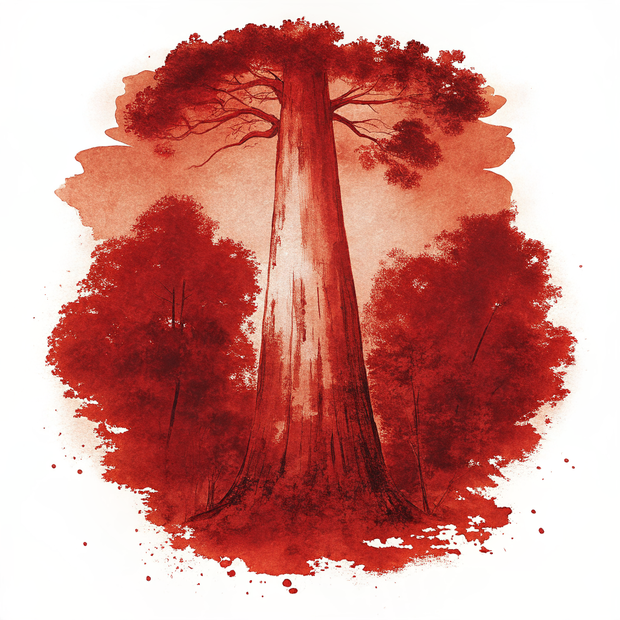
Original Series Decorative Magnet

A personal study of Yakushima, Japan, captured in high-fidelity watercolor and prepared for your collection.

Yakushima, Japan | Ancient Forest Stream Cascade | Original Series Decorative Magnet
Add to Collection / $18
Exclusive Series Artifact

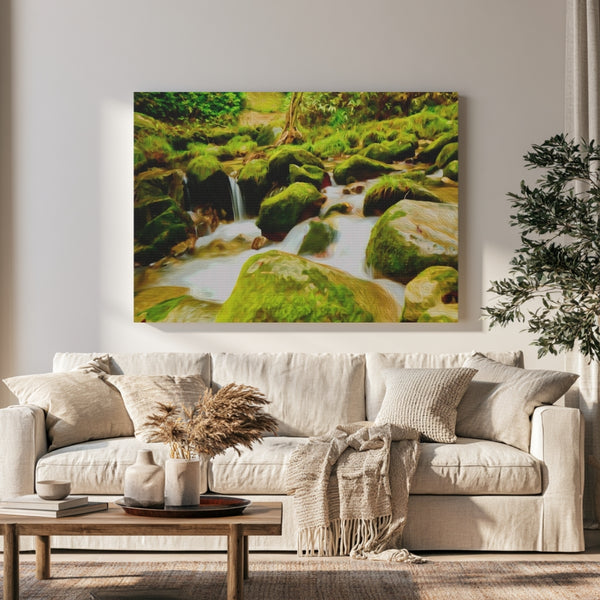
Original Series Gallery Canvas

This high-fidelity canvas is a beautiful way to anchor a room and keep your memories of Yakushima, Japan fresh long after you've returned home.

Yakushima, Japan | Ancient Forest Stream Cascade | Original Series Gallery Canvas detail Yakushima, Japan | Ancient Forest Stream Cascade | Original Series Gallery Canvas detail Yakushima, Japan | Ancient Forest Stream Cascade | Original Series Gallery Canvas detail Yakushima, Japan | Ancient Forest Stream Cascade | Original Series Gallery Canvas detail
Add to Collection / $65

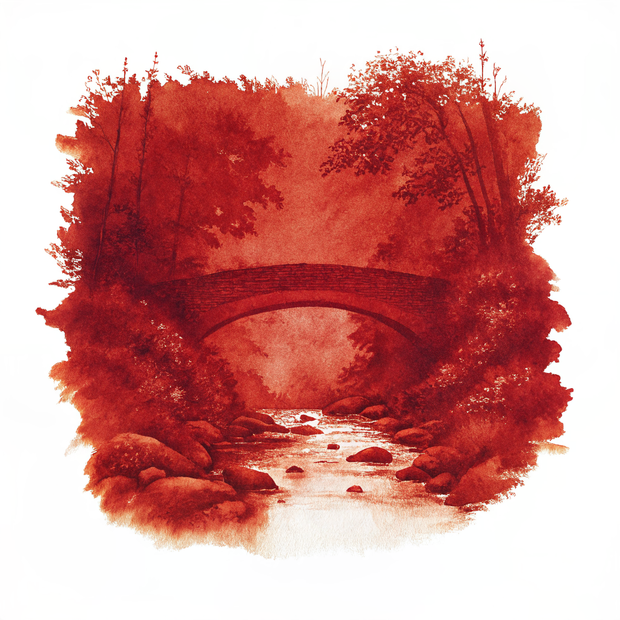
Original Series Hardboard Coaster

A personal study of Yakushima, Japan, captured in high-fidelity watercolor and prepared for your collection.

Yakushima, Japan | Ancient Forest Stream Cascade | Original Series Hardboard Coaster
Add to Collection / $18
Exclusive Series Artifact

The Spirit of the Land

Archival Note: A curated field study of Yakushima, Japan, prioritizing the specific atmospheric stillness of the region. These artifacts have been meticulously sourced from our global archival partners to represent the area's unique cultural frequency and environmental character. This selection serves as a formal observation for our ongoing global archive, vetted for its visual accuracy and archival merit.

Yakushima, Japan study No. 01
Yakushima, Japan / 01 VIA / Marek Piwnicki
A pristine waterfall tumbles down weathered basalt columns, its white spray contrasting sharply against the deep purple-grey stone. The surrounding forest clings densely to every surface, with moss and vegetation softening the harsh geometry of the ancient rock face. Yakushima's signature blend of geological drama and verdant wilderness creates a scene where the raw power of water meets the quiet persistence of time.
Yakushima, Japan study No. 02
Yakushima, Japan / 02 VIA / Marek Piwnicki
Ethereal light filters through the ancient cedar forest, casting the wooden pathway in an almost luminous glow. The towering trees create a cathedral-like atmosphere, their moss-covered trunks framing the path into the misty distance. Standing here, one would feel enveloped by primordial nature—the air thick with moisture and the gentle hush of a sanctuary untouched by time.
Yakushima, Japan study No. 03
Yakushima, Japan / 03 VIA / Guohua Song
This aerial view captures Yakushima's remarkable biodiversity, with verdant peaks and forested valleys stretching toward the horizon. The image reveals the island's dramatic topography—multiple mountain ridges layering into the distance, each one slightly hazier due to atmospheric perspective. Most overlook the subtle texture created by individual tree canopies, which form a bumpy, almost quilted surface across the landscape, hinting at the primordial cedar and broadleaf forests that define this UNESCO World Heritage site.

Where to wander

Archival Note: A curated field study of Yakushima, Japan, prioritizing cultural relevance and archival merit. While we haven't touched down here yet, we've meticulously vetted these locations through our global network of contributors to ensure they represent the most authentic atmosphere for your own expedition.

Local Cuisine Spotlight
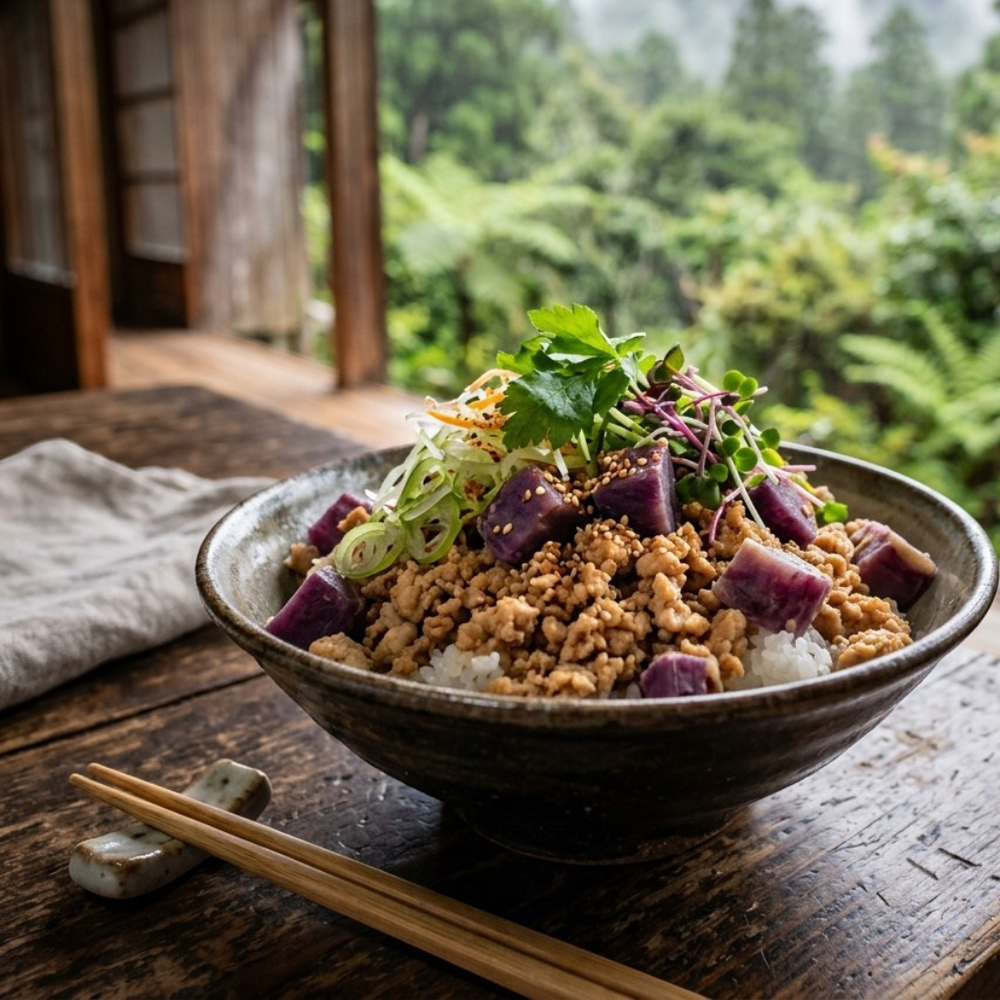
This vibrant Yakushima bowl showcases tender ground meat layered over fluffy rice, crowned with softly cooked purple eggplant and bright fresh herbs. The earthy sesame seeds and scallions add textural contrast and aromatic depth, while the rustic ceramic vessel perfectly frames this balance of umami richness and vegetable freshness against the island's verdant backdrop.
Credits: THE PAINTED PASSPORT
Local cuisine study in Yakushima, Japan

☕︎ Local Flavor

Restaurant Utage

Rating: 5* | Price: $$$ | Coordinates: 30.3833° N, 130.6500° E

Utage is widely regarded as the finest dining experience on the island, crafting kaiseki menus entirely around what the surrounding forest and sea offer each season. The chef's reverence for local ingredients like venison, fresh-caught tobiuo, and hand-foraged mountain vegetables is evident in every beautifully plated course. Reservations are essential and should be made weeks in advance for dinner.

View Entry Details

Shiosai

Rating: 4* | Price: $$ | Coordinates: 30.4000° N, 130.6667° E

Overlooking the harbour with salty sea breezes drifting through open windows, Shiosai specialises in the island's beloved flying fish, known locally as tobiuo. The grilled set meal with miso soup, pickles, and perfectly steamed rice offers honest, soul-satisfying flavours at an incredibly reasonable price. Fishermen and hikers sharing tables here creates a lively, authentically local atmosphere you won't want to leave.

View Entry Details

Cafe Yakushima Slow

Rating: 4* | Price: $ | Coordinates: 30.3750° N, 130.6583° E

True to its name, this beloved little cafe encourages you to slow completely down over extraordinary handmade cakes and single-origin coffee sourced from across Japan. The rustic wooden interior is decorated with pressed wildflowers and hand-drawn maps gifted by grateful hikers over the years. Their yuzu tart with locally harvested honey drizzle is the kind of simple perfection you'll dream about long after leaving.

View Entry Details

Nankoku Shokudo

Rating: 4* | Price: $ | Coordinates: 30.3917° N, 130.6417° E

This no-frills neighbourhood shokudo has fed hungry Yakushima locals for decades with generous portions and deeply comforting home-style cooking. The tobiuo karaage — crispy fried flying fish — is the undisputed star of a menu that changes with the daily catch and seasonal harvest. Dining here beside local fishermen and forestry workers gives you a rare, authentic glimpse into everyday island life.

View Entry Details

🛌︎ Boutique Stays

Sankara Hotel & Spa Yakushima

Rating: 5* | Price: $$$$ | Coordinates: 30.3667° N, 130.6500° E

Perched above the forest canopy with sweeping ocean views, Sankara is Yakushima's most luxurious retreat. Private villas blend seamlessly into the subtropical landscape, offering open-air baths and minimalist Japanese elegance. Waking up to mist rolling through ancient cedar trees while enjoying impeccable service feels genuinely otherworldly.

View Entry Details

Yakushima Iwasaki Hotel

Rating: 4* | Price: $$$ | Coordinates: 30.4000° N, 130.6333° E

This sprawling resort sits right on the eastern coastline, giving guests front-row seats to dramatic Pacific sunrises every morning. Large tatami rooms are traditionally furnished and pair beautifully with the hotel's excellent onsen facilities fed by natural spring water. The buffet breakfast featuring local flying fish and freshly pickled vegetables is a genuine highlight.

View Entry Details

Yakushima Guesthouse Morinoniwa

Rating: 4* | Price: $$ | Coordinates: 30.3833° N, 130.6667° E

A charming family-run guesthouse nestled at the forest edge, Morinoniwa offers cozy tatami rooms with a deeply personal and welcoming atmosphere. The owners are passionate hikers themselves and freely share trail secrets that no guidebook will ever mention. Evenings on the communal wooden deck, listening to tree frogs chorus in the dark, are unforgettable.

View Entry Details

Hoshi no Naru Ki

Rating: 4* | Price: $$$ | Coordinates: 30.4167° N, 130.6500° E

This intimate boutique inn translates poetically as 'the tree where stars grow,' and it absolutely lives up to that name on clear nights. Each room features floor-to-ceiling windows framing the dense cedar forest, creating a living painting that changes with every hour. The private outdoor bath filled with mineral-rich water makes an already magical stay feel completely restorative.

View Entry Details

📍︎ Field Study

Jomon Sugi Ancient Cedar

Rating: 5* | Price: Free | Coordinates: 30.3583° N, 130.5333° E

Standing for an estimated 2,000 to 7,200 years, Jomon Sugi is Japan's oldest and most celebrated cedar tree, deep in the UNESCO World Heritage forest. The ten-hour round-trip hike to reach it passes through cathedral-like groves draped in luminous green moss that glow ethereally in the morning mist. Arriving before dawn from Arakawa Trailhead and watching the ancient giant emerge from the fog is a profoundly humbling life experience.

View Entry Details

Shiratani Unsuikyo Ravine

Rating: 5* | Price: $ | Coordinates: 30.4167° N, 130.5667° E

This enchanting ravine is widely believed to have inspired the mystical forest setting in Studio Ghibli's beloved film Princess Mononoke, and standing inside it confirms every pixel of that magic. Mossy boulders, crystal-clear streams, and gnarled ancient cedars create a landscape so lush and alive that it feels genuinely mythological. Multiple trail loops make it accessible for all fitness levels, and the two-hour path feels like walking through a living dream.

View Entry Details

Nagata Inakahama Beach

Rating: 5* | Price: Free | Coordinates: 30.4667° N, 130.5167° E

One of Japan's most important loggerhead sea turtle nesting beaches, Nagata Inakahama is a sweeping arc of pale sand backed by dense subtropical forest. Between May and July, supervised night tours allow visitors to witness enormous turtles hauling themselves ashore to lay eggs in a ritual unchanged for millions of years. Even outside nesting season, the beach's raw natural beauty and powerful Pacific surf make it deeply worth the drive around the island.

View Entry Details

Oko-no-taki Waterfall

Rating: 4* | Price: Free | Coordinates: 30.3917° N, 130.5500° E

Cascading nearly 88 metres into a swirling jade-green pool, Oko-no-taki is the most dramatically beautiful waterfall on an island full of spectacular cascades. The short trail through dense forest to reach it builds the anticipation perfectly before the thundering roar signals your arrival. Swimming is permitted in the pool below, and plunging into the cold, impossibly clear water beneath a waterfall this powerful is a joyful, heart-stopping experience.

View Entry Details

Typography

Archival Note: A formal technical study of Yakushima, Japan—archiving the coordinates, elevation, and environmental data that define the region. This data serves as a vital record for our ongoing global field study, allowing us to reconstruct the regional atmosphere with archival precision before our physical arrival.

Botanical and pigment specimen study for Yakushima, Japan Colors of Yakushima, Japan
Coordinates
30.3833° N, 130.6500° E — Central Yakushima Island, Kagoshima Prefecture, southern Japan
Historical Epoch
Yakushima's human story stretches back through centuries of isolation-shaped culture, but it was the Edo-period cedar logging trade that most shaped the island's identity - a history that makes its present-day conservation feel hard-won and personal.
Elevation
0-1936 m / 0-6352 ft - from sea-level coastal villages to the summit of Miyanoura-dake, the highest peak in Kyushu
Atmosphere
Cfa - Humid Subtropical. Yakushima is exceptionally wet year-round, with some areas receiving over 4000mm annually. Expect lush, dripping green in every season.
Observation Hour
06:30 - The first hour after dawn breaks the forest canopy in amber shafts and turns wet moss into something close to stained glass. Mist still clings to the valleys and the light is gentle enough to hold.
Primary Pigment
Cedar Moss Green (#4A6741) and Granite Mist Grey (#9BA8A3)
Best Time to Visit
March through May - spring brings manageable rainfall, clear trail conditions, and fresh green growth before summer crowds and typhoon season arrive.
Avoid Visiting
June through August - the rainy season peaks in June, followed by intense heat and humidity in July and August, with typhoon risk throughout.

The Local Tongue

Language is the invisible architecture of Yakushima, Japan. These entries document the regional vocabulary—capturing the "texture" of local speech that standard translations often miss. Hand-curated expressions reflecting the specific spirit and daily rhythm of the region.
Archival study of Japanese cultural texture

via / PNW Production

Primary Language Japanese
Regional Dialect Yakushima-ben (a southern Kyushu dialect with distinct intonation and vocabulary specific to island communities)

Kodama (kodama / コダマ)

Kodama refers to the spirits believed to inhabit ancient trees in Japanese folk tradition. On Yakushima, where cedars stand for millennia in near-total silence, the concept feels less like mythology and more like sensory fact - a creak in the canopy on a still day carries genuine weight.

Mononoke (物の気)

Mononoke describes the animate spirit or unsettling presence that can emanate from natural things, neither purely good nor purely threatening. In the moss corridors of Shiratani Unsuikyo Ravine, which inspired Studio Ghibli's Princess Mononoke, the air itself seems to hold a charge that makes the word feel earned rather than fanciful.

Shizen (自然)

Shizen simply means nature, but in Japan it carries a philosophical gravity absent from its English equivalent. On Yakushima, locals use it not as backdrop but as subject - the island's rhythm of rainfall, root, and tide is treated as a living system with its own terms, and visitors are quietly expected to adjust accordingly.

Wait! before you go...

Before you head over to Yakushima, Japan, we’ve audited the essential data points for this corner of the world. These notes cover the logistics—from currency ratios to transit hubs—to help you navigate the landscape with clarity.
🚲 Getting Around The island is reached by high-speed ferry or jetfoil from Kagoshima Port, with crossings taking between 45 minutes and two hours depending on vessel. On the island, rental cars and buses serve the coastal road, but the interior trails are strictly on foot.
⚖️ Cash or Card Cash is strongly preferred across Yakushima. Small guesthouses, trailside cafes, and local restaurants commonly operate cash-only, and card acceptance remains limited outside larger hotels. Carrying sufficient yen before arriving on the island is strongly advisable.
☁️ Good to Know Yakushima operates at a slower, forest-governed pace that visitors are expected to respect rather than reshape. Hiking trails have carrying capacity limits during peak season, and rangers take conservation rules seriously - permits and early starts are part of the culture, not optional extras.
🏧 ATMs ATMs are limited on Yakushima. Japan Post ATMs at the Miyanoura and Anbo post offices reliably accept foreign cards and are the most dependable option. Convenience store ATMs found on the mainland are largely absent here, so withdrawing before arrival from Kagoshima is a wise habit.
💳 Currency The currency is the Japanese Yen (JPY). Notes come in 1000, 5000, and 10000 yen denominations, and the system is efficient and clean - but Yakushima's rural character means physical cash moves most transactions on the island.
🔌 Plugs Japan uses Type A outlets at 100V, 50/60Hz. Most devices from North America work without a converter, but European and Australian plugs require a simple flat-pin adapter.
🛡️ Safety The island's interior mountains are genuinely serious terrain - weather changes rapidly, trails turn slick after rain, and the approach to Jomon Sugi involves a very long day on a narrow mountain railway track. Proper hiking gear, a local guide for summit routes, and a downloaded offline map are all considered standard preparation.
✈️ Airports The closest major airport is Kagoshima Airport (KOJ) on Kyushu, approximately one hour from Kagoshima Port by bus or taxi. A small local airport on Yakushima (KUM) serves limited domestic prop-plane flights from Kagoshima, which offer spectacular aerial views of the island on clear days.

Behind The Scenes

Nathan

Note from the Founder

Hey, did you know this fun fact about Yakushima, Japan? Yakushima receives so much rain that locals have a saying: it rains 35 days a month. The island's Jomon Sugi cedar is estimated to be between 2170 and 7200 years old - older than any confirmed living tree in Europe.
Thank you for exploring the Yakushima, Japan series with us. We hope these notes have inspired you to add this incredible destination to your own passport—we are so glad you're here. — Nathan

Some of our Favorites