Shop the Collection

To help you build your own global archive, we've prepared this collection of watercolor studies from our research into Wroclaw, Poland. These artifacts are designed to bring the stillness of this corner of the world into your home.

Original Series Decorative Magnet

A personal study of Wroclaw, Poland, captured in high-fidelity watercolor and prepared for your collection.

Wroclaw, Poland | Wroclaw Cathedral Island View | Original Series Decorative Magnet
Add to Collection / $18
Exclusive Series Artifact

Original Series Gallery Canvas

This high-fidelity canvas is a beautiful way to anchor a room and keep your memories of Wroclaw, Poland fresh long after you've returned home.

Wroclaw, Poland | Wroclaw Cathedral Island View | Original Series Gallery Canvas detail Wroclaw, Poland | Wroclaw Cathedral Island View | Original Series Gallery Canvas detail Wroclaw, Poland | Wroclaw Cathedral Island View | Original Series Gallery Canvas detail Wroclaw, Poland | Wroclaw Cathedral Island View | Original Series Gallery Canvas detail
Add to Collection / $65

Original Series Hardboard Coaster

A personal study of Wroclaw, Poland, captured in high-fidelity watercolor and prepared for your collection.

Wroclaw, Poland | Wroclaw Cathedral Island View | Original Series Hardboard Coaster
Add to Collection / $18
Exclusive Series Artifact

The Spirit of the Land

Archival Note: A curated field study of Wroclaw, Poland, prioritizing the specific atmospheric stillness of the region. These artifacts have been meticulously sourced from our global archival partners to represent the area's unique cultural frequency and environmental character. This selection serves as a formal observation for our ongoing global archive, vetted for its visual accuracy and archival merit.

Wroclaw, Poland study No. 01
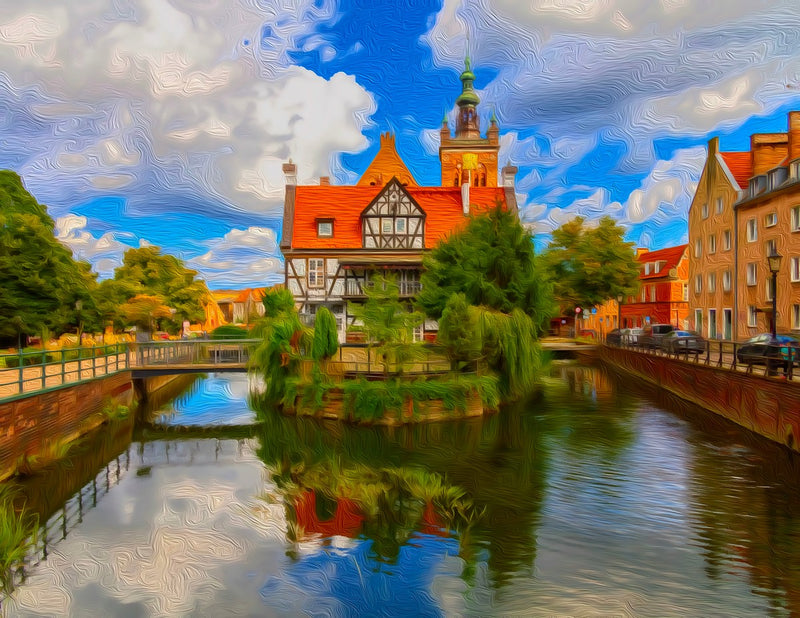
Wroclaw, Poland / 01 VIA / Sergey Guk
The twin spires of Wrocław's Cathedral of St. John the Baptist pierce the bruised evening sky, their teal floodlights cutting upward while warm amber light bathes the surrounding buildings in gold. Every detail — the terracotta rooftops, the half-timbered facades, the stone embankment wall — doubles itself perfectly in the glassy stillness of the Oder River below. It's the kind of quiet dusk moment that makes a city feel ancient and alive at the same time.
Wroclaw, Poland study No. 02
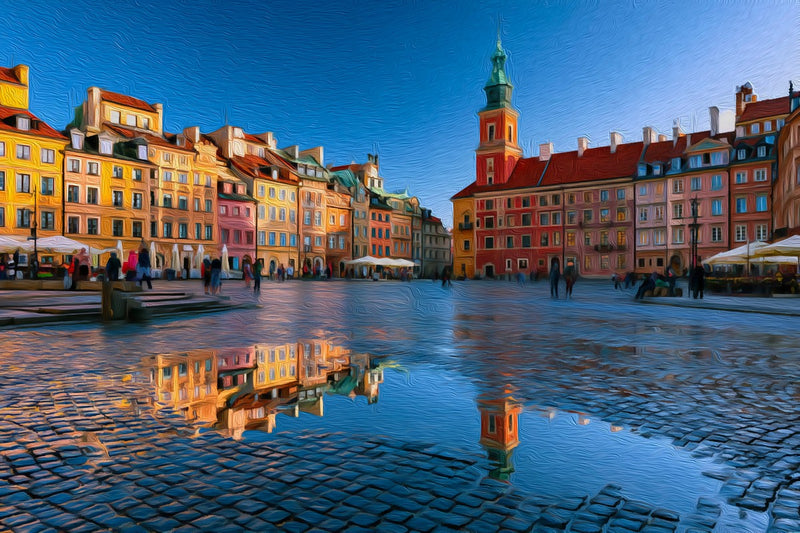
Wroclaw, Poland / 02 VIA / Kostas Dimopoulos
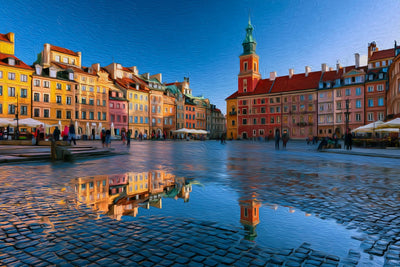
A visitor standing in Wrocław's Rynek on this overcast winter morning would feel the quiet solitude of a city not yet fully awake, the cobblestones damp and cool underfoot. The muted grey sky seems to deepen the saturation of the candy-colored facades — coral red, olive green, lavender, and amber — each building pressing close to the next like spines on a shelf. There is a stillness here that feels rare, the vast square nearly empty, the air carrying the faint chill of a Central European winter.
Wroclaw, Poland study No. 03
Wroclaw, Poland / 03 VIA / Jakub Zerdzicki
The aerial perspective reveals Wrocław's Cathedral Island bathed in warm afternoon light, its centuries-old brick architecture creating a seamless tapestry of terracotta across the skyline. What most viewers miss is the narrow cobblestone street cutting through the center of the frame, its pale stone surface acting as a quiet spine connecting the ecclesiastical district to the surrounding urban fabric. The green oxidized copper spire of the Collegiate Church of the Holy Cross rises as a subtle counterpoint to the dominant warmth of the red-tiled rooftops surrounding it.

Where to wander

Archival Note: A curated field study of Wroclaw, Poland, prioritizing cultural relevance and archival merit. While we haven't touched down here yet, we've meticulously vetted these locations through our global network of contributors to ensure they represent the most authentic atmosphere for your own expedition.

Local Cuisine Spotlight
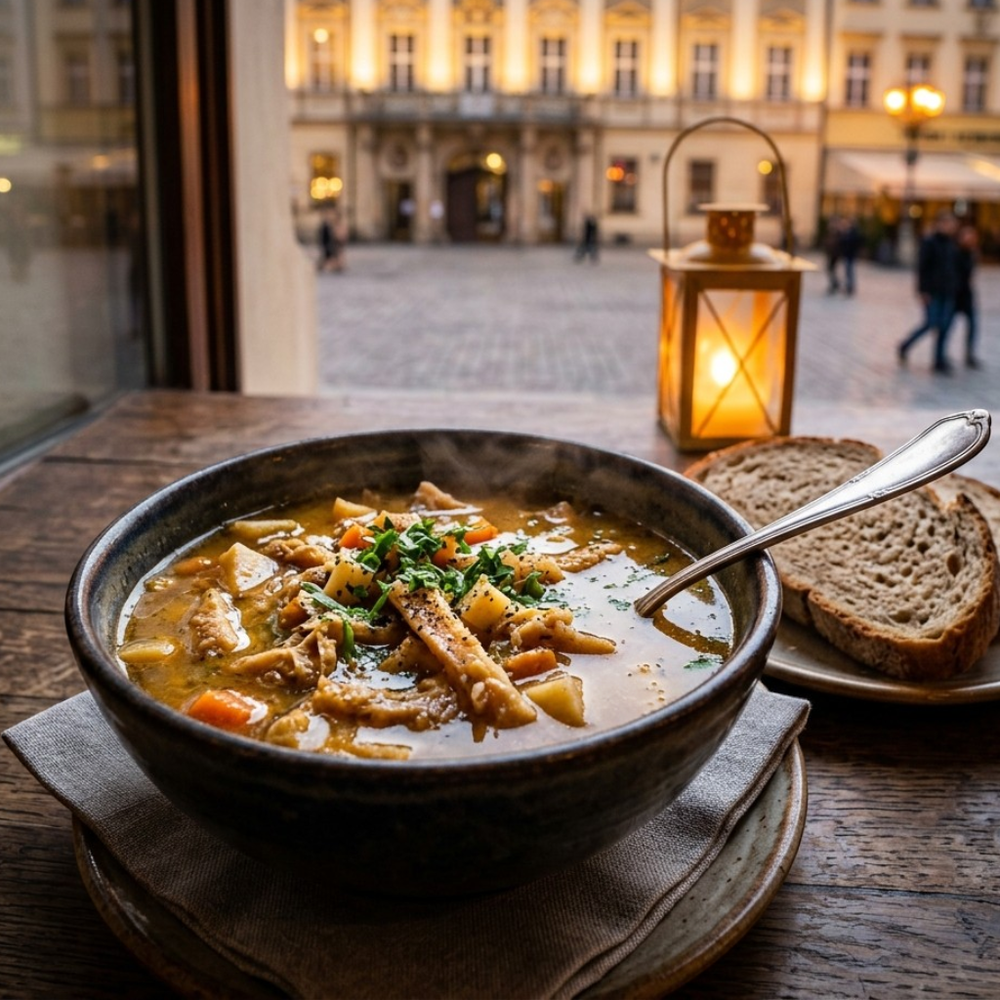
Wroclaw's beloved flaki delivers deep, slow-cooked warmth in every spoonful, with tender tripe ribbons, root vegetables, and a boldly spiced broth perfumed with marjoram. Served alongside hearty rye bread and framed by the glow of the historic Rynek, it is Polish comfort food at its most soul-satisfying.
Credits: THE PAINTED PASSPORT
Local cuisine study in Wroclaw, Poland

☕︎ Local Flavor

Bernard Restaurant

Rating: 5* | Price: $$ | Coordinates: 51.1099° N, 17.0315° E

Nestled right on the magnificent Market Square, Bernard is a beloved institution serving hearty Polish cuisine in a warm, vaulted cellar setting. The żurek soup served in a bread bowl is practically a religious experience for first-time visitors to the city. Pair it with a cold local Piast beer and you have an afternoon in Wrocław perfectly captured.

View Entry Details

Konrad Restaurant

Rating: 5* | Price: $$$ | Coordinates: 51.1102° N, 17.0308° E

An intimate fine-dining destination that elevates traditional Silesian flavors with creative, modern European techniques that surprise and delight. The seasonal tasting menu changes frequently, ensuring even returning guests discover something excitingly new each visit. The attentive yet unpretentious service makes every guest feel genuinely celebrated throughout the entire meal.

View Entry Details

Mleczarnia Café

Rating: 4* | Price: $ | Coordinates: 51.1118° N, 17.0408° E

Tucked inside the bohemian Jewish Quarter of Nadodrze, this wonderfully eclectic café feels like discovering a beloved secret. Mismatched vintage furniture, flickering candles, and the smell of freshly brewed coffee create an atmosphere of effortless, artistic charm. It is the ideal spot to linger over a slice of homemade cake and watch the creative neighborhood pulse around you.

View Entry Details

Spiż Brewpub & Restaurant

Rating: 4* | Price: $$ | Coordinates: 51.1100° N, 17.0320° E

Located in a spectacular Gothic cellar beneath the Market Square, Spiż brews its own craft beers on-site in giant copper vats visible from the dining room. The menu leans into classic Polish comfort food done with real care and generous portions that leave no one hungry. There is something deeply satisfying about sipping a fresh unfiltered lager brewed just meters from where you sit.

View Entry Details

🛌︎ Boutique Stays

Hotel Monopol Wrocław

Rating: 5* | Price: $$$ | Coordinates: 51.1089° N, 17.0310° E

A grand historic hotel that has welcomed guests since 1892, sitting elegantly near the Opera House. The ornate lobby and richly furnished rooms breathe old-world European glamour at every turn. Waking up here feels like stepping into a golden era of travel, with modern comforts seamlessly woven in.

View Entry Details

Puro Hotel Wrocław

Rating: 4* | Price: $$ | Coordinates: 51.1095° N, 17.0285° E

A stylish boutique hotel that blends Scandinavian minimalism with vibrant local art curated specifically for Wrocław. Each room is thoughtfully designed with warm lighting and plush bedding that makes you genuinely reluctant to leave. Its central location puts the Market Square just a leisurely stroll away.

View Entry Details

Granary La Suite Hotel

Rating: 5* | Price: $$$$ | Coordinates: 51.1130° N, 17.0220° E

Housed in a lovingly restored 19th-century granary on Wyspa Słodowa island, this boutique gem offers an utterly unique riverside atmosphere. Stone walls and timber beams contrast beautifully with luxurious contemporary furnishings throughout the suites. Falling asleep to the gentle sounds of the Oder River makes every night feel genuinely memorable.

View Entry Details

ibis Styles Wrocław Centrum

Rating: 3* | Price: $ | Coordinates: 51.1078° N, 17.0335° E

A cheerful, budget-friendly option that punches well above its price point with playful interiors and a brilliant central location. Rooms are compact but cleverly designed, keeping things fresh and comfortable for the modern traveler. It is the perfect base for explorers who plan to spend their days out soaking up everything Wrocław has to offer.

View Entry Details

📍︎ Field Study

Wrocław Market Square (Rynek)

Rating: 5* | Price: Free | Coordinates: 51.1100° N, 17.0319° E

One of the largest and most beautiful medieval market squares in all of Europe, Wrocław's Rynek is an absolute feast for the eyes at any hour. The colorful Gothic and Baroque townhouses that surround it seem to glow with a warm, storybook radiance, especially at sunset. Simply wandering its cobblestones and watching daily life unfold around the grand Town Hall is an experience in itself.

View Entry Details

Panorama of the Battle of Racławice

Rating: 5* | Price: $ | Coordinates: 51.1135° N, 17.0462° E

This extraordinary 360-degree cyclorama painting from 1894 depicts the legendary 1794 Battle of Racławice with breathtaking scale and astonishing detail. Standing at its center, surrounded by the immersive canvas and realistic foreground elements, genuinely transports you back through centuries of Polish history. It is an artistic and historical achievement that leaves virtually every visitor awestruck and deeply moved.

View Entry Details

Wrocław Cathedral (Cathedral of St. John the Baptist)

Rating: 5* | Price: Free | Coordinates: 51.1148° N, 17.0465° E

Rising magnificently over Cathedral Island, this stunning Gothic cathedral has anchored Wrocław's spiritual and architectural identity since the 10th century. Taking the elevator to the top of one of its twin towers rewards visitors with a sweeping panoramic view over the city's rooftops and island waterways. The interplay of light through its grand stained-glass windows inside creates an atmosphere of profound, peaceful beauty.

View Entry Details

Wrocław Zoo & Africarium

Rating: 4* | Price: $$ | Coordinates: 51.1048° N, 17.0726° E

One of Poland's oldest and most beloved zoos, Wrocław's zoological garden is home to over 10,000 animals across beautifully landscaped grounds beside the Oder River. The Africarium is a world-first oceanarium dedicated entirely to Africa's aquatic ecosystems, making it a genuinely unmissable attraction for visitors of all ages. Spending a half-day here is joyful, educational, and surprisingly moving in equal measure.

View Entry Details

Typography

Archival Note: A formal technical study of Wroclaw, Poland—archiving the coordinates, elevation, and environmental data that define the region. This data serves as a vital record for our ongoing global field study, allowing us to reconstruct the regional atmosphere with archival precision before our physical arrival.

Botanical and pigment specimen study for Wroclaw, Poland Colors of Wroclaw, Poland
Coordinates
51.1079° N, 17.0385° E — City center, Wroclaw Market Square, Lower Silesia, Poland
Historical Epoch
Founded in the 10th century, Wroclaw passed through Piast, Habsburg, and Prussian hands before returning to Poland in 1945. Each chapter left a visible layer in the architecture and the city's quietly plural identity.
Elevation
116-175 m / 381-574 ft - Low-lying river city on the Oder plain with gentle elevation variation across Cathedral Island and the old town
Atmosphere
Cfb - Oceanic Temperate. Wroclaw has mild summers and cold grey winters. Spring and early autumn offer the most comfortable and photogenic conditions for exploring on foot.
Observation Hour
07:30 - Morning mist rises off the Oder just after sunrise, wrapping Cathedral Island in soft diffused light. The Market Square facades glow warm ochre before the crowds arrive.
Primary Pigment
Silesian Ochre (#C89A5A) and Oder Slate (#6E828F)
Best Time to Visit
May through September - Long warm days, open-air cafés in full swing, and the Market Square at its most atmospheric and lively.
Avoid Visiting
January through February - Biting cold, short grey days, and limited outdoor appeal, though Christmas markets in December partially redeem the winter season.

The Local Tongue

Language is the invisible architecture of Wroclaw, Poland. These entries document the regional vocabulary—capturing the "texture" of local speech that standard translations often miss. Hand-curated expressions reflecting the specific spirit and daily rhythm of the region.
Archival study of Polish cultural texture

via / Tove Liu

Primary Language Polish
Regional Dialect Silesian Polish (Slaski), with historical German and Czech linguistic traces in local place names and vernacular

Krasnale

Krasnale means dwarves or gnomes, and refers to the hundreds of small bronze figurines hidden across Wroclaw's streets. Originally a symbol of anti-communist protest in the 1980s, each gnome now marks a specific spot with a tiny scene - a reader outside a bookshop, a traveler hauling luggage near the train station.

Rynek

Rynek simply means market square, but in Wroclaw it carries the full weight of civic life. On any given evening the square fills with the sound of accordion music, the smell of fresh zapiekanka, and the warm glow of lanterns spilling across centuries-old facades that were painstakingly reconstructed after World War Two.

Klimat (Klimat)

Klimat translates loosely as atmosphere or vibe, but locals use it to describe something more layered - the particular emotional texture of a place or gathering. In Wroclaw it often comes up in the context of a candlelit basement jazz bar in the Jewish Quarter, where the worn brick walls and low ceilings create a mood that feels impossible to manufacture.

Wait! before you go...

Before you head over to Wroclaw, Poland, we’ve audited the essential data points for this corner of the world. These notes cover the logistics—from currency ratios to transit hubs—to help you navigate the landscape with clarity.
🚲 Getting Around Wroclaw's compact old town is best explored on foot or by tram. The city operates an excellent tram network that connects the center to outer neighborhoods reliably and cheaply, with single tickets purchased at stops or via the app.
⚖️ Cash or Card Card payments are widely accepted in restaurants, hotels, and most shops throughout Wroclaw. Markets, smaller milk bars, and some street vendors still prefer cash, so carrying a modest amount of Polish zloty is a smart habit for daily exploring.
☁️ Good to Know Wroclaw locals are proud of their city without being boastful about it - they tend to let the place speak for itself. Greeting shopkeepers and café staff with a warm 'dzien dobry' goes a long way and is considered basic courtesy rather than a tourist affectation.
🏧 ATMs ATMs are plentiful throughout Wroclaw's center and accept most international cards without difficulty. Choosing to withdraw in local currency rather than your home currency at the ATM screen will almost always save money on the exchange rate.
💳 Currency Poland uses the Polish Zloty (PLN), not the Euro, and there are no immediate plans to change that. Exchanging currency at kantors - the private exchange offices found throughout the city - typically offers better rates than airport or hotel exchanges.
🔌 Plugs Poland uses Type E outlets at 230V and 50Hz. Most modern European two-pin plugs fit without an adapter, but travelers from North America or the UK will need one.
🛡️ Safety Wroclaw is one of Poland's safest cities and generally feels relaxed and welcoming at all hours in the center. Standard urban awareness applies around the main train station late at night, and travelers should keep an eye on belongings in very crowded Market Square areas during peak summer festivals.
✈️ Airports Wroclaw Copernicus Airport (WRO) sits roughly 10 kilometers west of the city center and is served by direct flights from major European hubs including London, Amsterdam, and Frankfurt. A taxi or the number 106 bus connects the airport to the old town in around 30 to 40 minutes depending on traffic.

Behind The Scenes

Nathan

Note from the Founder

Hey, did you know this fun fact about Wroclaw, Poland? Wroclaw has been known by at least five names across its history - Vratislavia, Presslaw, Breslau, and Wroclaw among them - each reflecting the shifting empires that held it. The city sits on 12 islands connected by over 100 bridges.
Thank you for exploring the Wroclaw, Poland series with us. We hope these notes have inspired you to add this incredible destination to your own passport—we are so glad you're here. — Nathan

Some of our Favorites