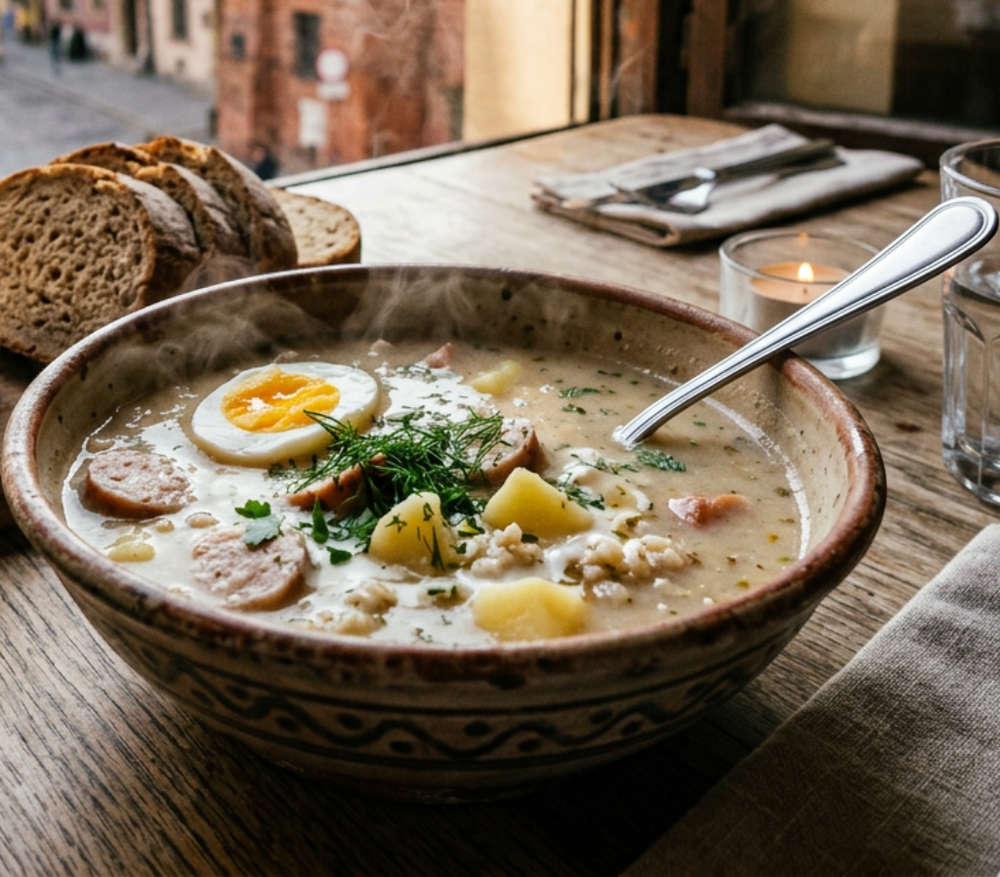
Local Cuisine Spotlight

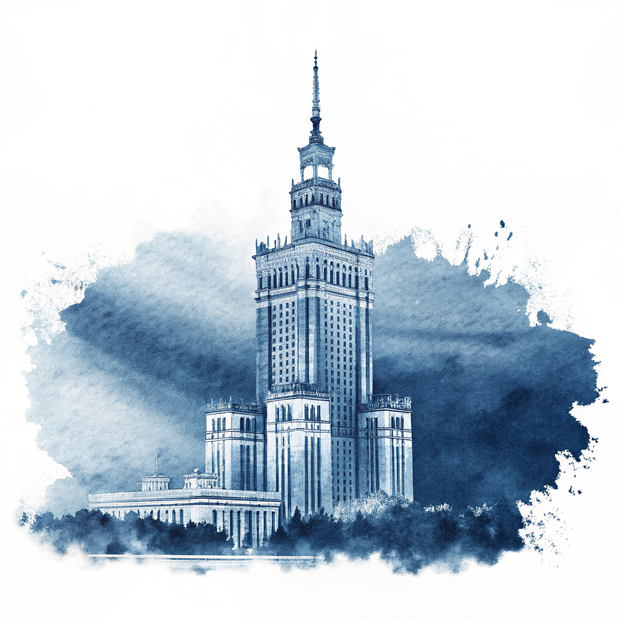
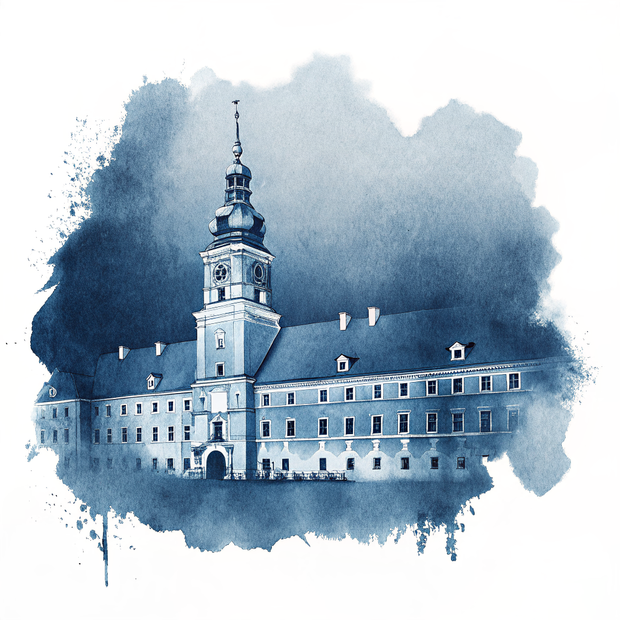
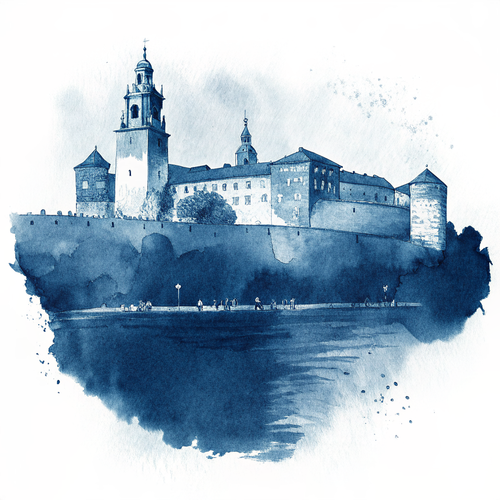
Now representing Warsaw — 1 original piece, each hand-crafted in watercolor.
Warsaw is one of those cities that earns your respect before it earns your affection, and then quietly earns both at once. It was almost entirely destroyed during World War II, and what stands today is the result of extraordinary human will: a city reconstructed brick by brick from old paintings and photographs, now layered with Soviet-era architecture, glass-and-steel modernity, and a cobblestoned Old Town so lovingly rebuilt it earned UNESCO recognition. The light here does something remarkable in the late afternoon, turning the honey-colored facades of the Royal Route golden while long shadows stretch across wide boulevards. Warsaw pulses with a creative energy that feels earned rather than curated, shaped by a population that knows exactly what it means to start over.
Every canvas is painted from a real place. Explore the map to see exactly where each scene lives — and wander Warsaw the way a traveler would, one landmark at a time.
Keep Exploring
Archival Note: A curated field study of Warsaw, Poland, prioritizing the specific atmospheric stillness of the region. These artifacts have been meticulously sourced from our global archival partners to represent the area's unique cultural frequency and environmental character. This selection serves as a formal observation for our ongoing global archive, vetted for its visual accuracy and archival merit.


Archival Note: A curated field study of Warsaw, Poland, prioritizing cultural relevance and archival merit. These locations have been meticulously researched and vetted to ensure they represent the most authentic atmosphere for your own expedition.
Archival Note: A formal technical study of Warsaw, Poland, archiving the coordinates, elevation, and environmental data that define the region. This data serves as a vital record for our ongoing global field study, providing the technical foundation behind every atmospheric detail captured in our visual work.
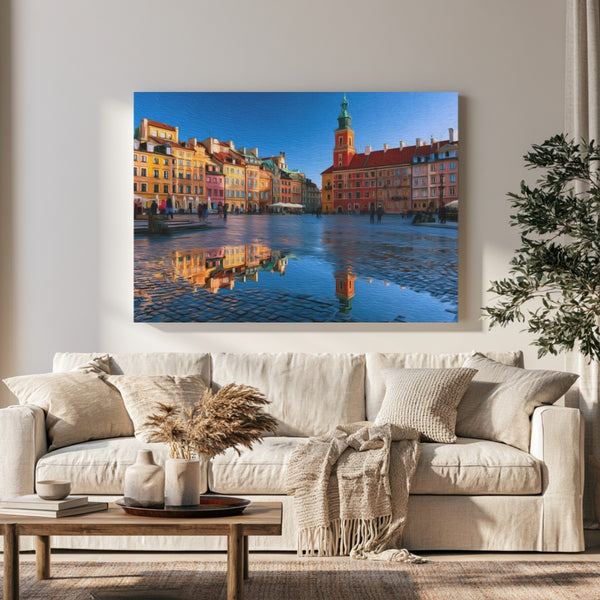
 Colors of Warsaw, Poland

via / Egor Komarov


