Shop the Collection

To help you build your own global archive, we've prepared this collection of watercolor studies from our research into Wadi Rum, Jordan. These artifacts are designed to bring the stillness of this corner of the world into your home.

Original Series Decorative Magnet

A personal study of Wadi Rum, Jordan, captured in high-fidelity watercolor and prepared for your collection.

Wadi Rum, Jordan | Original Series Decorative Magnet
Add to Collection / $18
Exclusive Series Artifact

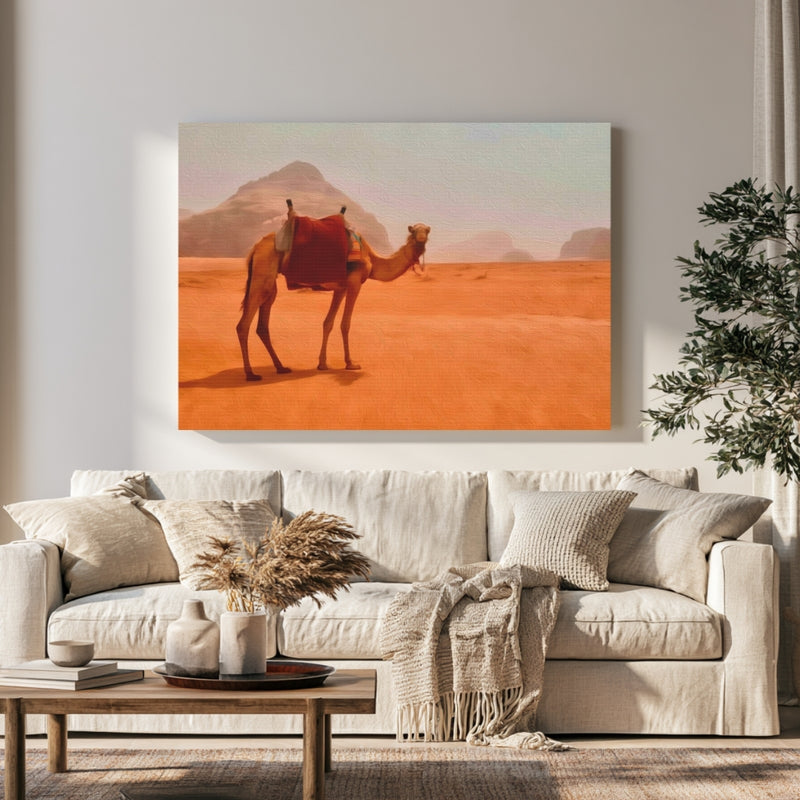
Original Series Gallery Canvas

This high-fidelity canvas is a beautiful way to anchor a room and keep your memories of Wadi Rum, Jordan fresh long after you've returned home.

Wadi Rum, Jordan | Original Series Gallery Canvas detail Wadi Rum, Jordan | Original Series Gallery Canvas detail Wadi Rum, Jordan | Original Series Gallery Canvas detail Wadi Rum, Jordan | Original Series Gallery Canvas detail
Add to Collection / $65

Original Series Hardboard Coaster

A personal study of Wadi Rum, Jordan, captured in high-fidelity watercolor and prepared for your collection.

Wadi Rum, Jordan | Original Series Hardboard Coaster
Add to Collection / $18
Exclusive Series Artifact

The Spirit of the Land

Archival Note: A curated field study of Wadi Rum, Jordan, prioritizing the specific atmospheric stillness of the region. These artifacts have been meticulously sourced from our global archival partners to represent the area’s unique cultural frequency and environmental character. This selection serves as a formal observation for our ongoing global archive, vetted for its visual accuracy and archival merit.

Wadi Rum, Jordan study No. 01
Wadi Rum, Jordan / 01 VIA / Moxin Wang
Nestled against the timeless red sands and towering monoliths of Wadi Rum, this desert sanctuary offers a breathtaking moment of absolute tranquility. The harmonious circle of geodesic domes and traditional tents feels like a peaceful outpost on another world, bathed in the soft, golden glow of a breaking sky. It is a powerful reminder of how beautifully human comfort can blend into the raw, inspiring majesty of the natural world.
Wadi Rum, Jordan study No. 02
Wadi Rum, Jordan / 02 VIA / Konstantinos Kaskanis
Walking through the towering canyon walls of Wadi Rum feels like stepping into a profound and ancient stillness where time slows down. The sun washes over the rugged rock formations, casting a golden light across the soft desert sands and inviting a deep sense of wonder. It is a peaceful reminder of how grounding it is to feel wonderfully small against the backdrop of nature's monumental beauty.
Wadi Rum, Jordan study No. 03
Wadi Rum, Jordan / 03 VIA / Jan Simons
Against the vast, breathtaking backdrop of Wadi Rum's rugged mountain peaks, a quiet moment of daily life unfolds in the soft afternoon light. A local Bedouin man stands by his truck, preparing for the journey ahead, embodying the rich heritage and enduring connection to this ancient terrain. It is a beautiful, peaceful scene that captures the welcoming warmth and resilience of the human spirit thriving in the heart of the desert.

Where to wander

Archival Note: A curated field study of Wadi Rum, Jordan, prioritizing cultural relevance and archival merit. While we haven't touched down here yet, we’ve meticulously vetted these locations through our global network of contributors to ensure they represent the most authentic atmosphere for your own expedition.

Local Cuisine Spotlight
A vibrant abundance of sun-ripened dates fills the frame, showcasing the rich textures and deep amber tones of the desert's most cherished fruit. Each piece glows with a natural, glossy sweetness, telling a story of patience, warmth, and the bountiful gifts of the earth. It is a simple yet deeply uplifting sight that connects us to ancient traditions of hospitality and sustenance.
Credits: Florentina Tilvic
Local cuisine study in Wadi Rum, Jordan

☕︎ Local Flavor

Traditional Zarb Dinner in the Desert

Rating: 5★ | Price: $$ | Coordinates: 29.5823° N, 35.4228° E

The zarb is the Bedouin underground oven: a metal rack of seasoned lamb, chicken, and vegetables, lowered into a pit of hot coals and buried under sand for two to three hours while the camp prepares rice, salads, and flatbread above. When the zarb emerges at sunset — lifted from the earth in a cloud of fragrant smoke, the meat falling from the bone — it is the most dramatic and most satisfying meal available in the Jordanian desert. Every camp in Wadi Rum serves some version of the zarb, but the finest versions are those prepared by Bedouin families who have been making this dish in this valley for generations. Eaten under a sky that is beginning to fill with stars, with the sandstone mountains turning black against the last light, the zarb is more than a meal.

View Entry Details

Bedouin Tea Under a Rock Arch

Rating: 5★ | Price: Free | Coordinates: 29.5750° N, 35.4120° E

Every 4x4 jeep tour in Wadi Rum includes at least one tea break — and the tea break is, by widespread traveler consensus, one of the highlights of the day. The guide parks under a rock arch or inside a narrow canyon, produces a dented kettle and a bag of loose tea, builds a small fire from desert scrub, and brews a pot of sweet sage-scented Bedouin tea that is served in small glasses while the group sits on the sand and the desert silence settles around them. This is the specific moment that travelers describe months later: sitting in the shade of a 300-million-year-old sandstone arch, drinking sweet tea from a glass, with nothing in any direction but sand and sky. Always included. Always the right moment.

View Entry Details

Wadi Rum Rest House

Rating: 4.3★ | Price: $ | Coordinates: 29.5725° N, 35.4006° E

The Wadi Rum Rest House at the visitor center entrance is the first and last building most travelers pass through in the valley, and its simple restaurant serves the best preparation for what lies ahead: fresh hummus, warm flatbread, grilled meats, and sweet tea eaten at terrace tables looking directly into the rose-red desert. The food is honest, plentiful, and Jordanian in the straightforward way that means every dish has been made properly from the right ingredients. The rest house is also the official departure point for all jeep and camel tours, and arriving early for a slow breakfast here before the desert day begins is one of the finest unhurried mornings available in southern Jordan.

View Entry Details

Rum Village Local Kitchen

Rating: 4.5★ | Price: $ | Coordinates: 29.5748° N, 35.4036° E

The small village of Rum, inside the protected area, is home to the Bedouin families who have guided, cooked, and hosted travelers in this desert for generations. The local kitchens and open-air restaurants here serve the most authentic and least expensive version of Jordanian desert cooking available in the valley: mansaf (lamb slow-cooked in fermented dried yogurt over rice), maqluba (upside-down rice and vegetable dish), and the specific flatbread baked on a domed griddle that has been the Bedouin staple for centuries. Eating here, among the working community of the desert rather than at the tourist-facing camps, is the most direct and honest food experience that Wadi Rum offers.

View Entry Details

🛌︎ Boutique Stays

Memories Aicha Luxury Camp

Rating: 4.9★ | Price: $$$$ | Coordinates: 29.5823° N, 35.4228° E

Consistently rated the finest luxury camp in Wadi Rum, Memories Aicha sits within the UNESCO Protected Area where the full scale of the rose-red valley is accessible in every direction. Its bubble rooms — transparent domed tents with climate control, private bathrooms, and direct desert views through the roof — are among the most coveted accommodations in Jordan. The combination of a genuine Bedouin welcome, traditional lamb dinners cooked underground in a zarb (sand oven), music around the fire, and the most complete star field available from any bed in the Arab world makes it the definitive Wadi Rum overnight experience. Book months in advance for peak season.

View Entry Details

Wadi Rum Bubble Luxotel

Rating: 4.8★ | Price: $$$$ | Coordinates: 29.5850° N, 35.4180° E

The most architecturally striking accommodation in Wadi Rum: transparent bubble tents that make the rose-red desert and the star field the interior design. Each bubble has a private hot tub on its deck, air conditioning for summer nights, floor heating for winter, and a king-size bed positioned so that the last view before sleep is the Milky Way and the sandstone peaks of the Jebel Rum. Located outside the protected area, the Luxotel also offers access to the hot air balloon experience that has become Wadi Rum’s most sought-after sunrise activity. The Instagram photographs do not exaggerate. Book well ahead.

View Entry Details

Sun City Camp

Rating: 4.8★ | Price: $$$ | Coordinates: 29.5940° N, 35.4270° E

A boutique luxury camp inside the Wadi Rum Protected Area whose Martian tent suites — geodesic domes with contemporary interiors — are some of the most distinctive sleeping spaces in Jordan. From the outside the camp blends into the desert; inside, the rooms are surprisingly complete: private bathrooms, underfloor heating, and picture windows looking out at sandstone formations that turn amber in the evening light. The dinner service, prepared over an open fire by Bedouin cooks using the traditional zarb method, is consistently rated the best food in any Wadi Rum camp. One of the rare properties here that genuinely earns the word ‘luxury’ across all its dimensions.

View Entry Details

Harmony Luxury Camp

Rating: 4.9★ | Price: $$$ | Coordinates: 29.5760° N, 35.4290° E

Consistently recommended as the best first-timer camp in Wadi Rum: a family-run operation inside the protected area where the Bedouin hosts have been guiding guests through the valley for three generations. The combination of private luxury tents with en-suite bathrooms, a location among dramatic sandstone formations, a traditional zarb dinner, and a guide whose knowledge of the valley’s natural and cultural history is encyclopedic makes Harmony the most complete single experience available in Wadi Rum for a visitor who wants authentic Bedouin hospitality alongside genuine comfort. The breakfast with freshly baked bread and local honey on the desert terrace is an experience in itself.

View Entry Details

📍︎ Field Study

Full-Day 4x4 Jeep Safari

Rating: 5★ | Price: $$ | Coordinates: 29.5725° N, 35.4006° E

By law, only Wadi Rum’s Bedouin community may operate the jeep, camel, and climbing tours within the protected area — a UNESCO-mandated arrangement that ensures both the economic benefit flows to the valley’s indigenous guardians and the guides who lead you through it have been reading this landscape since childhood. A full-day 4x4 safari covers the Seven Pillars of Wisdom, Lawrence’s Spring, Khazali Canyon (with its Talmudic and Nabataean inscriptions), the Um Fruth and Jebel Burdah rock bridges, the red sand dunes, and the vast empty center of the valley where the silence becomes physical. Bedouin tea is always included. So is the zarb dinner at camp. Sandboarding is free.

View Entry Details

Camel Ride with Bedouin Guide

Rating: 5★ | Price: $ | Coordinates: 29.5725° N, 35.4006° E

A camel ride through Wadi Rum is the slowest and quietest way to move through the desert — and therefore the most honest. At camel pace, the scale of the sandstone mountains, the depth of the silence, and the quality of the light have time to register in a way that the 4x4 does not allow. The route typically passes Lawrence’s Spring and the red dunes at the base of the Jebel Rum escarpment. The wild camels that wander through the valley often approach the riding group out of curiosity. A Bedouin guide who has grown up among these animals handles the experience with a calm expertise that is itself worth the journey. This is how Arabia has been traversed for three thousand years.

View Entry Details

Jebel Burdah Rock Bridge Hike

Rating: 5★ | Price: $$ | Coordinates: 29.6300° N, 35.4600° E

The Jebel Burdah Rock Bridge is the highest natural arch in Wadi Rum, rising 35 meters above the desert floor on a granite ridge at the northeastern edge of the protected area — and the hike to reach it is the finest physical challenge the valley offers. The scramble up the back of the mountain takes 90 minutes and requires both hands; the summit view reveals the full breadth of the valley, the Saudi border mountains to the east, and the Jebel Rum massif to the south. Standing on the arch itself — a thin spine of granite that falls away on both sides into empty air — is one of the most vertiginous and most beautiful moments available in Jordan. A fit and sure-footed hiker’s essential Wadi Rum experience.

View Entry Details

Wadi Rum Sunrise Hot Air Balloon

Rating: 5★ | Price: $$$ | Coordinates: 29.5850° N, 35.4180° E

At dawn, drifting above the valley floor of Wadi Rum in a hot air balloon is the only vantage point from which the full scale of the protected area becomes legible at once: the Seven Pillars of Wisdom, the Jebel Rum massif, the red sand dunes, the scattered Bedouin camps, and the camels moving unhurried across the valley floor — all arranged below in the rose and gold of the desert at first light. At the precise moment the sun clears the Saudi escarpment to the east, the entire valley ignites in amber. Lawrence called it “vast, echoing and God-like.” From a balloon at this hour, standing in silence above it, the description is insufficient.

View Entry Details

Typography

Archival Note: A formal technical study of Wadi Rum, Jordan—archiving the coordinates, elevation, and environmental data that define the region. This data serves as a vital record for our ongoing global field study, allowing us to reconstruct the regional atmosphere with archival precision before our physical arrival.

Botanical and pigment specimen study for Wadi Rum, Jordan Colors of Wadi Rum, Jordan
Coordinates
29.5725° N, 35.4006° E — Southern Jordan, Hejaz plateau, Aqaba Governorate
Historical Epoch
Thamudic and Nabataean inscriptions (4th century BCE–4th century CE) — Lawrence of Arabia crossed in 1917
Elevation
950 m / 3,117 ft — broad desert valley 60 km east of Aqaba on the southern Jordanian plateau
Atmosphere
Hot Desert (BWh) — summers above 40°C, warm clear winters October–March
Observation Hour
05:30 AM — Valley floor shifting from violet to amber in four minutes as the sun clears the escarpment
Primary Pigment
Valley Rose (#C2714F) and Desert Night Indigo (#1D2B4F)
Best Time to Visit
October through April — the Jordanian desert winter is clear and warm, the Bedouin zarb dinners are at their most atmospheric under cold starry nights, and camel rides are comfortable
Avoid Visiting
June through August — Wadi Rum exceeds 40°C in the valley floor, the rock surfaces reach 60°C+ by midday, and the heat radiating from the sandstone cliffs makes hiking hazardous

The Local Tongue

Language is the invisible architecture of Wadi Rum, Jordan. These entries document the regional vocabulary—capturing the "texture" of local speech that standard translations often miss. Hand-curated expressions reflecting the specific spirit and daily rhythm of the region.
Archival study of Arabic cultural texture

via / Andrea Imre

Primary Language Arabic
Regional Dialect Jordanian Levantine

Ahlan wa Sahlan (أهلاً وسهلاً)

The full Arabic welcome — “welcome, and may the path be easy for you” — is the phrase you will hear from the moment your 4x4 enters the protected area. In Wadi Rum, where the Bedouin tradition of hospitality is not a cultural performance but an ancient moral obligation — the desert demands that strangers be received as guests — this welcome is always genuine. Accept the tea. Sit for a moment. The desert will still be there.

Zarb (زرب)

The underground sand oven that defines Bedouin desert cooking in Wadi Rum: a pit dug in the desert floor, lined with hot coals, loaded with a rack of seasoned lamb and vegetables, and buried under sand for two to three hours while the camp prepares everything else. The word “zarb” also describes the act of patience the meal requires — the willingness to wait, in the desert, while something good is happening underground. In this way it is an apt metaphor for the entire Wadi Rum experience.

Yalla (يلا)

The most useful single word in Jordan — “let’s go,” “come on,” “hurry up,” or “ok, great” depending entirely on tone. In Wadi Rum, “yalla” from your Bedouin guide is almost always the signal that something extraordinary is about to become visible: a canyon mouth, a rock arch, a camel herd, the moment the sun clears the escarpment. Follow immediately.

Wait! before you go...

Before you head over to Wadi Rum, Jordan, we’ve audited the essential data points for this corner of the world. These notes cover the logistics—from currency ratios to transit hubs—to help you navigate the landscape with clarity.
🚲 Getting Around All jeep, camel, and climbing tours within the Wadi Rum Protected Area must by law be operated by Bedouin guides from the valley — book through your camp or through official operators at the visitor center. Most travelers arrive by rental car from Aqaba (1 hour) or Petra (1.5 hours). The JETT bus connects Amman to Wadi Rum village. The Wadi Rum Visitor Center at the entrance charges the park entrance fee and is where all tour vehicles depart. Day visitors who arrive by private car park here and transfer to Bedouin 4x4s.
⚖️ Cash or Card 80% Cash / 20% Card. Wadi Rum operates almost entirely on cash. Camp fees, jeep tours, camel rides, entrance fees, and the visitor center restaurant all prefer or require Jordanian Dinar (JD). Some luxury camps accept cards, but arrive with sufficient cash regardless. The nearest ATMs are in Aqaba (1 hour) or Wadi Musa/Petra (1.5 hours). There are no ATMs in Wadi Rum village or the protected area.
☁️ Good to Know The Jordan Pass (purchased online before arrival) covers the Wadi Rum entrance fee and the Petra entry fee simultaneously — essential value for any visitor doing both, which is the overwhelming majority. Respect Bedouin hospitality: never refuse tea when offered, and do not rush a conversation to get back to the jeep. The desert operates on a different clock and the guide will tell you when it is time. Bring a headtorch, layers for the night, and more water than you think you need.
🏧 ATMs No ATMs in Wadi Rum village or the protected area. Withdraw Jordanian Dinar at ATMs in Aqaba (Arab Bank, Cairo Amman Bank) or in Wadi Musa near Petra before arriving. Most camp operators can arrange currency exchange at unfavorable rates if needed; treat this as an emergency option only. Bring at least 30–50 JD in small notes per person for tips, tea, and small purchases.
💳 Currency The Jordanian Dinar (JOD), one of the world’s highest-valued currencies. 1 JD = approximately $1.41 USD. Withdraw from ATMs in Aqaba or Petra before entering Wadi Rum. The Jordan Pass (jordanpass.jo) covers both Wadi Rum entrance and Petra entry — buy it before you arrive in Jordan at the airport.
🔌 Plugs Jordan uses Type B and Type C plugs — the two-flat-pin American-style and the round two-prong European-style are both common. Standard voltage is 230V at 50Hz. In Wadi Rum camps, electricity is typically solar or generator-powered and may be available only at set hours; confirm with your camp and bring a portable power bank.
🛡️ Safety Wadi Rum is one of Jordan’s safest destinations, with a centuries-old Bedouin hospitality culture that extends naturally to visitors. The main practical considerations are the heat (dangerous in summer without proper hydration), the remoteness inside the protected area (always stay with your guide; the valley is 720 km² and people do get lost), and the absence of phone signal in much of the valley (your camp will have satellite communication if needed).
✈️ Airports Wadi Rum has no airport. The nearest international gateway is King Hussein International Airport in Aqaba (AQJ), 60 km west — receiving regional flights from Amman and some international charters. Most international visitors arrive via Queen Alia International Airport in Amman (AMM) and travel south by rental car (4 hours), JETT bus, or organized transfer. From Petra/Wadi Musa the drive to Wadi Rum is 1.5 hours — almost every Jordan itinerary combines Petra and Wadi Rum in sequence.

Behind The Scenes

Nathan

Note from the Founder

Hey, did you know this fun fact about Wadi Rum, Jordan? Wadi Rum was used as the filming location for “The Martian” (2015), “Rogue One: A Star Wars Story” (2016), “Transformers: Revenge of the Fallen” (2009), and several other major productions — its landscape is so otherworldly that filmmakers reach for it when they need to depict Mars or alien terrain.
Thank you for exploring the Wadi Rum, Jordan series with us. We hope these notes have inspired you to add this incredible destination to your own passport—we are so glad you’re here. — Nathan

The Magnets

The Coasters

The Canvas