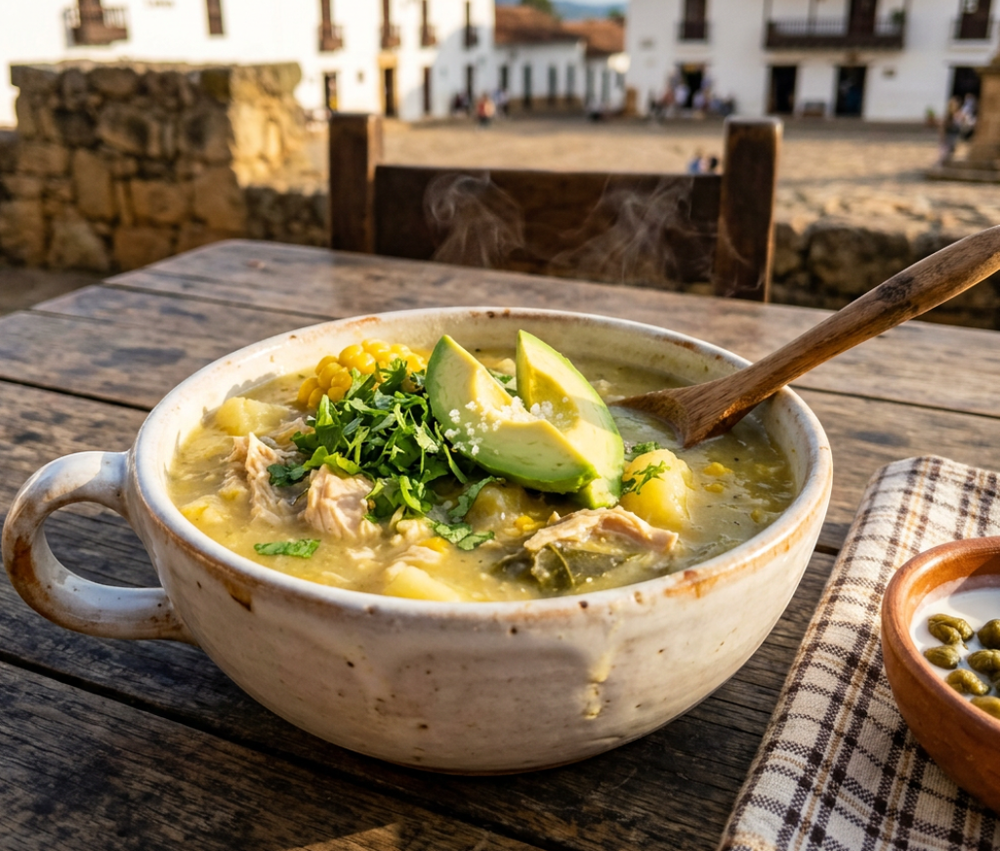
Local Cuisine Spotlight

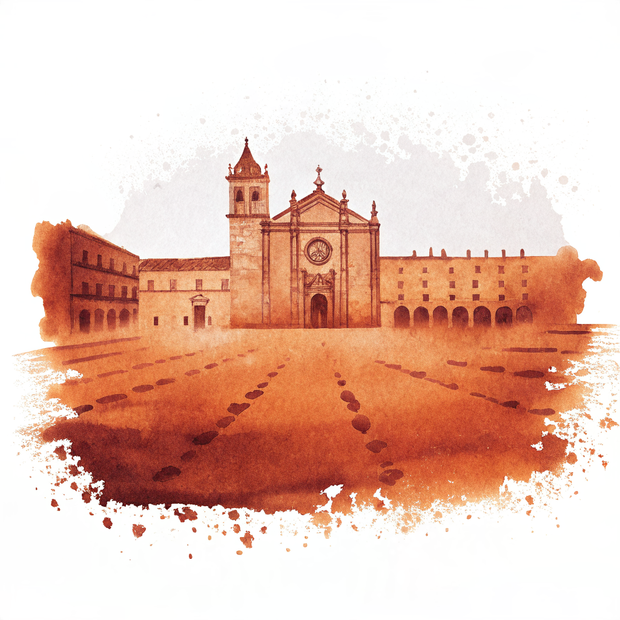
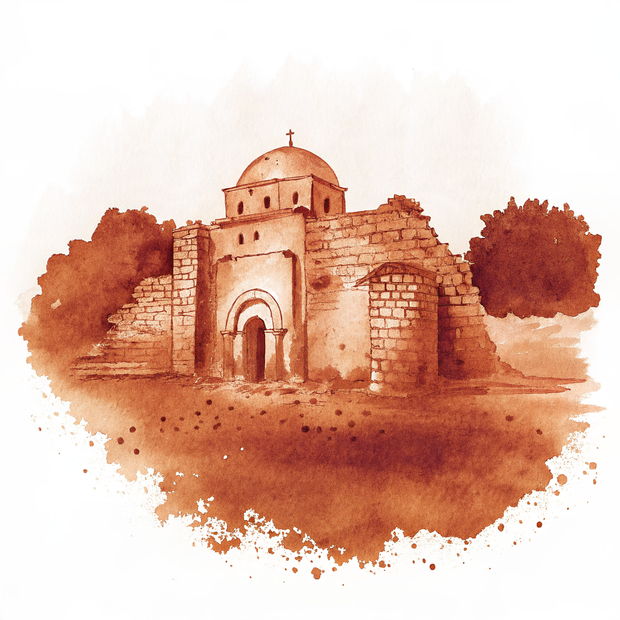
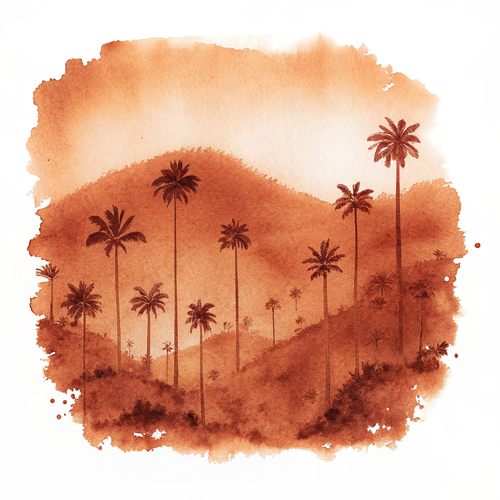
Now representing Villa de Leyva — 1 original piece, each hand-crafted in watercolor.
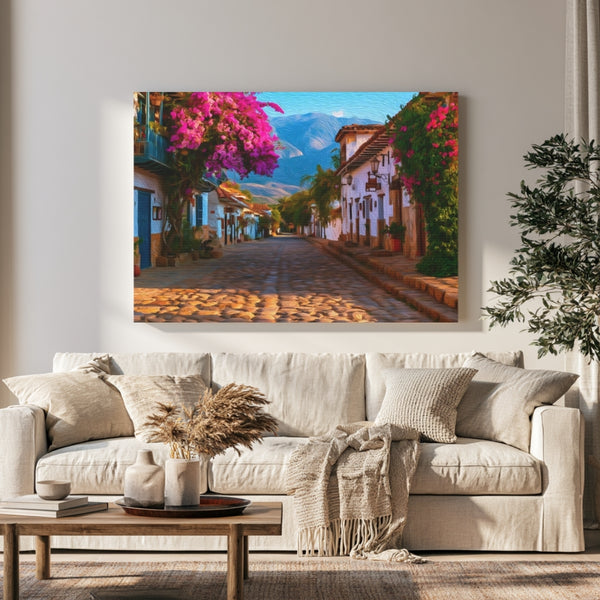
Tucked into the high Andean plateau of Boyaca at around 2,100 metres, Villa de Leyva is one of those rare towns that feels genuinely frozen in time, not as a gimmick but as a matter of deep civic pride. Its streets are paved with the same rough stone they have been since the Spanish laid them in 1572, and its whitewashed walls catch the afternoon sun with a warmth that feels almost theatrical. The town sits in a semi-arid rain shadow, which gives the surrounding landscape a surprising drama: dusty ochre hillsides, patches of scrubby desert, and then suddenly the enormous Plaza Mayor opening up like a held breath. History here is not in a museum behind glass but underfoot and overhead, in doorways and on church facades, so well preserved that the Colombian government declared the entire town a national monument in 1954.
Every canvas is painted from a real place. Explore the map to see exactly where each scene lives — and wander Villa de Leyva the way a traveler would, one landmark at a time.
Keep Exploring
Archival Note: A curated field study of Villa de Leyva, Colombia, prioritizing the specific atmospheric stillness of the region. These artifacts have been meticulously sourced from our global archival partners to represent the area's unique cultural frequency and environmental character. This selection serves as a formal observation for our ongoing global archive, vetted for its visual accuracy and archival merit.


Archival Note: A curated field study of Villa de Leyva, Colombia, prioritizing cultural relevance and archival merit. These locations have been meticulously researched and vetted to ensure they represent the most authentic atmosphere for your own expedition.
Archival Note: A formal technical study of Villa de Leyva, Colombia, archiving the coordinates, elevation, and environmental data that define the region. This data serves as a vital record for our ongoing global field study, providing the technical foundation behind every atmospheric detail captured in our visual work.
 Colors of Villa de Leyva, Colombia

via / Woody Willis


