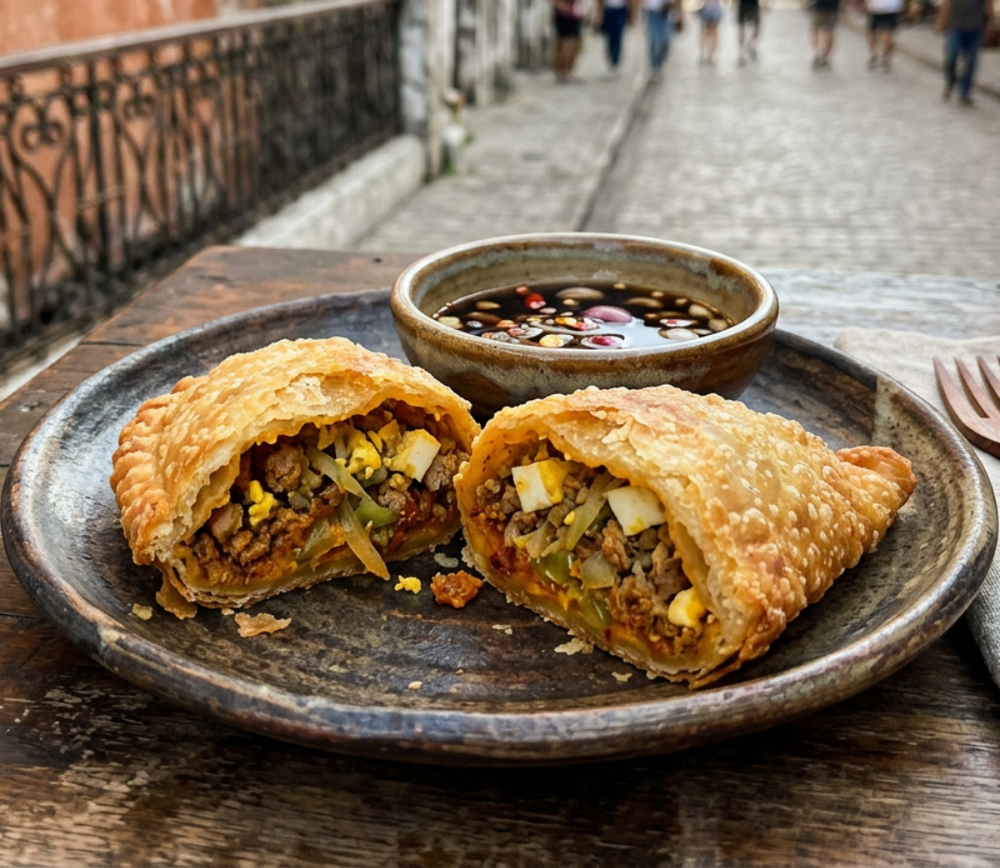
Vigan, Philippines | Where cobblestones remember everything
Vigan is one of those rare places that makes you feel like time has gently folded back on itself. Tucked along the northwest coast of Luzon, this UNESCO World Heritage city is the best-preserved example of a Spanish colonial town in Asia, its streets still paved with the same volcanic stone they were four centuries ago. Horse-drawn carriages called kalesa clatter past ancestral homes with capiz shell windows and terracotta rooftiles, while the scent of longganisa sausage and sugarcane vinegar drifts from kitchens that have barely changed in generations. The light here is particular, especially at dusk, when the old stone walls of Calle Crisologo turn the color of warm honey and the whole city feels suspended in a beautiful, unhurried amber.
A Vigan watercolor palette draws from the earth itself: sun-bleached limestone walls, the deep sienna of burnay pottery fired in traditional kilns, the dusty terracotta of colonial rooftiles, and the soft ivory of capiz shell catching afternoon light. Shadows pool in cool cobalt beneath the overhanging second-floor balconies, and the surrounding Ilocos countryside adds strokes of faded sage and dry ochre to the edges of every composition.