Shop the Collection

To help you build your own global archive, we've prepared this collection of watercolor studies from our research into Varanasi, India. These artifacts are designed to bring the stillness of this corner of the world into your home.

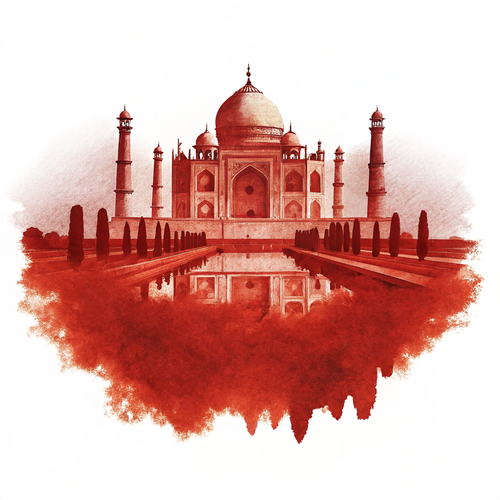
Original Series Decorative Magnet

A personal study of Varanasi, India, captured in high-fidelity watercolor and prepared for your collection.

Varanasi, India | Ganges River Ghats | Original Series Decorative Magnet
Add to Collection / $18
Exclusive Series Artifact

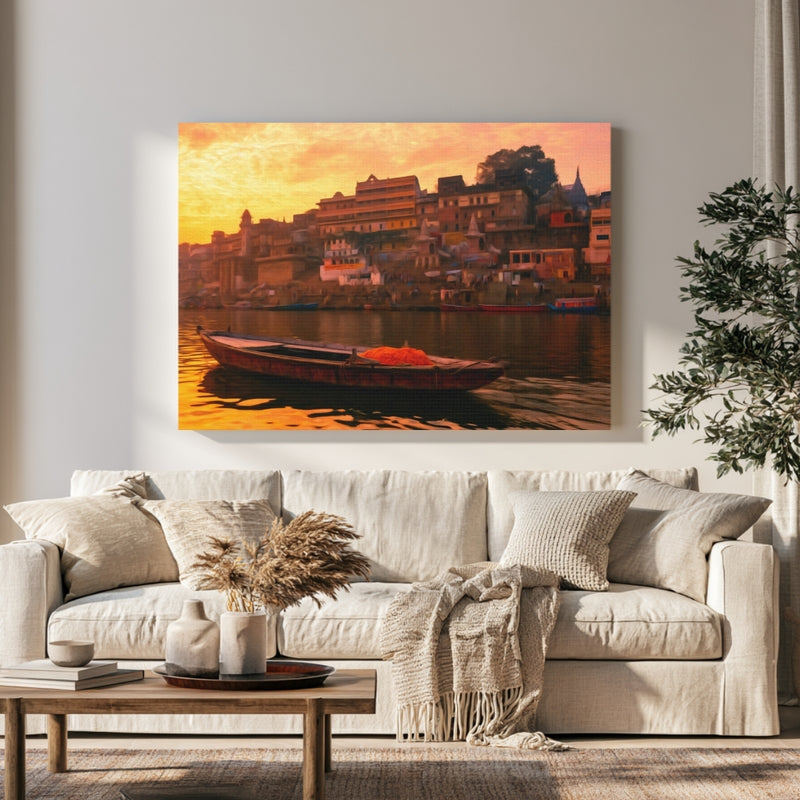
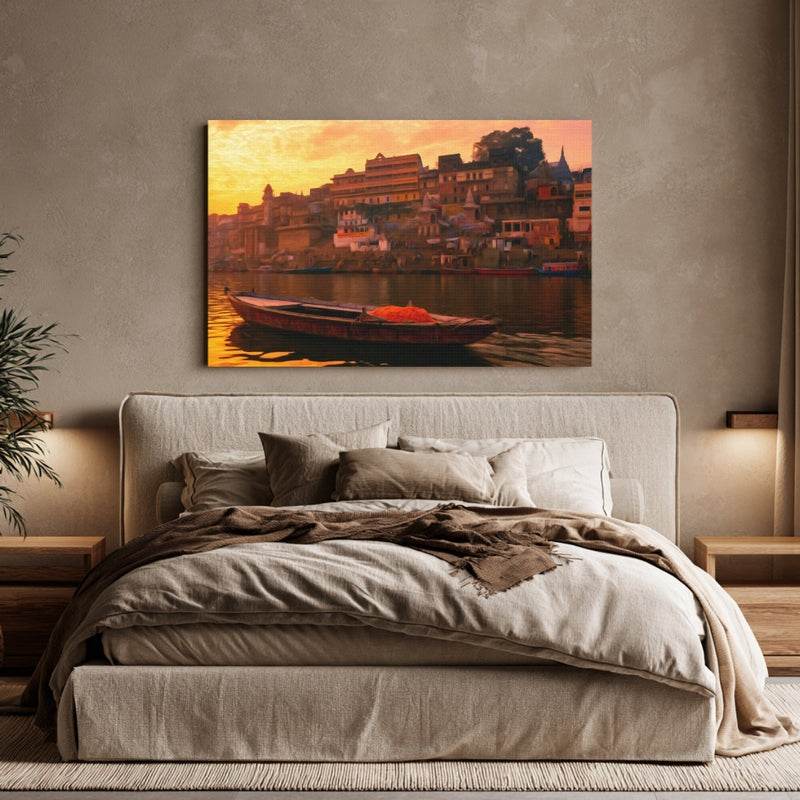
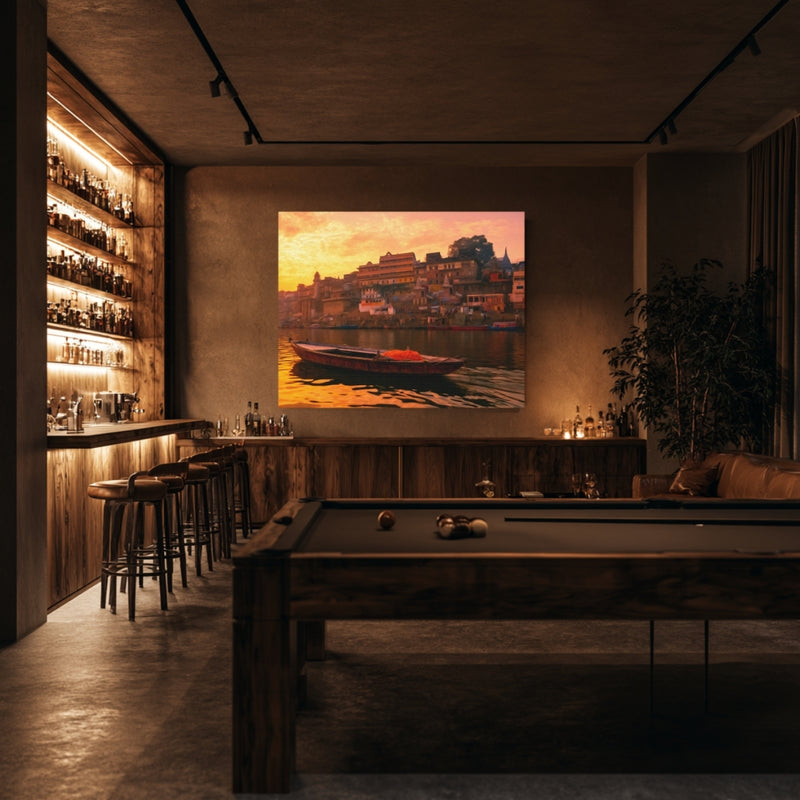
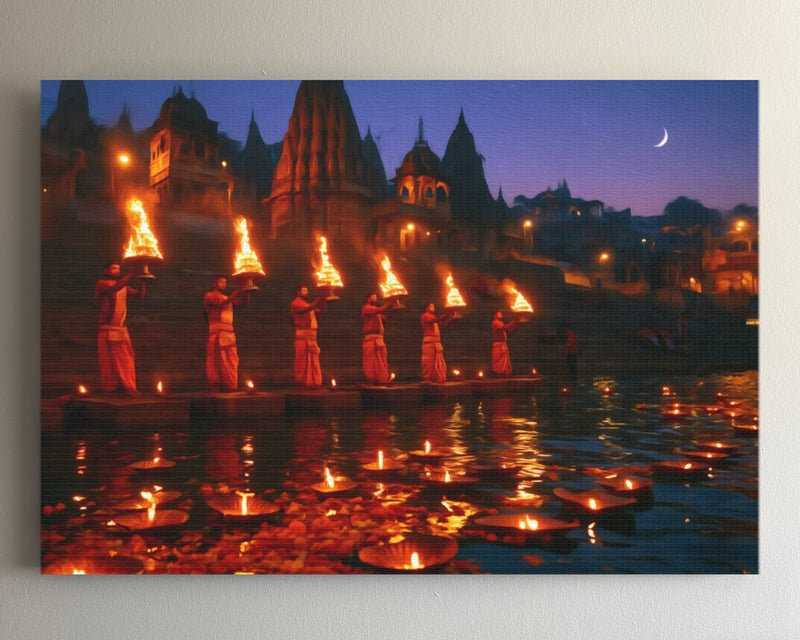
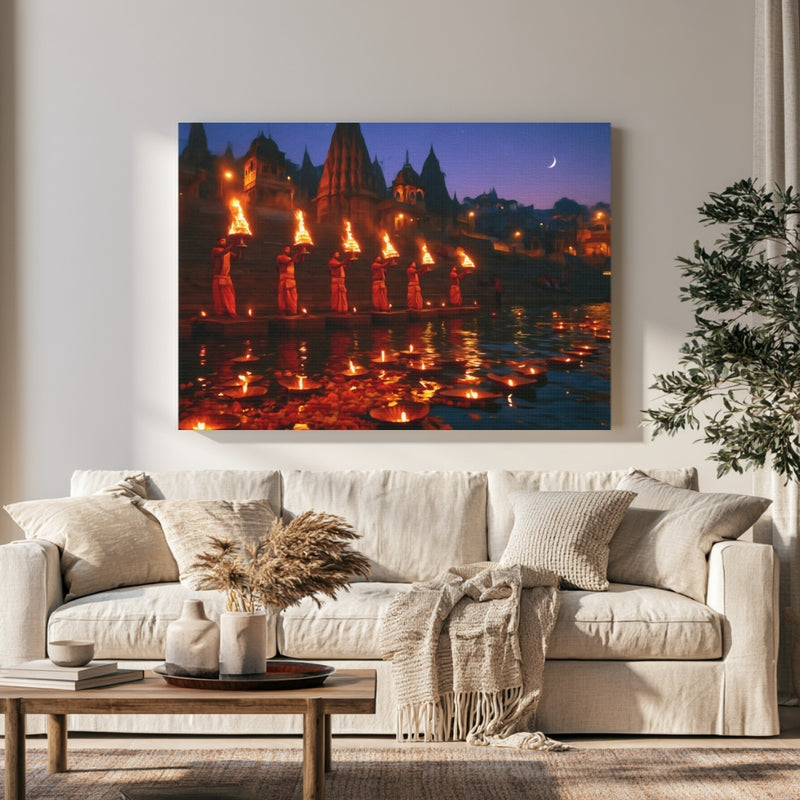
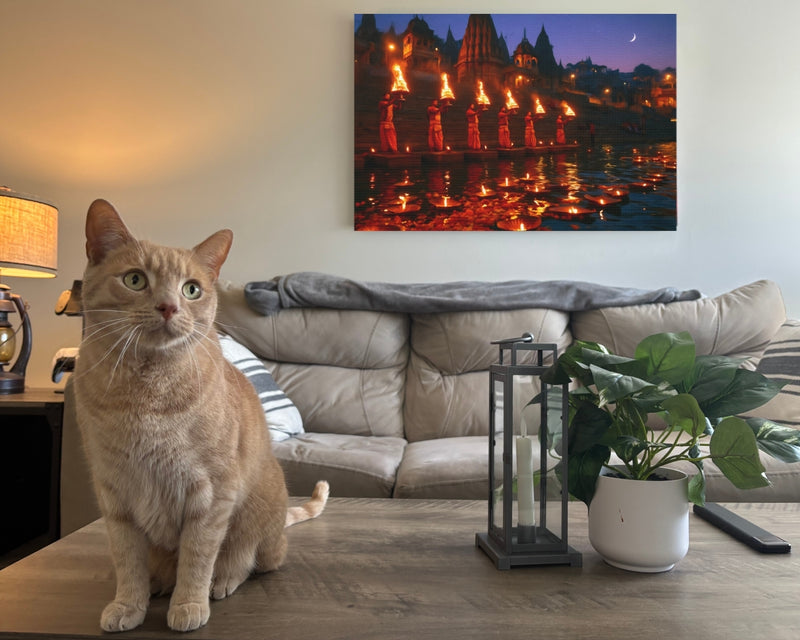
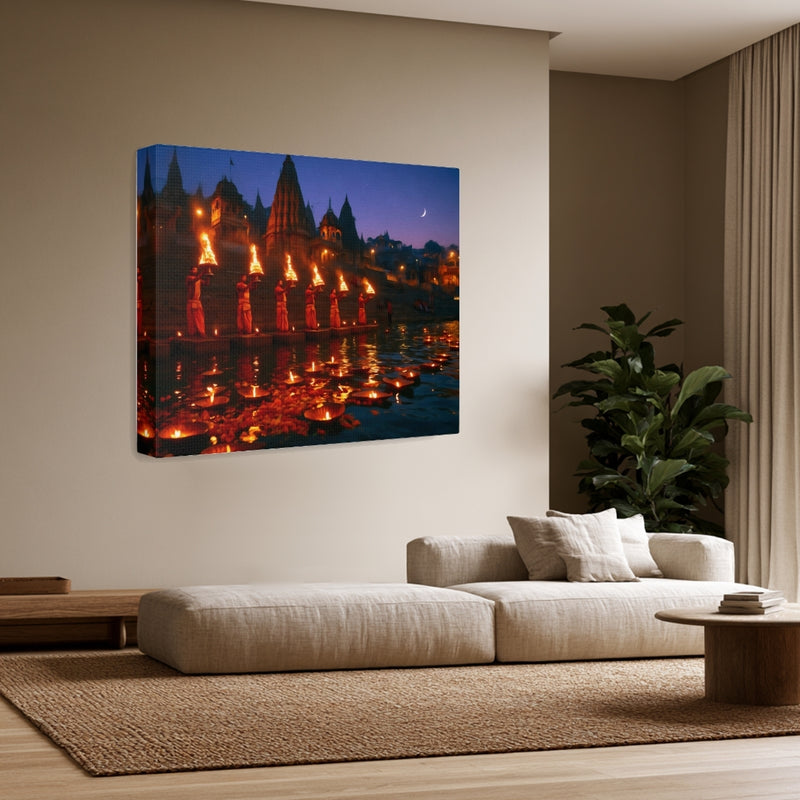
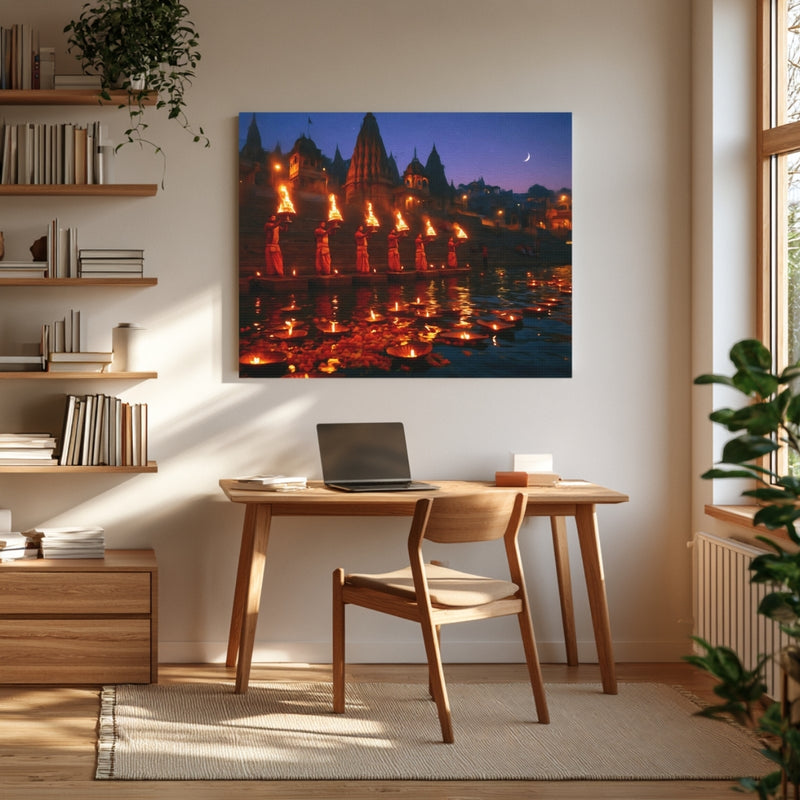
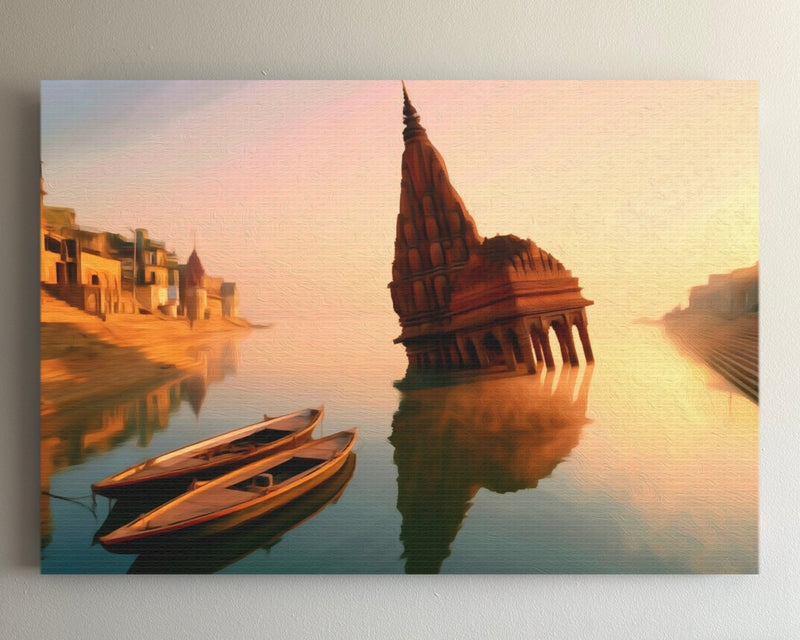
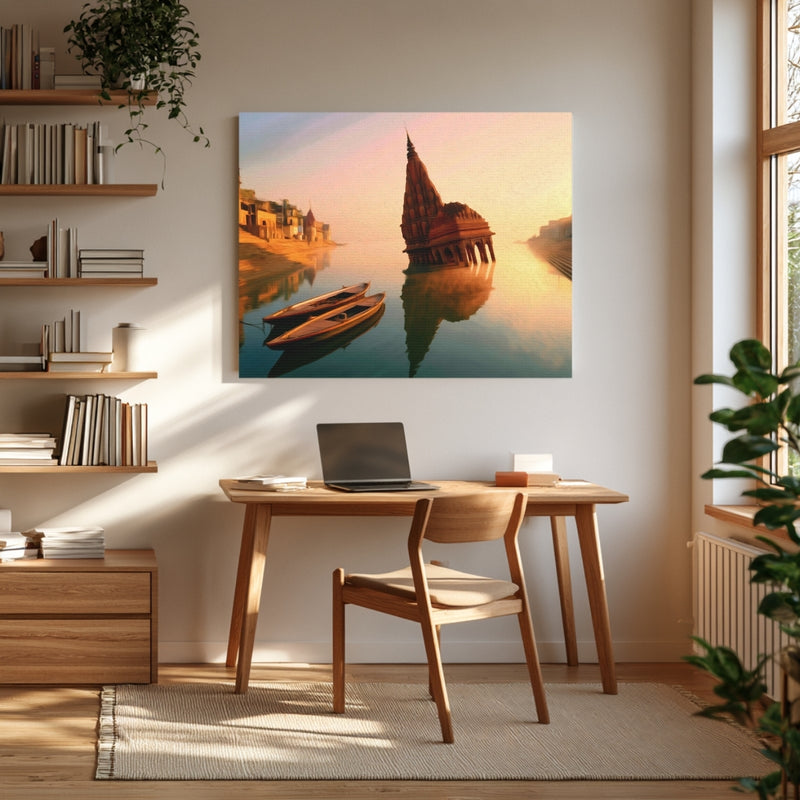
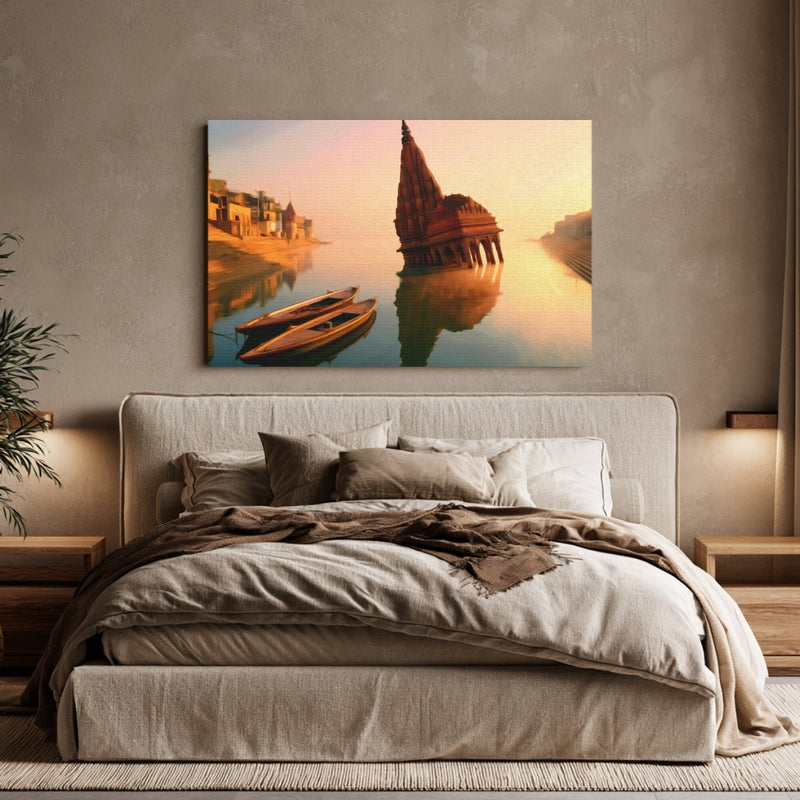
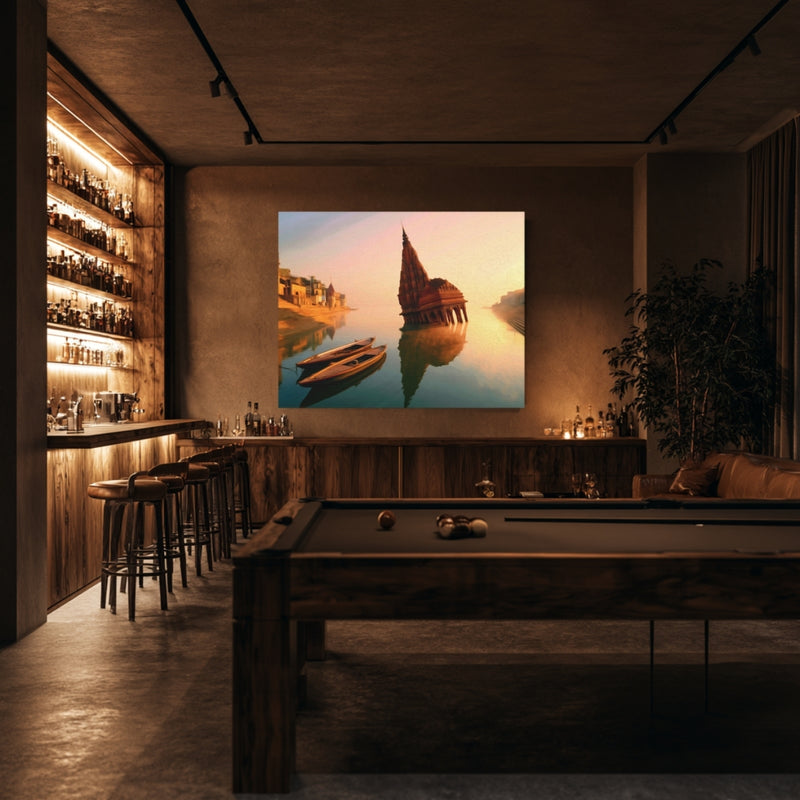
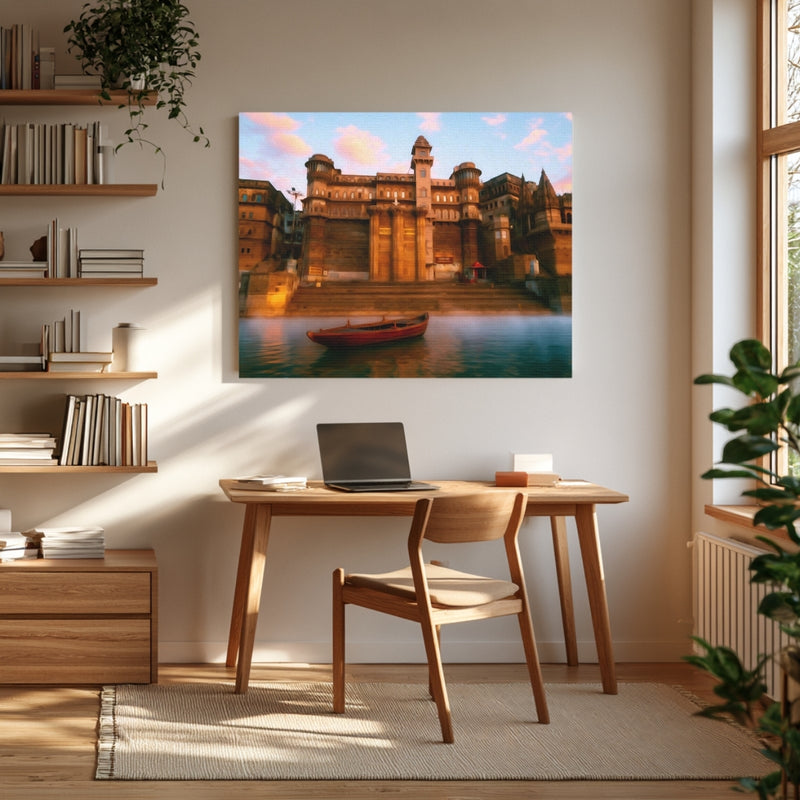
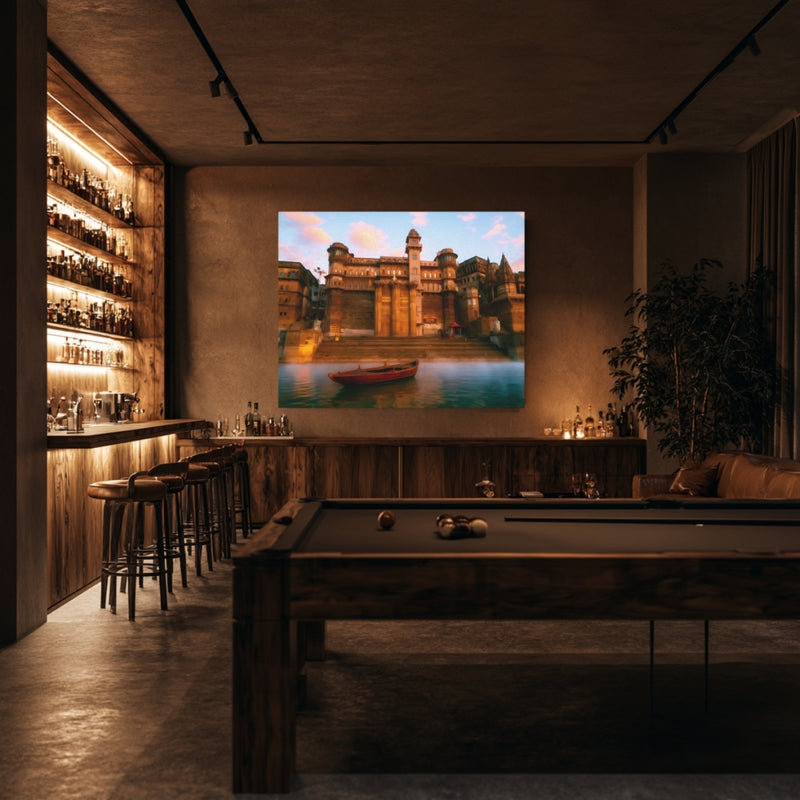
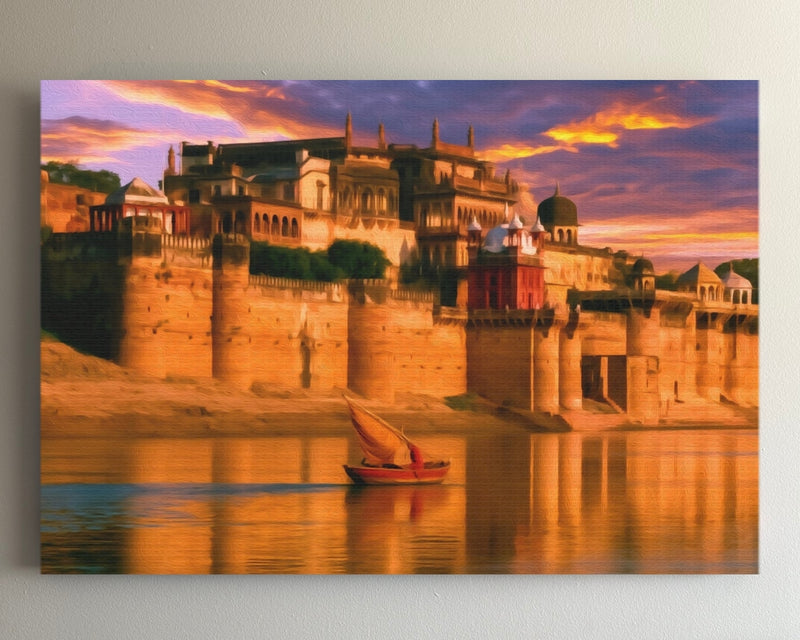
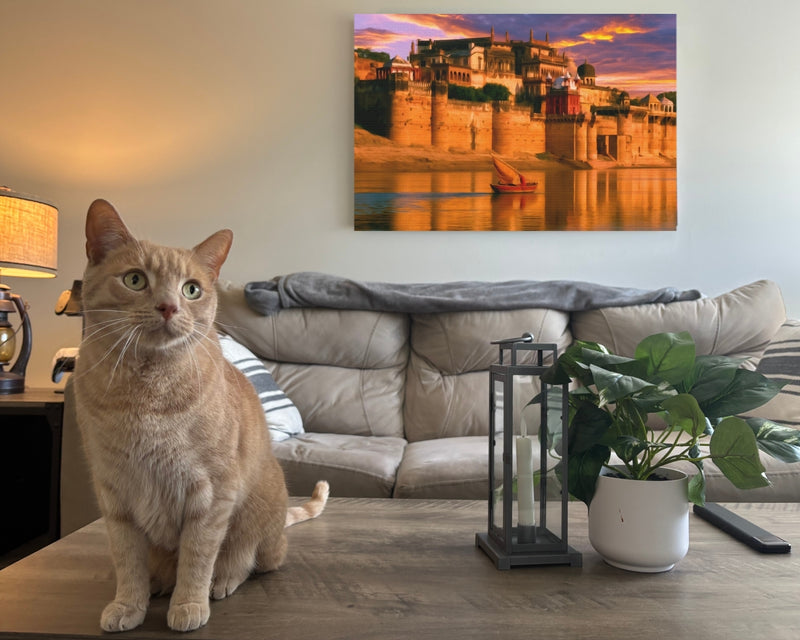
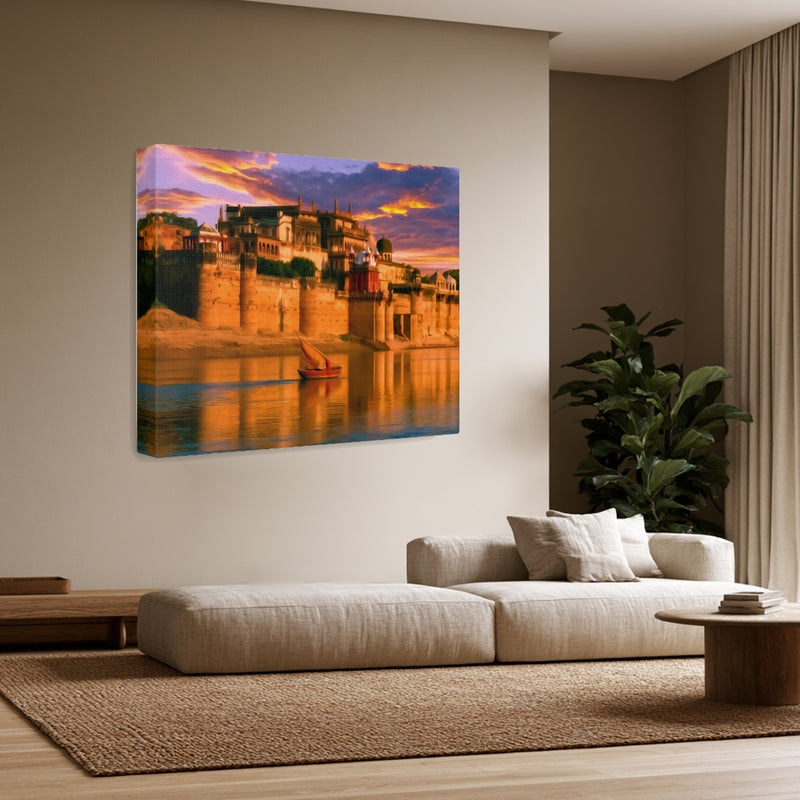
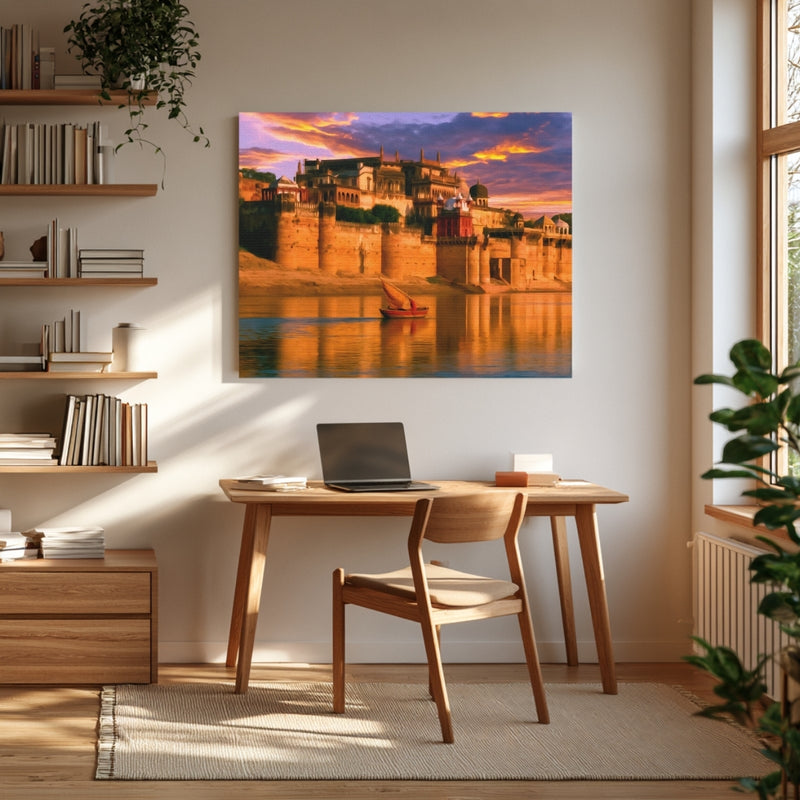
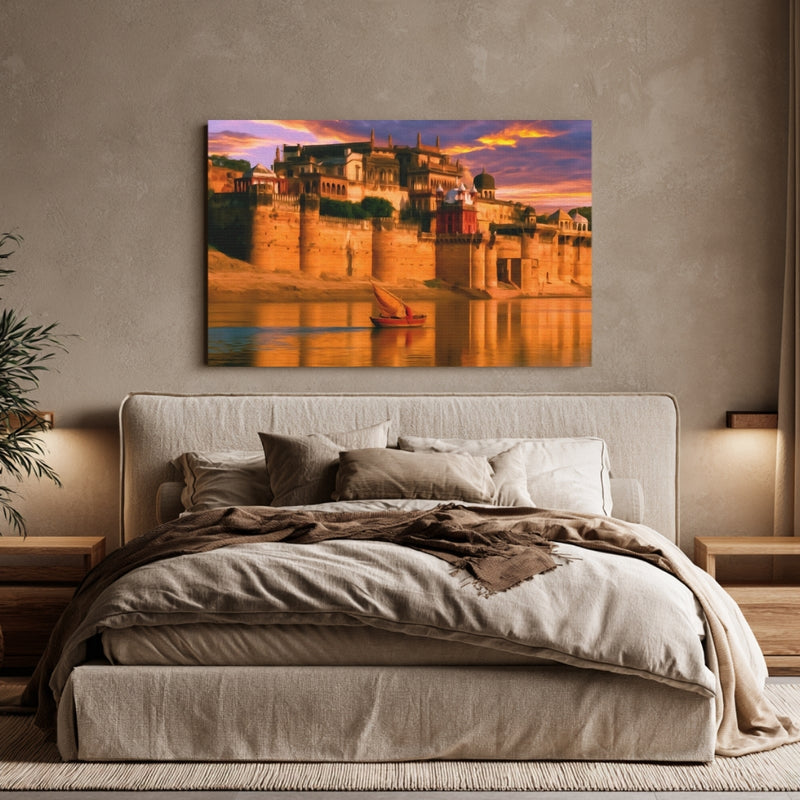
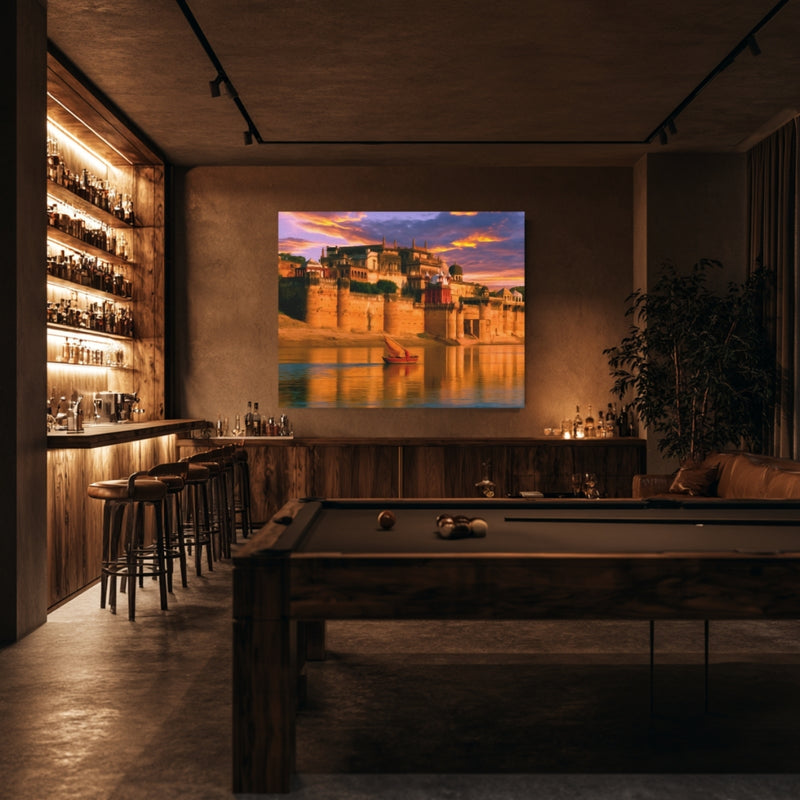
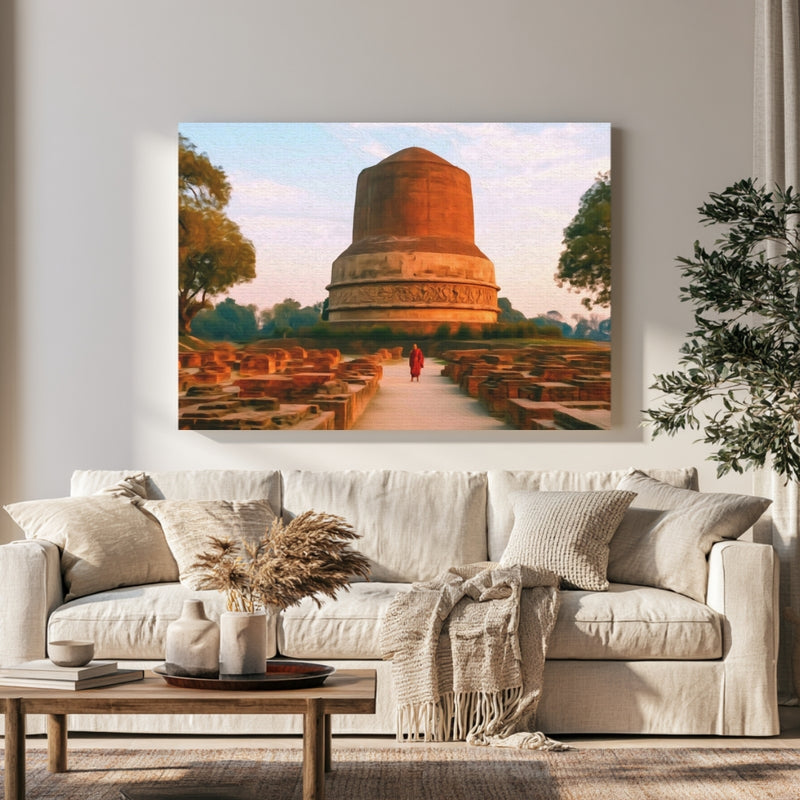
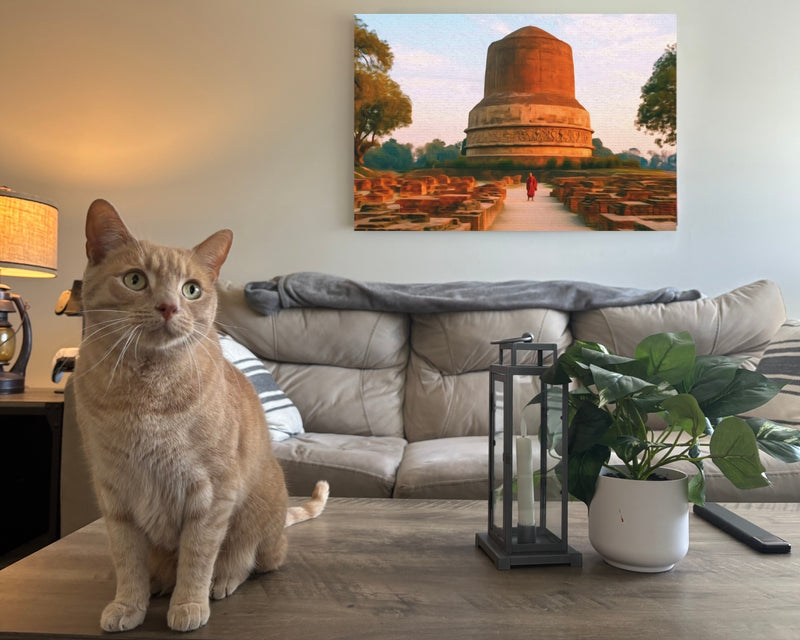
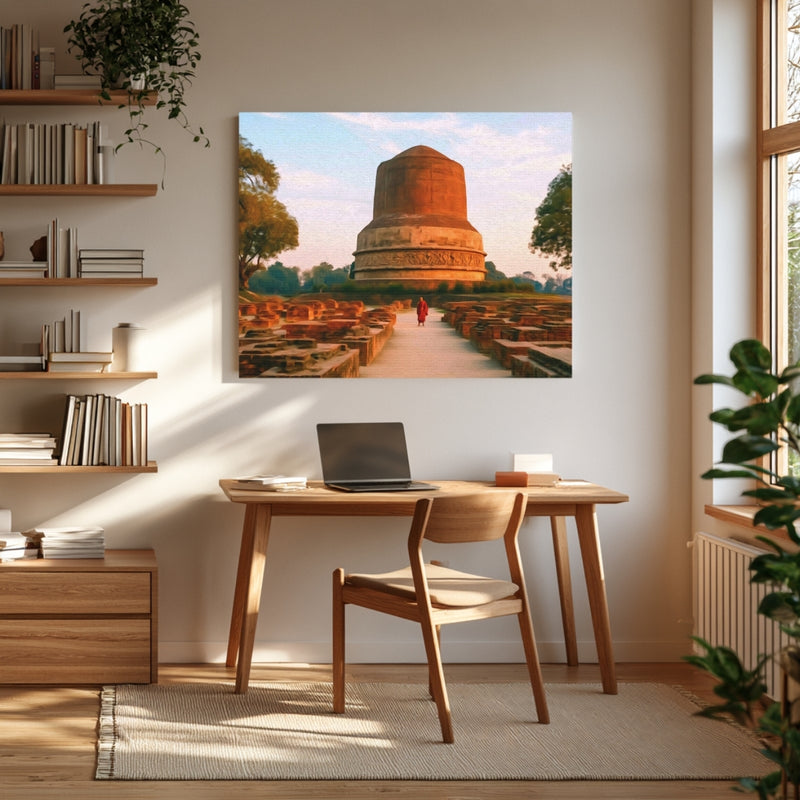
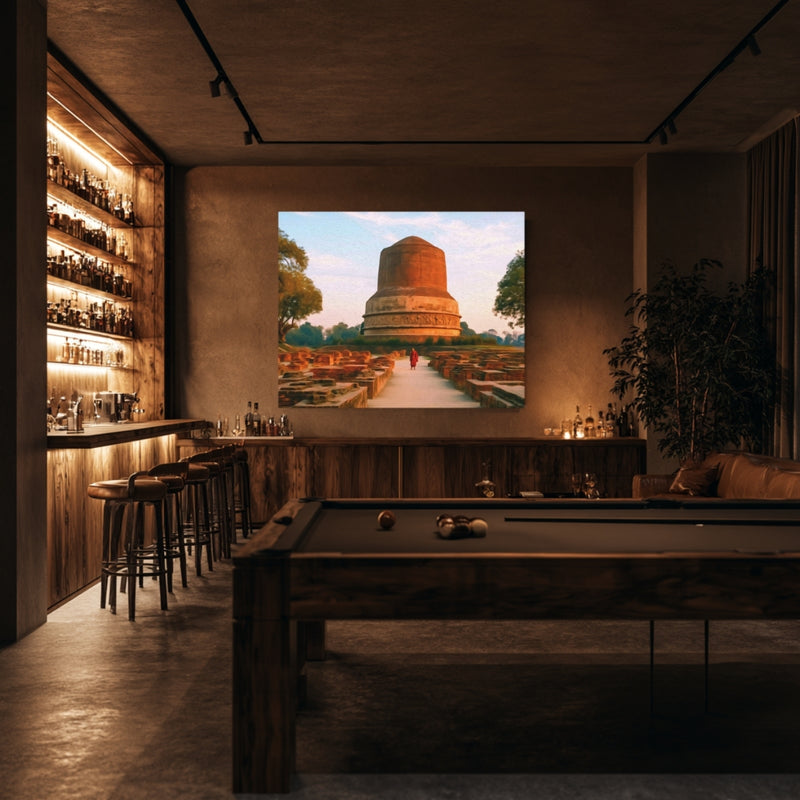
Original Series Gallery Canvas

This high-fidelity canvas is a beautiful way to anchor a room and keep your memories of Varanasi, India fresh long after you've returned home.

Varanasi, India | Ganges River Ghats | Original Series Gallery Canvas detail Varanasi, India | Ganges River Ghats | Original Series Gallery Canvas detail Varanasi, India | Ganges River Ghats | Original Series Gallery Canvas detail Varanasi, India | Ganges River Ghats | Original Series Gallery Canvas detail
Add to Collection / $65

Original Series Hardboard Coaster

A personal study of Varanasi, India, captured in high-fidelity watercolor and prepared for your collection.

Varanasi, India | Ganges River Ghats | Original Series Hardboard Coaster
Add to Collection / $18
Exclusive Series Artifact

The Spirit of the Land

Archival Note: A curated field study of Varanasi, India, prioritizing the specific atmospheric stillness of the region. These artifacts have been meticulously sourced from our global archival partners to represent the area's unique cultural frequency and environmental character. This selection serves as a formal observation for our ongoing global archive, vetted for its visual accuracy and archival merit.

Varanasi, India study No. 01
Varanasi, India / 01 VIA / Sergio Capuzzimati
A wooden boat drifts on the Ganges as dawn breaks in shades of peach and bronze, its silhouetted passengers surrounded by a flurry of birds. One figure stands at the boat's edge, arm raised, while others sit scattered along its length, all rendered dark against the soft glow of sunrise reflecting on still water. The scene captures an ordinary morning ritual made extraordinary by light—the way it turns river mist golden and transforms a crowded moment into something quietly suspended in time.
Varanasi, India study No. 02
Varanasi, India / 02 VIA / Pratish Srivastava
The late afternoon light casts a warm glow across the ghats, softening the edges of weathered boats moored along the riverbank and the crowded buildings rising behind them. People move about the stone steps in small clusters, some bathing, others simply gathered, while the painted murals of deities watch over the scene in brilliant blues and oranges. The air here would carry the mingled sounds of water lapping against wood, distant conversations, and the hum of a city that has repeated these same rhythms for centuries.
Varanasi, India study No. 03
Varanasi, India / 03 VIA / Snowscat
The boats cluster so thickly near the ghats that their rounded hulls create a mosaic of blues—cobalt, navy, turquoise—each vessel's paint weathered differently by water and sun. Beyond this dense flotilla, the Ganges opens into hazy morning light where scattered rowing boats appear as dark silhouettes, their oars dipping quietly into the mist. The fog softens the city's edges, turning the distant temples and buildings into layered shades of gray and ochre that seem to float above the waterline.

Where to wander

Archival Note: A curated field study of Varanasi, India, prioritizing cultural relevance and archival merit. While we haven't touched down here yet, we’ve meticulously vetted these locations through our global network of contributors to ensure they represent the most authentic atmosphere for your own expedition.

Local Cuisine Spotlight
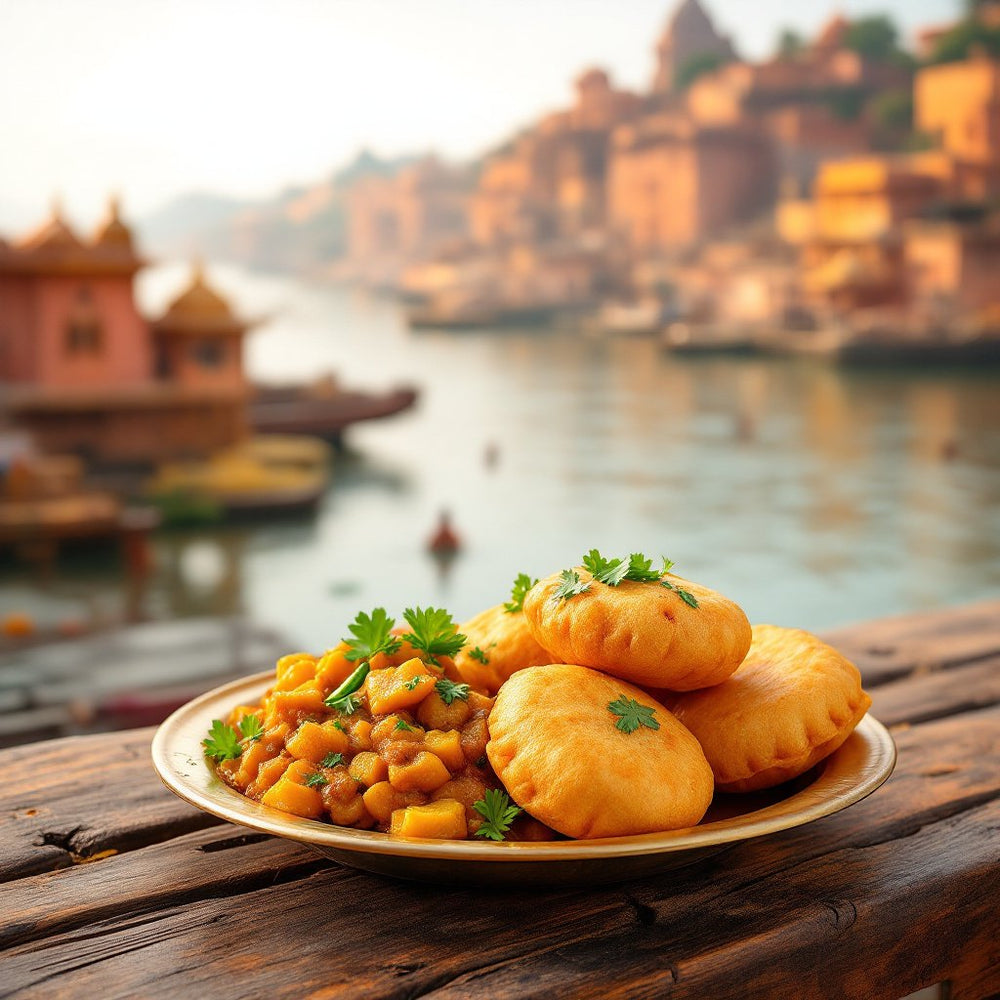
Golden puffed puris rest beside spiced potato curry in this classic Varanasi breakfast, where deep-fried bread meets the warmth of cumin-kissed sabzi. The dish embodies the city's morning ritual along the ghats, where pilgrims and locals gather to break their fast with this satisfying combination of crisp, airy bread and tender vegetables.
Credits: The Painted Passport
Local cuisine study in Varanasi, India

☕︎ Local Flavor

Pizzeria Vaatika Café

Rating: 4* | Price: $$ | Coordinates: 25.3089 N, 83.0142 E

Hidden in the galis near Manikarnika Ghat, this garden restaurant serves wood-fired pizzas that taste implausibly perfect given the medieval surroundings. The Israeli-Indian couple who run it source vegetables from organic farms outside the city and grind their own spice blends. After days of street food and temple prasad, the fresh salads and homemade pasta offer welcome respite without feeling like escape.

View Entry Details

Kashi Chat Bhandar

Rating: 5* | Price: $ | Coordinates: 25.3176 N, 83.0098 E

Since 1957, this tiny shopfront near Godowlia Chowk has perfected the art of tamatar chaat—a tangy, spicy tomato-based creation found nowhere else. The recipes haven't changed in three generations, and locals queue patiently for their steel bowls of aloo tikki and dahi vada. Everything is vegetarian, prepared with Ganga jal, and costs less than a dollar, yet the flavors possess remarkable complexity.

View Entry Details

Lotus Lounge

Rating: 4* | Price: $$ | Coordinates: 25.3102 N, 83.0128 E

This multi-level restaurant transforms Shivala Ghat views into a contemplative dining experience with its Japanese-influenced Indian vegetarian menu. The thali changes seasonally, incorporating vegetables from specific villages the chef visits personally. In the evening, classical musicians occasionally perform in the upper room, their ragas mingling with boat songs floating up from the river.

View Entry Details

Blue Lassi

Rating: 5* | Price: $ | Coordinates: 25.3122 N, 83.0115 E

This hole-in-the-wall near Manikarnika Ghat has served lassi from clay cups since 1925, its walls papered with decades of grateful visitor notes. The owner blends yogurt with seasonal fruits or traditional spices in combinations that change daily based on what's freshest. Watching him work his ancient churning vessel while pilgrims stream past the doorway is theater as much as refreshment.

View Entry Details

🛌︎ Boutique Stays

Brijrama Palace

Rating: 5* | Price: $$$ | Coordinates: 25.3111 N, 83.0098 E

This 18th-century palace sits directly on Darbanga Ghat, where the Ganges flows past your private terrace at dawn. The restoration preserves original Rajput frescoes and carved jharokha windows while offering contemporary comfort in just ten rooms. Wake to the sound of temple bells echoing across water, and watch silk-clad pilgrims descend the ghats as boatmen call out their morning offerings.

View Entry Details

Suryauday Haveli

Rating: 5* | Price: $$ | Coordinates: 25.3089 N, 83.0132 E

Perched above Shivala Ghat, this heritage haveli balances reverence for Varanasi's spiritual essence with thoughtful design. The rooftop restaurant frames the river's curve perfectly, and rooms feature hand-block printed textiles from local artisans. Morning yoga sessions overlook the ghats as incense from nearby temples drifts through the old city's labyrinthine lanes below.

View Entry Details

Ganges View Guest House

Rating: 4* | Price: $ | Coordinates: 25.3095 N, 83.0125 E

Run by the same family for three generations, this simple guesthouse on Meer Ghat offers unvarnished proximity to Varanasi's rhythms. Rooms are clean and spare, but the rooftop is pure magic at sunset when aarti ceremonies fill the air with chanted prayers. The owner's nephew leads dawn boat rides, sharing stories about the city's musical heritage his grandfather once documented.

View Entry Details

Zostel Varanasi

Rating: 4* | Price: $ | Coordinates: 25.3142 N, 83.0078 E

This backpacker haven in a restored haveli creates genuine community among travelers navigating Varanasi's intensity together. Common spaces encourage conversation over chai, and the staff offers uncommonly good advice about avoiding tourist traps. The location near Assi Ghat puts you in the calmer southern stretch, where university students gather for evening discussions and impromptu music sessions.

View Entry Details

📍︎ Field Study

Assi Ghat at Dawn

Rating: 5* | Price: $ | Coordinates: 25.3089 N, 83.0165 E

Before the city fully wakes, this southernmost major ghat belongs to yogis, chai wallahs, and locals performing their morning ablutions. The atmosphere is contemplative rather than overwhelming, with gentle light catching the water as elderly pandits chant Sanskrit verses from memory. This is where Varanasi feels most like itself—devotional but unhurried, ancient but utterly alive.

View Entry Details

Ramnagar Fort Museum

Rating: 4* | Price: $ | Coordinates: 25.2992 N, 83.0342 E

Across the river, the ancestral palace of Varanasi's maharaja houses an eccentric collection that feels frozen in 1920. Rooms overflow with ivory sedan chairs, astronomical clocks, antique cars, and weaponry displayed with endearing disorganization. The current maharaja still lives here, and during Dussehra, the fort hosts the month-long Ramlila performance his family has sponsored for four centuries.

View Entry Details

Alamgir Mosque

Rating: 4* | Price: $ | Coordinates: 25.3098 N, 83.0109 E

Built by Aurangzeb atop a demolished Vishnu temple, this mosque embodies Varanasi's layered history in brick and stone. The minarets tower over Panchganga Ghat, and the architecture reveals its Hindu temple foundation in the platform structure. It's a site that prompts reflection on power, faith, and survival—the city's Muslim weavers still pray here while Hindu ceremonies proceed on the ghats below.

View Entry Details

Banaras Hindu University Bharat Kala Bhavan

Rating: 5* | Price: $ | Coordinates: 25.2677 N, 82.9913 E

This university museum houses one of India's finest collections of miniature paintings, including rare Mughal and Rajput works that rarely travel abroad. The sculpture galleries contain Mathura and Sarnath period pieces displayed with scholarly care, and the textile section preserves Banarasi weaving techniques dating back centuries. It's blissfully uncrowded, allowing genuine contemplation of artistic traditions that shaped the subcontinent.

View Entry Details

Typography

Archival Note: A formal technical study of Varanasi, India—archiving the coordinates, elevation, and environmental data that define the region. This data serves as a vital record for our ongoing global field study, allowing us to reconstruct the regional atmosphere with archival precision before our physical arrival.

Botanical and pigment specimen study for Varanasi, India Colors of Varanasi, India
Coordinates
25.3176° N, 83.0010° E - banks of the Ganges River, eastern Uttar Pradesh
Historical Epoch
Varanasi has been sacred since before the Buddha walked its lanes in the 6th century BCE. Mughal emperors left mosques beside Hindu temples, the British built cantonments on the outskirts, and through it all the city remained stubbornly itself.
Elevation
76-82 m / 249-269 ft - Ganges riverbank to the elevated old city terraces
Atmosphere
Cwa - Humid subtropical with dry winter. Summer heat arrives like a physical presence, but the monsoon brings relief and turns the ghats into ribbons of green moss.
Observation Hour
06:15 - The golden hour transforms Assi Ghat into a study in amber and rose, while the ghats further north catch the sun edge-on, turning every stone step into a gradient. The river itself becomes molten copper, and the temple spires seem to float above the morning haze.
Primary Pigment
Marigold Saffron (#FF9933) and Ganges Dawn Silver (#B8C5D6)
Best Time to Visit
November or February - the air clears after monsoon, temperatures hover around a comfortable 20-25 degrees, and the light stays soft and golden well into midmorning.
Avoid Visiting
May or June - the heat climbs past 45 degrees, the ghats shimmer with haze, and even the most devoted pilgrims retreat to shade by mid-afternoon.

The Local Tongue

Language is the invisible architecture of Varanasi, India. These entries document the regional vocabulary—capturing the "texture" of local speech that standard translations often miss. Hand-curated expressions reflecting the specific spirit and daily rhythm of the region.
Archival study of Hindi cultural texture

via / Aditya Prakash

Primary Language Hindi
Regional Dialect Banarasi Hindi (with heavy Bhojpuri influence)

Ghat (घाट)

A ghat is a series of stone steps leading down to a sacred river, though the word carries far more weight than architecture alone. In Varanasi, the ghats are where the living and the dead meet the water, where laundry and cremation fires share the same shoreline, and where every sunrise brings a fresh congregation of devotion.

Aarti (आरती)

Aarti means a ritual of worship involving fire, usually performed with oil lamps arranged on a brass tray. The evening Ganga Aarti at Dashashwamedh Ghat transforms the riverfront into a theater of flame and chanting, where young priests in saffron robes swing massive fire lamps in synchronized arcs that paint light across the water.

Paan (पान)

Paan is a betel leaf folded around areca nut, tobacco, and sweet spices, then chewed as a digestive and mild stimulant. The paan shops of Varanasi are tiny temples of expertise, their walls stained red from decades of preparation, and the sweet, sharp fragrance mixing with incense smoke in the narrow lanes.

Wait! before you go...

Before you head over to Varanasi, India, we’ve audited the essential data points for this corner of the world. These notes cover the logistics—from currency ratios to transit hubs—to help you navigate the landscape with clarity.
🚲 Getting Around Most travelers navigate the old city on foot through lanes too narrow for vehicles, though cycle rickshaws and auto-rickshaws handle longer distances. Hiring a boat for a few hours to drift along the ghats costs around 600 rupees and reveals the city from its most beautiful angle.
⚖️ Cash or Card The ratio leans heavily toward cash, perhaps 80-20, especially in the old city where centuries-old shops have no interest in digital payment. Street food vendors, temple donation boxes, boat wallahs, and most guesthouses expect rupee notes, though larger hotels and some restaurants now accept cards.
☁️ Good to Know The city transforms completely between the southern ghats near Assi and the cremation grounds at Manikarnika - most visitors cluster south where the vibe feels gentler. If you want to understand Varanasi's full character, walk the entire riverfront early before the crowds arrive, when the city belongs to devotees and chai wallahs.
🏧 ATMs State Bank of India, ICICI Bank, and HDFC have reliable ATMs scattered through the newer neighborhoods and near Godaulia crossing. Withdraw larger amounts when you can - machines in the old city often run dry during festival periods, and foreign card fees add up quickly with multiple small transactions.
💳 Currency The Indian rupee feels pleasantly forgiving for most travelers - a spectacular thali lunch runs 80-150 rupees, a fresh lassi costs 30-50 rupees, and a good hotel room can be found for 1,500-3,000 rupees depending on your standards. Street food is almost absurdly cheap, temple offerings optional but meaningful at any amount.
🔌 Plugs India uses Type C, D, and M plugs with 230V/50Hz. A universal adapter handles all three variations without fuss.
🛡️ Safety The usual urban cautions apply - watch your belongings in crowded areas and be firm with touts near Dashashwamedh Ghat who promise spiritual experiences for a price. The city feels remarkably safe for solo travelers, and locals are genuinely generous with directions and advice once you step beyond the tourist zones.
✈️ Airports Lal Bahadur Shastri International Airport (VNS) sits 25 kilometers northwest of the ghats, about 45 minutes by prepaid taxi for around 500-700 rupees. The airport is small and manageable, though international connections usually route through Delhi or Mumbai, adding a domestic leg to most journeys.

Behind The Scenes

Nathan

Note from the Founder

Hey, did you know this fun fact about Varanasi, India? Varanasi has been a center of silk weaving since the Mughal period, and the city's Banarasi silk saris can take up to six months to complete for the most intricate brocade patterns. The weavers work in small lanes near the ghats, their wooden looms clicking like percussion.
Thank you for exploring the Varanasi, India series with us. We hope these notes have inspired you to add this incredible destination to your own passport—we are so glad you're here. — Nathan

Some of our Favorites