Shop the Collection

To help you bring a piece of your journey home, we've put together this collection of watercolor studies from our time in Torres del Paine, Chile. These are our favorite ways to keep the spirit of the trip alive.

Original Series Decorative Magnet

A personal study of Torres del Paine, Chile, captured in high-fidelity watercolor and prepared for your collection.

Torres del Paine, Chile | Original Series Decorative Magnet
Add to Collection / $18
Exclusive Series Artifact

Original Series Canvas

This high-fidelity canvas is a beautiful way to anchor a room and keep your memories of Torres del Paine, Chile fresh long after you've returned home.

Torres del Paine, Chile | Original Series Canvas detail Torres del Paine, Chile | Original Series Canvas detail Torres del Paine, Chile | Original Series Canvas detail Torres del Paine, Chile | Original Series Canvas detail
Add to Collection / $65

Original Series Hardboard Coaster

A personal study of Torres del Paine, Chile, captured in high-fidelity watercolor and prepared for your collection.

Torres del Paine, Chile | Original Series Hardboard Coaster
Add to Collection / $18
Exclusive Series Artifact

The Spirit of the Land

Archival Note: Documented personally during our time in Torres del Paine, Chile. While we leverage a global network of contributors to provide these high-fidelity visual artifacts, each selection is curated to reflect the specific, quiet frequencies we experienced on the ground. These textures serve as a formal study of the unhurried light and environmental character that defined our journey.

Torres del Paine, Chile study No. 01
Torres del Paine, Chile / 01 VIA / Olga Stalska
The turquoise waters of Lake Pehoé mirror the vast, open sky, creating a sense of profound stillness that makes the world feel brand new. Watching the clouds drift softly over the jagged granite peaks of the Cuernos del Paine reminds you of the quiet power and enduring beauty of the natural world. It is a place where the air feels pure and every horizon offers a gentle invitation to simply breathe and be present.
Torres del Paine, Chile study No. 02
Torres del Paine, Chile / 02 VIA / Marek Piwnicki
The sight of a guanaco standing poised against the dramatic backdrop of the Cuernos del Paine captures the wild, untamed spirit of Patagonia. There is a beautiful harmony in the way life thrives amidst these rugged peaks and golden grasses, offering a moment of quiet connection with the earth. It serves as a soaring reminder that even in the most remote corners of the world, there is a profound sense of peace and belonging.
Torres del Paine, Chile study No. 03
Torres del Paine, Chile / 03 VIA / Jan Tang
As the sun dips low, the sky erupts into soft shades of pink and gold, casting a warm, ethereal glow over the ancient stone cathedrals of the Andes. The wooden path winds gently toward the horizon, feeling like an open invitation to walk further into the quiet magic of the Patagonian twilight. It is a scene that captures the perfect balance between the grand scale of the mountains and the simple, peaceful journey of the traveler.

Where to wander

Archival Note: These recommendations were curated personally during our time in Torres del Paine, Chile to capture the textures that defined the quiet frequencies of the trip. Every entry here is a place we genuinely love; we hope these notes inspire you to wander off the main path and discover the same stillness we found on the ground.

Local Cuisine Spotlight
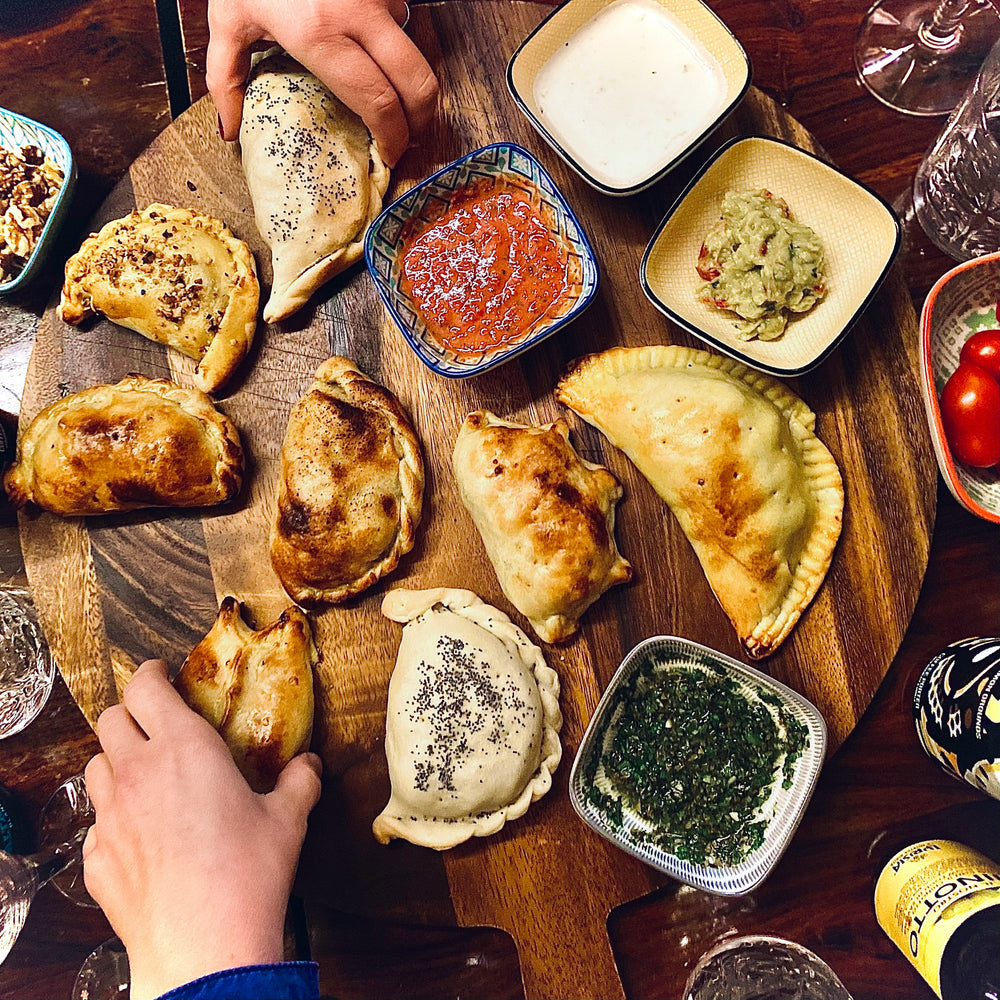
There is a cozy, communal warmth in sharing a board of golden, hand-crafted empanadas, each one a savory little pocket of tradition. Surrounded by vibrant salsas and the laughter of good company, the meal becomes a celebration of simple flavors and the joy of gathering together. It’s a beautiful reminder that the best travel experiences aren’t just about the sights, but the shared moments that nourish both the body and the soul.
Credits: WØM | Creative Studio
Local cuisine study in Torres del Paine, Chile

☕︎ Local Flavor

Coirón Restaurant at Las Torres

Rating: 4.8★ | Price: [$$$] | Coordinates: 50.9631° S, 72.8683° W

Savor the stark, refined flavors of the Patagonian steppe within a dining hall framed by panoramic vistas of the Granite Towers. Discover the biointensive garden where cold-weather crops are harvested daily to complement slow-roasted Magellanic lamb and Calafate berry reductions. This establishment serves as a culinary archive, documenting the transition from rustic estancia survival to a sophisticated, sustainable Patagonian gastronomy.

View Entry Details

Pueblo de Artesanos Food & Craft Walk

Rating: 4.6★ | Price: [$] | Coordinates: 51.7247° S, 72.5028° W

Navigate the labyrinthine stalls of Puerto Natales to unearth the scents of smoked paprika and freshly baked sopaipillas. Engage with local producers who utilize ancient preservation techniques on king crab and wild berries harvested from the fjords. This market is a living manuscript of regional resilience, preserving the lineage of Alacalufe and Kawésqar resourcefulness in a modern port setting.

View Entry Details

Singular Patagonia Distiller's Lunch

Rating: 4.7★ | Price: [$$$$] | Coordinates: 51.6961° S, 72.5486° W

Dine within the cavernous, industrial-chic remains of a Victorian-era cold storage plant where the past is preserved in rusted iron and exposed brick. Taste infusions crafted from high-altitude botanicals and glacial water while observing the maritime traffic of the Señoret Channel. This site is a physical manuscript of the region's industrial boom, documenting the integration of European commerce with Patagonian wilderness.

View Entry Details

Traditional Patagonian Asado Experience

Rating: 4.9★ | Price: [$$] | Coordinates: 50.9850° S, 72.7600° W

Ascend the gravel roads to a working heritage estancia where the fire-crackle of a traditional asado al palo dictates the rhythm of the afternoon. Watch as skilled gauchos employ centuries-old techniques to roast meat over open lenga wood fires, a sensory practice unchanged since the late 19th century. This experience acts as an anchor for the city's identity, preserving the nomadic sheep-farming heritage that originally shaped the Magallanes region.

View Entry Details

🛌︎ Boutique Stays

Tierra Patagonia Hotel & Spa

Rating: 4.9★ | Price: [$$$$] | Coordinates: 51.0483° S, 72.6450° W

Observe how the low-slung, wind-sculpted silhouette of this lenga-wood structure mimics the very undulations of the Patagonian pampa. Inhale the scent of raw timber and hand-woven wool within an interior designed to disappear into the horizon of Lake Sarmiento. The hotel functions as an architectural ambition realized, a physical manuscript of the "sustainable luxury" movement that seeks to harmonize human habitation with fragile biospheres.

View Entry Details

EcoCamp Patagonia

Rating: 4.8★ | Price: [$$$] | Coordinates: 50.9594° S, 72.8622° W

Inhabit the geodesic domes inspired by the ancient dwellings of the Kawésqar people, designed to withstand the fierce Patagonian gales without leaving a permanent footprint. Feel the grounding presence of the granite massif through skylights that offer a direct visual dialogue with the Southern Cross. This camp is a vital piece of the park's puzzle, documenting the evolution of zero-waste hospitality in one of the world's most remote environments.

View Entry Details

The Singular Patagonia

Rating: 4.9★ | Price: [$$$$] | Coordinates: 51.6961° S, 72.5486° W

Step into a meticulously restored 1915 frigorífico where Victorian machinery stands as silent, museum-grade sculpture amidst five-star luxury. Explore the massive timber beams and brickwork of a National Historic Monument that once anchored the entire economy of Southern Chile. This hotel documents the transition from the "end of the world" industrial outpost to a beacon of sophisticated heritage tourism.

View Entry Details

Explora en Torres del Paine

Rating: 4.8★ | Price: [$$$$] | Coordinates: 51.1092° S, 72.9839° W

Inhabit a structural masterpiece of white wood and glass anchored firmly to the limestone shores of Lake Pehoé. Observe how the minimalist, nautical-inspired interiors serve as a silent observatory for the shifting light across the Macizo del Paine. This lodge is a vital piece of the park's puzzle, representing the pioneering architectural ambition that redefined deep-wilderness exploration as a sophisticated, meditative practice.

View Entry Details

📍︎ Field Study

Grey Glacier Navigation & Ice Study

Rating: 4.5★ | Price: [$$] | Coordinates: 51.1333° S, 73.1500° W

Navigate the turquoise waters of Lake Grey on a vessel designed to cut through the floating blue cathedrals of ancient ice. Witness the thunderous calving of the Southern Patagonian Ice Field, a raw display of geological force where the ice glows with a deep, pressurized sapphire. This excursion is a vital archive of climate transition, documenting the physical manuscript of a receding giant that has shaped this topography for millennia.

View Entry Details

Cueva del Milodón Architectural & Prehistoric Tour

Rating: 4.6★ | Price: [$] | Coordinates: 51.5658° S, 72.6186° W

Descend into the massive conglomerate rock formation where the fossilized remains of a giant ground sloth were unearmarked in 1895. Study the natural cathedral-like vaulting of the cave, which spans over 200 meters and offers a silent echo of the Pleistocene era. This site is a physical manuscript of Patagonian prehistory, documenting the lineage of early human inhabitants and the extinct fauna of the southern tip.

View Entry Details

Base Torres High-Endurance Trek

Rating: 4.8★ | Price: [$$] | Coordinates: 50.9461° S, 72.9367° W

Ascend through the Ascencio Valley, navigating twisted Lenga forests and glacial moraines until the three granite sentinels reveal themselves over a teal lagoon. Feel the physical sensation of the Patagonian wind, a relentless force that has carved these peaks into their iconic, jagged profiles. This trek is the ultimate archival journey, documenting the raw geological ambition of the Paine Massif and its status as the park's spiritual anchor.

View Entry Details

Salto Grande & Nordenskjöld Lake Panoramic Study

Rating: 4.7★ | Price: [$] | Coordinates: 51.0658° S, 73.0039° W

Unearth the sheer power of the Paine River as it bottlenecks through a basalt chasm, creating a thunderous turquoise waterfall that feeds Lake Pehoé. Traverse the quartz-strewn paths of the viewpoint to capture the architectural symmetry of the Cuernos del Paine against the shifting Patagonian sky. This site preserves the lineage of the landscape's hydrological history, serving as a vital piece of the park’s ecological puzzle.

View Entry Details

Typography

Archival Note: We have personally documented these geographic specs for Torres del Paine, Chile to ensure every watercolor study is anchored in real-world data. By cataloging the precise elevation, light cycles, and historical epochs, we provide a technical foundation that justifies the atmospheric stillness captured in our visual artifacts.

Botanical and pigment specimen study for Torres del Paine, Chile Colors of Torres del Paine, Chile
Coordinates
51.0° S, 73.0° W — Magallanes Region, Chilean Patagonia
Historical Epoch
Miocene epoch granite laccolith formation approximately 12 million years ago. Aónikenk and Kawésqar indigenous territory. National Park gazetted in 1959. UNESCO Biosphere Reserve in 1978.
Elevation
0–2,884 m / 0–9,462 ft — sea-level fjords to the granite towers of the Paine massif
Atmosphere
Wild Patagonian (Cfc). Four seasons in one day as standard, Antarctic breezes year-round, the most unpredictable weather in South America outside Antarctica.
Observation Hour
06:30. Blue hour as dawn ignites the granite towers from below, the faces of the Paine Massif shifting from violet to amber as the first direct light reaches the rock at 2,884 m.
Primary Pigment
Patagonian Azure (#0077BE) and Granite Grey (#8C8D8A)
Best Time to Visit
November through March — Patagonian summer brings long days, visible peaks, and the full W Trek is accessible without river crossings becoming dangerous
Avoid Visiting
May through August — most of the park closes due to extreme winter conditions, the Grey Glacier is snow-locked, and the mountain summits are invisible in cloud

The Local Tongue

Language is the invisible architecture of Torres del Paine, Chile. These entries document the regional vocabulary—capturing the "texture" of local speech that standard translations often miss. Hand-curated expressions reflecting the specific spirit and daily rhythm of the region.
Archival study of Spanish cultural texture

via / Gabii Fernandez

Primary Language Spanish
Regional Dialect Patagonian

Inmensidad

The indigenous name for the guanaco, the wild camelid that roams the Patagonian steppe in large herds and that is the most characteristic large mammal of the Torres del Paine landscape. The luan has inhabited Patagonia since the Pleistocene and the Aónikenk and Kawésqar peoples who lived in this territory for thousands of years relied on it as their primary food and clothing source. Seeing a herd of luan cross the open steppe below the Torres at dawn is the most complete expression of the Patagonian landscape available in the park.

Bravura

The cold, fierce wind that defines the Patagonian character and that is the primary environmental fact of the Torres del Paine experience. El viento in Torres del Paine is not a weather event but a permanent condition — a katabatic wind accelerated off the Patagonian Ice Field that can gust to 120 km/h in the exposed sections of the park and that every trail guide, every tent specification, and every packing list for the circuit builds around.

Pertenencia

The W trekking route in Spanish, the most popular hiking itinerary in Torres del Paine — a four to five day circuit covering the three main viewpoint areas of the park in a W-shaped route. La W is the organizing concept around which most visits to the park are planned, and understanding its structure (Valle del Francés, Valle del Torres, and Glacier Grey) before arrival is the most practical orientation available for a first-time visitor to the park.

Wait! before you go...

Before you head over to Torres del Paine, Chile, we wanted to share a few basic tips we picked up along the way. These notes cover the simple things—like how to get around or what to do about cash—so you can spend less time worrying and more time just enjoying the place.
🚲 Getting Around The most peaceful and efficient way to arrive is via the public buses from Puerto Natales, which are comfortable and scenic. Once inside, the park shuttles and the Grey III Glacier Catamaran are the best ways to navigate the vast distances without the stress of driving on gravel roads.
⚖️ Cash or Card Aim for a 30/70 ratio. Major hotels and park entrances usually accept credit cards (Visa/Mastercard), but the satellite internet in the mountains can be spotty. Carry a decent amount of cash (pesos) for snacks, shuttles, and catamaran fees where the card machines might fail.
☁️ Good to Know In Patagonia, there is a beautiful unwritten rule of "leave no trace" that locals take very seriously - if you pack it in, you must pack it out, including organic waste. Culturally, you might notice the "Mate" culture; if a local offers you a sip of this herbal tea from a shared gourd, it’s a warm sign of hospitality and trust.
🏧 ATMs Inside the National Park, ATMs are non-existent. You’ll want to visit one in Puerto Natales before you head out. Look for Banco del Estado or Santander; they are generally reliable for international cards.
💳 Currency The currency is the Chilean Peso (CLP). The "vibe" is quite straightforward, though the numbers are large—don't be startled to see a sandwich cost several thousand pesos! While some hotels accept USD, having pesos is much better for small local shops.
🔌 Plugs Chile uses Plug Types C and L (the ones with two or three round pins in a row). The voltage is 220V, so if you’re coming from North America, make sure your gear is dual-voltage or bring a converter to keep your camera and phone safe.
🛡️ Safety The biggest "danger" here isn't people; it's the unpredictable weather. "Four seasons in one day" is a literal rule here. Stay safe by never hiking alone if possible, staying on marked trails to protect the fragile ecosystem, and always respecting the park's strict no-fire policy - the wind can turn a tiny spark into a wildfire in seconds.
✈️ Airports You’ll likely fly into Santiago (SCL) first, then take a domestic flight to either Puerto Natales (PNT) -which is the closest hub - or Punta Arenas (PUQ), a larger airport about three hours south of the gateway town.

Behind The Scenes

Nathan

Note from the Founder

Hey, did you know this fun fact about Torres del Paine, Chile? The word "Paine" (pronounced pie-nay) actually comes from the indigenous Tehuelche language and means "blue," referring to the stunning turquoise hue of the park's glacial lakes.
Thank you for exploring the Torres del Paine, Chile series with us. We hope these notes have inspired you to add this incredible destination to your own passport—we are so glad you’re here. — Nathan

The Magnets

The Coasters

The Canvas