Shop the Collection

To help you build your own global archive, we've prepared this collection of watercolor studies from our research into Teotihuacan, Mexico. These artifacts are designed to bring the stillness of this corner of the world into your home.

Original Series Decorative Magnet

A personal study of Teotihuacan, Mexico, captured in high-fidelity watercolor and prepared for your collection.

Teotihuacan, Mexico | Pyramids and Hot Air Balloons | Original Series Decorative Magnet
Add to Collection / $18
Exclusive Series Artifact

Original Series Gallery Canvas

This high-fidelity canvas is a beautiful way to anchor a room and keep your memories of Teotihuacan, Mexico fresh long after you've returned home.

Teotihuacan, Mexico | Pyramids and Hot Air Balloons | Original Series Gallery Canvas detail Teotihuacan, Mexico | Pyramids and Hot Air Balloons | Original Series Gallery Canvas detail Teotihuacan, Mexico | Pyramids and Hot Air Balloons | Original Series Gallery Canvas detail Teotihuacan, Mexico | Pyramids and Hot Air Balloons | Original Series Gallery Canvas detail
Add to Collection / $65

Original Series Hardboard Coaster

A personal study of Teotihuacan, Mexico, captured in high-fidelity watercolor and prepared for your collection.

Teotihuacan, Mexico | Pyramids and Hot Air Balloons | Original Series Hardboard Coaster
Add to Collection / $18
Exclusive Series Artifact

The Spirit of the Land

Archival Note: A curated field study of Teotihuacan, Mexico, prioritizing the specific atmospheric stillness of the region. These artifacts have been meticulously sourced from our global archival partners to represent the area's unique cultural frequency and environmental character. This selection serves as a formal observation for our ongoing global archive, vetted for its visual accuracy and archival merit.

Teotihuacan, Mexico study No. 01
Teotihuacan, Mexico / 01 VIA / Israyosoy S.
The afternoon light bathes the pyramid in golden warmth, casting sharp shadows across the terracotta-colored stones that litter the ceremonial ground. Broken blocks and rubble frame the foreground, a tangible reminder of centuries of weathering, while the symmetrical staircase climbs toward the hazy Mexican sky. This moment captures the raw majesty of the site, where scale and abandonment speak more powerfully than any restoration could.
Teotihuacan, Mexico study No. 02
Teotihuacan, Mexico / 02 VIA / Dainé Zeferino
The vibrant ceramics gleam under bright daylight, their glossy glazes catching the sun to create a jewel-like quality across the market display. Rich cobalt blues and warm terracottas dominate the composition, while intricate hand-painted florals and traditional patterns invite close inspection. Standing among these wares, one would feel immersed in authentic Mexican craftsmanship and folk artistry.
Teotihuacan, Mexico study No. 03
Teotihuacan, Mexico / 03 VIA / Dux Camp.
These vibrant handwoven textiles display the rich cultural heritage of Mexican folk art with their bold geometric designs and intricate patterns in reds, yellows, greens, and blues. Each piece is adorned with playful pompoms that add dimension and movement to the display. A closer look reveals the delicate hand-knotted fringe tassels at the edges, which demonstrate the meticulous craftsmanship often overlooked amid the striking colors.

Where to wander

Archival Note: A curated field study of Teotihuacan, Mexico, prioritizing cultural relevance and archival merit. These locations have been meticulously researched and vetted to ensure they represent the most authentic atmosphere for your own expedition.

Local Cuisine Spotlight
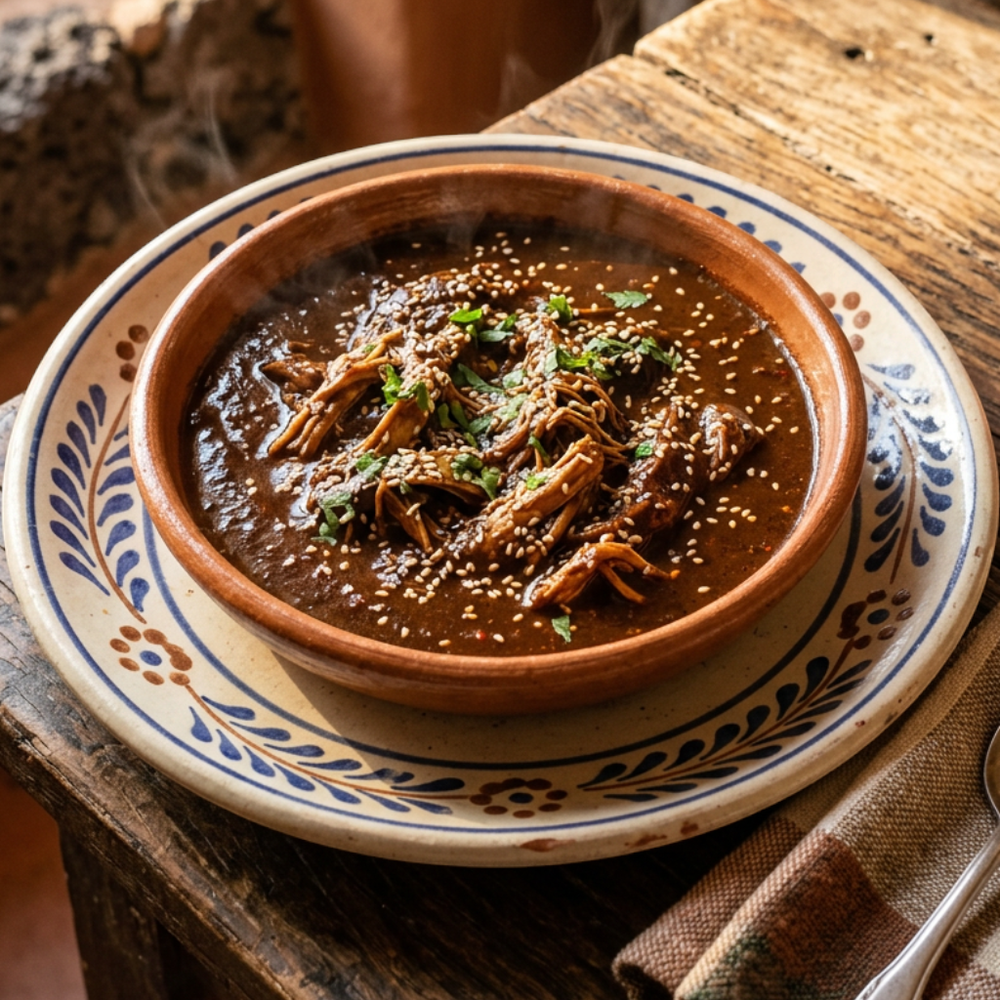
This richly layered mole negro showcases the complexity of Mesoamerican cuisine, with shredded poultry swimming in a velvety sauce built from chilies, spices, and chocolate. Golden sesame seeds crown the dish while fresh scallions provide bright freshness. Served in traditional terracotta, this iconic preparation honors generations of culinary wisdom.
Credits: THE PAINTED PASSPORT
Local cuisine study in Teotihuacan, Mexico

☕︎ Local Flavor

La Gruta Restaurant

Rating: 5* | Price: $$$ | Coordinates: 19.6928° N, 98.8442° W

Dining inside a natural cave just steps from the pyramids, La Gruta offers one of the most atmospheric and memorable restaurant experiences you will find anywhere in Mexico. The menu features beautifully prepared traditional dishes like mole negro, slow-cooked lamb barbacoa, and fresh handmade tortillas served with genuine care. Live marimba music often fills the cave, turning a simple lunch into a truly magical celebration of Mexican culture.

View Entry Details

Restaurante Techinanco

Rating: 4* | Price: $$ | Coordinates: 19.6915° N, 98.8460° W

This beloved local restaurant draws both tourists and residents with its honest, flavorful cooking rooted in the traditional recipes of the State of Mexico. Their nopal cactus salad and slow-simmered consommé are standout dishes that pair wonderfully with fresh agua fresca drinks. The shaded outdoor seating area makes it an especially pleasant spot to relax and recharge between visits to the archaeological zone.

View Entry Details

Tlacuache Cantina

Rating: 4* | Price: $ | Coordinates: 19.6900° N, 98.8510° W

A lively and colorful cantina where locals gather to enjoy ice-cold cervezas and generous plates of antojitos after long days working near the site. The tacos de canasta and quesadillas with Oaxacan cheese are simple, satisfying, and made with ingredients sourced from nearby markets. The friendly, no-fuss atmosphere makes it an ideal spot to connect with locals and hear authentic stories about life around the ancient city.

View Entry Details

Mercado de San Juan Teotihuacan

Rating: 4* | Price: $ | Coordinates: 19.6855° N, 98.8580° W

The vibrant local market in San Juan Teotihuacan is where you should head for an authentic and affordable taste of regional flavors in a wonderfully chaotic setting. Stalls overflow with freshly made tamales, gorditas stuffed with beans and cheese, and steaming cups of atole that warm you from the inside out. Exploring the market early in the morning is a sensory feast and a wonderful way to experience everyday life beyond the tourist trail.

View Entry Details

🛌︎ Boutique Stays

Hotel Villas Arqueológicas Teotihuacan

Rating: 4* | Price: $$ | Coordinates: 19.6925° N, 98.8438° W

Nestled right beside the archaeological zone, this charming hotel offers guests unbeatable access to the pyramids at sunrise before the crowds arrive. The rooms are cozy and well-appointed, with a lovely courtyard pool perfect for unwinding after a day of exploration. The on-site restaurant serves hearty Mexican breakfasts that will fuel your adventures beautifully.

View Entry Details

Posada del Teotihuacan

Rating: 3* | Price: $ | Coordinates: 19.6910° N, 98.8501° W

This welcoming family-run posada delivers genuine warmth and comfortable accommodations at a wonderfully affordable price point for budget-conscious travelers. The staff are incredibly helpful with local tips and can arrange transportation to the pyramids with ease. A traditional home-cooked breakfast is served each morning, giving guests a true taste of local hospitality.

View Entry Details

Quinta Sol Boutique Hotel

Rating: 4* | Price: $$$ | Coordinates: 19.6875° N, 98.8520° W

This boutique property blends colonial Mexican architecture with modern comforts, creating a serene retreat just minutes from the ancient site. Each room is individually decorated with handcrafted textiles and regional artwork that celebrate the rich cultural heritage of the area. The rooftop terrace offers stunning views of the surrounding landscape and the distant pyramid silhouettes at dusk.

View Entry Details

Hotel Pyramid Inn

Rating: 3* | Price: $$ | Coordinates: 19.6940° N, 98.8445° W

Conveniently located near the north entrance of the archaeological zone, this friendly hotel is a favorite among repeat visitors who love its relaxed and unpretentious atmosphere. Rooms are clean and spacious, with many offering garden views that provide a peaceful start to the morning. The on-site parking and early breakfast service make it especially practical for day-trip planners.

View Entry Details

📍︎ Field Study

Pyramid of the Sun

Rating: 5* | Price: $ | Coordinates: 19.6922° N, 98.8438° W

The Pyramid of the Sun is one of the largest ancient structures in the Western Hemisphere and climbing its 248 steps rewards visitors with breathtaking panoramic views of the entire ancient city. Built around 200 AD, this colossal monument continues to inspire awe and scholarly debate about the civilization that constructed it with such precision. Arriving early in the morning allows you to experience the pyramid in quiet golden light before the site fills with visitors from around the world.

View Entry Details

Pyramid of the Moon

Rating: 5* | Price: $ | Coordinates: 19.6957° N, 98.8438° W

Standing at the northern end of the Avenue of the Dead, the Pyramid of the Moon offers a slightly different perspective of Teotihuacan that many visitors find even more striking than its taller neighbor. Archaeological excavations have uncovered extraordinary ritual burials beneath the structure, revealing the deeply spiritual nature of this ancient Mesoamerican civilization. The view from the upper platforms looking down the Avenue of the Dead is one of the most iconic and moving sights in all of Mexico.

View Entry Details

Teotihuacan Archaeological Zone Museum

Rating: 4* | Price: $ | Coordinates: 19.6930° N, 98.8450° W

Located within the archaeological site itself, this excellent museum provides essential context for everything you will see while walking among the ruins and helps bring the ancient city vividly to life. Artifacts including obsidian tools, ceremonial masks, and intricate murals are displayed with thoughtful interpretation in both Spanish and English. Visiting the museum before exploring the pyramids is highly recommended, as it deepens your appreciation for the remarkable sophistication of Teotihuacan culture.

View Entry Details

Palace of Quetzalpapalotl

Rating: 5* | Price: $ | Coordinates: 19.6955° N, 98.8442° W

Hidden just off the Plaza of the Moon, the Palace of Quetzalpapalotl is a stunning complex of residential chambers adorned with remarkably preserved stone carvings depicting the mythical quetzal-butterfly creature. The intricate pillars, painted courtyard walls, and elaborate drainage systems reveal just how sophisticated and artistically accomplished the inhabitants of this palace truly were. Wandering through its shaded corridors and open patios feels like stepping directly into the daily life of Teotihuacan's ancient elite.

View Entry Details

Typography

Archival Note: A formal technical study of Teotihuacan, Mexico—archiving the coordinates, elevation, and environmental data that define the region. This data serves as a vital record for our ongoing global field study, allowing us to reconstruct the regional atmosphere with archival precision before our physical arrival.

Botanical and pigment specimen study for Teotihuacan, Mexico Colors of Teotihuacan, Mexico
Coordinates
19.6922° N, 98.8438° W — Teotihuacan Archaeological Zone, State of Mexico, central Mexican plateau northeast of Mexico City
Historical Epoch
Teotihuacan flourished between roughly 100 BCE and 550 CE, becoming the largest city in the pre-Columbian Americas. Its builders and language remain unknown, which only deepens the sense of awe.
Elevation
2,270-2,310 m / 7,448-7,579 ft. The site sits on the high semi-arid plateau of central Mexico, which explains the intense midday sun, cool nights, and the remarkable clarity of light across the open valley.
Atmosphere
BSk, Cold Semi-Arid. Dry and sunny most of the year with a mild rainy season from June through September. Mornings are cool even in summer and nights can surprise with a genuine chill.
Observation Hour
06:30. The first light at Teotihuacan paints the Pyramid of the Sun in deep amber before the crowds arrive. Shadows are long, the air is cool and still, and the stone glows as if lit from within.
Primary Pigment
Sun-Bleached Ochre (#C9883A) and Volcanic Ash Grey (#8E8880)
Best Time to Visit
November through February. Dry, clear skies and cooler temperatures make for ideal visiting conditions with excellent light and smaller crowds than the peak holiday months.
Avoid Visiting
July through August. The rainy season peaks with afternoon downpours that can make climbing the pyramids slippery and uncomfortable, and holiday crowds swell significantly.

The Local Tongue

Language is the invisible architecture of Teotihuacan, Mexico. These entries document the regional vocabulary—capturing the "texture" of local speech that standard translations often miss. Hand-curated expressions reflecting the specific spirit and daily rhythm of the region.
Archival study of Spanish cultural texture

via / Marco Carmona

Primary Language Spanish
Regional Dialect Mexican Spanish, with indigenous Nahuatl loanwords common in local place names, foods, and everyday speech throughout the region.

Tlalocan

Tlalocan refers to the paradise realm of the rain deity Tlaloc, a lush and abundant afterlife believed to receive those who died by water or lightning. Inside the murals of the Tepantitla compound at Teotihuacan, figures swim and play among flowering trees in vivid mineral pigments, making Tlalocan feel less like theology and more like a very specific, very beautiful dream.

Copal

Copal is the aromatic resin harvested from native trees and burned as sacred incense across Mesoamerican ceremony for thousands of years. At Teotihuacan today, the smell of copal smoke still drifts through the archaeological zone during ritual gatherings, a thin white curl rising past pyramid stone that connects the present moment to a ceremonial past measured in millennia.

Calzada de los Muertos

Calzada de los Muertos, or the Avenue of the Dead, is the great central spine of Teotihuacan stretching more than four kilometers between its two largest pyramids. The name was bestowed by later Aztec visitors who mistook the platforms lining the avenue for tombs, and that quiet misreading has shaped how the world has imagined this city ever since, lending even a morning walk down its length a certain weight.

Wait! before you go...

Before you head over to Teotihuacan, Mexico, we’ve audited the essential data points for this corner of the world. These notes cover the logistics—from currency ratios to transit hubs—to help you navigate the landscape with clarity.
🚲 Getting Around Most visitors reach Teotihuacan by taking a direct bus from Mexico City's Terminal Central del Norte, a journey of about one hour that deposits travelers at Gate 1 near the Pyramid of the Sun. Organized tours depart daily from Mexico City and often include round-trip transport, a local guide, and sometimes a stop at a pulque hacienda along the route.
⚖️ Cash or Card Cash is strongly preferred in the Teotihuacan area, particularly for market vendors, street food, tipping guides, and small family-run restaurants just outside the archaeological zone. The site entrance fee is paid in Mexican pesos and card terminals, though increasingly present, are not universally reliable, so arriving with enough cash for the day is always the smarter move.
☁️ Good to Know Climbing to the summit of the Pyramid of the Sun is a rite of passage for many visitors, but the steps are steep, uneven, and surprisingly taxing at altitude, so taking them slowly and bringing water is genuinely important rather than optional. Vendors along the Avenue of the Dead are persistent and talented, and a polite but firm 'no gracias' delivered with a smile is always respected.
🏧 ATMs ATMs are available in the town of San Juan Teotihuacan, a short distance from the archaeological zone, and withdrawing cash there before entering the site is a reliable strategy. ATMs inside or immediately adjacent to the ruins are limited, so planning ahead saves both time and the frustration of being caught short during a long day of exploring.
💳 Currency The Mexican Peso (MXN) is the only currency accepted throughout the Teotihuacan site and surrounding village. US dollars are occasionally taken at larger tourist-facing restaurants near the site but always at a poor exchange rate, making pesos the practical and respectful choice.
🔌 Plugs Mexico uses Type A and Type B outlets at 127V/60Hz. US and Canadian plugs fit without an adapter, while European and other international travelers will need a plug adapter.
🛡️ Safety Teotihuacan is considered one of Mexico's safer archaeological destinations and the zone itself is well-staffed with security and guided tour infrastructure. Standard urban precautions apply on the journey from Mexico City, including keeping bags close on buses and avoiding displaying expensive cameras or jewelry in crowded transit areas.
✈️ Airports Teotihuacan is served primarily by Benito Juarez International Airport in Mexico City (MEX), located approximately 55 kilometers to the southwest and accessible in 60 to 90 minutes depending on traffic. The newer Felipe Angeles International Airport (NLU) to the north is geographically closer and offers a growing number of domestic and international routes that make it a practical alternative worth checking.

Behind The Scenes

Nathan

Note from the Founder

Hey, did you know this fun fact about Teotihuacan, Mexico? At its peak around 400 CE, Teotihuacan was home to an estimated 125,000 people, making it one of the largest cities on earth at the time and a cosmopolitan hub drawing people from across Mesoamerica.
Thank you for exploring the Teotihuacan, Mexico series with us. We hope these notes have inspired you to add this incredible destination to your own passport—we are so glad you're here. — Nathan

Some of our Favorites