Shop the Collection

To help you build your own global archive, we've prepared this collection of watercolor studies from our research into Takayama, Japan. These artifacts are designed to bring the stillness of this corner of the world into your home.

Original Series Decorative Magnet

A personal study of Takayama, Japan, captured in high-fidelity watercolor and prepared for your collection.

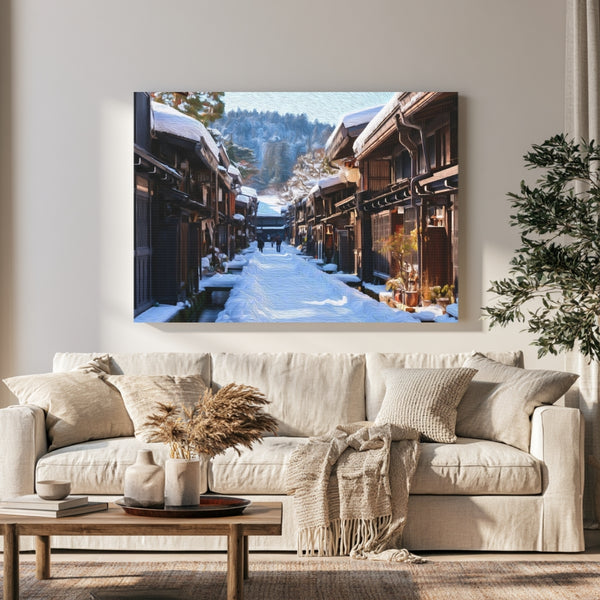
Takayama, Japan | Historic Old Town Street | Original Series Decorative Magnet
Add to Collection / $18
Exclusive Series Artifact

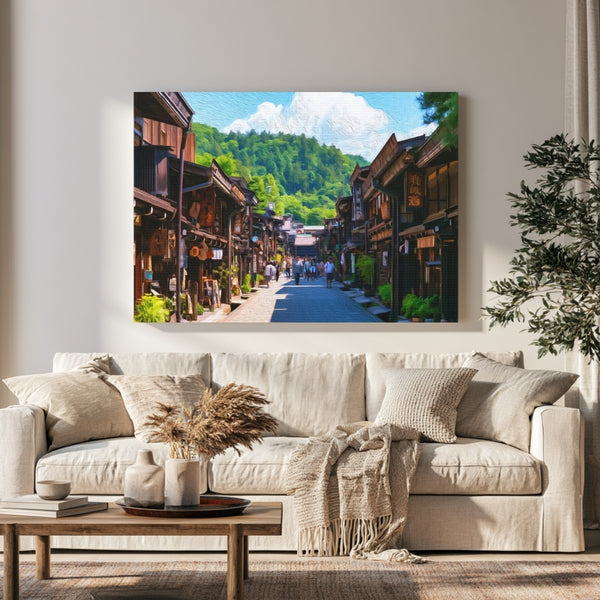
Original Series Gallery Canvas

This high-fidelity canvas is a beautiful way to anchor a room and keep your memories of Takayama, Japan fresh long after you've returned home.

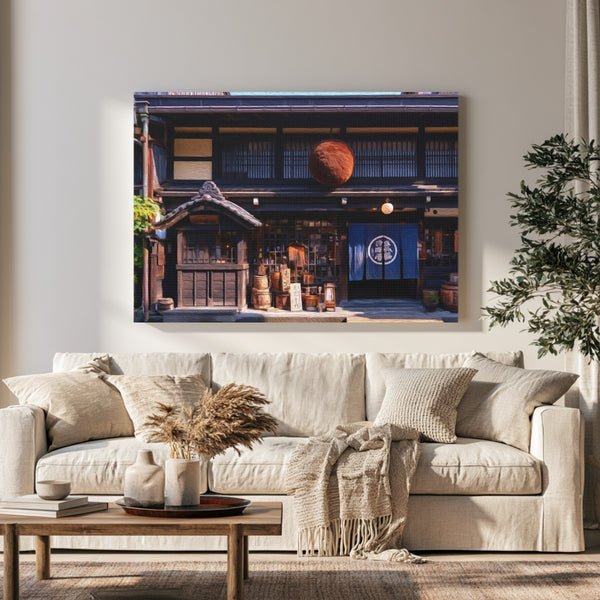
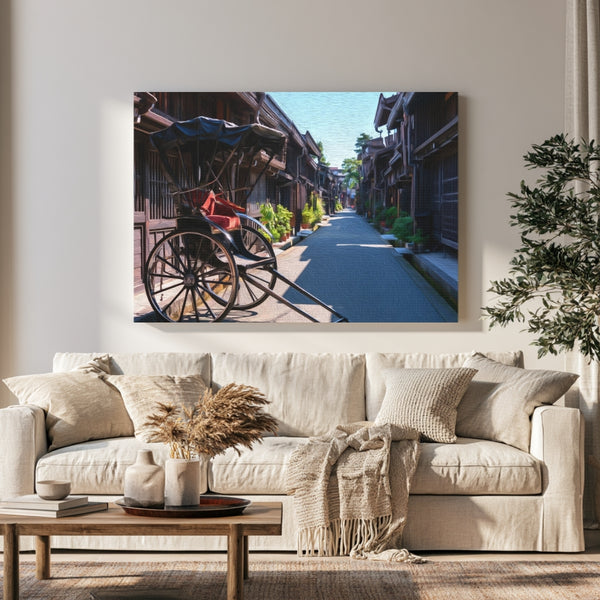
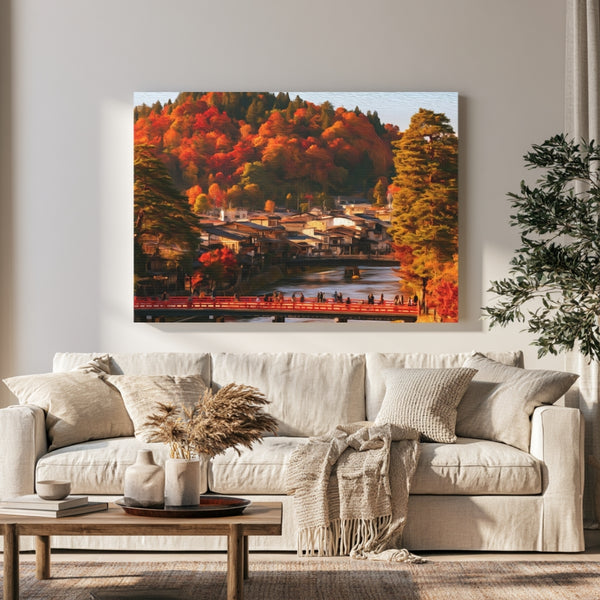
Takayama, Japan | Historic Old Town Street | Original Series Gallery Canvas detail Takayama, Japan | Historic Old Town Street | Original Series Gallery Canvas detail Takayama, Japan | Historic Old Town Street | Original Series Gallery Canvas detail Takayama, Japan | Historic Old Town Street | Original Series Gallery Canvas detail
Add to Collection / $65

Original Series Hardboard Coaster

A personal study of Takayama, Japan, captured in high-fidelity watercolor and prepared for your collection.

Takayama, Japan | Historic Old Town Street | Original Series Hardboard Coaster
Add to Collection / $18
Exclusive Series Artifact

The Spirit of the Land

Archival Note: A curated field study of Takayama, Japan, prioritizing the specific atmospheric stillness of the region. These artifacts have been meticulously sourced from our global archival partners to represent the area's unique cultural frequency and environmental character. This selection serves as a formal observation for our ongoing global archive, vetted for its visual accuracy and archival merit.

Takayama, Japan study No. 01
Takayama, Japan / 01 VIA / Alan Wang
Winter light bathes the historic streets of Takayama's old town, casting warm shadows across the traditional wooden storefronts and weathered facades. Fresh snow clings to the gutters and roadsides, while the clear blue sky amplifies the golden tones of the aging timber structures. The scene captures the quiet resilience of this mountain town, where centuries-old architecture stands patiently through another cold season.
Takayama, Japan study No. 02
Takayama, Japan / 02 VIA / Hokusai
A serene winter silence hangs over this historic district, where soft natural light filters through heavy clouds to illuminate the snow-blanketed roofs and dark timber structures. The still water mirrors the landscape like glass, creating a dreamlike quality that emphasizes the quietude of the season. Standing here, one would feel the crisp chill of mountain winter air while surrounded by centuries-old architecture preserved in an almost timeless moment.
Takayama, Japan study No. 03
Takayama, Japan / 03 VIA / Gije Cho
This photograph captures the serene atmosphere of Takayama's historic Old Town district, where centuries-old wooden structures preserve Edo-period architecture. The composition emphasizes the peaceful emptiness of the street, inviting quiet contemplation rather than bustling tourism. A subtle detail often overlooked is the weathered texture of the dark wooden railings and shutters, their aged patina revealing generations of exposure to mountain weather and time.

Where to wander

Archival Note: A curated field study of Takayama, Japan, prioritizing cultural relevance and archival merit. While we haven't touched down here yet, we've meticulously vetted these locations through our global network of contributors to ensure they represent the most authentic atmosphere for your own expedition.

Local Cuisine Spotlight
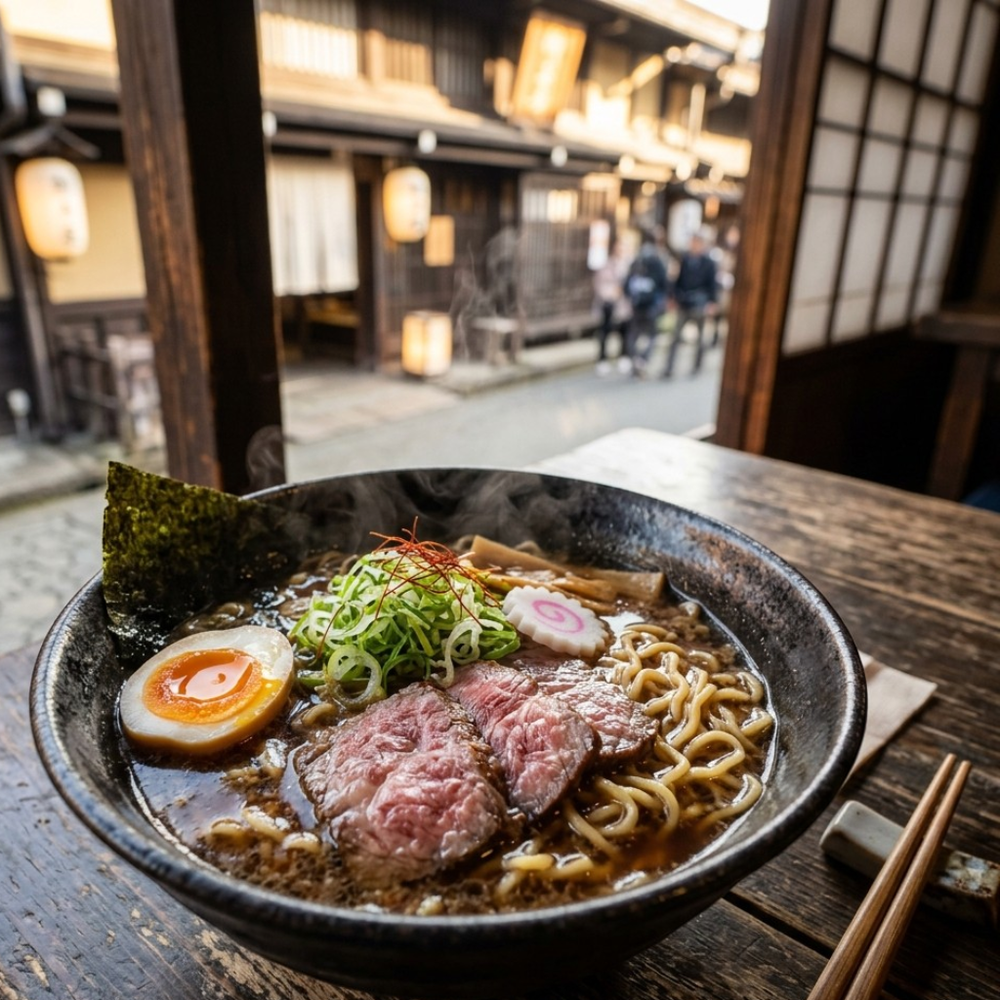
This expertly crafted ramen showcases tender slices of perfectly cooked chashu pork swimming in a deep, umami-rich broth, garnished with a golden soft-boiled egg and vibrant green onions. Each element speaks to Takayama's dedication to culinary precision and tradition, creating a warming, memorable dish that honors generations of ramen mastery.
Credits: THE PAINTED PASSPORT
Local cuisine study in Takayama, Japan

☕︎ Local Flavor

Restaurant Le Midi

Rating: 5* | Price: $$$ | Coordinates: 36.1459, 137.2511

A surprising and wonderful fusion of French technique and Hida ingredients, Le Midi has earned its loyal following one dish at a time. The Hida beef tenderloin with truffle jus is a quiet revelation that lingers in your memory long after you've left town. Reserve ahead — this intimate dining room fills quickly, and every seat feels special.

View Entry Details

Suzuya

Rating: 4* | Price: $$ | Coordinates: 36.1471, 137.2529

Suzuya is the place locals send you when you ask where to eat Hida beef without the tourist markup. The mitarashi dango and slow-grilled beef skewers served over bincho charcoal are straightforward, honest, and deeply satisfying. The rustic wooden interior and chatty owner give the meal a homey quality that fancier restaurants rarely manage.

View Entry Details

Kakusho

Rating: 5* | Price: $$$$ | Coordinates: 36.1452, 137.2517

Housed in a 300-year-old merchant building, Kakusho serves shojin ryori — traditional Buddhist vegetarian cuisine — with extraordinary grace and intention. Each lacquered bowl arrives like a small painting, filled with tofu, mountain herbs, and pickled vegetables grown nearby. Dining here is less a meal and more a meditation on how simple ingredients, treated reverently, can move you.

View Entry Details

Miyagawa Morning Market Stalls

Rating: 4* | Price: $ | Coordinates: 36.1478, 137.2531

Every morning along the Miyagawa River, local vendors set up stalls selling freshly made mitarashi dango, warm sarubobo-shaped pastries, and cups of roasted barley tea. It's the most casual and joyful eating experience Takayama offers — simply wander, point, and taste your way through the morning. Arrive before nine to catch the liveliest atmosphere and the freshest bites.

View Entry Details

🛌︎ Boutique Stays

Rickshaw Inn

Rating: 4* | Price: $$ | Coordinates: 36.1461, 137.2520

A beloved guesthouse tucked into Takayama's historic core, Rickshaw Inn blends Western comfort with Japanese charm effortlessly. The attentive English-speaking staff make first-time visitors feel instantly at home. Wake up to mountain air and stroll to the old town in under five minutes — it's an ideal base for exploring.

View Entry Details

Honjin Hiranoya Honkan

Rating: 5* | Price: $$$$ | Coordinates: 36.1455, 137.2508

This elegant ryokan has welcomed guests for generations, offering tatami rooms, yukata robes, and kaiseki dinners that feel like edible art. Slide open your shoji screens each morning to a serene inner garden dusted with seasonal beauty. The in-house onsen is small but perfectly kept, warming you to your bones after a day of wandering.

View Entry Details

Super Hotel Takayama

Rating: 3* | Price: $ | Coordinates: 36.1442, 137.2493

For budget-conscious travelers who still want cleanliness and convenience, Super Hotel Takayama delivers without compromise. Rooms are compact but smartly designed, and the free natural hot spring bath is a genuine surprise at this price point. The location near Takayama Station makes day trips to Shirakawa-go refreshingly simple.

View Entry Details

Oyado Yamakyu

Rating: 4* | Price: $$$ | Coordinates: 36.1468, 137.2535

Nestled along the Miyagawa River, this intimate ryokan radiates old-Japan warmth with its dark timber interiors and handwoven textiles. Dinners are served in your room, featuring locally sourced Hida beef and mountain vegetables simmered to perfection. Falling asleep to the soft murmur of the river outside your window is an experience you will genuinely treasure.

View Entry Details

📍︎ Field Study

Sanmachi Suji Historic District

Rating: 5* | Price: Free | Coordinates: 36.1463, 137.2523

Three perfectly preserved merchant streets lined with dark cedar buildings, sake breweries, and craft shops form the soul of old Takayama. Sugidama cedar balls still hang above brewery doors, a centuries-old signal that new sake is ready inside. Walk slowly here — every doorway and latticed window tells a quiet story of Edo-period prosperity and pride.

View Entry Details

Hida Folk Village (Hida no Sato)

Rating: 5* | Price: $ | Coordinates: 36.1389, 137.2341

An open-air museum where more than 30 traditional gassho-zukuri farmhouses have been carefully relocated and preserved against a backdrop of forested hills. Step inside to find sunken hearths, silkworm lofts, and handmade tools that paint a vivid picture of mountain life centuries ago. In winter, snow piles thick on the steep thatched roofs and the whole scene becomes genuinely magical.

View Entry Details

Takayama Jinya

Rating: 4* | Price: $ | Coordinates: 36.1441, 137.2502

The only remaining Edo-period government outpost in all of Japan, Takayama Jinya offers a rare and fascinating window into feudal administration. Wander through the tatami audience chambers, rice granaries, and the infamous interrogation room with its imposing wooden fixtures. The attached garden is modest but peaceful — a good place to reflect quietly on what you've just seen.

View Entry Details

Higashiyama Walking Course

Rating: 4* | Price: Free | Coordinates: 36.1492, 137.2558

This gentle 3.5-kilometer trail winds past Buddhist temples, Shinto shrines, and mossy stone lanterns tucked beneath cedar and maple trees. In autumn the path blazes with red and gold foliage that reflects in the small temple ponds along the way. It's uncrowded even in peak season, offering a contemplative counterpoint to the bustle of the central old town.

View Entry Details

Typography

Archival Note: A formal technical study of Takayama, Japan—archiving the coordinates, elevation, and environmental data that define the region. This data serves as a vital record for our ongoing global field study, allowing us to reconstruct the regional atmosphere with archival precision before our physical arrival.

Botanical and pigment specimen study for Takayama, Japan Colors of Takayama, Japan
Coordinates
36.1461° N, 137.2520° E — Central Takayama, Sanmachi Suji historic district, Gifu Prefecture, Japanese Alps
Historical Epoch
Takayama flourished as a castle town under the Kanamori clan in the late 1500s, then passed under direct Tokugawa shogunate control in 1692, a status that preserved its streets and crafts traditions almost entirely intact into the modern era.
Elevation
573-700 m / 1,880-2,297 ft - Takayama city center sits in the Hida basin at approximately 573 m, with the surrounding alpine terrain rising steeply on all sides
Atmosphere
Dfb - Humid Continental, Warm Summer. Takayama experiences heavy snow in winter, warm humid summers, and spectacular autumn foliage. Spring cherry blossom season is brief but vivid.
Observation Hour
06:45 - Morning light arrives low and golden through the mountain corridor, gilding the timber storefronts of Sanmachi Suji before the tour groups arrive and the streets belong entirely to sparrows and shopkeepers.
Primary Pigment
Hida Timber Brown (#5C3D1E) and Alpine Mist Sage (#8FA688)
Best Time to Visit
October through November - autumn foliage transforms the alpine basin into layers of amber, red, and gold, with crisp clear air and the most atmospheric light of the year.
Avoid Visiting
January through February - heavy snowfall can be beautiful but limits mobility, and some smaller establishments close or reduce hours during the deepest winter weeks.

The Local Tongue

Language is the invisible architecture of Takayama, Japan. These entries document the regional vocabulary—capturing the "texture" of local speech that standard translations often miss. Hand-curated expressions reflecting the specific spirit and daily rhythm of the region.
Archival study of Japanese cultural texture

via / Thắng Văn

Primary Language Japanese
Regional Dialect Hida dialect (Hida-ben), a regional variant of Japanese spoken in the Hida highlands of Gifu Prefecture, known for its softer intonation and distinct vocabulary

Satoyama (里山)

Satoyama (里山) describes the transitional landscape between mountain wilderness and human settlement. In Takayama, it is felt most concretely at Hida Folk Village, where thatched farmhouses sit at the precise border where cultivated land gives way to cedar forest, and the smell of woodsmoke drifts across both worlds equally.

Natsukashii (懐かしい)

Natsukashii (懐かしい) translates roughly as a bittersweet nostalgic warmth, but it carries an emotional texture English cannot quite hold. Walking the Higashiyama temple path at dusk, when moss-covered stone lanterns catch the last orange light, tends to summon the feeling in visitors who have never even been to the city before.

Ma (間)

Ma (間) is the concept of meaningful negative space, the pause, the gap, the breath between things that gives them shape. In Takayama it surfaces in architectural form, in the deliberate emptiness of a tokonoma alcove at a traditional ryokan, where a single hanging scroll and a ceramic vessel are arranged so that the surrounding silence becomes part of the composition.

Wait! before you go...

Before you head over to Takayama, Japan, we’ve audited the essential data points for this corner of the world. These notes cover the logistics—from currency ratios to transit hubs—to help you navigate the landscape with clarity.
🚲 Getting Around Takayama is reached by the scenic Hida limited express train from Nagoya in roughly 2.5 hours or from Osaka via Toyama. Within the city, most historic sites are walkable, and local buses connect the train station to Hida Folk Village in about 15 minutes.
⚖️ Cash or Card Cash remains essential in Takayama. Many traditional restaurants, market stalls, and smaller ryokan operate on a cash-only basis, and travelers who arrive without yen in hand will find themselves turned away at some of the most memorable spots in town.
☁️ Good to Know Shoes come off frequently in Takayama, at ryokan entrances, temple halls, and some traditional restaurants, so slip-on footwear makes the day move more gracefully. Speaking even a single phrase of Japanese, a quiet arigatou gozaimasu at a market stall, is received with a warmth that opens doors in ways no guidebook can replicate.
🏧 ATMs Japan Post ATMs and 7-Eleven ATMs reliably accept foreign cards and offer English-language menus, making them the most dependable options for international travelers. Bank ATMs operated by regional Japanese institutions frequently do not accept overseas cards, so identifying a 7-Eleven or post office branch before the cash runs low is wise planning.
💳 Currency The Japanese Yen (JPY) is the sole currency, and it functions in crisp, clean banknotes that locals handle with a care that itself feels cultural. Prices in Takayama tend to be somewhat higher than in larger Japanese cities due to its status as a premium tourist and culinary destination.
🔌 Plugs Japan uses Type A outlets at 100V, 50Hz in eastern regions. Most devices from North America work without an adapter, but visitors from Europe or Australia will need both a plug adapter and a voltage converter for sensitive electronics.
🛡️ Safety Takayama is exceptionally safe by any global measure, with very low petty crime and a local culture that strongly values order and mutual respect. The main practical concern is mountain weather, which can change quickly in shoulder seasons, so carrying a light layer even on clear mornings is always a sensible habit.
✈️ Airports Chubu Centrair International Airport (NGO) near Nagoya is the primary gateway, approximately 2.5 to 3 hours from Takayama by the Hida express train. Osaka Itami (ITM) and Kansai International (KIX) also serve as entry points, with onward connections via Toyama or the Takayama-Hokuriku tourist route.

Behind The Scenes

Nathan

Note from the Founder

Hey, did you know this fun fact about Takayama, Japan? Takayama hosts one of Japan's three great festivals, the Takayama Matsuri, each spring and autumn. The elaborately carved festival floats, called yatai, date back to the 17th century and are recognized as UNESCO Intangible Cultural Heritage.
Thank you for exploring the Takayama, Japan series with us. We hope these notes have inspired you to add this incredible destination to your own passport—we are so glad you're here. — Nathan

Some of our Favorites