Sucre, Bolivia | The White City of the Andes
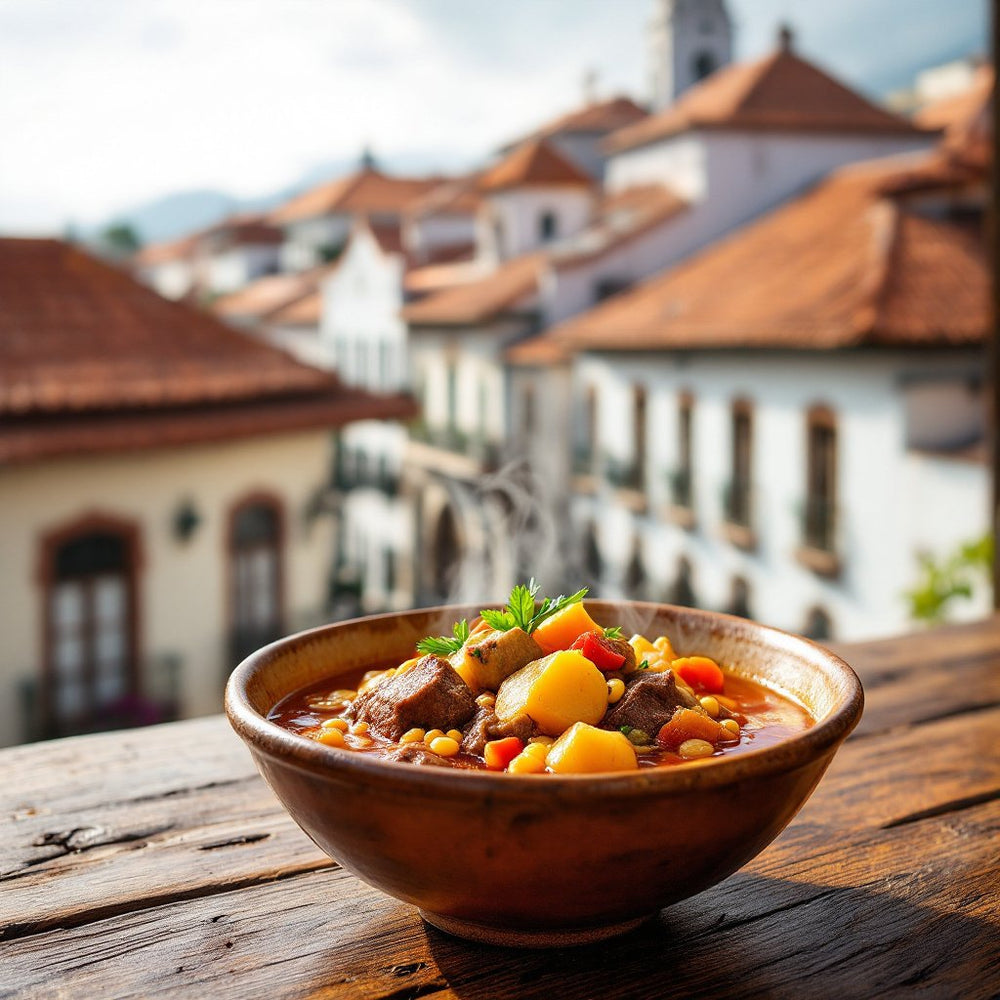
Sucre earns its nickname honestly. Every facade along its colonial streets is washed in brilliant whitewash, catching the high-altitude Andean sun and throwing it back at you in warm gold at midday and soft amber at dusk. This is Bolivia's constitutional capital, a city where independence was born in 1825 and where the air at 2,750 metres carries a clarity that makes colours feel almost unreal. The surrounding hills frame a skyline of terracotta domes and bell towers, and the plazas fill each evening with students, vendors and families in a gentle rhythm that has persisted for centuries. History here is not behind glass - it lives in the cobblestones, the market stalls piled with chili and chirimoya, and the weavings that carry cosmologies passed down through generations of Jalq'a and Tarabuco artisans.
The watercolor palette of Sucre is anchored by that signature white, the cool limestone brilliance that defines its architecture, softened by washes of colonial ochre and terracotta where plaster has aged. The surrounding landscape pulls in dusty sage greens from the eucalyptus slopes, warm sienna from the dry valleys, and an extraordinary cerulean blue that belongs entirely to the Andean sky at altitude. Shadow here turns violet rather than grey, a quality that gives every painted scene an almost luminous depth.