Shop the Collection

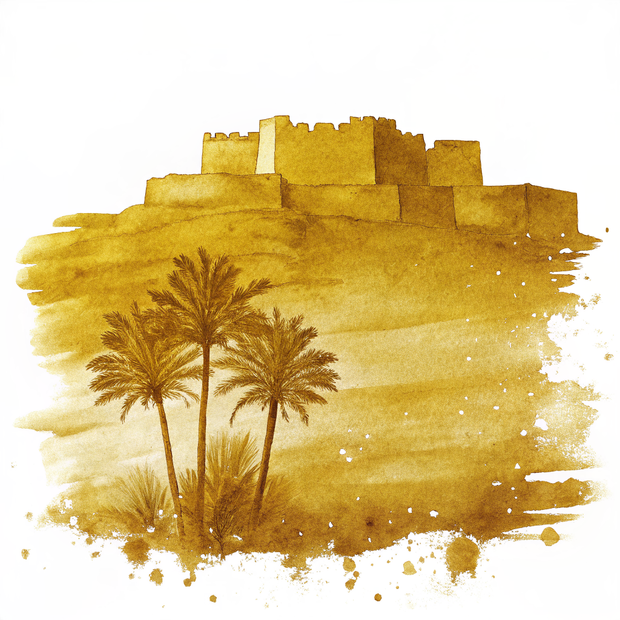
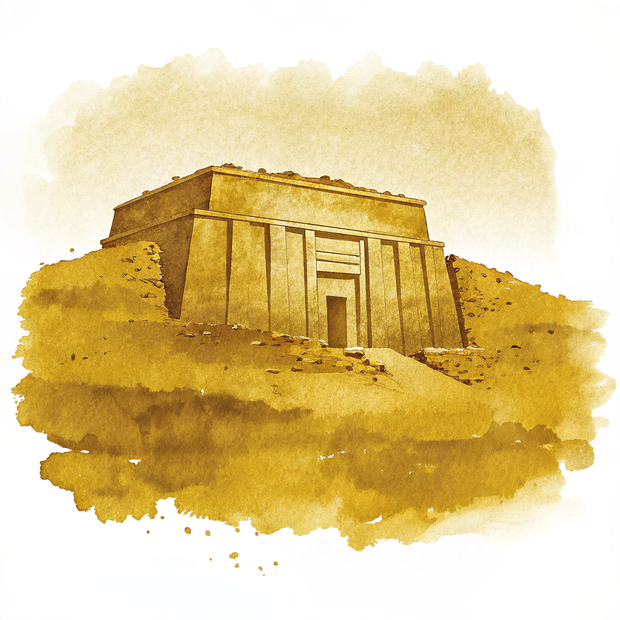
To help you bring a piece of your journey home, we've put together this collection of watercolor studies from our time in Siwa Oasis, Egypt. These are our favorite ways to keep the spirit of the trip alive.

Original Series Decorative Magnet

A personal study of Siwa Oasis, Egypt, captured in high-fidelity watercolor and prepared for your collection.

Siwa Oasis, Egypt | Original Series Decorative Magnet
Add to Collection / $18
Exclusive Series Artifact

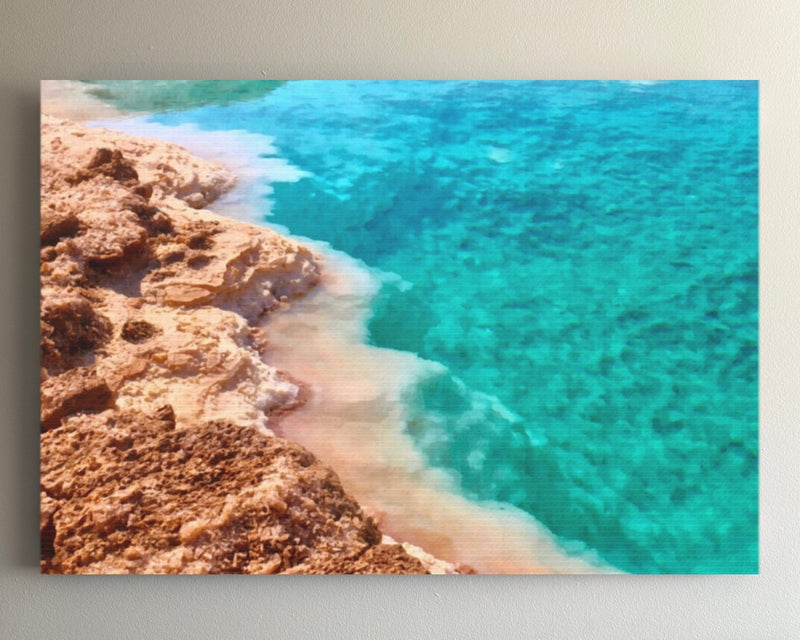
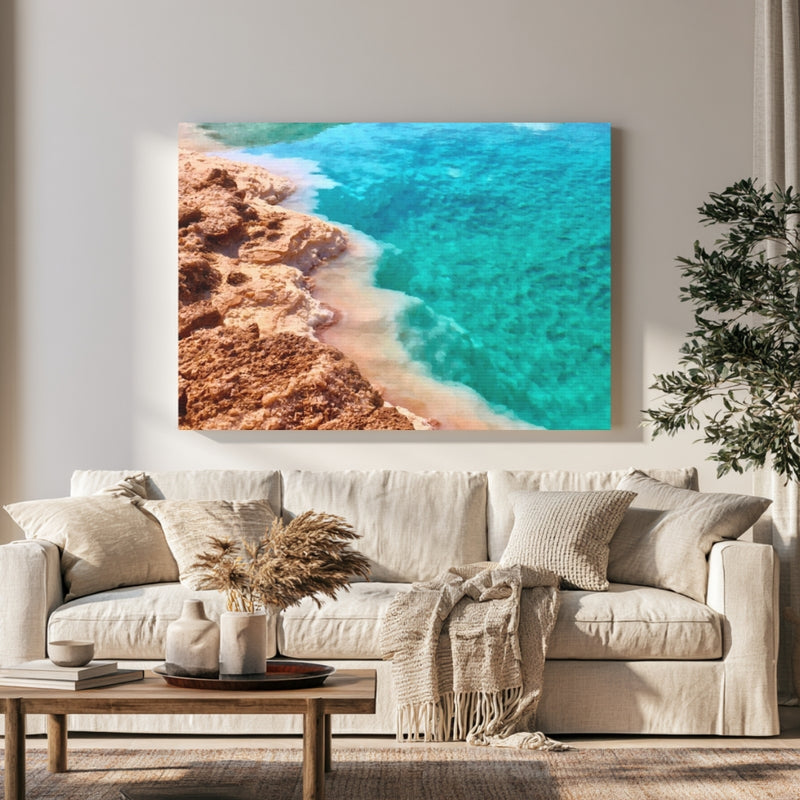
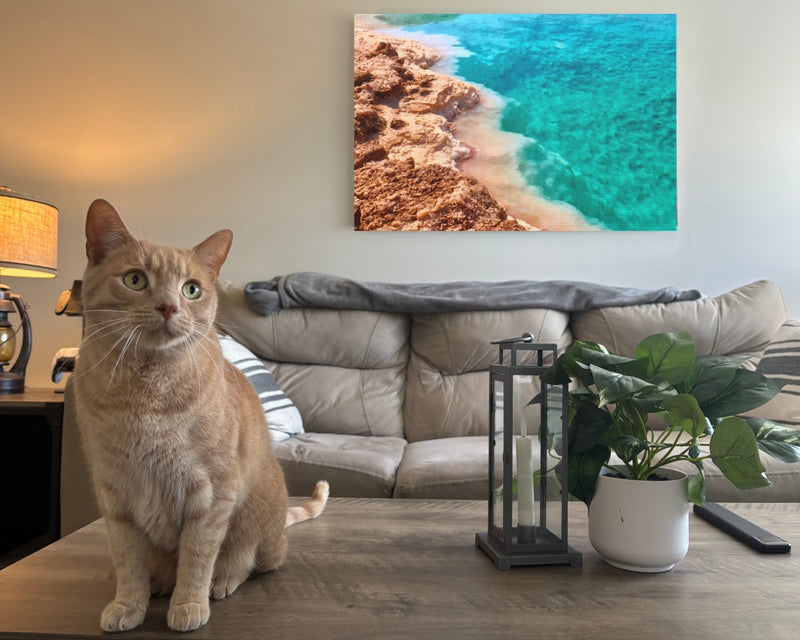
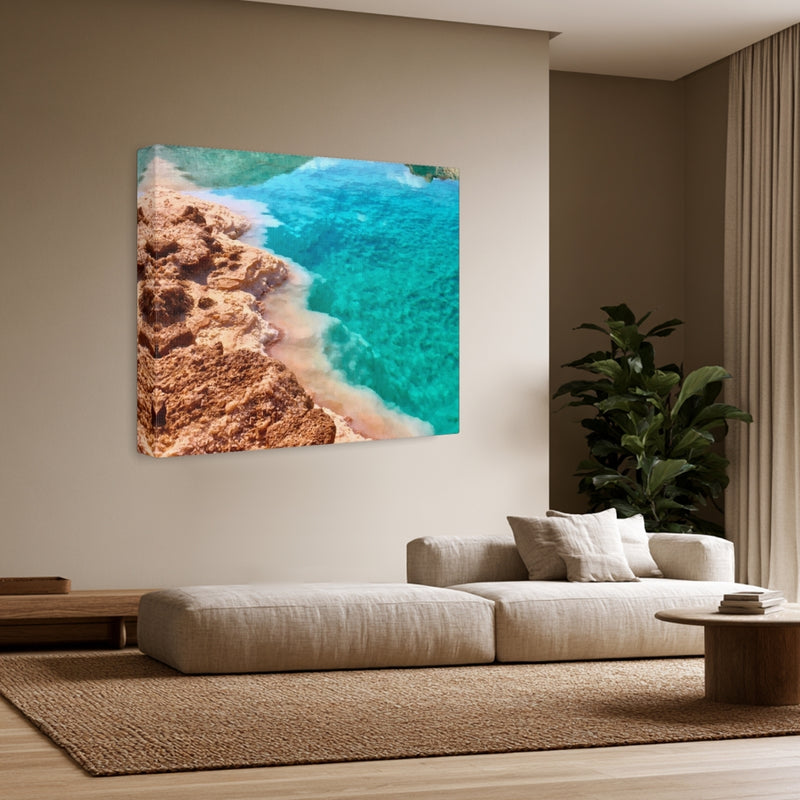
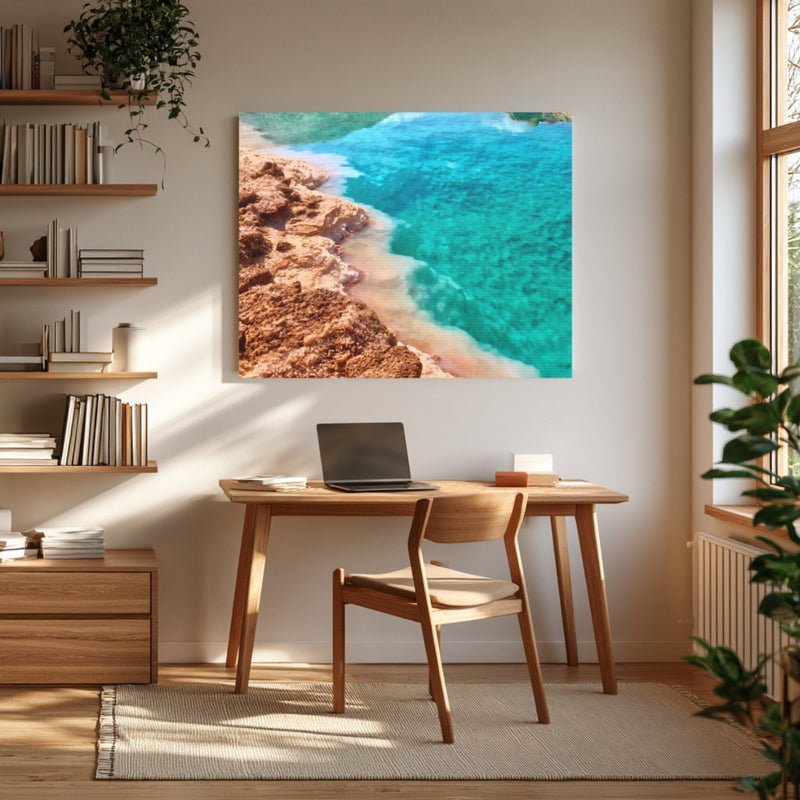
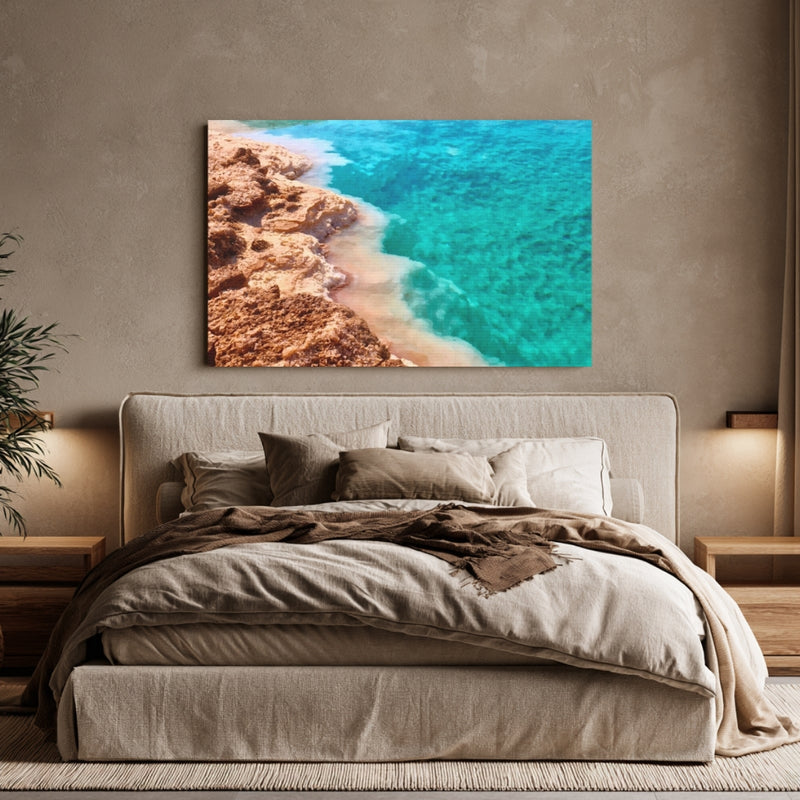
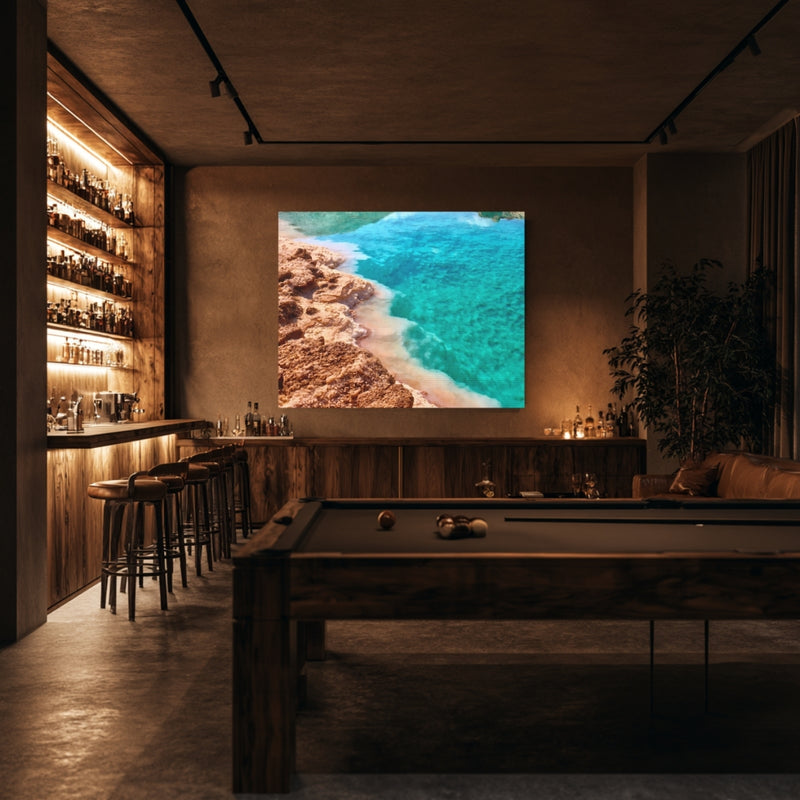
Original Series Gallery Canvas

This high-fidelity canvas is a beautiful way to anchor a room and keep your memories of Siwa Oasis, Egypt fresh long after you've returned home.

Siwa Oasis, Egypt | Original Series Gallery Canvas detail Siwa Oasis, Egypt | Original Series Gallery Canvas detail Siwa Oasis, Egypt | Original Series Gallery Canvas detail Siwa Oasis, Egypt | Original Series Gallery Canvas detail
Add to Collection / $65

Original Series Hardboard Coaster

A personal study of Siwa Oasis, Egypt, captured in high-fidelity watercolor and prepared for your collection.

Siwa Oasis, Egypt | Original Series Hardboard Coaster
Add to Collection / $18
Exclusive Series Artifact

The Spirit of the Land

Archival Note: Documented personally during our time in Siwa Oasis, Egypt. While we leverage a global network of contributors to provide these high-fidelity visual artifacts, each selection is curated to reflect the specific, quiet frequencies we experienced on the ground. These textures serve as a formal study of the unhurried light and environmental character that defined our journey.

Siwa Oasis, Egypt study No. 01
Siwa Oasis, Egypt / 01 VIA / waa towaw
Nestled within the sun-drenched mud-brick architecture of the Siwa Oasis, this serene marketplace feels like a peaceful step back in time. The gentle sway of the palm tree and the warmth of the desert textures create a beautiful, grounded sense of community and timeless tradition. It invites you to slow down, breathe deeply, and appreciate the simple harmony of a life woven deeply into the landscape.
Siwa Oasis, Egypt study No. 02
Siwa Oasis, Egypt / 02 VIA / Nathan S
Surrounded by a lush canopy of palm trees and vibrant pink bougainvillea, this natural desert spring serves as a refreshing sanctuary of life and community. The cool, inviting waters offer a peaceful escape, drawing people together to recharge and connect under the open sky. It is a beautiful reminder of nature's ability to create a thriving, joyful oasis even in the heart of the arid desert.
Siwa Oasis, Egypt study No. 03
Siwa Oasis, Egypt / 03 VIA / Nathan S
As the golden sun dips toward the horizon, its warm glow reflects beautifully off the calm salt lakes of Siwa, casting a brilliant trail of light across the water. Resting comfortably on a patterned woven mat, this perspective captures a perfect, meditative moment of pure relaxation and stillness. It is an inspiring reminder to slow down, let go of the day's worries, and simply immerse yourself in the breathtaking beauty of nature.

Where to wander

Archival Note: These recommendations were curated personally during our time in Siwa Oasis, Egypt to capture the textures that defined the quiet frequencies of the trip. Every entry here is a place we genuinely love; we hope these notes inspire you to wander off the main path and discover the same stillness we found on the ground.

Local Cuisine Spotlight
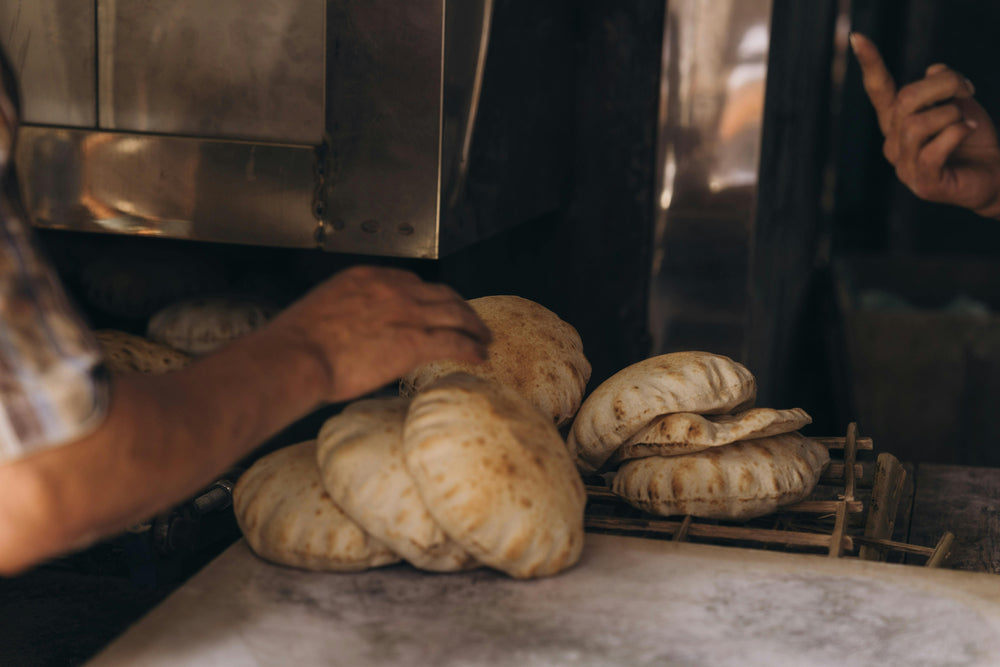
The comforting aroma of freshly baked flatbread fills the air, capturing a beautiful moment of daily dedication and time-honored craftsmanship. There is a profound sense of warmth and nourishment in seeing these puffed, golden loaves handled with such practiced care straight from the oven. It serves as an uplifting reminder of how the simplest, most traditional elements of food bring people together and sustain life's journey.
Credits: Eslam Mohammed Abdelmaksoud
Local cuisine study in Siwa Oasis, Egypt

☕︎ Local Flavor

Siwa Oasis Food & Culture Walking Tour

Rating: 5★ | Price: $$ | Coordinates: 29.2031° N, 25.5194° E

Navigate the market district of Siwa with a local guide to decode the food geography of the Amazigh oasis: the stalls selling date-and-pomegranate juice that has been the local drink for centuries, the bakeries producing rounds of olive oil flatbread in clay ovens, the spice vendors whose blends encode the specific Siwan version of North African cooking. The walking tour connects the food to the architecture to the history — Siwa’s culinary tradition is inseparable from its 5,000-year occupation history and the specific ecology of the date palms and olive groves that define the oasis.

View Entry Details

Fatnas Island Sunset & Mint Tea

Rating: 5★ | Price: $ | Coordinates: 29.1978° N, 25.4972° E

Fatnas Island sits in the middle of Birket Siwa lake, connected to the main oasis by a narrow causeway, and the two traditional open-air restaurants facing west from its palm-shaded terrace are the best place in Egypt to watch the sun disappear behind the Great Sand Sea dunes. The protocol is specific and wonderful: a pot of fresh Siwan mint tea buys you a front-row cushion seat, and the sky moves through amber, rose, and indigo as the dunes on the horizon catch the last light. It is the most democratic and most beautiful evening experience Siwa offers, and it costs less than a cup of coffee in Cairo.

View Entry Details

Dinner Under the Stars at Adrère Amêllal

Rating: 5★ | Price: $$$$ | Coordinates: 29.2041° N, 25.5156° E

The open-air dining terrace at Adrère Amêllal, lit entirely by candles and olive-oil lanterns with the White Mountain behind and the Great Sand Sea on the horizon, is the finest dining experience in the Western Desert. The menu is built entirely from the lodge’s own gardens and farms: slow-roasted pigeon, lamb tagine with Siwan dates and preserved lemon, grilled fish from the oasis springs, and seasonal vegetable dishes made with produce harvested that morning. The silence is absolute. The sky above contains more stars than most people have ever seen. This is a meal that earns the journey to Siwa on its own.

View Entry Details

Siwan Home Cooking Class

Rating: 4.9★ | Price: $$$ | Coordinates: 29.2031° N, 25.5194° E

Enter a Siwan family kitchen to document the foundational recipes of a culinary tradition that is entirely distinct from the Egyptian cooking practiced in Cairo, Luxor, or Alexandria. The Amazigh cuisine of the Western Desert oases is built around dates, olive oil, lamb, and the specific desert spice blends that have been transmitted in these kitchens for generations outside the written record. The curriculum covers tagine with Siwan dates and local herbs, olive oil flatbread baked in a clay tannour, and the date-and-pomegranate dessert drinks that accompany every meal. This is the most intimate and specific food experience the oasis offers.

View Entry Details

🛌︎ Boutique Stays

Adrère Amêllal Desert Ecolodge

Rating: 4.9★ | Price: $$$$ | Coordinates: 29.2041° N, 25.5156° E

Built entirely from kershef — the local mud-and-salt-crystal construction material used in Siwa for centuries — this off-grid ecolodge at the base of the White Mountain is the most serious luxury property in the Western Desert. There is no electricity: rooms are lit by candles and olive-oil lanterns, cooled by meter-thick walls, and furnished with hand-woven Siwan textiles and locally carved furniture. The organic kitchen sources everything from the lodge’s own date palms and olive groves. To stay here is to understand that sustainability and luxury are not opposites, but the same thing when the materials are honest and the silence is absolute.

View Entry Details

Taziry Ecovillages Siwa

Rating: 4.8★ | Price: $$$ | Coordinates: 29.2014° N, 25.5192° E

A collection of individual kershef cottages and chalets set among olive groves and date palm gardens at the edge of the oasis, where the desert begins. The property functions as a genuine village rather than a resort: communal spaces, a working olive press, a pool fed by a natural spring, and a kitchen that produces Siwan dishes from ingredients grown on-site. It is the most complete expression of the Siwan domestic aesthetic available to a visitor — the architecture, the food, the silence, and the star-filled sky all operating as a single coherent experience.

View Entry Details

Albabenshal Hotel

Rating: 4.7★ | Price: $$ | Coordinates: 29.2031° N, 25.5194° E

Built directly into the ruins of the Old Shali Fortress, this kershef guesthouse occupies the most historically charged address in Siwa — its rooftop terrace is the finest vantage point over the oasis, the salt lakes, and the Great Sand Sea dunes on the horizon. The rooms are bare and simple, the prices are almost embarrassingly low, and the communal terrace restaurant serves some of the most honest traditional Siwan cooking available to visitors. This is a hotel that rewards travelers who understand that location and character are worth more than air conditioning.

View Entry Details

Siwa Shali Resort

Rating: 4.6★ | Price: $$$ | Coordinates: 29.2028° N, 25.5185° E

The most comfortable full-service property in Siwa: kershef architecture with contemporary spa facilities, private jacuzzis in select suites fed by the oasis hot springs, and a pool set within a garden of olive and palm. It occupies a deliberate middle position between the pure off-grid austerity of Adrère Amêllal and the town guesthouses — traditional in form, modern in comfort — making it the most practical base for travelers who want to explore the full range of Siwa’s attractions without sacrificing the experience of sleeping inside its extraordinary architecture.

View Entry Details

📍︎ Field Study

Temple of the Oracle of Amun

Rating: 5★ | Price: $ | Coordinates: 29.2089° N, 25.5254° E

In 331 BCE, Alexander the Great made the 200-mile desert crossing from Memphis specifically to consult the Oracle of Amun at this temple on its rocky outcrop above the palm groves of Aghurmi village. The oracle declared him the son of Amun — a divine legitimization that shaped the entire subsequent arc of his conquest of the known world. The ruins retain enough of their original form — an open court, inner sanctuary, stone rooms, a deep sacred well — to make this one of the most historically significant standing structures in Egypt, and one of the least visited. The view of the oasis from the temple platform at sunrise is extraordinary.

View Entry Details

Siwa Salt Lakes & Floating Experience

Rating: 5★ | Price: $ | Coordinates: 29.1967° N, 25.5289° E

The salt lakes of Siwa are among the most visually astonishing natural formations in North Africa — turquoise and pink pools edged in white salt crystal, surrounded by golden desert and date palms, with a salinity approaching that of the Dead Sea that makes effortless floating the only available swimming style. At dawn, when the surface is still and the light is oblique, the reflections of the dunes in the water create a scene of complete unreality. This is the defining natural experience of Siwa and the image that has drawn travelers to the Western Desert for decades. The therapeutic mineral waters are said to benefit the skin, which is easy to believe.

View Entry Details

Great Sand Sea 4x4 Desert Safari

Rating: 5★ | Price: $$$ | Coordinates: 29.1500° N, 25.6000° E

The Great Sand Sea begins at the southern edge of the oasis and extends 72,000 square kilometers into the Sahara — one of the largest continuous sand seas on earth. A 4x4 safari from Siwa crosses dunes that reach 150 meters in height, passes the fossilized sea beds of an ocean that covered this landscape 40 million years ago, and arrives at Bir Wahed — a natural hot spring in the desert — for a sunset soak among the dunes. The night sky above the Great Sand Sea, hours from any city and its light pollution, is one of the most complete views of the Milky Way available anywhere in Egypt.

View Entry Details

Shali Fortress & Mountain of the Dead

Rating: 4.9★ | Price: $ | Coordinates: 29.2031° N, 25.5194° E

The kershef ruins of Shali Fortress — built in the 13th century and dissolved by three days of rare desert rain in 1926 — rise at the center of the oasis like a melted mountain of mud and salt. Its maze of collapsed rooms and staircases is still walkable at the lower levels, and the summit terrace offers the finest panoramic view of Siwa available on foot. One kilometer east, the Mountain of the Dead is a rocky hill honeycombed with 26th Dynasty rock-cut tombs containing painted ceilings that document the Siwan aristocracy’s vision of the afterlife. Together these two sites are the morning itinerary that every Siwa visit should begin with.

View Entry Details

Typography

Archival Note: We have personally documented these geographic specs for Siwa Oasis, Egypt to ensure every watercolor study is anchored in real-world data. By cataloging the precise elevation, light cycles, and historical epochs, we provide a technical foundation that justifies the atmospheric stillness captured in our visual artifacts.

Botanical and pigment specimen study for Siwa Oasis, Egypt Colors of Siwa Oasis, Egypt
Coordinates
29.2032° N, 25.5193° E — Northwestern Egypt, Western Desert
Historical Epoch
Ancient Libyan Oasis Civilization (c. 10,000 BCE–present)
Elevation
23 m below sea level — one of the lowest inhabited points in Egypt, in a natural desert depression
Atmosphere
Hot Desert (BWh) — extreme summers, warm winters October–March
Observation Hour
06:30 AM — Salt lakes perfectly still, turquoise and pink at first light
Primary Pigment
Siwa Salt Turquoise (#5BB8C1) and Kershef Ochre (#C8A96E)
Best Time to Visit
October through March — the Western Desert winter is clear and warm with perfect temperatures for the salt lakes and Wahiba Sands, and the night sky is at its most complete
Avoid Visiting
June through August — Siwa reaches 42°C+ with intense desert humidity, outdoor activity becomes dangerous after 9 AM, and the salt lakes are less photogenic in the harsh summer light

The Local Tongue

Language is the invisible architecture of Siwa Oasis, Egypt. These entries document the regional vocabulary—capturing the "texture" of local speech that standard translations often miss. Hand-curated expressions reflecting the specific spirit and daily rhythm of the region.
Archival study of Siwi (Amazigh/Berber) cultural texture

via / bassel zaki

Primary Language Siwi (Amazigh/Berber)
Regional Dialect Siwi

Adrar n Siwa (إن شاء الله)

"The Mountain of Siwa" in Siwi Amazigh — the ancient name for the White Mountain (Jebel Dakrour) that rises above the ecolodges on the western edge of the oasis. Sacred in Siwan tradition, it is the site of the annual Siyaha Festival in October, when thousands of Siwans gather to reconcile disputes, arrange marriages, and reaffirm the social fabric of the oasis in a ceremony that has continued uninterrupted for centuries.

Aydh (أيده)

The standard greeting in Siwi Amazigh — used to welcome a guest, begin a conversation, or acknowledge someone passing on the path between palm groves. In a community as geographically isolated as Siwa, where outside visitors were rare for most of its history, the protocols of hospitality are deep and genuine. Attempting even a single word of Siwi is invariably met with delight.

Tamurt (تامورت)

"Land" or "homeland" in Siwi Amazigh — but in the oasis context it carries the full weight of a word that describes a place where people have lived for five thousand years without interruption: the same date palms, the same salt lakes, the same kershef building material pulled from the same earth. Siwa is tamurt in the deepest sense — a landscape that is inseparable from the identity of the people who have always lived in it.

Wait! before you go...

Before you head over to Siwa Oasis, Egypt, we wanted to share a few basic tips we picked up along the way. These notes cover the simple things—like how to get around or what to do about cash—so you can spend less time worrying and more time just enjoying the place.
🚲 Getting Around Tuk-tuks and donkey carts are the primary local transit within the oasis — the flat terrain makes bicycles a genuinely excellent option, available from most guesthouses. 4x4 vehicles for desert safari and dune crossings. No public transit exists between Siwa and the rest of Egypt: the overnight bus from Cairo takes 8–10 hours, and private taxis from Cairo or Alexandria are the most comfortable option.
⚖️ Cash or Card 100% Cash. Siwa is the most cash-dependent destination in Egypt. There is a single ATM in town (at Banque du Caire near the main square) that regularly runs out of notes. Withdraw enough Egyptian Pounds in Cairo, Alexandria, or Marsa Matrouh before arriving. Every transaction in the oasis — ecolodge, restaurant, desert safari, market stall, tuk-tuk — is cash only.
☁️ Good to Know Siwa is a conservative Amazigh community with its own social codes that differ significantly from Cairo or Luxor. Dress modestly throughout the oasis — covered shoulders and knees are both required and genuinely appreciated. Alcohol is strictly limited to a handful of higher-end ecolodges. The Siyaha Festival in October is a powerful and deeply local event; if you are present, observe respectfully and follow your host’s guidance. Photography of local women requires explicit permission and is often declined.
🏧 ATMs One ATM: Banque du Caire, main square, Siwa town center. It accepts international Visa and Mastercard but runs out of notes regularly. Treat it as a last resort, not a primary plan. Withdraw at a Cairo or Alexandria branch before travel, and carry enough cash for your full stay plus a 50% buffer.
💳 Currency The Egyptian Pound (EGP). Withdraw generously before arriving in Siwa. The single Banque du Caire ATM in town often runs dry during peak season. Small notes (20 and 50 EGP) are essential for tuk-tuks, market stalls, and desert safari tips. There are no card payment facilities anywhere in the oasis.
🔌 Plugs Egypt uses Type C and Type F plugs — the round two-prong European-style sockets. Standard voltage is 220V at 50Hz. Note that Adrère Amêllal and several other ecolodges have no mains electricity at all — confirm with your accommodation before packing devices that require regular charging.
🛡️ Safety Siwa is one of Egypt’s safest destinations for international visitors — crime is extremely rare in the oasis. The primary practical risks are heat and sun exposure in summer, and the remoteness itself: the nearest hospital is in Marsa Matrouh (5 hours). Bring any essential medications, a well-stocked first aid kit, and travel insurance that covers medical evacuation. The single ATM and cash-only economy means running out of money is a genuine planning consideration.
✈️ Airports Siwa has no airport. Access is by road only. Overnight bus from Cairo (8–10 hours, departs approximately 10 PM, arrives 7–9 AM) — the most economical option. Private taxi from Cairo or Giza (8–9 hours): the most comfortable option for groups. From Marsa Matrouh (3 hours by shared taxi): the best option if arriving via Mediterranean coast. Book return transport before you arrive; options are limited and fill quickly in peak season.

Behind The Scenes

Nathan

Note from the Founder

Hey, did you know this fun fact about Siwa Oasis, Egypt? In 331 BCE, Alexander the Great made a 200-mile desert crossing from Memphis specifically to consult the Oracle of Amun at Siwa — and the oracle declared him the son of the god Amun, a divine legitimization that shaped the entire subsequent arc of his conquest.
Thank you for exploring the Siwa Oasis, Egypt series with us. We hope these notes have inspired you to add this incredible destination to your own passport—we are so glad you’re here. — Nathan

The Magnets

The Coasters

The Canvas