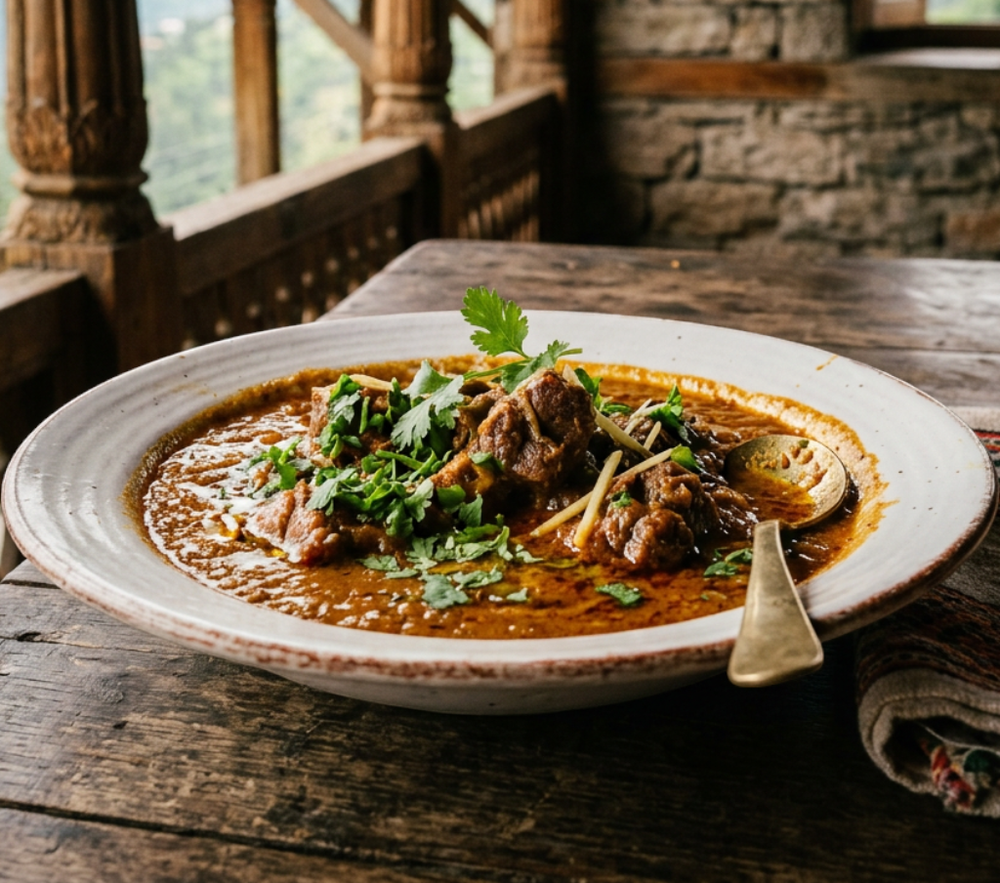
Local Cuisine Spotlight

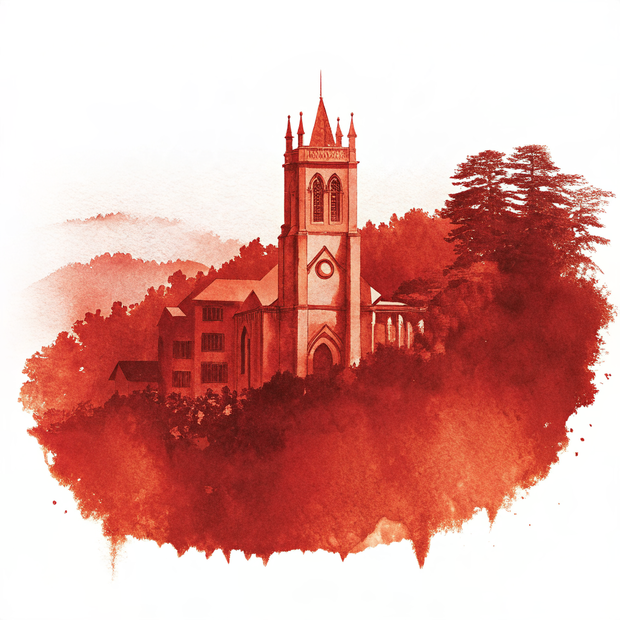
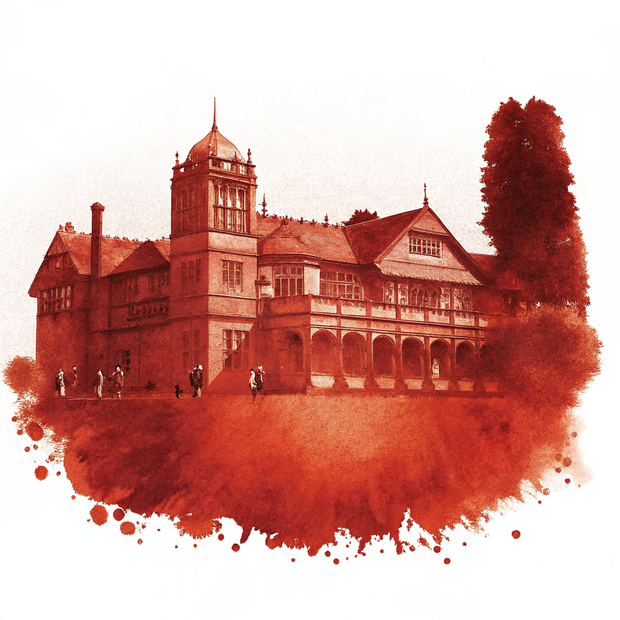
Now representing Shimla — 1 original piece, each hand-crafted in watercolor.
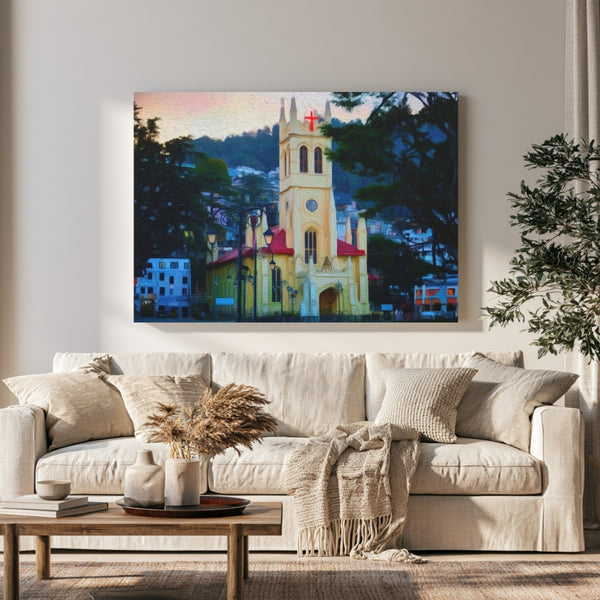
Perched at over 2,200 metres in the Himachal Pradesh hills, Shimla carries the layered soul of a city that has been many things at once: a Raj-era summer escape, a treaty-signing stage, and now a beloved highland retreat where colonial spires rise above cedar forests and the air smells faintly of pine and woodsmoke. The Mall Road hums with the easy energy of families out for an evening stroll, monkeys watching from the rooftops of Christ Church, and chai sellers doing steady business in the cold mountain air. There is something wonderfully unhurried about the place, as though the altitude itself slows time just enough to let you look properly. Light here behaves like a painter already knows the scene, arriving soft and golden through the tree canopy in the mornings and turning the ridgelines amber and violet just before dusk.
Every canvas is painted from a real place. Explore the map to see exactly where each scene lives — and wander Shimla the way a traveler would, one landmark at a time.
Keep Exploring
Archival Note: A curated field study of Shimla, India, prioritizing the specific atmospheric stillness of the region. These artifacts have been meticulously sourced from our global archival partners to represent the area's unique cultural frequency and environmental character. This selection serves as a formal observation for our ongoing global archive, vetted for its visual accuracy and archival merit.


Archival Note: A curated field study of Shimla, India, prioritizing cultural relevance and archival merit. These locations have been meticulously researched and vetted to ensure they represent the most authentic atmosphere for your own expedition.
Archival Note: A formal technical study of Shimla, India, archiving the coordinates, elevation, and environmental data that define the region. This data serves as a vital record for our ongoing global field study, providing the technical foundation behind every atmospheric detail captured in our visual work.
 Colors of Shimla, India

via / Sakshi Patwa


