Shop the Collection

To help you build your own global archive, we've prepared this collection of watercolor studies from our research into San Gimignano, Italy. These artifacts are designed to bring the stillness of this corner of the world into your home.

Original Series Decorative Magnet

A personal study of San Gimignano, Italy, captured in high-fidelity watercolor and prepared for your collection.

San Gimignano, Italy | Tuscan Village Landscape | Original Series Decorative Magnet
Add to Collection / $18
Exclusive Series Artifact

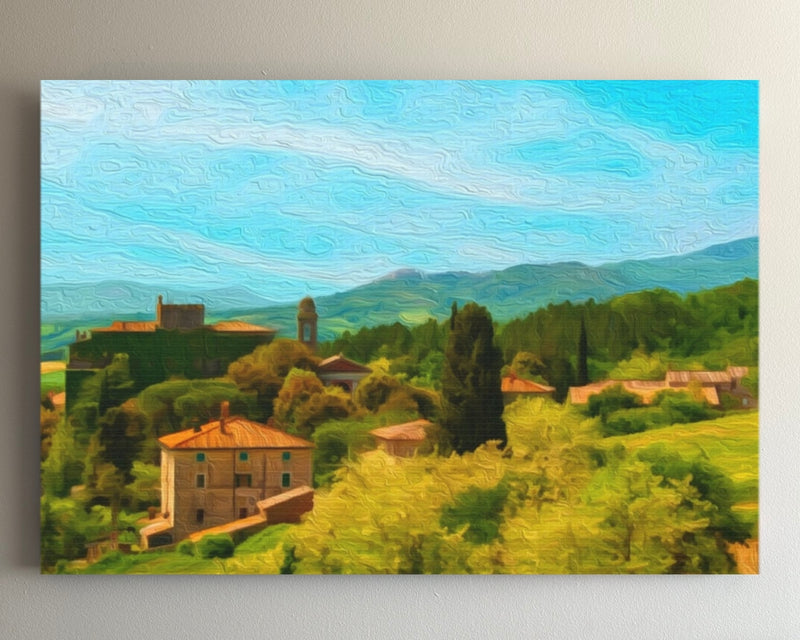
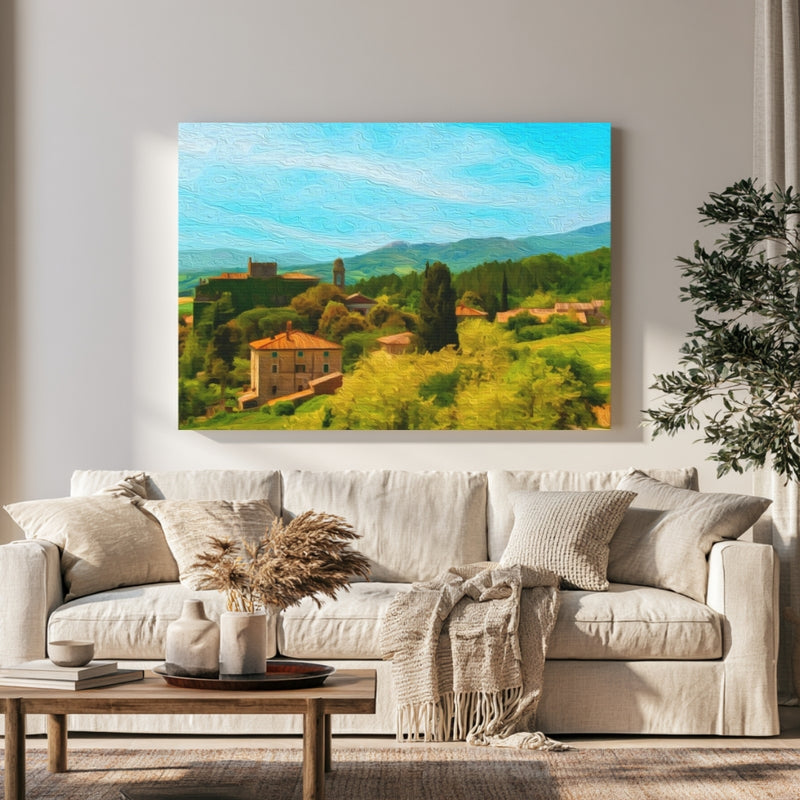
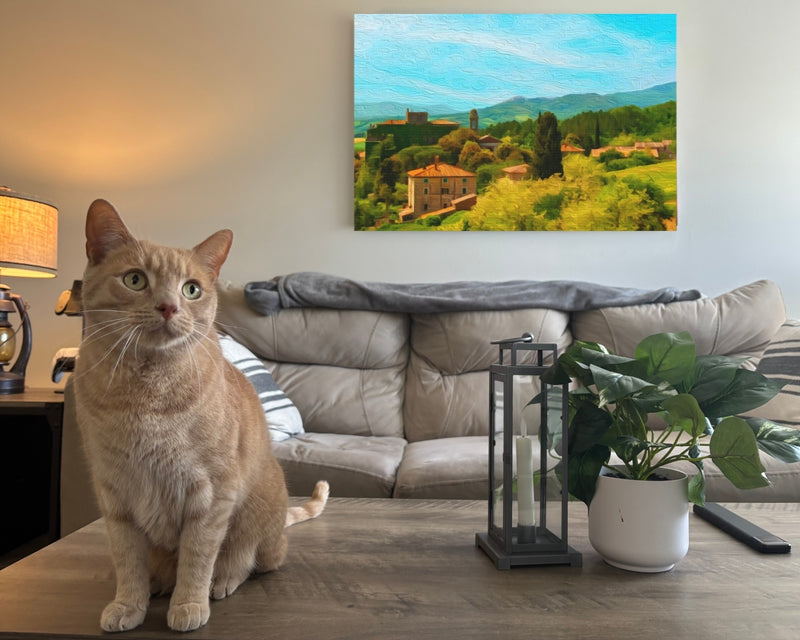
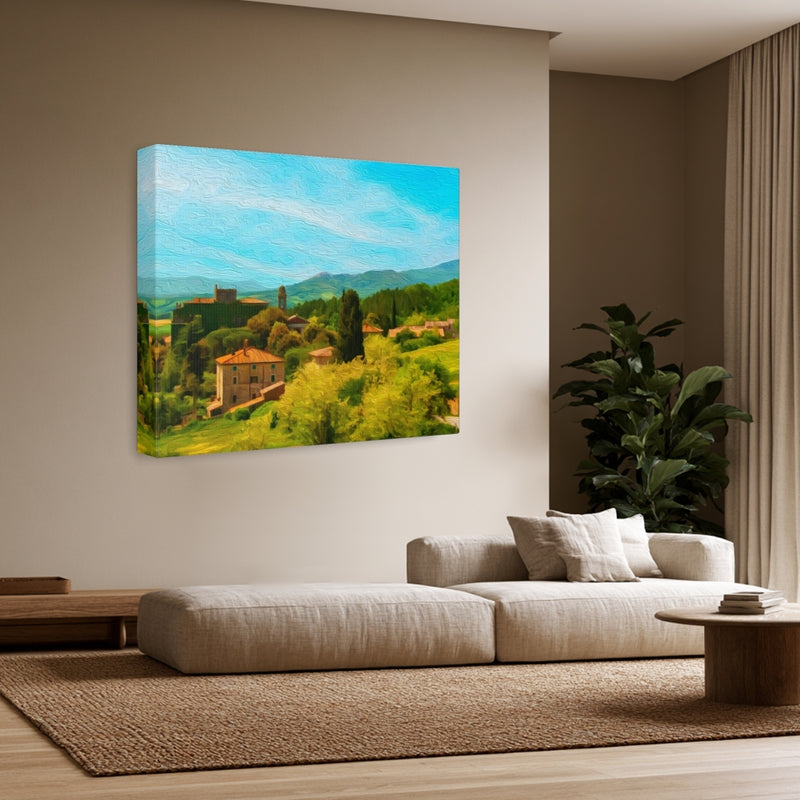
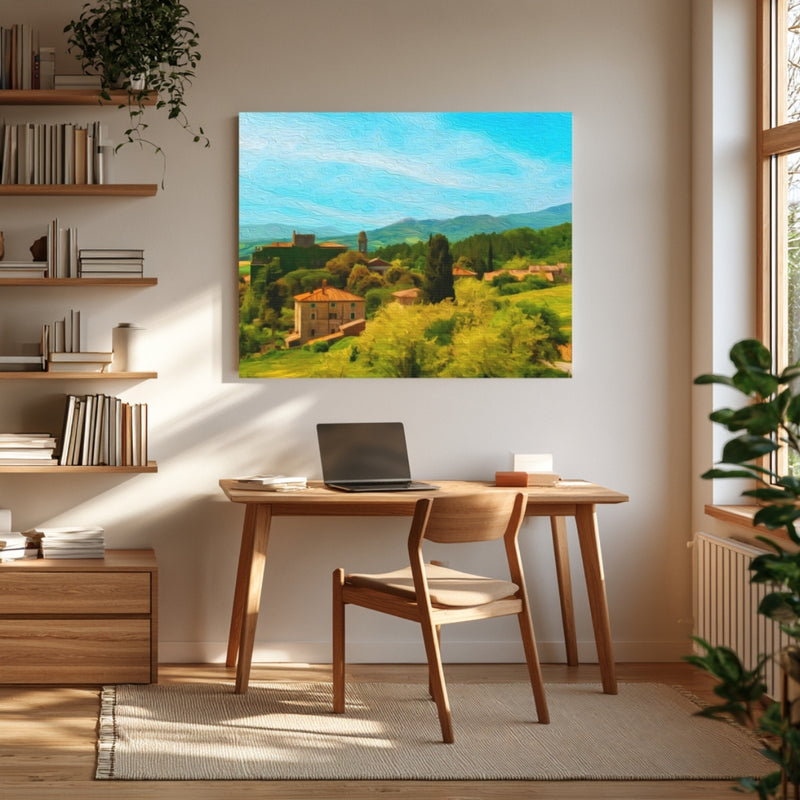
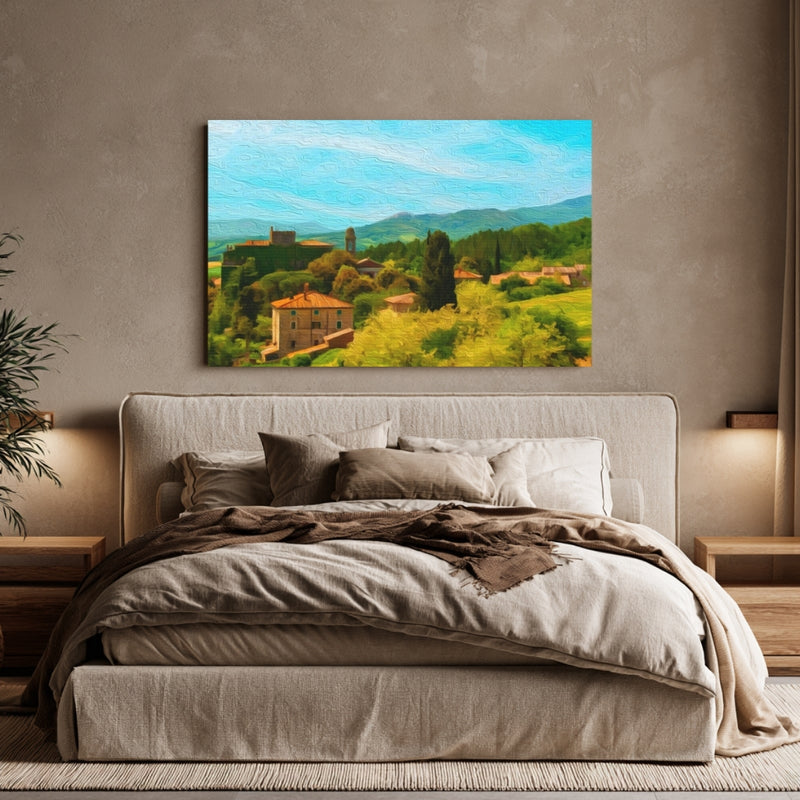
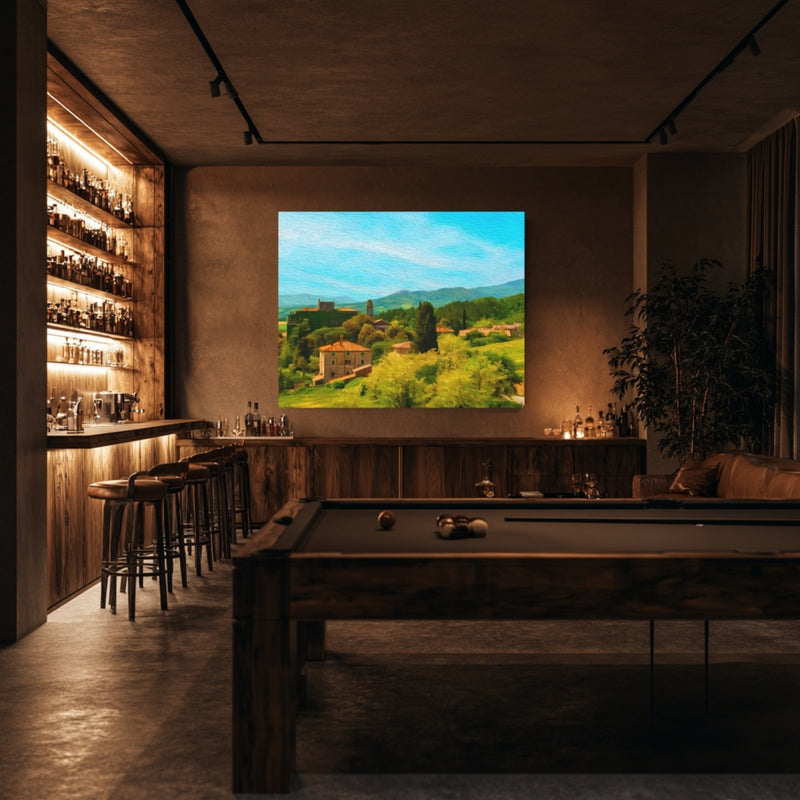
Original Series Gallery Canvas

This high-fidelity canvas is a beautiful way to anchor a room and keep your memories of San Gimignano, Italy fresh long after you've returned home.

San Gimignano, Italy | Tuscan Village Landscape | Original Series Gallery Canvas detail San Gimignano, Italy | Tuscan Village Landscape | Original Series Gallery Canvas detail San Gimignano, Italy | Tuscan Village Landscape | Original Series Gallery Canvas detail San Gimignano, Italy | Tuscan Village Landscape | Original Series Gallery Canvas detail
Add to Collection / $65

Original Series Hardboard Coaster

A personal study of San Gimignano, Italy, captured in high-fidelity watercolor and prepared for your collection.

San Gimignano, Italy | Tuscan Village Landscape | Original Series Hardboard Coaster
Add to Collection / $18
Exclusive Series Artifact

The Spirit of the Land

Archival Note: A curated field study of San Gimignano, Italy, prioritizing the specific atmospheric stillness of the region. These artifacts have been meticulously sourced from our global archival partners to represent the area's unique cultural frequency and environmental character. This selection serves as a formal observation for our ongoing global archive, vetted for its visual accuracy and archival merit.

San Gimignano, Italy study No. 01
San Gimignano, Italy / 01 VIA / Erin Doering
The late afternoon light softens the ancient stone tower in the foreground, its weathered bell chamber rising above terracotta rooftops that cascade down the hillside. Beyond the medieval town, the Tuscan countryside stretches in a patchwork of green vineyards, golden fields, and dark cypress trees tracing the contours of rolling hills. The muted autumn palette—dusty rose buildings, amber tiles, and sage-toned valleys—creates a quietness that feels both timeless and utterly present.
San Gimignano, Italy study No. 02
San Gimignano, Italy / 02 VIA / Alexis Presa
The afternoon light softens across the Tuscan hillside, casting a muted glow over terracotta rooftops and the patchwork of vineyards beyond. Cypress trees punctuate the rolling landscape like dark exclamation points, while olive groves slope gently toward the clustered buildings. The air here would feel still and temperate, carrying the quiet weight of a place where time moves differently than it does elsewhere.
San Gimignano, Italy study No. 03
San Gimignano, Italy / 03 VIA / Rhamely Zppbft5ba_u
The terracotta tiles bear patches of orange lichen, each one a small map of time and weather mapped onto the ancient roof. Beyond them, the cypress trees stand in their characteristic narrow columns, dark and still against the fog-softened hills. The scene holds the particular quiet of a Tuscan morning when mist erases distance and reduces the world to layers of green and gray.

Where to wander

Archival Note: A curated field study of San Gimignano, Italy, prioritizing cultural relevance and archival merit. While we haven't touched down here yet, we’ve meticulously vetted these locations through our global network of contributors to ensure they represent the most authentic atmosphere for your own expedition.

Local Cuisine Spotlight
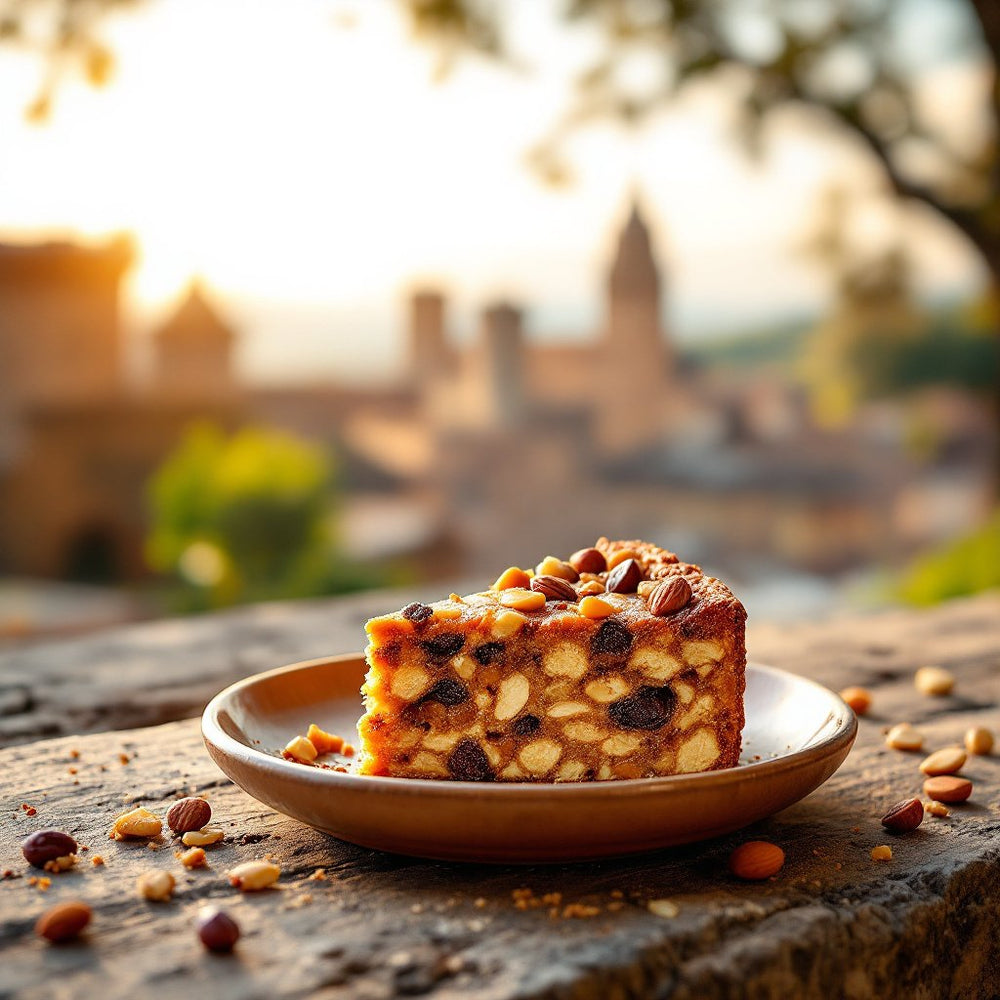
This medieval Tuscan fruitcake, studded with almonds, pine nuts, and candied citrus, has been a San Gimignano specialty since the 13th century. The dense, honey-sweetened cake gains its rustic texture from whole nuts and dried fruits suspended in a golden crumb. Traditionally enjoyed during harvest festivals, each slice captures the essence of Tuscany's ancient baking traditions.
Credits: A256 Fb8501999ea6
Local cuisine study in San Gimignano, Italy

☕︎ Local Flavor

Cum Quibus

Rating: 5* | Price: $$$ | Coordinates: 43.4679 N, 11.0435 E

Chef Gabriele transforms traditional Tuscan ingredients into refined, contemporary dishes that honor their origins while pushing creative boundaries. The pasta is made fresh each morning, often incorporating wild herbs foraged from the surrounding hills. In a brick-vaulted dining room lit by candles, each course arrives with a local Vernaccia or Chianti chosen to complement subtle flavors that reveal layers with every bite.

View Entry Details

Dulcis in Fundo

Rating: 5* | Price: $$ | Coordinates: 43.4674 N, 11.0429 E

This family-run trattoria has perfected the art of Tuscan comfort food over three generations, with recipes passed down and ingredients sourced from nearby farms. The wild boar ragu simmers for hours until it reaches deep, complex flavors that sauce the house-made pappardelle perfectly. Locals fill the tables at lunch, always a reliable sign, and the warm bread arrives with their own pressed olive oil for dipping.

View Entry Details

Le Vecchie Mura

Rating: 5* | Price: $$$ | Coordinates: 43.4671 N, 11.0425 E

Built into the ancient town walls, this restaurant's terrace overlooks the Val d'Elsa, offering sunset views that stretch across vineyards to distant hilltop villages. The kitchen emphasizes seasonal vegetables and wild game, prepared with techniques that balance medieval tradition and modern sensibility. Their saffron-infused risotto pays homage to San Gimignano's historic role in the precious spice trade that once enriched these towers.

View Entry Details

Perucà

Rating: 5* | Price: $ | Coordinates: 43.4677 N, 11.0433 E

A casual spot where locals grab quick lunches of porchetta sandwiches and ribollita that tastes exactly as it should—thick with bread, beans, and the dark Tuscan kale called cavolo nero. The counter displays change with the seasons, featuring fresh pecorino from nearby sheep farms and sliced finocchiona salami. Stand at the bar with an espresso or claim a small table to watch the medieval street life unfold outside.

View Entry Details

🛌︎ Boutique Stays

Hotel Leon Bianco

Rating: 5* | Price: $$$ | Coordinates: 43.4676 N, 11.0432 E

This 13th-century palazzo overlooks the Piazza della Cisterna, where morning light catches the worn travertine stones that have witnessed centuries of market days. The rooms blend medieval architecture with thoughtful modern comfort—exposed beams frame views of the tower-studded skyline. Wake to church bells echoing through narrow streets and the scent of espresso drifting from the breakfast room's vaulted ceilings.

View Entry Details

Podere Montese

Rating: 5* | Price: $$ | Coordinates: 43.4521 N, 11.0389 E

Set among olive groves and vineyards just outside the medieval walls, this restored farmhouse offers the Tuscan countryside at its most authentic. The family who runs it produces their own Vernaccia wine and olive oil, which you'll taste at breakfast alongside fresh ricotta and homemade preserves. Summer evenings on the terrace reveal why this landscape has inspired artists for generations—endless rolling hills dissolving into golden twilight.

View Entry Details

Palazzo al Torrione

Rating: 5* | Price: $$$ | Coordinates: 43.4678 N, 11.0428 E

Tucked against one of San Gimignano's fourteen remaining towers, this intimate boutique hotel preserves original 14th-century frescoes in several rooms. The rooftop terrace provides perhaps the finest perspective on the medieval skyline, where you can watch swallows circle the ancient stones at dusk. Each carefully restored suite tells its own story through antique furnishings and hand-painted Majolica tiles from local artisans.

View Entry Details

La Cisterna

Rating: 5* | Price: $$ | Coordinates: 43.4675 N, 11.0431 E

Operating as a hotel since 1919, this historic building faces the town's central square and its namesake 13th-century well. The interior maintains period details—terracotta floors, wooden ceiling beams, and wrought-iron fixtures—while rooms offer direct sightlines to the constantly changing theater of daily Italian life below. The location puts you at the heart of everything, yet thick stone walls ensure peaceful nights.

View Entry Details

📍︎ Field Study

Torre Grossa

Rating: 5* | Price: $$ | Coordinates: 43.4678 N, 11.0430 E

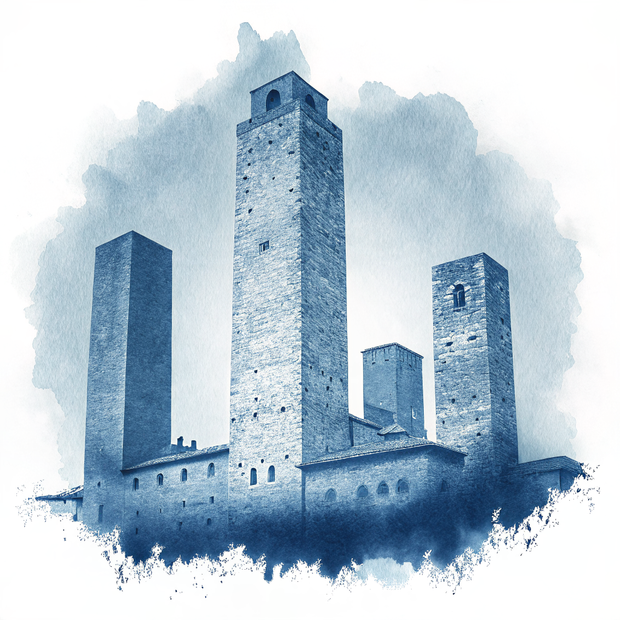
The only tower visitors can climb, these 218 steps lead to breathtaking views across the terracotta rooftops and thirteen other surviving towers that gave San Gimignano its nickname, the Medieval Manhattan. Built in 1311, it stands as the tallest at fifty-four meters, a symbol of civic pride rather than noble competition. From the top, the Tuscan landscape unfolds in every direction—a patchwork of vineyards, olive groves, and cypress-lined roads.

View Entry Details

Collegiata di Santa Maria Assunta

Rating: 5* | Price: $ | Coordinates: 43.4680 N, 11.0431 E

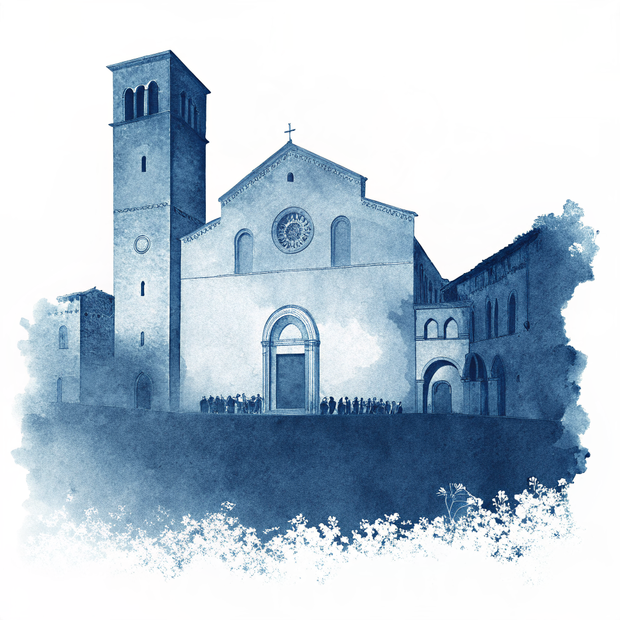
This Romanesque church shelters one of Tuscany's most complete fresco cycles, with walls covered in 14th-century biblical narratives painted by masters including Ghirlandaio and Bartolo di Fredi. The Last Judgment scene on the interior facade still commands absolute attention with its vivid depiction of paradise and damnation. Cool stone floors and filtered light through alabaster windows create a contemplative atmosphere that transcends any single faith.

View Entry Details

Sant'Agostino Church

Rating: 5* | Price: $ | Coordinates: 43.4685 N, 11.0428 E

Away from the main tourist flow at the town's northern end, this 13th-century church contains Benozzo Gozzoli's fresco cycle depicting the life of Saint Augustine with remarkable detail and humanity. The scenes feel intimate and warm, filled with period costumes and recognizable Tuscan landscapes that ground sacred stories in daily life. Fewer visitors mean you can sit quietly and study these masterworks without distraction.

View Entry Details

Vernaccia Wine Experience

Rating: 5* | Price: $$ | Coordinates: 43.4672 N, 11.0434 E

San Gimignano's indigenous white wine was the first in Italy to receive DOC status, and several enotecas in town offer guided tastings that explore its distinctive mineral character. The wine has been produced here since the 13th century, mentioned even in Dante's Divine Comedy, with vines thriving in the region's unique galestro soil. Tasting rooms occupy medieval cellars where temperature stays constant year-round, perfect for understanding how terroir shapes flavor.

View Entry Details

Typography

Archival Note: A formal technical study of San Gimignano, Italy—archiving the coordinates, elevation, and environmental data that define the region. This data serves as a vital record for our ongoing global field study, allowing us to reconstruct the regional atmosphere with archival precision before our physical arrival.

Botanical and pigment specimen study for San Gimignano, Italy Colors of San Gimignano, Italy
Coordinates
43.4678° N, 11.0430° E — Val d'Elsa, Tuscany
Historical Epoch
Etruscan settlements gave way to a Roman crossroads, but San Gimignano's true glory arrived in the 12th and 13th centuries when Vernaccia wine and saffron trade built those competing tower-houses. The plague of 1348 froze the town in time, leaving a medieval jewel that UNESCO would protect seven centuries later.
Elevation
324 m / 1,063 ft — hilltop plateau surrounded by Vernaccia vineyards
Atmosphere
Csa - Hot-summer Mediterranean. Summer heat drives everyone indoors between noon and four, when shutters close and the town falls silent until the evening breeze arrives from the Elsa valley.
Observation Hour
17:30. Golden hour turns Torre Grossa and its sister towers into glowing sentinels, their shadows stretching across Piazza del Duomo like sundial hands. The honey-colored stone seems to emit its own warmth, while the surrounding hills fade to dusty lavender.
Primary Pigment
Torre Ochre (#D4A574) and Vernaccia Gold (#E8D7A1)
Best Time to Visit
May or early October when the Vernaccia harvest colors the vineyards, wildflowers dot the hillsides, and you can actually photograph the towers without tour groups in every frame.
Avoid Visiting
August when Italian holidays combine with international tourism to pack the narrow streets shoulder-to-shoulder, restaurants double their prices, and finding parking becomes a blood sport.

The Local Tongue

Language is the invisible architecture of San Gimignano, Italy. These entries document the regional vocabulary—capturing the "texture" of local speech that standard translations often miss. Hand-curated expressions reflecting the specific spirit and daily rhythm of the region.
Archival study of Italian cultural texture

via / Mana5280 Cbdswy0psck

Primary Language Italian
Regional Dialect Tuscan Italian

bella

Bella means beautiful, but in Tuscany it becomes a greeting, an exclamation, a way of acknowledging life itself. Shopkeepers call it across the piazza in the morning, friends use it to punctuate stories over wine, and it hangs in the air like the church bells that mark each hour from the towers above.

passeggiata

Passeggiata is the evening stroll, that sacred ritual when entire towns emerge to walk, see, and be seen. In San Gimignano, it unfolds along Via San Giovanni as the day cools, locals pausing at gelateria windows and nodding to neighbors while tourists wonder why everyone is suddenly outside at once.

sagra

Sagra means festival, but specifically the kind devoted to a single local food with the devotion usually reserved for saints. The surrounding villages host sagras for everything from wild boar to mushrooms, complete with long wooden tables, accordion music, and recipes that grandmothers guard more carefully than family silver.

Wait! before you go...

Before you head over to San Gimignano, Italy, we’ve audited the essential data points for this corner of the world. These notes cover the logistics—from currency ratios to transit hubs—to help you navigate the landscape with clarity.
🚲 Getting Around The historic center is entirely pedestrian, so walking is the only option within the walls. Park at one of the lots outside Porta San Giovanni (about two euros per hour), then everything you need sits within a fifteen-minute stroll through cobbled lanes.
⚖️ Cash or Card 60/40 cash-leaning, especially outside peak season. Many smaller shops, the Saturday market vendors, and family trattorias still prefer euros in hand, though most hotels and established restaurants now take cards without fuss.
☁️ Good to Know Visit on a weekday morning when the day-trippers from Florence have not yet arrived and the town belongs to shopkeepers sweeping their doorsteps. The difference between 9am and 11am is the difference between intimate discovery and navigating a Renaissance-themed amusement park.
🏧 ATMs Banca CR Firenze and Intesa Sanpaolo both have ATMs in Piazza della Cisterna, the town's main square. Withdraw larger amounts less frequently, as some machines charge 3-5 euro fees, and notify your bank before arrival to avoid cards being frozen for suspicious foreign activity.
💳 Currency The Euro makes life simple here, as everywhere in Tuscany. A cappuccino at the bar costs about 1.50 euros, a plate of pici pasta with wild boar ragu runs 12-15 euros, and a glass of local Vernaccia di San Gimignano starts around 4 euros in an enoteca.
🔌 Plugs Type F and L outlets at 230V, so bring a European adapter. Most hotels provide them on request, but buying one before arrival saves the search.
🛡️ Safety San Gimignano is remarkably safe, with petty theft the only real concern in crowded summer months when backpacks get unzipped in the press of bodies. The uneven cobblestones and steep streets pose more danger to ankles than any crime, so save the heels for somewhere flat.
✈️ Airports Florence Airport (FLR) sits 55 kilometers north, about an hour by rental car or organized shuttle. Pisa Airport (PSA) is slightly farther at 85 kilometers but offers more international flights, with buses connecting to Poggibonsi where you can catch a local bus up the hill.

Behind The Scenes

Nathan

Note from the Founder

Hey, did you know this fun fact about San Gimignano, Italy? San Gimignano's famous towers were built without foundations, resting directly on bedrock. The families simply kept adding stone upward in a vertical arms race, with Torre Grossa reaching 54 meters before the commune banned anyone from building higher than the town hall.
Thank you for exploring the San Gimignano, Italy series with us. We hope these notes have inspired you to add this incredible destination to your own passport—we are so glad you're here. — Nathan

Some of our Favorites