Shop the Collection

To help you build your own global archive, we've prepared this collection of watercolor studies from our research into San Cristobal de las Casas, Mexico. These artifacts are designed to bring the stillness of this corner of the world into your home.

Original Series Decorative Magnet

A personal study of San Cristobal de las Casas, Mexico, captured in high-fidelity watercolor and prepared for your collection.

San Cristobal de las Casas, Mexico | Colonial Street Church View | Original Series Decorative Magnet
Add to Collection / $18
Exclusive Series Artifact

Original Series Gallery Canvas

This high-fidelity canvas is a beautiful way to anchor a room and keep your memories of San Cristobal de las Casas, Mexico fresh long after you've returned home.

San Cristobal de las Casas, Mexico | Colonial Street Church View | Original Series Gallery Canvas detail San Cristobal de las Casas, Mexico | Colonial Street Church View | Original Series Gallery Canvas detail San Cristobal de las Casas, Mexico | Colonial Street Church View | Original Series Gallery Canvas detail San Cristobal de las Casas, Mexico | Colonial Street Church View | Original Series Gallery Canvas detail
Add to Collection / $65

Original Series Hardboard Coaster

A personal study of San Cristobal de las Casas, Mexico, captured in high-fidelity watercolor and prepared for your collection.

San Cristobal de las Casas, Mexico | Colonial Street Church View | Original Series Hardboard Coaster
Add to Collection / $18
Exclusive Series Artifact

The Spirit of the Land

Archival Note: A curated field study of San Cristobal de las Casas, Mexico, prioritizing the specific atmospheric stillness of the region. These artifacts have been meticulously sourced from our global archival partners to represent the area's unique cultural frequency and environmental character. This selection serves as a formal observation for our ongoing global archive, vetted for its visual accuracy and archival merit.

San Cristobal de las Casas, Mexico study No. 01
San Cristobal de las Casas, Mexico / 01 VIA / Roger Ce
The afternoon light falls soft and even across the Cathedral of San Cristóbal, turning its mustard-yellow facade into something almost warm enough to touch, the terracotta trim holding the whole composition together like a painted frame. A dark wooden cross stands in the plaza foreground, worn and quiet against the baroque extravagance behind it — a reminder that this square has been a gathering place for centuries. People move unhurried across the cobblestones, small figures against the grand facade, making the cathedral feel less like a monument and more like a backdrop to ordinary life.
San Cristobal de las Casas, Mexico study No. 02
San Cristobal de las Casas, Mexico / 02 VIA / Falco Negenman
A weathered Volkswagen Beetle, its paint long surrendered to rust and time, sits on the cobblestones of San Cristóbal de las Casas in the cool, crystalline light of a highland morning. The low sun carves hard shadows across the colonial facades — their walls washed in turquoise and white — while strings of papel picado sway faintly overhead, hinting at a town that celebrates even in its quietest hours. To stand here would be to feel the thin, dry air of the mountains and the particular stillness of a street not yet claimed by the day.
San Cristobal de las Casas, Mexico study No. 03
San Cristobal de las Casas, Mexico / 03 VIA / Gabriel Tovar
The terracotta rooftiles cascade across San Cristóbal de las Casas like a slow wave of rust and amber, each weathered surface telling its own quiet story of highland rain and mountain sun. What most visitors overlook is the delicate wrought-iron street lamp at the lower right — its curling scrollwork a whisper of colonial elegance amid the rawness of exposed brick and crumbling mortar. The town climbs unapologetically into the Sierra Madre hills behind it, where a cluster of international flags flutter atop one building, an unexpected cosmopolitan detail in an otherwise timeless Chiapan streetscape.

Where to wander

Archival Note: A curated field study of San Cristobal de las Casas, Mexico, prioritizing cultural relevance and archival merit. While we haven't touched down here yet, we've meticulously vetted these locations through our global network of contributors to ensure they represent the most authentic atmosphere for your own expedition.

Local Cuisine Spotlight
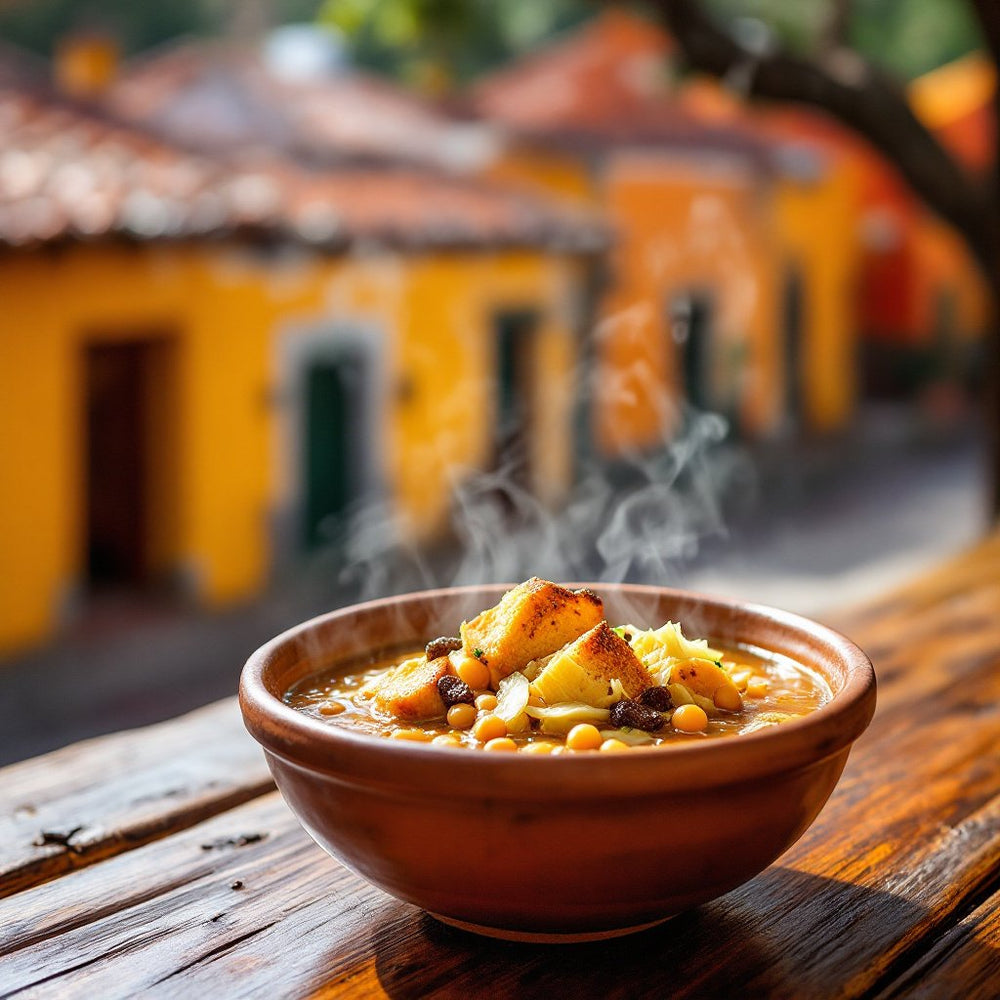
Steam rises from a clay bowl of rich, golden caldo de res, its hearty broth shimmering with tender chickpeas and crispy bread floating on top. Served on a weathered wooden table against the cobblestone streets of San Cristóbal, this warming bowl captures the soul of Chiapas highlands cuisine perfectly.
Credits: THE PAINTED PASSPORT
Local cuisine study in San Cristobal de las Casas, Mexico

☕︎ Local Flavor

TierrAdentro

Rating: 5* | Price: $$$ | Coordinates: 16.7378° N, 92.6388° W

TierrAdentro is a celebrated cultural cafe and restaurant that nourishes both body and soul with deeply rooted Chiapas cuisine. The menu champions indigenous ingredients like black beans, chepiche herb, and highland corn prepared with genuine reverence and creativity. Dining here amid rotating local art exhibitions and live marimba music feels like the true heartbeat of San Cristóbal's creative spirit.

View Entry Details

El Secreto

Rating: 5* | Price: $$$$ | Coordinates: 16.7362° N, 92.6371° W

El Secreto earns its name with a discreet entrance that opens into one of the most refined dining rooms in all of Chiapas. Chef-driven tasting menus showcase regional ingredients elevated through classical technique, with dishes like mole negro with local duck that linger in memory long after you leave. The curated mezcal and natural wine list pairs beautifully with every course on this exceptional culinary journey.

View Entry Details

Restaurante LUM

Rating: 5* | Price: $$$ | Coordinates: 16.7374° N, 92.6379° W

LUM, meaning 'earth' in Tzotzil Maya, is a soulful restaurant dedicated to preserving and celebrating the ancestral food traditions of Chiapas indigenous communities. Every dish tells a story, from tamales wrapped in banana leaf to warming pozol served in hand-painted clay bowls. The intimate atmosphere, soft candlelight, and passionate staff make dinner here one of the most meaningful meals you will have in Mexico.

View Entry Details

Mercado de Dulces y Artesanías Food Stalls

Rating: 4* | Price: $ | Coordinates: 16.7395° N, 92.6367° W

For the most authentic and affordable taste of San Cristóbal, the food stalls tucked inside this lively artisan market are absolutely unmissable. Local women serve steaming bowls of Chiapas-style tamales, sweet atole, and fresh tlayudas piled high with refried beans and local cheese. Eating shoulder-to-shoulder with market vendors and chatting locals is a joyful, grounding reminder of why slow travel is so deeply rewarding.

View Entry Details

🛌︎ Boutique Stays

Hotel Bo

Rating: 5* | Price: $$$$ | Coordinates: 16.7370° N, 92.6376° W

Hotel Bo is a stunning boutique property blending colonial architecture with contemporary Mexican design. Each room features handcrafted textiles and locally sourced wood furniture that tell a story of Chiapas craftsmanship. The rooftop terrace offers sweeping views of the cathedral and surrounding misty highlands, perfect for a morning coffee.

View Entry Details

Casa Mexicana

Rating: 4* | Price: $$$ | Coordinates: 16.7369° N, 92.6383° W

Casa Mexicana wraps guests in the warmth of a beautifully restored 17th-century colonial mansion just steps from the main square. Cobblestone courtyards filled with bougainvillea create an instantly romantic atmosphere that feels deeply authentic. The staff goes above and beyond, offering personal recommendations that lead you to hidden corners of this magical highland city.

View Entry Details

Parador San Juan de Dios

Rating: 4* | Price: $$ | Coordinates: 16.7391° N, 92.6401° W

This charming colonial guesthouse offers incredible value with rooms arranged around a peaceful garden courtyard fragrant with jasmine and herbs. Thick adobe walls keep the rooms naturally cool even as highland rains tap gently on the terracotta roof tiles. Waking up here to the sound of church bells drifting through the cool morning air is a genuinely special San Cristóbal experience.

View Entry Details

The Rainforest Lodge Bacalar Annexe San Cristobal

Rating: 4* | Price: $$$ | Coordinates: 16.7355° N, 92.6412° W

Nestled on a quiet cobblestone lane, this intimate lodge combines rustic highland charm with thoughtful modern comforts for a truly restorative stay. Fireplaces in select rooms make evenings wonderfully cozy against the cool mountain air that rolls through San Cristóbal after sunset. The knowledgeable owners are passionate about sustainable tourism and will happily guide you toward responsible Chiapas adventures.

View Entry Details

📍︎ Field Study

Catedral de San Cristóbal de las Casas

Rating: 5* | Price: Free | Coordinates: 16.7371° N, 92.6381° W

The golden facade of this 16th-century cathedral dominates the central plaza and radiates a quiet, commanding beauty that draws visitors back again and again. Inside, the ornate baroque altarpieces and flickering candle offerings left by Tzotzil Maya devotees create a uniquely layered spiritual atmosphere unlike anywhere else in Mexico. Arriving at dusk when the stone glows amber in the fading light is an experience that will stay with you forever.

View Entry Details

Templo de Santo Domingo de Guzmán

Rating: 5* | Price: Free | Coordinates: 16.7398° N, 92.6384° W

This breathtaking pink baroque church is arguably the most visually spectacular building in all of Chiapas, with an intricately carved facade that seems almost impossibly detailed up close. The adjacent indoor textile market is run by indigenous Tzotzil cooperatives selling hand-woven huipiles, table runners, and embroidered goods of extraordinary quality and color. Spending a morning here, moving between the sacred and the artisanal, captures the layered soul of San Cristóbal beautifully.

View Entry Details

Museo Na Bolom

Rating: 4* | Price: $ | Coordinates: 16.7412° N, 92.6355° W

Na Bolom is a remarkable living museum and cultural center founded by Swiss anthropologist Frans Blom and photographer Gertrude Duby, who devoted their lives to documenting and protecting the Lacandon Maya. The library, photo archives, and research garden offer a quietly profound window into one of Mexico's most isolated and fascinating indigenous cultures. Guided tours led by knowledgeable staff bring the Bloms' extraordinary legacy to life in a way that is genuinely moving and intellectually rich.

View Entry Details

Cañón del Sumidero

Rating: 5* | Price: $$ | Coordinates: 16.8503° N, 93.0779° W

A day trip from San Cristóbal to this dramatic canyon is an absolute must, where sheer limestone walls rise over 1,000 meters above the churning Grijalva River below. Boat tours glide past cascading waterfalls, spider monkey colonies, and enormous colonies of herons and cormorants nesting in the canyon walls. The scale and raw natural power of Sumidero is genuinely humbling, offering a thrilling contrast to the gentle colonial streets of the highland city.

View Entry Details

Typography

Archival Note: A formal technical study of San Cristobal de las Casas, Mexico—archiving the coordinates, elevation, and environmental data that define the region. This data serves as a vital record for our ongoing global field study, allowing us to reconstruct the regional atmosphere with archival precision before our physical arrival.

Botanical and pigment specimen study for San Cristobal de las Casas, Mexico Colors of San Cristobal de las Casas, Mexico
Coordinates
16.7370° N, 92.6376° W — Historic center of San Cristobal de las Casas, Chiapas, Mexico
Historical Epoch
Founded by Spanish colonists in 1528 on land long inhabited by the Tzotzil Maya, San Cristobal served as the colonial capital of Chiapas for centuries. It rose to global attention again in 1994 when the Zapatista uprising began here, reshaping conversations about indigenous rights across Mexico.
Elevation
2,116-2,200 m / 6,942-7,218 ft - Highland basin surrounded by pine and oak forest in the Central Highlands of Chiapas
Atmosphere
Cwb - Subtropical Highland / Temperate Oceanic. Mild and fresh year-round, with cool nights even in summer, frequent afternoon mist, and a genuine rainy season from May through October.
Observation Hour
07:15 - Morning light in the highlands is cool and low-angled, turning colonial plaster into luminous gold and deep shadow. By 07:30 the cathedral facade is fully lit with a warmth that lasts barely an hour before the light flattens.
Primary Pigment
Colonial Saffron (#E8A030) and Chiapas Cobalt (#3B5F9E)
Best Time to Visit
November through February - dry, cool, and clear with excellent light, fewer crowds than peak holiday weeks, and the most comfortable conditions for walking the cobblestones.
Avoid Visiting
June through August - peak rainy season brings daily afternoon downpours, muddy roads to outlying villages, and reduced visibility in the surrounding hills.

The Local Tongue

Language is the invisible architecture of San Cristobal de las Casas, Mexico. These entries document the regional vocabulary—capturing the "texture" of local speech that standard translations often miss. Hand-curated expressions reflecting the specific spirit and daily rhythm of the region.
Archival study of Spanish cultural texture

via / Pexels Fer

Primary Language Spanish
Regional Dialect Mexican Spanish, with significant Tzotzil and Tzeltal Maya spoken in surrounding communities and markets

Pozol

Pozol is a traditional drink made from fermented corn dough and cacao, consumed cold and often carried in gourds to the market. In the Chiapas highlands it has been a daily staple for centuries, and sipping it on a cool morning beside the Mercado de Dulces connects a visitor directly to pre-Columbian foodways still very much alive.

Huipil

Huipil refers to the hand-woven tunic worn by indigenous Maya women, each village producing its own distinct patterns, colours, and symbols that carry encoded information about identity and community. In San Cristobal, seeing a woman in a Tzotzil huipil from Zinacantan - all magenta flowers on black wool - is to witness a living textile archive more eloquent than any museum label.

Bats'i k'op

Bats'i k'op means 'true language' or 'real word' in Tzotzil, and it is what the Tzotzil Maya call their own tongue - a quiet assertion of cultural primacy in a city where that identity has long had to defend itself. Hearing it spoken between vendors at the Santo Domingo textile market, rapid and musical, reminds any visitor that Spanish is the second language here, not the first.

Wait! before you go...

Before you head over to San Cristobal de las Casas, Mexico, we’ve audited the essential data points for this corner of the world. These notes cover the logistics—from currency ratios to transit hubs—to help you navigate the landscape with clarity.
🚲 Getting Around Colectivos - shared minivans - are the primary way to move around the city and reach nearby villages, cheap and frequent but requiring some patience. Within the centro historico most everything is walkable, and the flat grid of the central streets makes exploring on foot entirely straightforward.
⚖️ Cash or Card Cash is strongly preferred in San Cristobal, particularly at markets, street food stalls, colectivos, and smaller family-run restaurants where cards are rarely accepted. Larger hotels and a handful of centro restaurants take cards, but carrying a good supply of pesos at all times makes daily life considerably smoother.
☁️ Good to Know Photography of indigenous people, especially Tzotzil and Tzeltal Maya women in traditional dress, requires explicit permission and is considered deeply disrespectful without it - this is not a suggestion but a genuine cultural boundary. In several surrounding villages including San Juan Chamula, photography inside the church is strictly forbidden and visitors have been asked to leave for violating this.
🏧 ATMs ATMs are available in the historic center, with several clustered near the main plaza and along Real de Guadalupe, though machines can run out of cash on weekends and during festivals. Using bank-affiliated ATMs rather than standalone machines is advisable, and withdrawing larger amounts less frequently reduces fees and exposure.
💳 Currency The Mexican Peso (MXN) is the only currency in practical circulation, and US dollars are not routinely accepted outside of a few larger hotels. Prices in the centro are reasonable by international standards, though the artisan markets reward those who understand that fair prices reflect skilled labor, not a negotiation sport.
🔌 Plugs Mexico uses Type A and Type B outlets at 127V, 60Hz. Most North American plugs fit without an adapter, though European and Australian visitors will need a converter.
🛡️ Safety The historic center of San Cristobal is generally safe and well-traveled, with a strong tourist presence and attentive local community. Travelers should exercise standard urban caution after dark, avoid displaying expensive equipment conspicuously, and check current conditions before visiting outlying areas, as road situations in Chiapas can shift.
✈️ Airports The nearest commercial airport is Angel Albino Corzo International Airport in Tuxtla Gutierrez, approximately 85 kilometres from San Cristobal and served by domestic flights from Mexico City, Monterrey, and a few other hubs. Colectivos and shared shuttles run the highland road regularly, a journey of roughly 80 minutes with mountain scenery that is itself worth the trip.

Behind The Scenes

Nathan

Note from the Founder

Hey, did you know this fun fact about San Cristobal de las Casas, Mexico? San Cristobal sits higher than Mexico City. Its altitude of over 2,100 metres means temperatures drop sharply after sunset even in midsummer, and a warm layer is essential year-round. The pine forest air at dawn is noticeably thin and extraordinarily clean.
Thank you for exploring the San Cristobal de las Casas, Mexico series with us. We hope these notes have inspired you to add this incredible destination to your own passport—we are so glad you're here. — Nathan

Some of our Favorites