Shop the Collection

To help you build your own global archive, we've prepared this collection of watercolor studies from our research into Ronda, Spain. These artifacts are designed to bring the stillness of this corner of the world into your home.

Original Series Decorative Magnet

A personal study of Ronda, Spain, captured in high-fidelity watercolor and prepared for your collection.

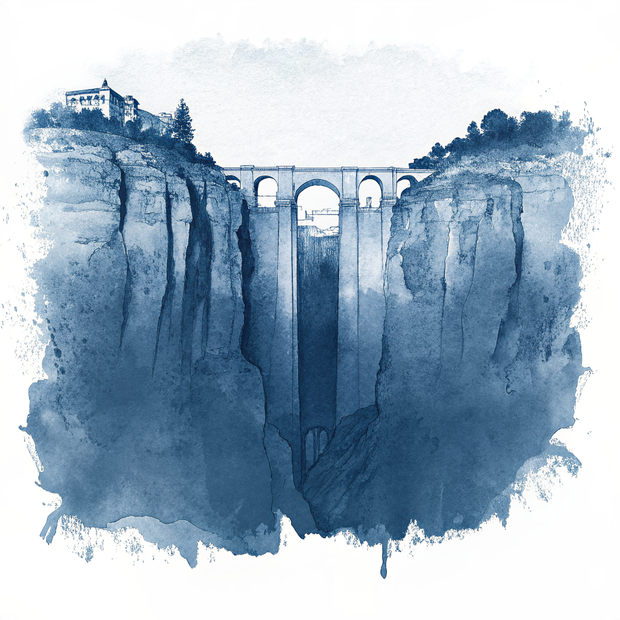
Ronda, Spain | Puente Nuevo Bridge Gorge | Original Series Decorative Magnet
Add to Collection / $18
Exclusive Series Artifact

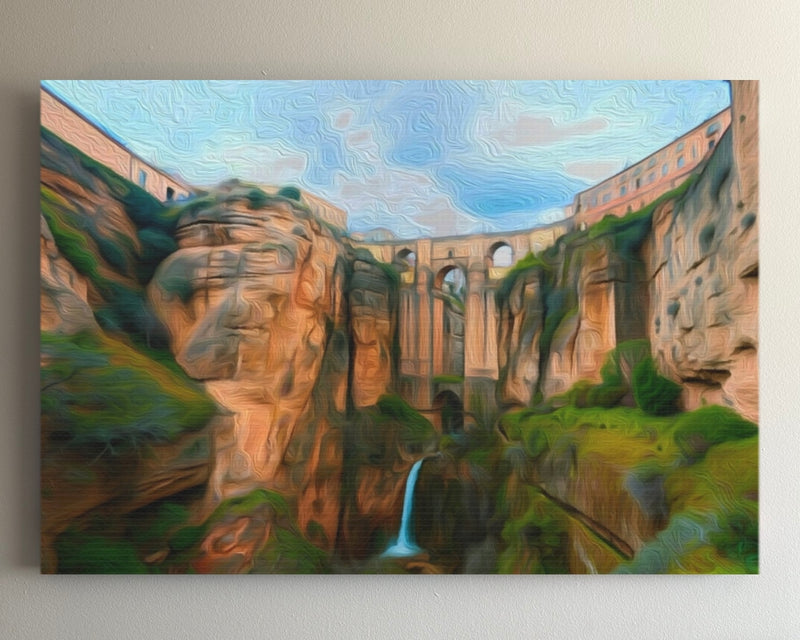
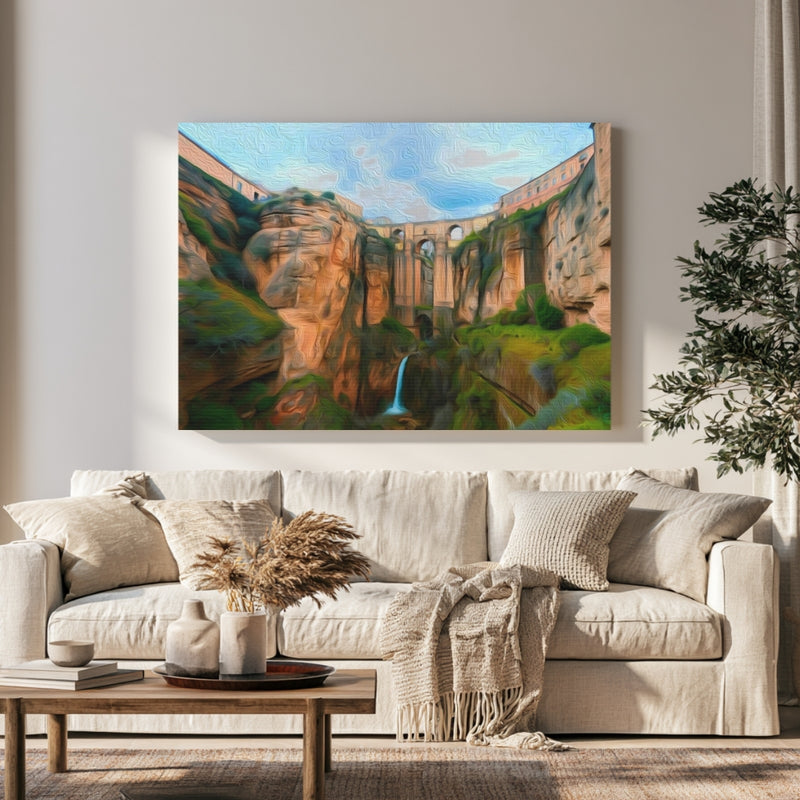
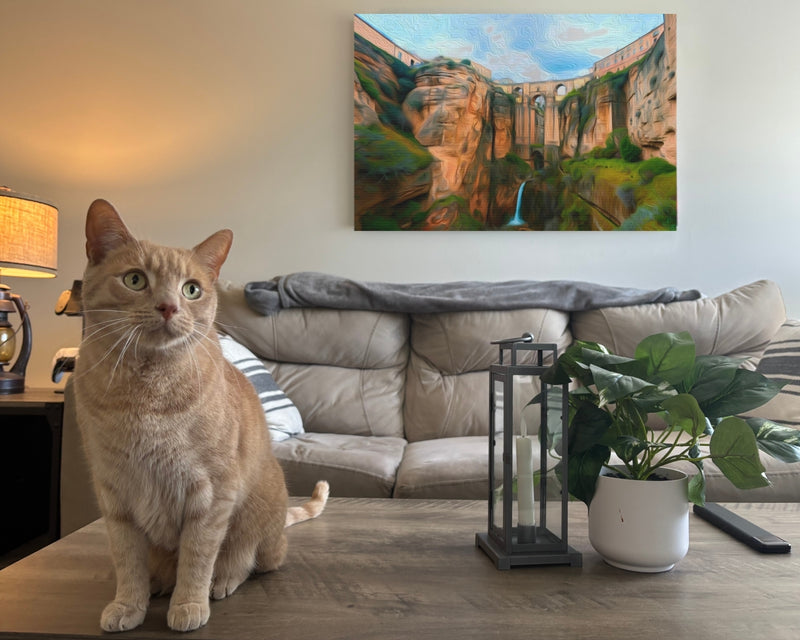
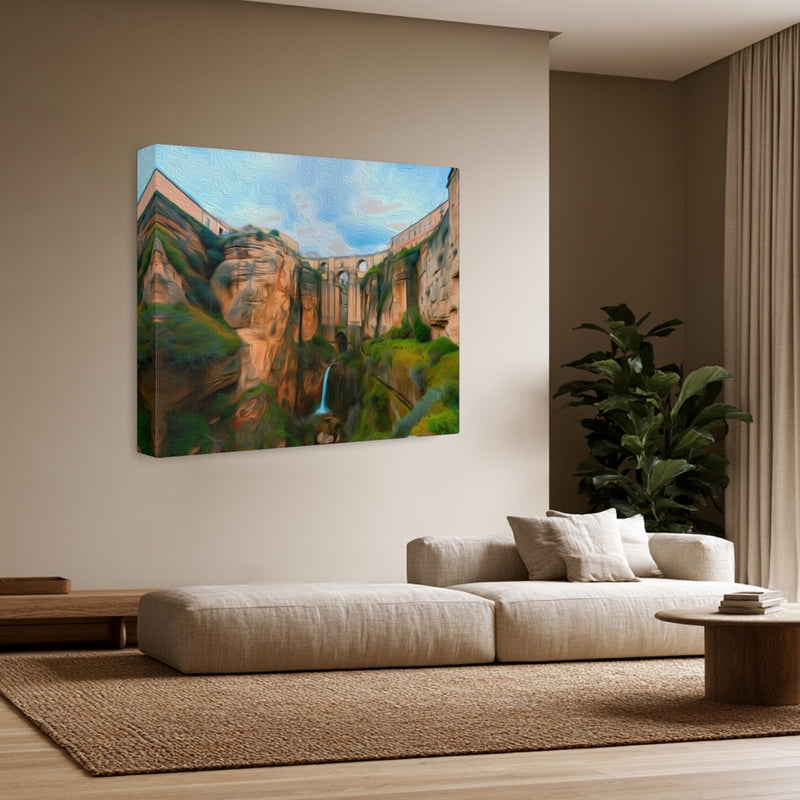
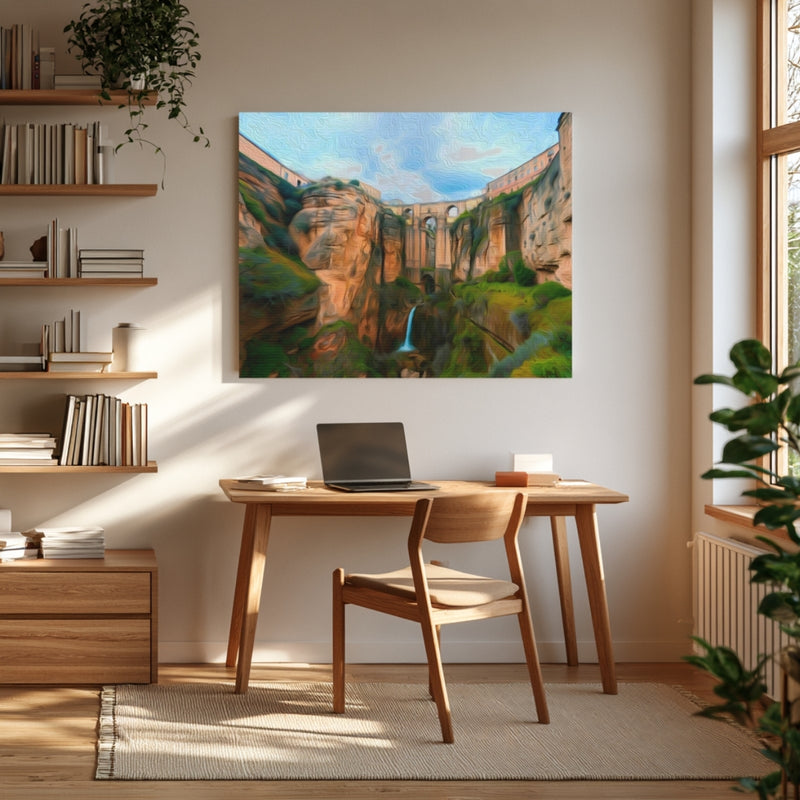
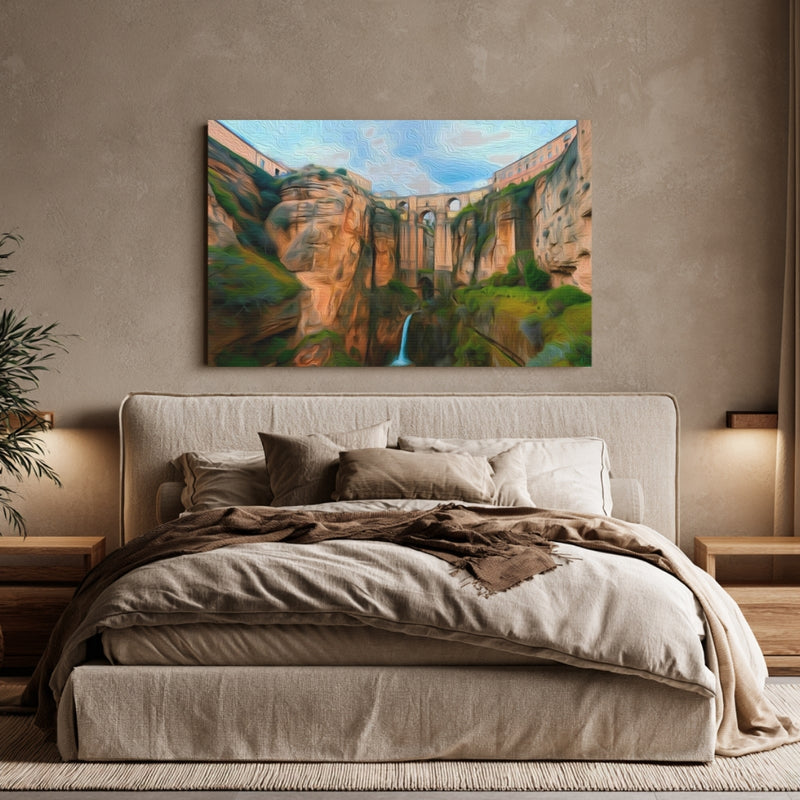
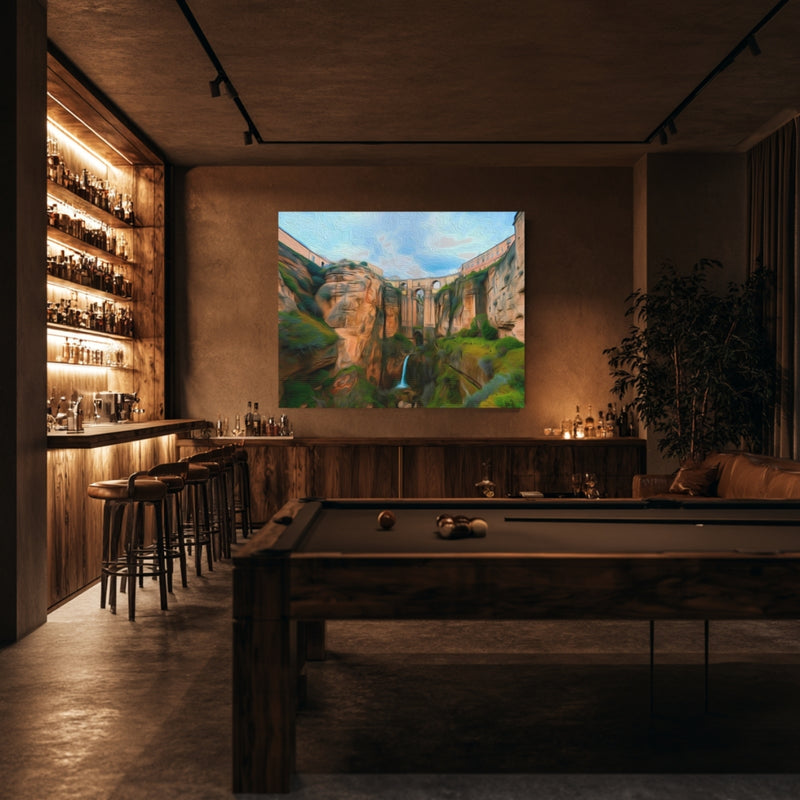
Original Series Gallery Canvas

This high-fidelity canvas is a beautiful way to anchor a room and keep your memories of Ronda, Spain fresh long after you've returned home.

Ronda, Spain | Puente Nuevo Bridge Gorge | Original Series Gallery Canvas detail Ronda, Spain | Puente Nuevo Bridge Gorge | Original Series Gallery Canvas detail Ronda, Spain | Puente Nuevo Bridge Gorge | Original Series Gallery Canvas detail Ronda, Spain | Puente Nuevo Bridge Gorge | Original Series Gallery Canvas detail
Add to Collection / $65

Original Series Hardboard Coaster

A personal study of Ronda, Spain, captured in high-fidelity watercolor and prepared for your collection.

Ronda, Spain | Puente Nuevo Bridge Gorge | Original Series Hardboard Coaster
Add to Collection / $18
Exclusive Series Artifact

The Spirit of the Land

Archival Note: A curated field study of Ronda, Spain, prioritizing the specific atmospheric stillness of the region. These artifacts have been meticulously sourced from our global archival partners to represent the area's unique cultural frequency and environmental character. This selection serves as a formal observation for our ongoing global archive, vetted for its visual accuracy and archival merit.

Ronda, Spain study No. 01
Ronda, Spain / 01 VIA / Alex
The historic buildings of Ronda cling to the cliff's edge under a heavy sky, their white and ochre facades catching what diffused light breaks through the clouds. Below, a curved stone pathway winds through the gorge, bordered by low walls and patches of green vegetation that soften the ancient rock face. The scene captures that particular quality of late afternoon in southern Spain, where dramatic geography meets centuries of human habitation, all rendered in muted earth tones and silvery light.
Ronda, Spain study No. 02
Ronda, Spain / 02 VIA / Jordi Navarro
Storm clouds gather above the whitewashed buildings of Ronda, casting a muted, silvery light across the ancient gorge. The town sits suspended between drama and stillness, its clustered houses perched at the cliff's edge while golden plains stretch toward distant mountains. Standing here, one would feel the particular quiet that comes before rain, when the air grows heavy and the usual sounds seem to retreat.
Ronda, Spain study No. 03
Ronda, Spain / 03 VIA / Angelika Paduch
The sandy arena floor holds the same warm ochre tone as the limestone columns rising in their curved gallery above, creating an almost monochromatic harmony broken only by the deep blue Spanish sky. White decorative panels ring the barrier wall at ground level, their repetitive scalloped pattern providing a quiet geometric rhythm that contrasts with the organic weathering visible on the stone. A few visitors in the far right corner appear almost incidental to the architecture's commanding presence.

Where to wander

Archival Note: A curated field study of Ronda, Spain, prioritizing cultural relevance and archival merit. While we haven't touched down here yet, we’ve meticulously vetted these locations through our global network of contributors to ensure they represent the most authentic atmosphere for your own expedition.

Local Cuisine Spotlight
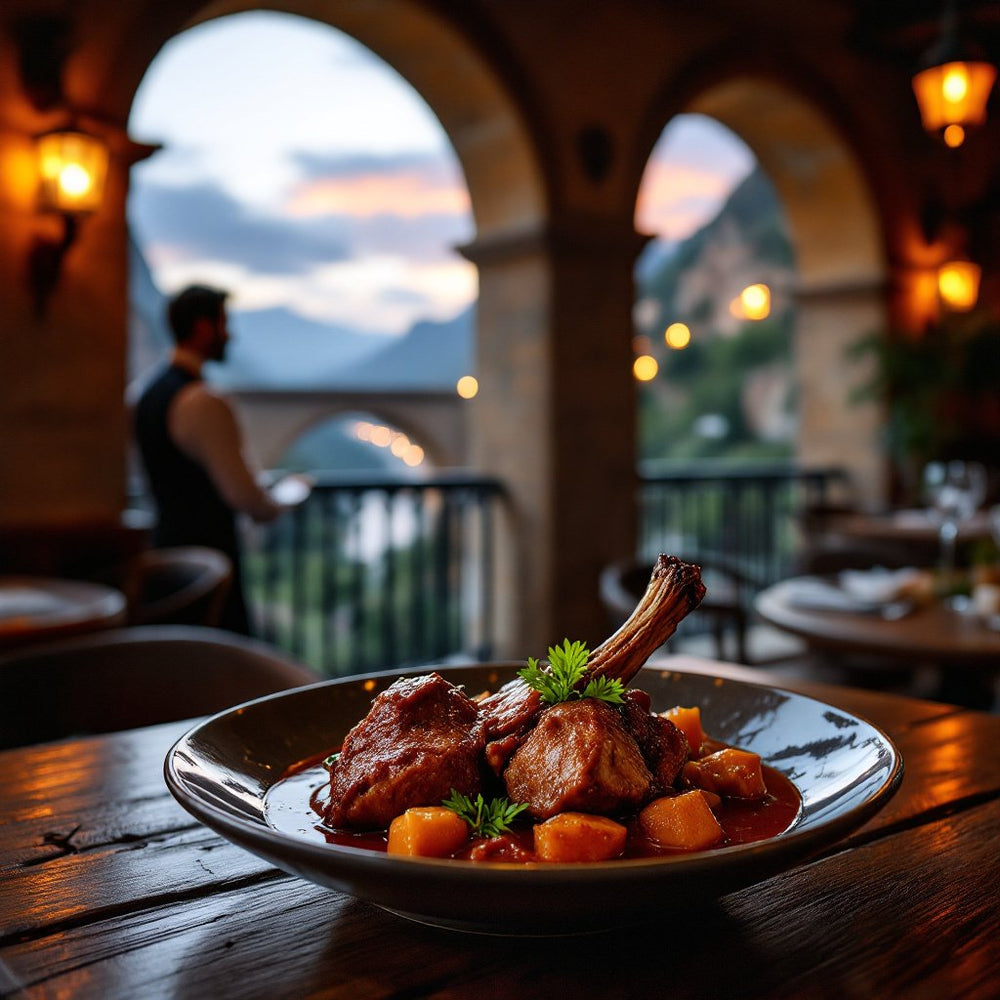
Slow-braised lamb shank emerges tender and glossy, its meat falling from the bone after hours in a rich wine-based sauce. Golden root vegetables soak up the deep, savory reduction while fresh parsley adds a bright note. This traditional Andalusian preparation showcases Ronda's commitment to unhurried cooking methods passed through generations.
Credits: Nathan S
Local cuisine study in Ronda, Spain

☕︎ Local Flavor

Bardal

Rating: 5* | Price: $$$ | Coordinates: 36.7413 N, 5.1638 W

Chef Benito Gómez earned his Michelin star by treating Serranía ingredients with the reverence they deserve—wild asparagus, mountain herbs, Payoyo goat cheese aged in nearby caves. The tasting menu reads like a love letter to the landscape visible through floor-to-ceiling windows. Service unfolds with quiet precision in a contemporary space that refuses to compete with the food or the gorge views.

View Entry Details

Tragata

Rating: 4* | Price: $$ | Coordinates: 36.7419 N, 5.1647 W

This modern tapas spot champions the new guard of Andalusian cooking while honoring grandmothers' recipes in the kitchen's DNA. The oxtail croquettes alone justify the trip, creamy and deep as the Tajo itself, paired with local wines from the Serranía. Young chefs work an open kitchen with infectious energy, explaining each dish's origin story when they deliver plates to your table.

View Entry Details

Casa María

Rating: 4* | Price: $ | Coordinates: 36.7398 N, 5.1642 W

Three generations of the same family have served rabo de toro at this no-frills dining room tucked behind the bullring since 1950. The photographs covering every wall chronicle Ronda's golden age of bullfighting when Ordóñez ruled the ring. Portions are generous enough to fuel a day of walking, prices remain stubbornly reasonable, and locals still claim the corner tables at lunch.

View Entry Details

Almocábar

Rating: 5* | Price: $$ | Coordinates: 36.7387 N, 5.1653 W

Chef Paco Jiménez transforms Moorish-era recipes using ingredients from his own garden and nearby farms, resulting in dishes that taste both ancient and immediate. The lamb with honey and almonds echoes Granada's Nasrid palaces, while seasonal game reflects the hunting traditions of these mountains. Dine in a restored Mudéjar house where original geometric tiles still pattern the floors after five centuries.

View Entry Details

🛌︎ Boutique Stays

Parador de Ronda

Rating: 5* | Price: $$$ | Coordinates: 36.7407 N, 5.1629 W

Perched directly on the rim of El Tajo gorge, this parador occupies the former town hall with views that make your heart stop mid-breath. The building whispers stories of bullfighters and poets who gathered here when Hemingway walked these halls. Wake to see griffon vultures riding thermals below your window, the Serranía mountains stretching toward Africa in the dawn light.

View Entry Details

Hotel Catalonia Reina Victoria

Rating: 4* | Price: $$ | Coordinates: 36.7425 N, 5.1651 W

Rilke wrote poetry in room 208 during his stay in 1912, and the hotel maintains a small museum honoring the German poet's connection to Ronda. British engineers who built the railway settled here in 1906, and that Belle Époque elegance persists in the sweeping gardens and ironwork balconies. The staff still serves afternoon tea with a formality that feels like traveling back to an unhurried century.

View Entry Details

Aire de Ronda Boutique Hotel

Rating: 5* | Price: $$$ | Coordinates: 36.7391 N, 5.1645 W

This restored 18th-century house in the historic quarter conceals just seven rooms, each named for a different Andalusian wind. Original frescoes peek through whitewashed walls, and the owner personally sources antiques from local estate sales to furnish the spaces. The rooftop terrace overlooks a tangle of Moorish gardens where jasmine overwhelms the senses on warm evenings.

View Entry Details

Finca La Guzmana

Rating: 4* | Price: $$ | Coordinates: 36.7156 N, 5.1892 W

Set among olive groves just outside town, this working organic farm offers rooms in a converted cortijo where the morning chorus of hoopoes replaces alarm clocks. The Swedish owners cultivate heritage vegetables and keep rescue donkeys that graze beneath centuries-old cork oaks. Breakfast includes eggs from their own chickens and bread baked in a wood-fired oven that has warmed this kitchen for two hundred years.

View Entry Details

📍︎ Field Study

Puente Nuevo & El Tajo Gorge

Rating: 5* | Price: $ | Coordinates: 36.7419 N, 5.1633 W

The New Bridge took forty-two years to build in the 18th century, and forty workers died during its construction—a fact that haunts its beauty. Standing 120 meters above the Guadalevín River, it stitches together Ronda's Moorish and Christian quarters across a geological rupture millions of years old. Visit at dawn when griffon vultures emerge from roosts in the cliff face, their wings catching light as the town still sleeps.

View Entry Details

Plaza de Toros de Ronda

Rating: 5* | Price: $$ | Coordinates: 36.7405 N, 5.1654 W

Built in 1785, this is the cathedral of Spanish bullfighting where the Romero dynasty formalized the rules of modern corrida. The sandy ring, framed by two tiers of Tuscan columns, seats five thousand beneath an Andalusian sky. Even if you oppose bullfighting, the museum documents an undeniable piece of Spanish identity—Goya sketches, embroidered trajes de luces, and the weight of tradition that still divides the nation.

View Entry Details

Baños Árabes

Rating: 4* | Price: $ | Coordinates: 36.7428 N, 5.1619 W

These 13th-century baths survived the Reconquista hidden beneath a private home, their horseshoe arches and star-shaped skylights perfectly preserved. Water once flowed from the Guadalevín through a sophisticated heating system that demonstrates Islamic engineering genius. The space maintains a cool, meditative silence, stones worn smooth by centuries of bathers who came here when Ronda was still part of the Nasrid kingdom.

View Entry Details

Casa del Rey Moro Gardens

Rating: 4* | Price: $ | Coordinates: 36.7412 N, 5.1651 W

The secret stairway carved into the gorge wall descends to the river through three hundred steps cut by Christian slaves during Moorish rule. Gardens designed by French landscape architect Jean-Claude Nicolas Forestier in 1912 cascade down the cliff in green terraces. The house itself whispers legends of the Moorish king who supposedly lived here, though historians confirm it was actually built much later by Spanish nobility drawn to romantic myths.

View Entry Details

Typography

Archival Note: A formal technical study of Ronda, Spain—archiving the coordinates, elevation, and environmental data that define the region. This data serves as a vital record for our ongoing global field study, allowing us to reconstruct the regional atmosphere with archival precision before our physical arrival.

Botanical and pigment specimen study for Ronda, Spain Colors of Ronda, Spain
Coordinates
36.7419° N, 5.1633° W — El Tajo Gorge, Andalusia
Historical Epoch
Ronda's history runs from Roman Arunda through eight centuries of Moorish rule, when scholars and poets gathered in its gardens. The Christian reconquest in 1485 brought Renaissance palaces, and the 18th century gave birth to modern bullfighting in Spain's oldest bullring.
Elevation
723–750 m / 2,372–2,461 ft — city center plateau spanning both sides of the gorge
Atmosphere
Csa - Hot-summer Mediterranean. Summers are fierce and dry, but Ronda's elevation brings cooler nights than the coast. Winters are mild enough for outdoor dining, though occasional snow dusts the surrounding peaks.
Observation Hour
18:30 - The golden hour ignites the Puente Nuevo's arches and sends amber light cascading down the gorge walls. The white buildings of the old town glow like lanterns, and every terrace offers views painted in honey and rose.
Primary Pigment
Limestone Gold (#F5E6D3) and Gorge Shadow (#6B5B4F)
Best Time to Visit
May or October - the wildflowers carpet the surrounding countryside, temperatures hover in the pleasant low twenties, and the morning light illuminates the gorge without the summer haze or August crowds.
Avoid Visiting
August - the heat climbs past 35 degrees, half the local restaurants close for vacation, and tour buses disgorge crowds that make photographing the bridge feel like a contact sport.

The Local Tongue

Language is the invisible architecture of Ronda, Spain. These entries document the regional vocabulary—capturing the "texture" of local speech that standard translations often miss. Hand-curated expressions reflecting the specific spirit and daily rhythm of the region.
Archival study of Spanish cultural texture

via / Sheila C

Primary Language Spanish
Regional Dialect Andalusian Spanish

Rondeño

Rondeño means 'of or from Ronda,' but it carries more weight than simple geography. It's a term of pride in a city that invented modern bullfighting and produced some of Andalusia's most celebrated bandits, artists, and craftsmen, spoken with the same reverence locals use when discussing their ancient bridge or centuries-old traditions.

Tajo

Tajo translates to 'cut' or 'gash,' and here it refers to the hundred-meter gorge that splits Ronda in two. The word is spoken dozens of times daily as visitors peer over railings into the abyss, where the Guadalevín River carved through limestone over millennia, creating the vertical canyon that defines every view and conversation in the city.

Serranía

Serranía means 'mountain range' and refers to the wild highlands surrounding Ronda, a landscape of white villages and cork forests. The word evokes the cool air that sweeps into town from the peaks, the hiking trails that wind through juniper and wild olive, and the sense that Ronda sits at the edge of something vast and untamed.

Wait! before you go...

Before you head over to Ronda, Spain, we’ve audited the essential data points for this corner of the world. These notes cover the logistics—from currency ratios to transit hubs—to help you navigate the landscape with clarity.
🚲 Getting Around Ronda is small enough to walk everywhere within the city center, though the hills can test your stamina. The local bus system is reliable for reaching outlying neighborhoods and the train station, but most visitors never need it since the main sights cluster around the gorge.
⚖️ Cash or Card Cards work in most restaurants and shops, but keep cash for the smaller tapas bars tucked into the old quarter. The municipal parking meters and some family-run businesses around the Arab baths still prefer coins, and market vendors selling local cheese or honey rarely have card readers.
☁️ Good to Know Don't rush straight to the Puente Nuevo viewpoint with the crowds. Walk down into the gorge itself via the path near the parador for a perspective few visitors discover, where you can see the bridge soaring overhead and hear the river far below, experiencing the true scale of what engineers accomplished two and a half centuries ago.
🏧 ATMs Cajeros from Unicaja, CaixaBank, and Sabadell line Calle Espinel, the main shopping street. Avoid the standalone ATMs near tourist sites that advertise 'no commission' but bury fees in poor exchange rates; stick with bank-affiliated machines and decline their currency conversion offer to get the best rate.
💳 Currency Spain uses the euro, and Ronda sits comfortably in the mid-range for Andalusian prices. A generous lunch menu del día runs 12-18 euros, a glass of local wine costs 2-3 euros, and admission to the bullring museum is 8 euros, making it easy to experience the city without draining your wallet.
🔌 Plugs Type C and F plugs, 230V. Bring a European adapter if coming from outside the EU.
🛡️ Safety Ronda is exceptionally safe, with the main concern being crowded viewpoints where pickpockets occasionally work the distracted tourists photographing the bridge. Watch your footing on uneven cobblestones and near cliff edges, but otherwise this is a town where locals leave doors unlocked and children play freely in the plazas.
✈️ Airports Málaga Airport (AGP) sits 100 km away, about ninety minutes by direct bus or rental car. The bus from Málaga runs several times daily and costs around 15 euros, dropping you near the old town, while the scenic drive through white villages makes renting a car worthwhile if you plan to explore the Serranía.

Behind The Scenes

Nathan

Note from the Founder

Hey, did you know this fun fact about Ronda, Spain? Ronda's Puente Nuevo bridge conceals a room inside its central pillar that has served as a prison, a bar, and during the Civil War, allegedly a torture chamber. Today it houses a small museum about the bridge's construction, accessible by a rarely noticed doorway.
Thank you for exploring the Ronda, Spain series with us. We hope these notes have inspired you to add this incredible destination to your own passport—we are so glad you're here. — Nathan

Some of our Favorites