Shop the Collection

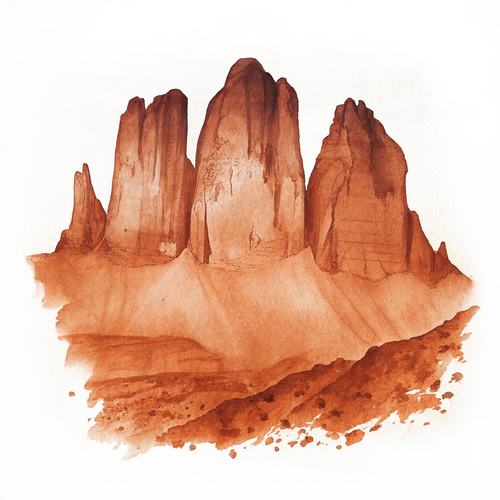
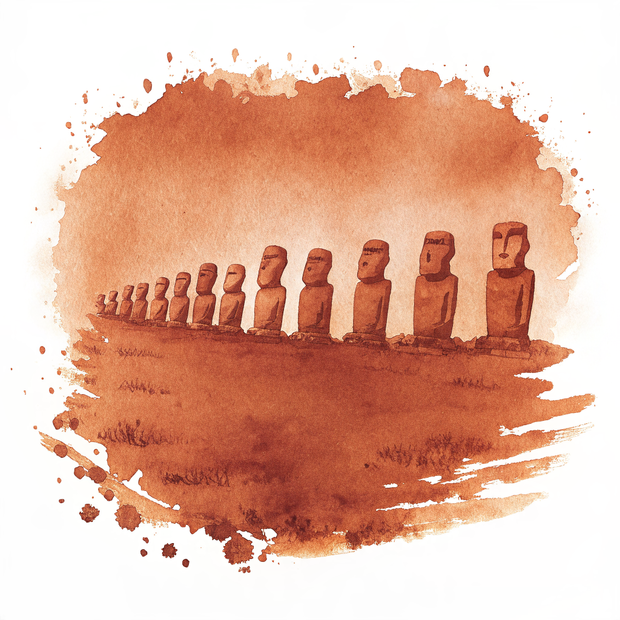
To help you build your own global archive, we've prepared this collection of watercolor studies from our research into Rapa Nui Moai, Chile. These artifacts are designed to bring the stillness of this corner of the world into your home.

Original Series Decorative Magnet

A personal study of Rapa Nui Moai, Chile, captured in high-fidelity watercolor and prepared for your collection.

Rapa Nui Moai, Chile | Ancient Moai Stone Sentinel | Original Series Decorative Magnet
Add to Collection / $18
Exclusive Series Artifact

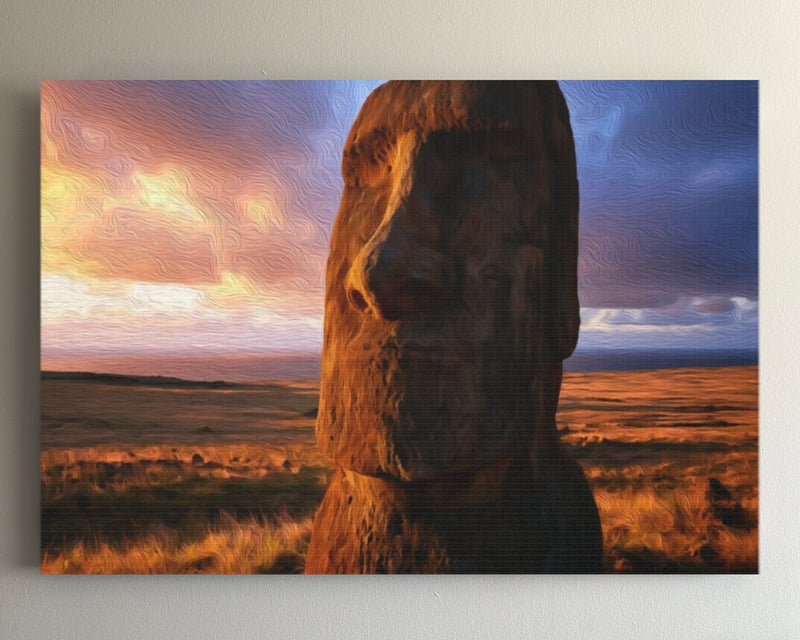
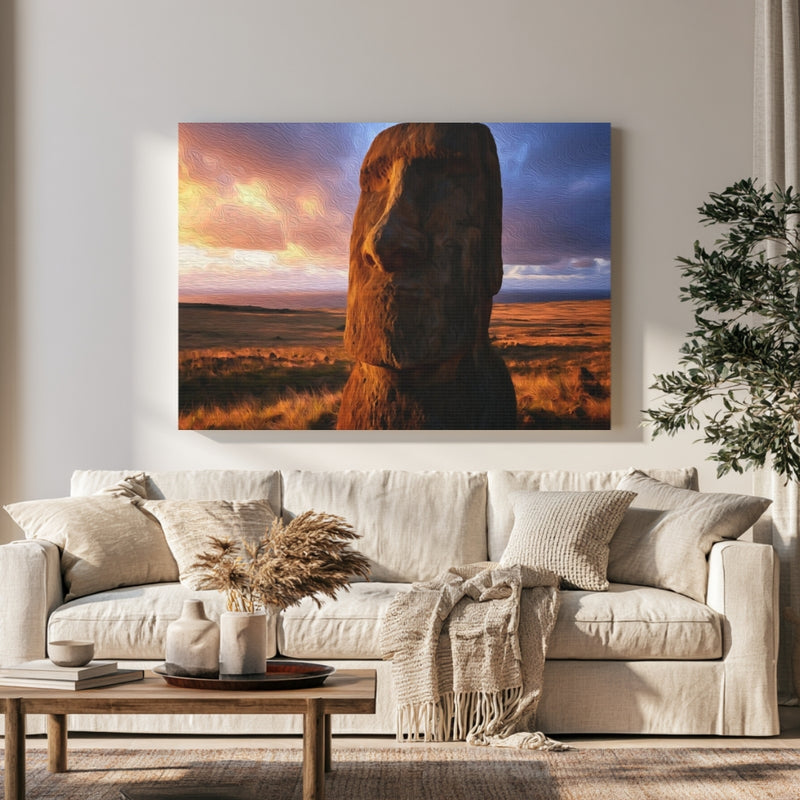
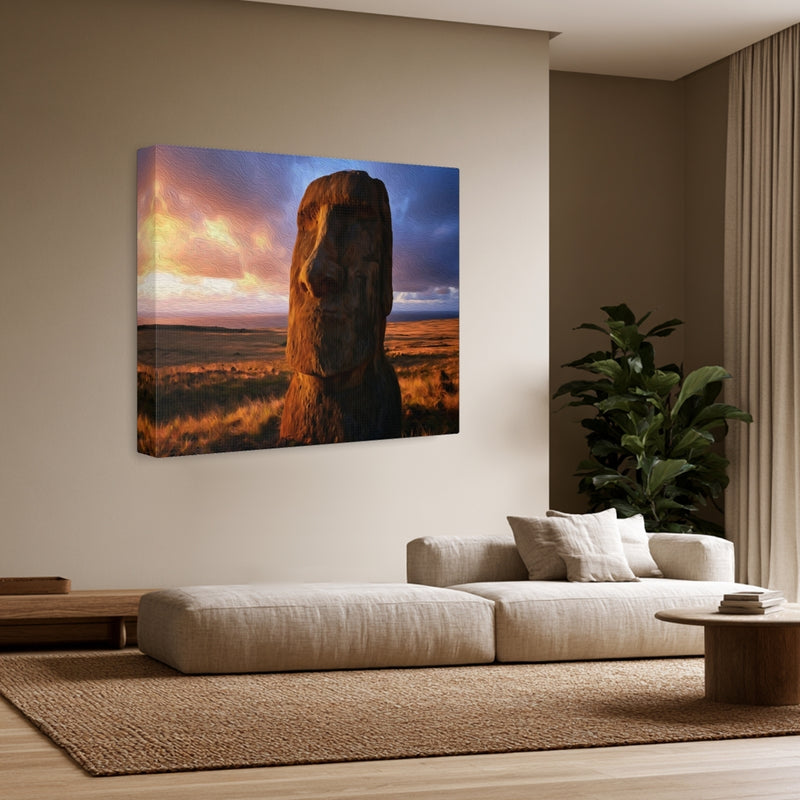
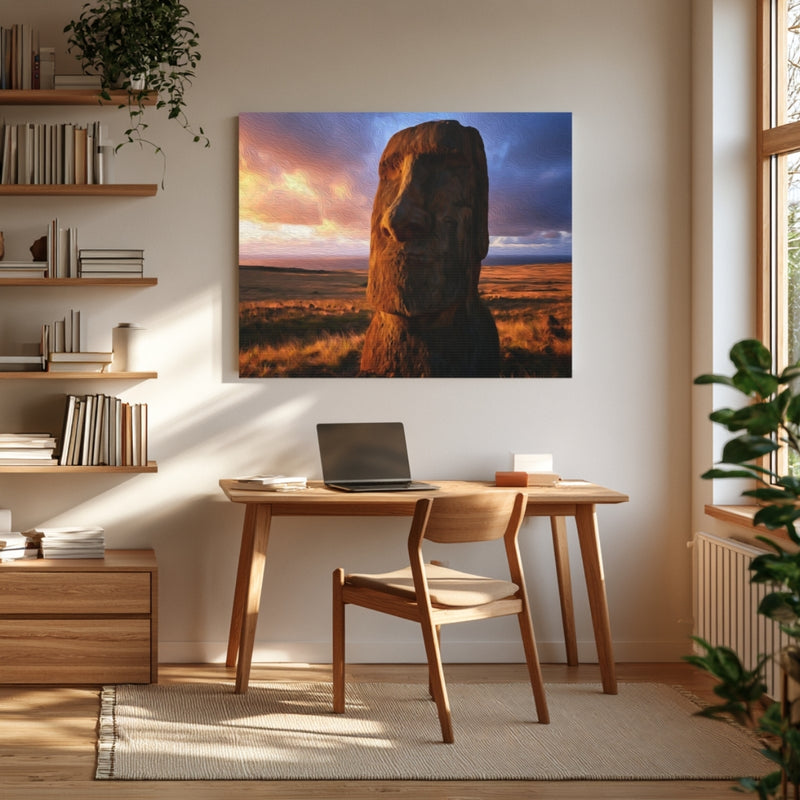
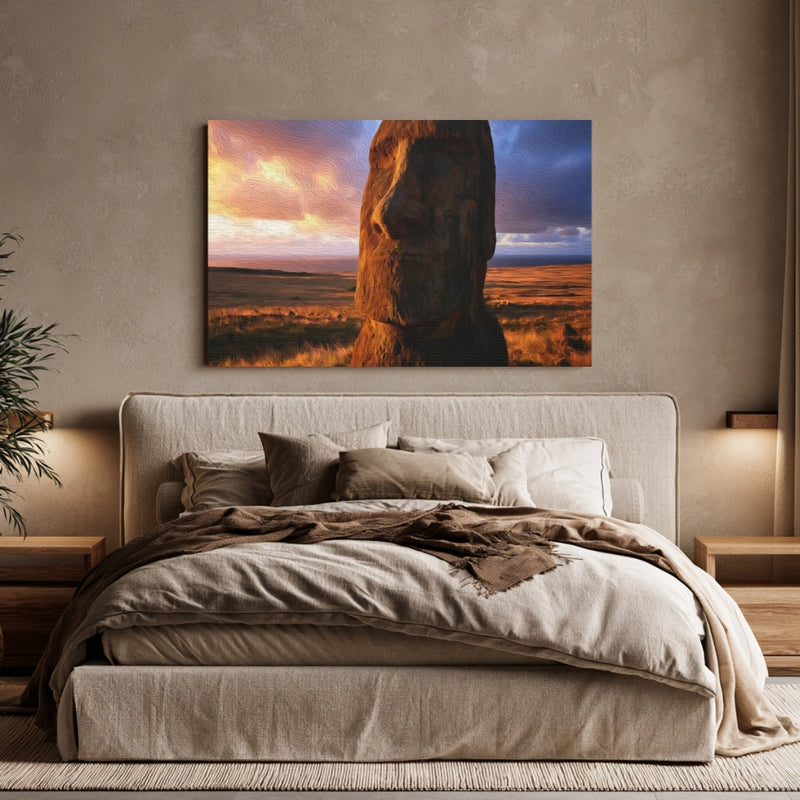
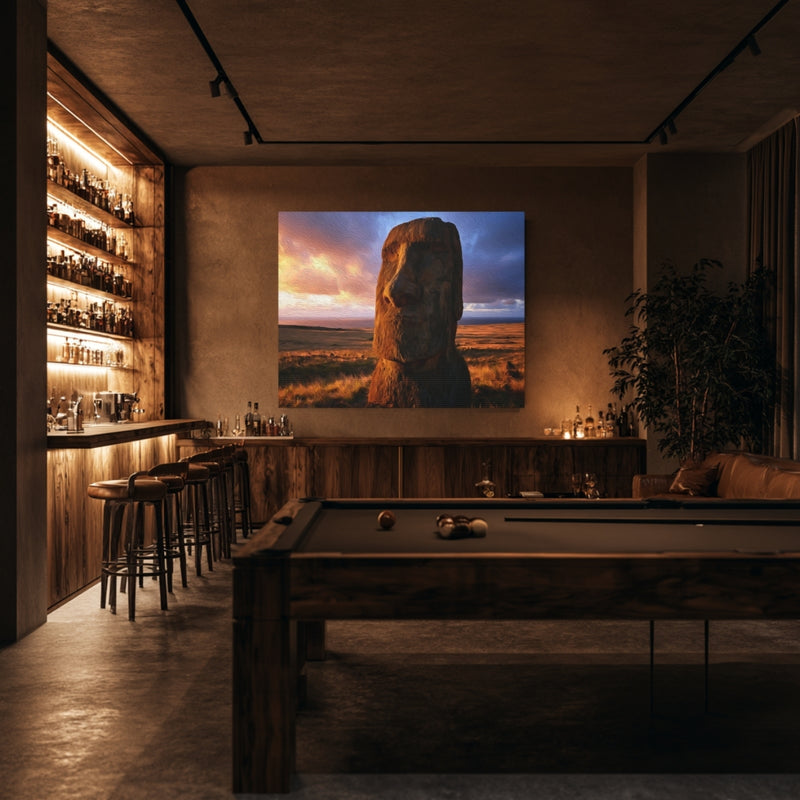
Original Series Gallery Canvas

This high-fidelity canvas is a beautiful way to anchor a room and keep your memories of Rapa Nui Moai, Chile fresh long after you've returned home.

Rapa Nui Moai, Chile | Ancient Moai Stone Sentinel | Original Series Gallery Canvas detail Rapa Nui Moai, Chile | Ancient Moai Stone Sentinel | Original Series Gallery Canvas detail Rapa Nui Moai, Chile | Ancient Moai Stone Sentinel | Original Series Gallery Canvas detail Rapa Nui Moai, Chile | Ancient Moai Stone Sentinel | Original Series Gallery Canvas detail
Add to Collection / $65

Original Series Hardboard Coaster

A personal study of Rapa Nui Moai, Chile, captured in high-fidelity watercolor and prepared for your collection.

Rapa Nui Moai, Chile | Ancient Moai Stone Sentinel | Original Series Hardboard Coaster
Add to Collection / $18
Exclusive Series Artifact

The Spirit of the Land

Archival Note: A curated field study of Rapa Nui Moai, Chile, prioritizing the specific atmospheric stillness of the region. These artifacts have been meticulously sourced from our global archival partners to represent the area's unique cultural frequency and environmental character. This selection serves as a formal observation for our ongoing global archive, vetted for its visual accuracy and archival merit.

Rapa Nui Moai, Chile study No. 01
Rapa Nui Moai, Chile / 01 VIA / Miguel Cuenca
A row of restored moai faces the open ocean, their ancient stone forms framed by a rustic basalt wall that has weathered centuries of Pacific winds. The soft, diffused light of an overcast day bathes the green volcanic landscape in cool tones, while the distant cliffs drop sharply to turquoise waters below. This moment captures the quiet dignity of these monuments, set against the raw beauty of Rapa Nui's rugged coastline.
Rapa Nui Moai, Chile study No. 02
Rapa Nui Moai, Chile / 02 VIA / Miguel Cuenca
These weathered moai rise solemnly from the verdant landscape, their distinctive red volcanic stone glowing warmly against the muted, overcast sky. The soft, diffused light emphasizes the texture and erosion of the ancient figures, creating a contemplative atmosphere that feels both timeless and melancholic. Standing among these scattered monuments, one would sense the profound isolation and mystery of this remote Pacific island, where stone giants watch silently over the windswept plateau.
Rapa Nui Moai, Chile study No. 03
Rapa Nui Moai, Chile / 03 VIA / Leo Pekaar
This striking cliff face showcases the distinctive hexagonal columnar basalt formations that are characteristic of Easter Island's volcanic geology. The vertical striations create a natural architectural pattern, while the earthy ochre and rust-colored soil at the base contrasts sharply with the gray stone pillars above. Few visitors notice how moss and lichen subtly dot the lower portions, indicating the harsh yet life-sustaining environment of this remote Pacific island.

Where to wander

Archival Note: A curated field study of Rapa Nui Moai, Chile, prioritizing cultural relevance and archival merit. These locations have been meticulously researched and vetted to ensure they represent the most authentic atmosphere for your own expedition.

Local Cuisine Spotlight
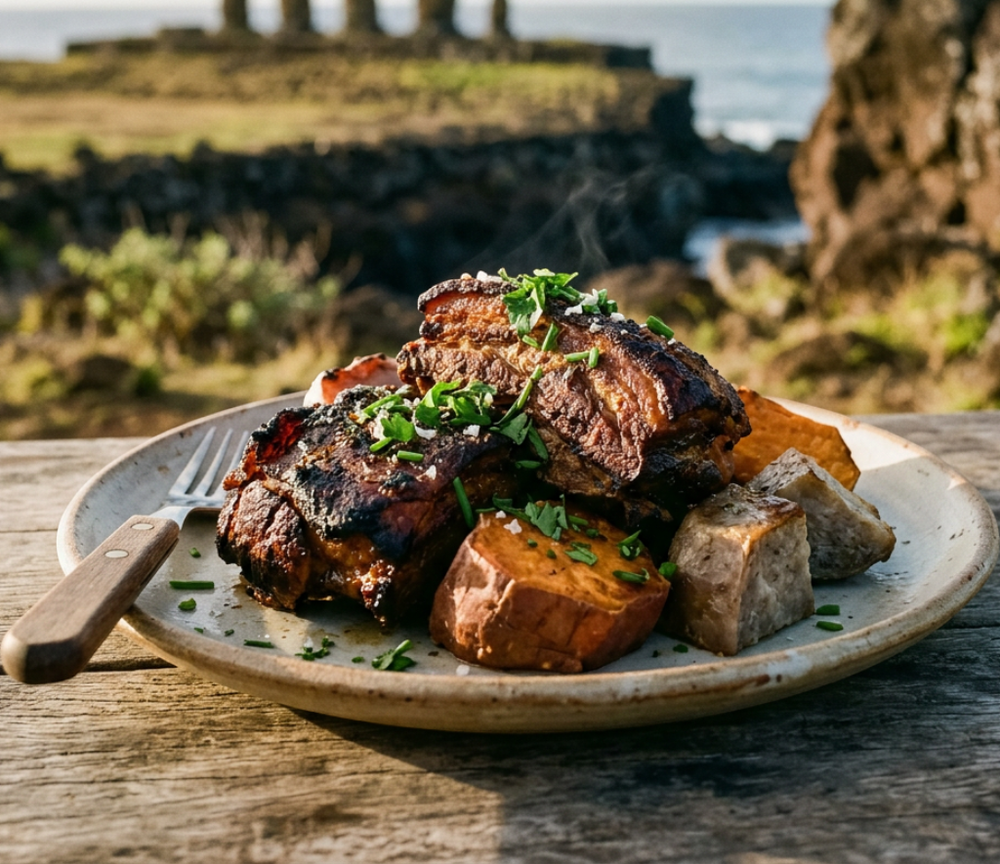
This succulent grilled steak boasts a deeply caramelized crust that gives way to tender, juicy meat within. Served with earthy roasted potatoes and finished with fresh chives, the dish captures the essence of Rapa Nui's hearty cuisine while the iconic moai statues and dramatic landscape create an unforgettable dining moment steeped in island heritage.
Credits: THE PAINTED PASSPORT
Local cuisine study in Rapa Nui Moai, Chile

☕︎ Local Flavor

La Kaleta Restaurant

Rating: 5* | Price: $$$ | Coordinates: -27.1501, -109.4412

Sitting right at the edge of the sea wall, La Kaleta serves freshly caught tuna and mahi-mahi prepared with Polynesian-inspired sauces that are absolutely unforgettable. The open-air setting lets ocean breezes accompany every bite, creating a truly special dining atmosphere. Arrive early for sunset seating because this beloved spot fills up quickly every evening.

View Entry Details

Kanahau Cafe

Rating: 4* | Price: $$ | Coordinates: -27.1478, -109.4388

This cozy cafe tucked into Hanga Roa's main street is the perfect morning stop for strong coffee and freshly baked empanadas stuffed with local tuna. The walls are decorated with photographs of traditional island ceremonies, giving the space a warm and culturally rich atmosphere. Staff members are friendly and often willing to recommend the best moai sites to visit that day.

View Entry Details

Tataku Vave

Rating: 4* | Price: $$$ | Coordinates: -27.1509, -109.4421

A seafood-forward restaurant beloved by locals and travelers alike for its generous portions of grilled lobster and ceviche made with ultra-fresh island fish. The thatched roof and wooden furniture give the space a relaxed, barefoot elegance that perfectly suits the island's laid-back spirit. Pair your meal with a cold Escudo beer and enjoy the lively conversations happening around you.

View Entry Details

Mikafé

Rating: 4* | Price: $ | Coordinates: -27.1482, -109.4372

Mikafé is a small and cheerful spot beloved for its hearty breakfast plates featuring eggs, tropical fruits, and warm bread baked fresh each morning. The owners source ingredients locally whenever possible, and the commitment to quality is evident in every simple, satisfying dish. It is the kind of place where you linger over a second coffee and feel completely at ease with the world.

View Entry Details

🛌︎ Boutique Stays

Explora Rapa Nui

Rating: 5* | Price: $$$$ | Coordinates: -27.1127, -109.3497

This stunning lodge sits on a hillside overlooking the Pacific, offering panoramic views that feel almost otherworldly. Each room is designed with natural wood and stone to reflect the island's rugged beauty. Guided excursions to the moai sites are included, making exploration both effortless and deeply enriching.

View Entry Details

Hotel Taha Tai

Rating: 4* | Price: $$$ | Coordinates: -27.1498, -109.4329

Perched near the shoreline in Hanga Roa, this welcoming hotel offers bungalow-style rooms surrounded by tropical gardens. The warm Rapa Nui hospitality from the local staff makes every guest feel genuinely at home. Sunsets viewed from the outdoor terrace here are among the most memorable on the entire island.

View Entry Details

Cabañas Christophe

Rating: 4* | Price: $$ | Coordinates: -27.1512, -109.4401

These charming self-catering cabins offer a cozy and intimate base for exploring Easter Island at your own pace. The property is lush with native plants and provides a peaceful retreat after long days visiting remote ceremonial platforms. Owners are incredibly knowledgeable about local history and happy to share their favorite hidden spots.

View Entry Details

Hare Noi Rapa Nui Guesthouse

Rating: 3* | Price: $ | Coordinates: -27.1489, -109.4356

A beloved budget-friendly guesthouse run by a multigenerational Rapa Nui family right in the heart of Hanga Roa. Rooms are simple but spotlessly clean, and the communal breakfast features fresh local fruit that sets the day off beautifully. The family shares stories and traditions with guests, giving stays a personal and authentic cultural depth.

View Entry Details

📍︎ Field Study

Ahu Tongariki

Rating: 5* | Price: Free | Coordinates: -27.1253, -109.2769

Ahu Tongariki is the largest ceremonial platform on Easter Island, featuring fifteen magnificent moai standing shoulder to shoulder against a backdrop of rolling green hills. Arriving at sunrise transforms the site into something almost spiritual, as golden light slowly illuminates each ancient stone face. This is without question the single most iconic and awe-inspiring location on all of Rapa Nui.

View Entry Details

Rano Raraku Quarry

Rating: 5* | Price: $$ | Coordinates: -27.1211, -109.2861

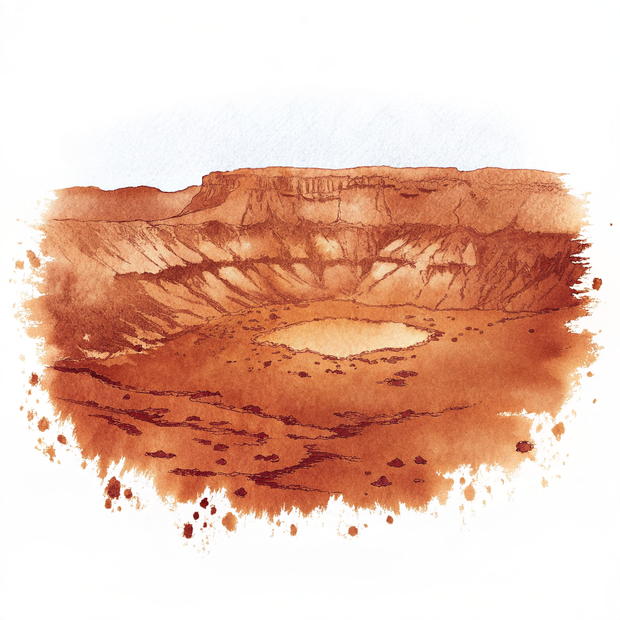
Known as the nursery of the moai, Rano Raraku is the volcanic crater where ancient sculptors carved nearly all of the island's famous statues directly from the rock. Walking among the hundreds of partially finished figures still embedded in the hillside is a genuinely humbling and mysterious experience. A small lagoon sits at the crater's center, adding a serene natural beauty to this extraordinary archaeological site.

View Entry Details

Anakena Beach

Rating: 5* | Price: Free | Coordinates: -27.0724, -109.3226

Anakena is the only white sand beach on Easter Island, framed by swaying palm trees and turquoise waters that feel impossibly perfect. Two restored ahu platforms stand nearby, allowing visitors to swim in paradise and then walk directly to significant moai without any additional travel. According to Rapa Nui oral tradition, this is where the island's first king Hotu Matu'a landed his canoe centuries ago.

View Entry Details

Orongo Ceremonial Village

Rating: 4* | Price: $$ | Coordinates: -27.1863, -109.4437

Orongo sits dramatically on the rim of the Rano Kau volcano, where an ancient birdman cult once held competitions to determine the island's annual leader. The restored stone houses cluster along the cliff edge with views down into the crater lake on one side and the vast open Pacific on the other. Petroglyphs carved into the rocks here depict the half-human half-frigate bird deity Makemake in vivid and compelling detail.

View Entry Details

Typography

Archival Note: A formal technical study of Rapa Nui Moai, Chile, archiving the coordinates, elevation, and environmental data that define the region. This data serves as a vital record for our ongoing global field study, providing the technical foundation behind every atmospheric detail captured in our visual work.

Botanical and pigment specimen study for Rapa Nui Moai, Chile Colors of Rapa Nui Moai, Chile
Coordinates
27.1127° S, 109.3497° W — Rapa Nui (Easter Island), Valparaiso Region, Chile, South Pacific Ocean
Historical Epoch
Polynesian settlers arrived around 300 to 900 CE and built one of the most isolated and remarkable civilisations on earth. The moai construction period peaked between 1100 and 1680 CE before a period of societal stress ended the tradition.
Elevation
0-507 m / 0-1,663 ft. The island ranges from sea level beaches to the summit of Maunga Terevaka, the highest point on the island and the rim of an ancient shield volcano.
Atmosphere
Cfb. Oceanic temperate. Mild and consistent year-round with regular rainfall and moderate humidity. The trade winds keep temperatures comfortable but conditions can shift quickly.
Observation Hour
06:30. The low eastern sun strikes the faces of the Ahu Tongariki moai directly at this hour, casting long shadows across the grass and warming the stone to a deep amber that no other time of day replicates.
Primary Pigment
Volcanic Ochre (#C4874A) and Pacific Indigo (#2E4E7E)
Best Time to Visit
September through November. Spring brings mild temperatures, lower crowds than summer, and clear skies ideal for photography at the archaeological sites.
Avoid Visiting
January through February. Peak summer season brings the largest crowds, the Tapati festival traffic, and the highest accommodation prices of the year.

The Local Tongue

Language is the invisible architecture of Rapa Nui Moai, Chile. These entries document the regional vocabulary—capturing the "texture" of local speech that standard translations often miss. Hand-curated expressions reflecting the specific spirit and daily rhythm of the region.
Archival study of Spanish cultural texture

via / Miguel Cuenca

Primary Language Spanish
Regional Dialect Rapa Nui (Rapanui language spoken alongside Spanish as a co-official language of the island)

Moai

Moai refers to the monolithic human figures carved from volcanic tuff, though the word more precisely means 'statue' or 'image' in the Rapanui language. Standing before one in the low morning light, the sheer scale of a single figure, often five meters or more tall, makes the collective achievement of carving nearly 900 of them feel almost impossible to hold in the mind.

Ahu

Ahu describes the ceremonial stone platforms upon which the moai were raised, serving as sacred burial sites and focal points of ancestor veneration. At Ahu Tongariki, the largest of these platforms, the row of fifteen restored figures creates a visual rhythm against the open sky that carries a ceremonial gravity even for a first-time visitor standing in silence at dawn.

Mana

Mana is a Polynesian concept denoting spiritual power, authority, and the vital force believed to reside in people, objects, and places of significance. On Rapa Nui, the moai were understood to embody the concentrated mana of ancestral chiefs, and the act of erecting them was believed to channel that protective energy directly into the community they faced.

Wait! before you go...

Before you head over to Rapa Nui Moai, Chile, we’ve audited the essential data points for this corner of the world. These notes cover the logistics—from currency ratios to transit hubs—to help you navigate the landscape with clarity.
🚲 Getting Around Rapa Nui has no public bus system. Most visitors hire a rental car, scooter, or join a guided tour to reach the major archaeological sites, which are spread across the island and not walkable from Hanga Roa. Taxis and local guides are available in the main town.
⚖️ Cash or Card Cash is highly recommended on Rapa Nui. While some larger hotels and restaurants accept cards, many smaller eateries, market vendors, and local operators are cash only. Visitors should arrive with enough Chilean pesos to cover several days, as ATM availability is limited and unreliable.
☁️ Good to Know Visitors are required to purchase a national park entry pass, which covers most of the major archaeological sites and must be shown on entry. Touching the moai is strictly prohibited, and the cultural significance of the sites deserves a respectful, quiet approach rather than a rushed photo stop.
🏧 ATMs There are only a small number of ATMs in Hanga Roa, the island's only town, and they are known to run out of cash during peak season or suffer connectivity outages. Withdrawing larger amounts when the machines are working is a practical strategy, and carrying a backup card from a different network is wise.
💳 Currency The official currency is the Chilean Peso (CLP). Prices on the island tend to run significantly higher than mainland Chile due to the cost of importing almost everything by air or sea. Budget accordingly, particularly for groceries, meals, and accommodation.
🔌 Plugs Chile uses Type C and Type L outlets at 220V and 50Hz. A universal travel adapter is recommended for visitors from North America or the UK.
🛡️ Safety Rapa Nui is generally a very safe destination with low crime. The most common concerns are practical ones such as sunburn on exposed coastal sites, unstable volcanic terrain near craters, and the strong ocean currents around the island coastline. Sensible precautions make for a comfortable visit.
✈️ Airports Mataveri International Airport (IPC) is the only airport on the island and one of the most remote commercial airports in the world. LATAM Airlines operates regular flights from Santiago, Chile, with some seasonal connections to Tahiti. Booking well in advance is strongly advised as capacity is limited.

Behind The Scenes

Nathan

Note from the Founder

Hey, did you know this fun fact about Rapa Nui Moai, Chile? Rapa Nui covers just 163 square kilometres yet holds nearly 900 moai, roughly 300 ahu platforms, and a UNESCO World Heritage designation covering most of the island's surface. The population of permanent residents is under 8,000.
Thank you for exploring the Rapa Nui Moai, Chile series with us. We hope these notes have inspired you to add this incredible destination to your own passport—we are so glad you're here. Nathan's signature

Some of our Favorites