Shop the Collection

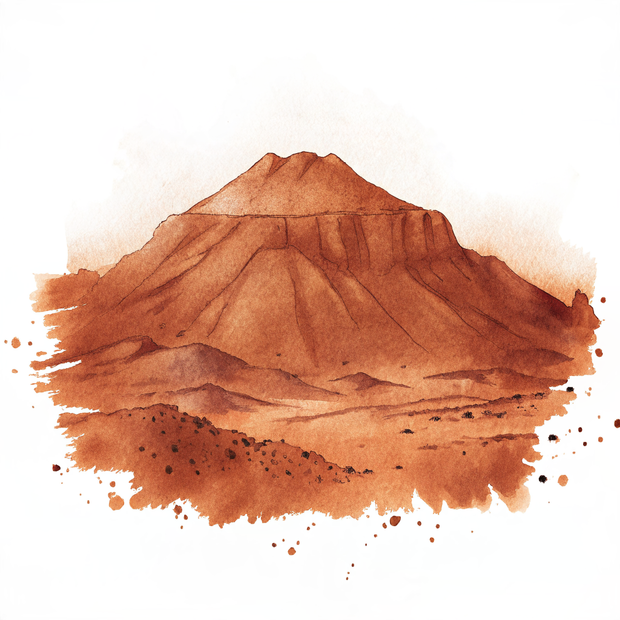
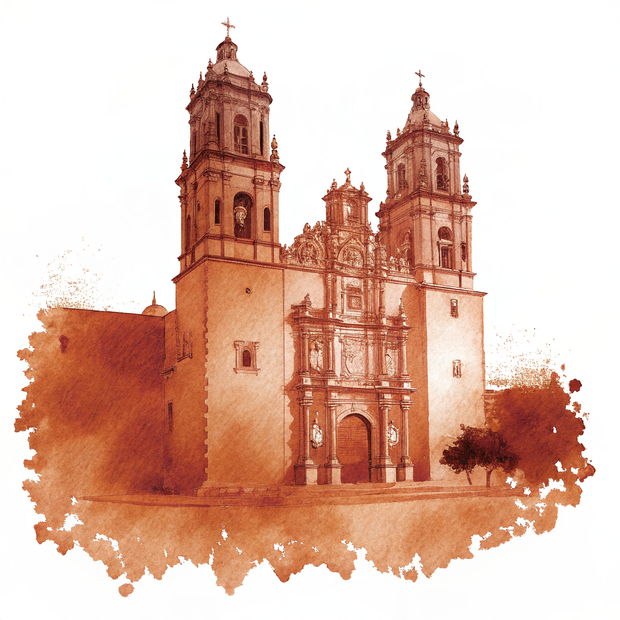
To help you build your own global archive, we've prepared this collection of watercolor studies from our research into Potosi, Bolivia. These artifacts are designed to bring the stillness of this corner of the world into your home.

Original Series Decorative Magnet

A personal study of Potosi, Bolivia, captured in high-fidelity watercolor and prepared for your collection.

Potosi, Bolivia | Andean Highland Desert Landscape | Original Series Decorative Magnet
Add to Collection / $18
Exclusive Series Artifact

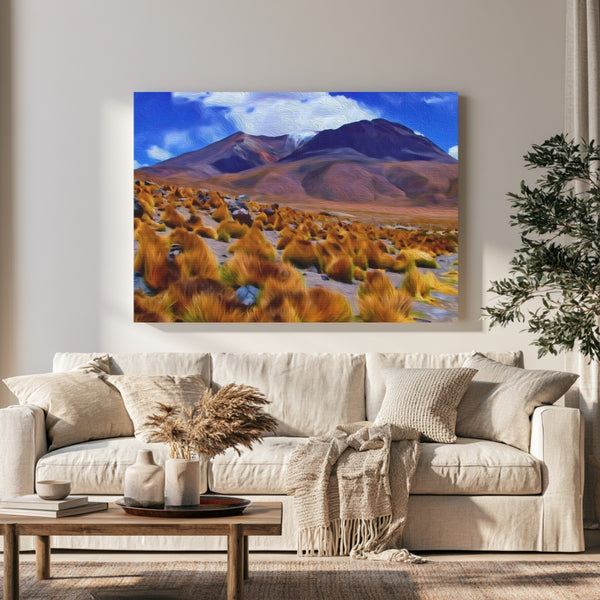
Original Series Gallery Canvas

This high-fidelity canvas is a beautiful way to anchor a room and keep your memories of Potosi, Bolivia fresh long after you've returned home.

Potosi, Bolivia | Andean Highland Desert Landscape | Original Series Gallery Canvas detail Potosi, Bolivia | Andean Highland Desert Landscape | Original Series Gallery Canvas detail Potosi, Bolivia | Andean Highland Desert Landscape | Original Series Gallery Canvas detail Potosi, Bolivia | Andean Highland Desert Landscape | Original Series Gallery Canvas detail
Add to Collection / $65

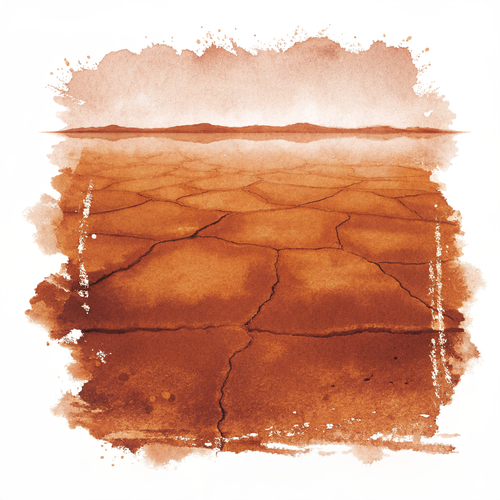
Original Series Hardboard Coaster

A personal study of Potosi, Bolivia, captured in high-fidelity watercolor and prepared for your collection.

Potosi, Bolivia | Andean Highland Desert Landscape | Original Series Hardboard Coaster
Add to Collection / $18
Exclusive Series Artifact

The Spirit of the Land

Archival Note: A curated field study of Potosi, Bolivia, prioritizing the specific atmospheric stillness of the region. These artifacts have been meticulously sourced from our global archival partners to represent the area's unique cultural frequency and environmental character. This selection serves as a formal observation for our ongoing global archive, vetted for its visual accuracy and archival merit.

Potosi, Bolivia study No. 01
Potosi, Bolivia / 01 VIA / Mike van Schoonderwalt
The afternoon sun bathes Potosi's hillside neighborhood in warm, golden light that emphasizes the rich terracotta tones of countless brick structures stacked tightly together. Clothes hang from windows and rooftops, laundry fluttering between buildings, while the hospedaje sign marks a modest lodging among the tangle of residential construction. This aerial view captures the raw, unplanned density of a working community where buildings seem to grow organically from the mountainside itself.
Potosi, Bolivia study No. 02
Potosi, Bolivia / 02 VIA / Misk'i Marie
The brilliant blue sky creates a striking contrast against the whitewashed and stone facade of this colonial church, casting sharp shadows that emphasize the architectural details. The clear, thin mountain air of Potosi bathes the scene in intense sunlight, creating a sense of serene emptiness in the plaza. Standing before this structure would evoke the weight of centuries, with the cool stone and quiet courtyard offering respite from the Andean altitude.
Potosi, Bolivia study No. 03
Potosi, Bolivia / 03 VIA / I Love Pixel
This photograph captures the interior of a silver mine in Potosi, where narrow-gauge railroad tracks disappear into the illuminated darkness of the mountain. The raw, weathered rock walls display layers of geological time, scarred by centuries of extraction work. The subtle detail of delicate roots hanging from the tunnel ceiling speaks to nature's persistence within this harsh industrial landscape, a quiet reminder that life persists even in the depths of one of the world's most demanding mining operations.

Where to wander

Archival Note: A curated field study of Potosi, Bolivia, prioritizing cultural relevance and archival merit. These locations have been meticulously researched and vetted to ensure they represent the most authentic atmosphere for your own expedition.

Local Cuisine Spotlight
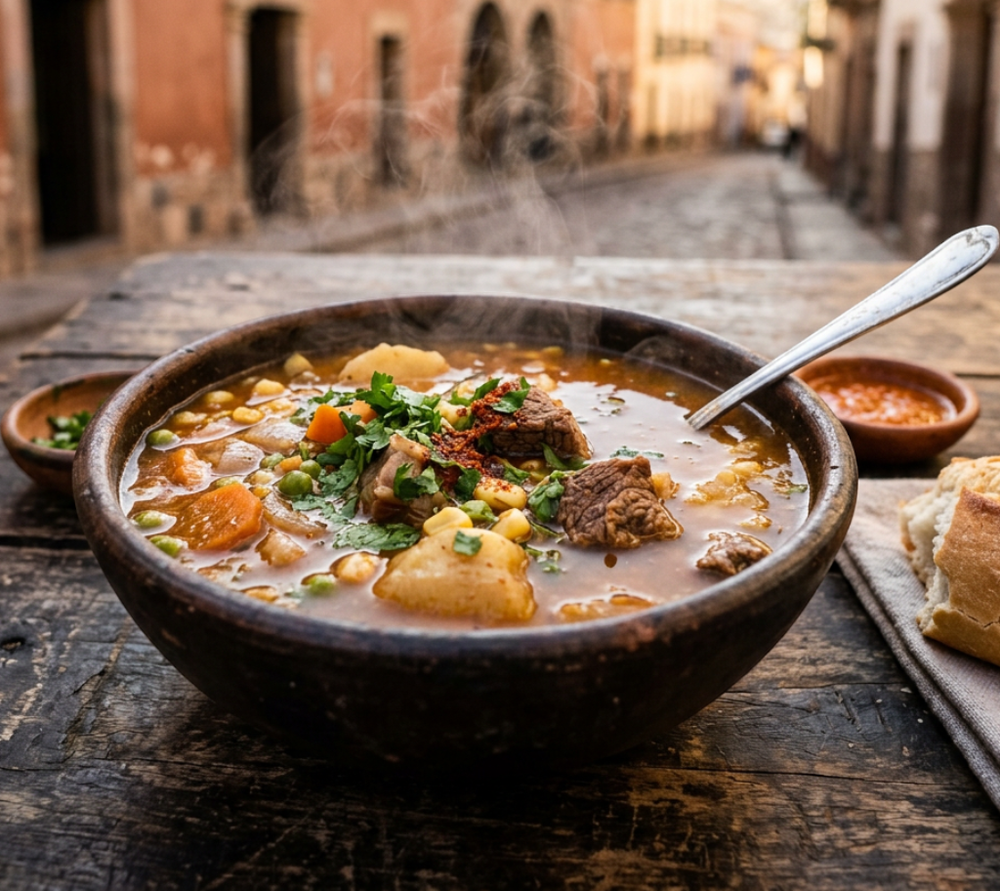
This traditional Bolivian stew showcases tender beef swimming in a deeply savory broth enriched with potatoes, corn, and aromatic vegetables. Served in an earthy ceramic bowl and garnished with vibrant cilantro, each spoonful delivers the warmth and comfort of Andean mountain cuisine, best enjoyed with crusty bread in historic Potosi's charming cobblestone streets.
Credits: THE PAINTED PASSPORT
Local cuisine study in Potosi, Bolivia

☕︎ Local Flavor

El Fogon

Rating: 5* | Price: $$ | Coordinates: -19.5856, -65.7528

El Fogon is the kind of warm, lively restaurant that immediately feels like someone's home kitchen made gloriously public. The charcoal-grilled meats are exceptional, seasoned with local herbs and served alongside creamy papa a la huancaina and fire-roasted vegetables. Save room for the api morado dessert, a thick purple corn drink transformed here into a silky pudding that locals adore.

View Entry Details

Chez Yvan

Rating: 4* | Price: $$ | Coordinates: -19.5848, -65.7519

A delightful fusion of French technique and Bolivian ingredients, Chez Yvan has charmed travelers and locals alike for decades. The llajwa-spiced soups are deeply warming at high altitude, and the freshly baked sourdough bread arrives at your table still steaming. The intimate dining room, lined with vintage photographs of Potosi, makes every meal feel like a special occasion.

View Entry Details

La Plata Restaurant

Rating: 4* | Price: $ | Coordinates: -19.5863, -65.7534

La Plata serves generous helpings of authentic Bolivian cuisine in a casual, cheerful setting decorated with colorful weavings from the Potosi region. The silpancho, a classic Bolivian dish of breaded beef over rice and fried eggs, is the undisputed star and worth visiting for alone. Locals crowd in for the set lunch menu, which offers astonishing value and rotates daily with market-fresh ingredients.

View Entry Details

Mercado Central Food Stalls

Rating: 4* | Price: $ | Coordinates: -19.5844, -65.7527

Diving into Potosi's central market is one of the most exhilarating culinary experiences the city offers. Cheerful vendors ladle out steaming bowls of chairo, a rich Andean stew packed with freeze-dried potato, lamb, and barley that warms you from the inside out. Arrive before noon to snag a stool at one of the communal tables and eat shoulder to shoulder with miners, market workers, and schoolchildren alike.

View Entry Details

🛌︎ Boutique Stays

Hotel Cerro Rico

Rating: 4* | Price: $$ | Coordinates: -19.5853, -65.7531

Nestled in the heart of colonial Potosi, this charming hotel wraps guests in warm Andean textiles and exposed stone walls. The rooftop terrace offers a breathtaking panorama of the iconic Cerro Rico mountain at sunrise. Attentive staff serve complimentary coca tea each morning to help guests acclimatize to the dizzying altitude.

View Entry Details

Hostal Compañia de Jesus

Rating: 3* | Price: $ | Coordinates: -19.5847, -65.7521

This intimate guesthouse occupies a lovingly restored 17th-century colonial building just steps from the main plaza. Rooms feature whitewashed walls, handwoven blankets, and windows overlooking a tranquil inner courtyard filled with potted flowers. The friendly owners share fascinating local stories over a generous breakfast of fresh bread and Bolivian cheese.

View Entry Details

Hotel El Turista

Rating: 3* | Price: $ | Coordinates: -19.5861, -65.7545

A beloved budget favorite among travelers, Hotel El Turista delivers clean, cozy rooms decorated with locally made ceramics and woven wall hangings. The communal sitting area has a fireplace that becomes a gathering spot for travelers swapping tales on cold Andean evenings. Its central location means the city's baroque churches and bustling markets are all within easy walking distance.

View Entry Details

Casa de Huespedes Kolping

Rating: 3* | Price: $ | Coordinates: -19.5839, -65.7538

Run by a welcoming local family, this guesthouse radiates genuine Bolivian hospitality from the moment you arrive. Spacious rooms are kept immaculately clean and come with thick wool blankets ideal for chilly highland nights. Guests often linger over the hearty communal dinners, which feature traditional dishes prepared with recipes passed down through generations.

View Entry Details

📍︎ Field Study

Casa Nacional de la Moneda

Rating: 5* | Price: $ | Coordinates: -19.5851, -65.7524

The Casa Nacional de la Moneda is one of the most extraordinary colonial buildings in all of South America, a vast silver mint that once funded the Spanish Empire. Its labyrinthine halls are filled with magnificent colonial paintings, gleaming coin presses, and the haunting story of the millions of indigenous and enslaved workers who powered its operations. A guided tour here is not just a museum visit but a profound journey through the economic and human history of the Americas.

View Entry Details

Cerro Rico Mine Tours

Rating: 4* | Price: $$ | Coordinates: -19.5750, -65.7417

Descending into the living mines of Cerro Rico is one of the most humbling and eye-opening experiences available anywhere in Bolivia. You walk through narrow tunnels alongside working miners, offering gifts of coca leaves, cigarettes, and dynamite as tokens of solidarity and respect. The experience strips away any abstraction about where minerals come from and leaves travelers with a lasting appreciation for the people who extract them.

View Entry Details

Cathedral Basilica of Potosi

Rating: 5* | Price: Free | Coordinates: -19.5845, -65.7530

Standing magnificently on the main plaza, the Cathedral Basilica of Potosi is a stunning example of the mestizo baroque architectural style that flourished uniquely in the Andes. Its facade blends Spanish colonial design with indigenous decorative motifs in a way that tells the story of two cultures meeting and merging over centuries. Stepping inside at golden hour, when afternoon light floods through the high windows, is a genuinely moving and unforgettable moment.

View Entry Details

Convento y Museo de Santa Teresa

Rating: 4* | Price: $ | Coordinates: -19.5858, -65.7522

The Convent of Santa Teresa offers a rare and intimate window into the cloistered life of colonial-era Carmelite nuns in the Bolivian highlands. The guided tour winds through beautifully preserved cells, chapels, and gardens, revealing a remarkable collection of religious art crafted with extraordinary skill over three centuries. Particularly touching is the story of the nuns who entered the convent as children and spent their entire lives within its quiet, flower-filled walls.

View Entry Details

Typography

Archival Note: A formal technical study of Potosi, Bolivia, archiving the coordinates, elevation, and environmental data that define the region. This data serves as a vital record for our ongoing global field study, providing the technical foundation behind every atmospheric detail captured in our visual work.

Botanical and pigment specimen study for Potosi, Bolivia Colors of Potosi, Bolivia
Coordinates
19.5853° S, 65.7531° W — Potosi city center, southwestern Bolivia, eastern Andean cordillera
Historical Epoch
Founded in 1546 after the discovery of silver on Cerro Rico, Potosi became the engine of the Spanish colonial economy and one of the most populous cities in the world by the late 1600s, reshaping global trade with its output.
Elevation
4,060-4,090 m / 13,320-13,420 ft. One of the highest cities in the world, set on a high plateau beneath Cerro Rico at 4,824 m.
Atmosphere
ET (Tundra). Cold, dry, and intensely sunny with a pronounced wet season from November to March. Frost is common at night year-round.
Observation Hour
07:30. The early morning sun hits the colonial facades at a low, golden angle, warming the stone before dust and haze build. The Cathedral Basilica glows amber at this hour and the plaza is still quiet.
Primary Pigment
Burnt Sienna (#8C4A2F) and Cobalt Blue (#1E4D8C)
Best Time to Visit
May through August. The dry season brings clear skies, stable temperatures, and excellent visibility for photography and mine tours.
Avoid Visiting
January through February. Peak rainy season brings daily downpours, muddy roads, and overcast skies that limit sightseeing.

The Local Tongue

Language is the invisible architecture of Potosi, Bolivia. These entries document the regional vocabulary—capturing the "texture" of local speech that standard translations often miss. Hand-curated expressions reflecting the specific spirit and daily rhythm of the region.
Archival study of Spanish cultural texture

via / Daniel Duarte

Primary Language Spanish
Regional Dialect Bolivian Spanish with Quechua loanwords common in everyday speech

Pachamama

Pachamama translates as 'Earth Mother' and refers to the sacred, living deity of the land and cosmos in Andean cosmology. In Potosi, offerings of coca leaves and alcohol are still poured onto the ground before mine shifts, a ritual acknowledgment that the mountain gives and the mountain takes.

Ch'alla

Ch'alla describes a blessing ritual in which chicha or alcohol is sprinkled on objects, vehicles, buildings, or tools to consecrate them and invite good fortune. On the streets near the miners' market, the smell of fermented corn and the sound of firecrackers signal that someone has just ch'allad a new truck or freshly purchased equipment.

Mita (mit'a)

Mita referred to a colonial forced-labor system that conscripted indigenous men into the silver mines of Cerro Rico under Spanish rule. The word itself comes from a pre-colonial Quechua practice of communal labor rotation, though the Spanish version carried devastating human cost across more than two centuries of extraction.

Wait! before you go...

Before you head over to Potosi, Bolivia, we’ve audited the essential data points for this corner of the world. These notes cover the logistics—from currency ratios to transit hubs—to help you navigate the landscape with clarity.
🚲 Getting Around Within Potosi, microbuses and shared taxis cover most routes for very low fares, and the compact colonial center is best explored entirely on foot. Long-distance travel to Sucre, Oruro, or La Paz is done by bus from the main terminal on Avenida Universitaria.
⚖️ Cash or Card Potosi operates predominantly on cash, and smaller restaurants, markets, and local transport will not accept cards under any circumstances. ATMs are available in the center but can run low on funds on weekends, so carrying sufficient bolivianos at all times is strongly advised.
☁️ Good to Know Altitude sickness is a genuine concern at over 4,000 metres, and arriving visitors should plan a slow first day, drink coca tea, and avoid alcohol initially. Miners regard Cerro Rico with deep spiritual reverence, and anyone visiting the mines should follow guide instructions carefully and treat the space with respect.
🏧 ATMs Several ATMs are located around Plaza 10 de Noviembre and along the main commercial streets in the center, with Banco Union and Banco de Credito being the most reliable for foreign cards. Withdrawal limits can be low and machines occasionally run out of cash on weekends, so withdrawing midweek and carrying a buffer is wise.
💳 Currency The Bolivian Boliviano (BOB) is the national currency and the only currency accepted for everyday transactions in Potosi. US dollars are occasionally accepted at larger hotels, but exchange rates will be unfavorable, so converting to bolivianos at a bank or registered exchange office is always the better approach.
🔌 Plugs Bolivia uses Type A and Type C outlets at 220V and 50Hz. A universal travel adapter is recommended as socket types can vary even within the same building.
🛡️ Safety Potosi is generally safe for travelers in the central tourist areas, though petty theft can occur on crowded market days and around the bus terminal. Traveling in groups after dark outside the main plaza is sensible, and keeping valuables secure and out of sight is standard practice throughout the city.
✈️ Airports Potosi has a small local airport, Aeropuerto Capitan Nicolas Rojas, though scheduled commercial flights are limited and often unreliable at this altitude. Most travelers fly into El Alto International Airport in La Paz or Juana Azurduy de Padilla Airport in Sucre, then continue to Potosi by bus.

Behind The Scenes

Nathan

Note from the Founder

Hey, did you know this fun fact about Potosi, Bolivia? Potosi was inscribed as a UNESCO World Heritage Site in 1987. The phrase 'vale un Potosi,' meaning 'worth a Potosi,' entered the Spanish language as a synonym for extraordinary wealth and is still used across the Spanish-speaking world today.
Thank you for exploring the Potosi, Bolivia series with us. We hope these notes have inspired you to add this incredible destination to your own passport—we are so glad you're here. — Nathan

Some of our Favorites