Shop the Collection

To help you build your own global archive, we've prepared this collection of watercolor studies from our research into Patagonia, Argentina. These artifacts are designed to bring the stillness of this corner of the world into your home.

Original Series Decorative Magnet

A personal study of Patagonia, Argentina, captured in high-fidelity watercolor and prepared for your collection.

Patagonia, Argentina | Laguna de los Tres | Original Series Decorative Magnet
Add to Collection / $18
Exclusive Series Artifact

Original Series Gallery Canvas

This high-fidelity canvas is a beautiful way to anchor a room and keep your memories of Patagonia, Argentina fresh long after you've returned home.

Patagonia, Argentina | Laguna de los Tres | Original Series Gallery Canvas detail Patagonia, Argentina | Laguna de los Tres | Original Series Gallery Canvas detail Patagonia, Argentina | Laguna de los Tres | Original Series Gallery Canvas detail Patagonia, Argentina | Laguna de los Tres | Original Series Gallery Canvas detail
Add to Collection / $65

Original Series Hardboard Coaster

A personal study of Patagonia, Argentina, captured in high-fidelity watercolor and prepared for your collection.

Patagonia, Argentina | Laguna de los Tres | Original Series Hardboard Coaster
Add to Collection / $18
Exclusive Series Artifact

The Spirit of the Land

Archival Note: A curated field study of Patagonia, Argentina, prioritizing the specific atmospheric stillness of the region. These artifacts have been meticulously sourced from our global archival partners to represent the area's unique cultural frequency and environmental character. This selection serves as a formal observation for our ongoing global archive, vetted for its visual accuracy and archival merit.

Patagonia, Argentina study No. 01
Patagonia, Argentina / 01 VIA / Ignacio Estevo
The road draws the eye like an arrow toward Mount Fitz Roy's distinctive granite spires, their peaks catching brilliant afternoon light against deep blue sky. The Patagonian plains roll out in muted greens and grays on either side, creating stark contrast with the dramatic mountains ahead. This moment captures the raw, honest beauty of Argentina's south: endless possibility, clear light, and mountains that demand to be reached.
Patagonia, Argentina study No. 02
Patagonia, Argentina / 02 VIA / Sesinando
Golden sunlight bathes the mountainsides while deep shadows fill the valley, creating a dramatic contrast that emphasizes the scale of this remote landscape. The braided river snakes through pristine wilderness, its silvery curves reflecting the moody sky above. Standing here, one would feel the vastness of Patagonia pressing in from all sides, with the silence and thin air of high altitude adding to the sense of untouched isolation.
Patagonia, Argentina study No. 03
Patagonia, Argentina / 03 VIA / Marina Zvada
This iconic view captures Mount Fitz Roy's dramatic spires piercing a bright blue sky, framed by the warm russet tones of Patagonian shrubland in autumn. The photographer has skillfully positioned the foreground vegetation to create natural layers leading to the distant peaks and glacier. Often overlooked is the solitary white wisp of cloud clinging to the rock face, a fleeting atmospheric detail that emphasizes the mountain's extreme altitude and the viewer's vast distance from it.

Where to wander

Archival Note: A curated field study of Patagonia, Argentina, prioritizing cultural relevance and archival merit. These locations have been meticulously researched and vetted to ensure they represent the most authentic atmosphere for your own expedition.

Local Cuisine Spotlight
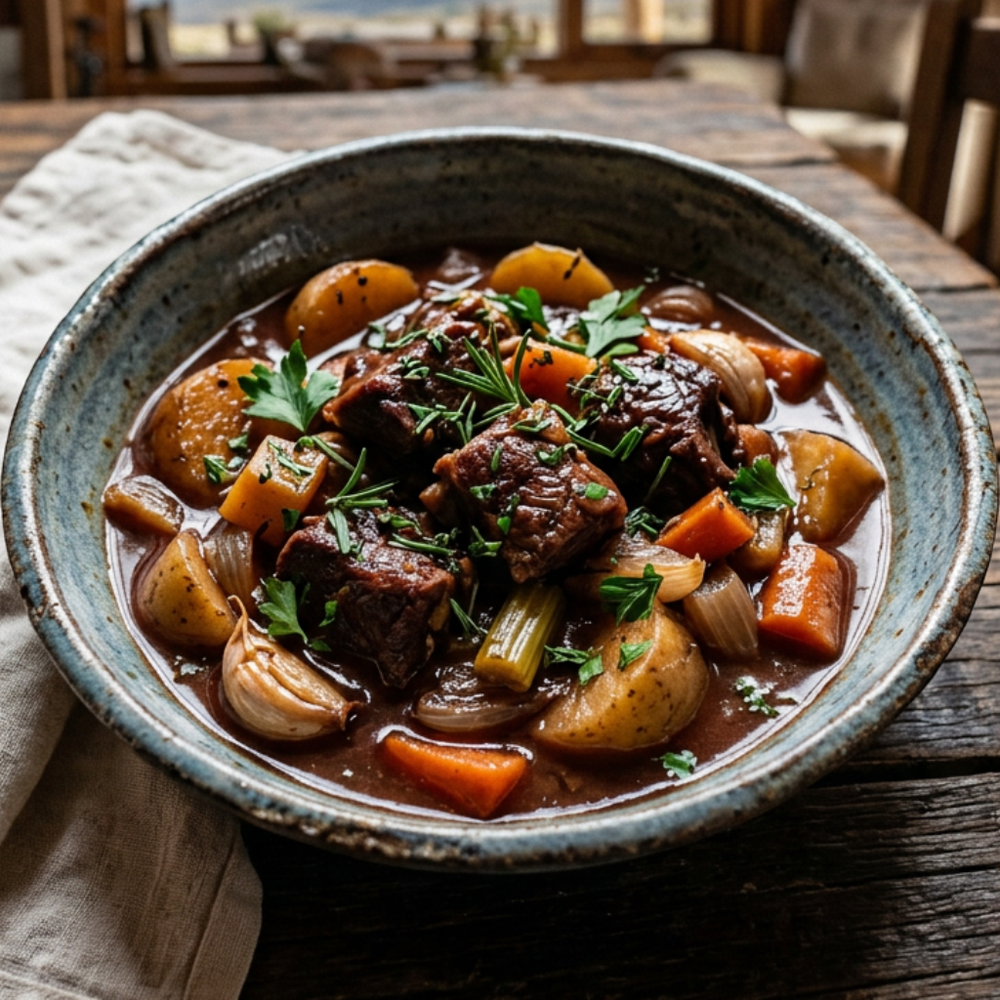
This classic Patagonian beef stew showcases slow-braised meat so tender it dissolves on the tongue, swimming in a rich, wine-darkened broth enriched with root vegetables and aromatics. Fresh herbs and the aroma of rosemary elevate this humble comfort dish into something deeply satisfying and quintessentially Argentine.
Credits: THE PAINTED PASSPORT
Local cuisine study in Patagonia, Argentina

☕︎ Local Flavor

Singular Patagonia Restaurant

Rating: 5* | Price: $$$ | Coordinates: -51.6204, -72.7023

Housed inside a beautifully restored 1915 cold-storage building in Puerto Natales, this restaurant pairs regional Patagonian lamb with inventive preparations inspired by Andean traditions. The wine list leans heavily on small Chilean and Argentine producers that you won't easily find elsewhere. Large warehouse windows flood the space with silver southern light during evening service.

View Entry Details

Afrigonia Restaurant

Rating: 4* | Price: $$ | Coordinates: -51.7294, -72.4981

This beloved Puerto Natales gem fuses African spices with local Patagonian ingredients in a way that surprises and delights every visiting diner. The ceviche made with local fish and citrus is a revelation that regulars return for time and again. A cheerful, intimate dining room makes solo travelers and couples feel equally welcome.

View Entry Details

El Living Resto

Rating: 4* | Price: $$ | Coordinates: -51.7312, -72.4963

Warm wood paneling and mismatched vintage furniture give El Living the relaxed feel of eating in a well-traveled friend's living room in the best possible way. The menu changes with the seasons and features produce sourced from nearby farms and foragers when available. A rotating selection of craft beers and artisan spirits pairs perfectly with their wood-fired flatbreads.

View Entry Details

Sotito's Bar and Restaurant

Rating: 4* | Price: $$ | Coordinates: -51.7298, -72.4972

A Puerto Natales institution for decades, Sotito's earns loyalty through generously portioned king crab dishes that showcase the region's most treasured seafood. The kitchen keeps things simple and respectful, letting the freshness of the centolla speak for itself on every plate. Locals and international trekkers share long communal tables here, swapping trail stories over cold Patagonia beer.

View Entry Details

🛌︎ Boutique Stays

Explora Patagonia Lodge

Rating: 5* | Price: $$$$ | Coordinates: -51.0107, -72.9322

Perched above Lake Pehoé with sweeping views of the Torres del Paine massif, this iconic lodge wraps guests in warm wool textiles and floor-to-ceiling glass. Expert guides lead daily excursions tailored to your pace and curiosity. Every evening ends with a fine Patagonian meal and wine beside crackling fires.

View Entry Details

Awasi Patagonia

Rating: 5* | Price: $$$$ | Coordinates: -51.0423, -72.6891

Tucked into a private reserve bordering Torres del Paine, Awasi offers intimate villas each with a personal guide and vehicle so exploration feels genuinely unhurried. The architecture mirrors the windswept landscape with curved wooden roofs and natural stone. Warm alfajores and mate tea greet you on arrival like a welcoming embrace.

View Entry Details

Las Torres Patagonia

Rating: 4* | Price: $$$ | Coordinates: -50.9614, -72.6503

Sitting at the trailhead of the famous W Trek, this hacienda-style hotel is the perfect base for hikers who want comfort after big days in the backcountry. Stone walls and handwoven rugs create a cozy atmosphere that feels authentically Patagonian. The on-site restaurant serves hearty lamb stew that restores tired legs beautifully.

View Entry Details

Hostería Lago Grey

Rating: 4* | Price: $$$ | Coordinates: -51.1187, -72.9981

Floating icebergs drift past your window at this remote lakeside retreat, giving every morning a sense of quiet drama that no other property can match. Rooms are snug and well-insulated, ideal for sheltering from Patagonia's famously fierce winds. Boat tours to Grey Glacier depart right from the dock just steps away.

View Entry Details

📍︎ Field Study

Torres del Paine National Park

Rating: 5* | Price: $$ | Coordinates: -51.0500, -73.0000

One of the most spectacular national parks on Earth, Torres del Paine rewards visitors with soaring granite towers, electric-blue glacial lakes, and wildlife including pumas and guanacos around nearly every bend. The W Trek and the full Circuit offer multiday routes that reveal the park's layered beauty at a walking pace. Even a single day visit along the main road delivers scenery that feels almost impossibly grand.

View Entry Details

Grey Glacier

Rating: 5* | Price: $$ | Coordinates: -51.1167, -73.1833

Stretching across six kilometers of turquoise lake, Grey Glacier is a vast river of ancient ice that calves thunderous icebergs into the water below. Guided boat tours bring you close enough to feel the cool breath radiating off its fractured blue walls. For the truly adventurous, guided ice trekking on the glacier surface offers a perspective that photographs simply cannot capture.

View Entry Details

Cueva del Milodón Natural Monument

Rating: 4* | Price: $ | Coordinates: -51.5833, -72.6167

Just north of Puerto Natales, this enormous prehistoric cave once sheltered a giant ground sloth called the mylodon around 10,000 years ago and the discovery still fires the imagination. A life-size replica of the creature stands near the entrance, giving context to the extraordinary bones found here in the late 1800s. The surrounding landscape of lenga beech forest and limestone cliffs makes the short hike to the cave thoroughly worthwhile.

View Entry Details

Perito Moreno Glacier

Rating: 5* | Price: $$ | Coordinates: -50.4969, -73.1372

On the Argentine side of Patagonia near El Calafate, Perito Moreno is one of the few glaciers in the world still actively advancing, and watching massive ice walls collapse into Lago Argentino is genuinely thrilling. A network of boardwalks lets visitors approach safely from multiple angles, each offering a fresh perspective on the glacier's blue-green depths. Sunrise light on the ice creates a luminous glow that photographers and casual visitors alike find absolutely unforgettable.

View Entry Details

Typography

Archival Note: A formal technical study of Patagonia, Argentina, archiving the coordinates, elevation, and environmental data that define the region. This data serves as a vital record for our ongoing global field study, providing the technical foundation behind every atmospheric detail captured in our visual work.

Botanical and pigment specimen study for Patagonia, Argentina Colors of Patagonia, Argentina
Coordinates
51.0500° S, 73.0000° W — Torres del Paine, core Patagonia region, southern Chile and Argentine border zone
Historical Epoch
Spanish colonial expeditions reached Patagonia in the 1520s. Welsh settlers arrived in the Chubut valley in 1865 seeking cultural preservation. The land has always attracted people searching for something beyond the edge of the familiar world.
Elevation
200-2,850 m / 656-9,350 ft. Elevation ranges from lake-level valleys near sea level to the summits of the Paine massif and Andean peaks along the continental divide.
Atmosphere
ET/BSk. Sub-polar oceanic and cold steppe. Patagonia is unpredictable in all seasons, with four weathers in a single afternoon a genuine local saying rather than a cliche.
Observation Hour
05:45. The pre-dawn light in Patagonia turns the granite towers a deep rose gold for a narrow window before the wind picks up and shifts the clouds. This hour rewards early risers with stillness that the rest of the day rarely offers.
Primary Pigment
Glacial Cerulean (#4A90B8) and Steppe Sienna (#A0522D)
Best Time to Visit
November through February. Southern hemisphere summer brings the longest days, accessible trails, and the most stable weather windows for trekking and glacier visits.
Avoid Visiting
June through August. Patagonian winter brings heavy snow, closed park roads, and very limited services, with many lodges shutting entirely for the season.

The Local Tongue

Language is the invisible architecture of Patagonia, Argentina. These entries document the regional vocabulary—capturing the "texture" of local speech that standard translations often miss. Hand-curated expressions reflecting the specific spirit and daily rhythm of the region.
Archival study of Spanish cultural texture

via / Camila Bou

Primary Language Spanish
Regional Dialect Rioplatense Spanish with southern Patagonian cadence, lighter in formality and slower in pace than Buenos Aires speech.

Soledad

Soledad translates to solitude or loneliness, though in Patagonia it carries no sadness. Locals use it to describe the particular peace found standing alone on the steppe with nothing between a person and the horizon, the wind the only companion.

Viento

Viento simply means wind, but in Patagonia the word holds outsized cultural weight. Locals speak of it as a living force with personality, one that has shaped architecture, clothing, and even the direction conversations take when held outdoors.

Fin del mundo

Fin del mundo means end of the world, a phrase worn with quiet pride by those who live in the deep south. It appears on menus, hostel signs, and handpainted walls, a marker of identity for people who have chosen to make a life at the edge of everything known.

Wait! before you go...

Before you head over to Patagonia, Argentina, we’ve audited the essential data points for this corner of the world. These notes cover the logistics—from currency ratios to transit hubs—to help you navigate the landscape with clarity.
🚲 Getting Around Getting around Patagonia requires planning, as distances are enormous and public transport is limited outside the main towns. Renting a vehicle is the most practical option for reaching trailheads and remote lodges, with gravel roads connecting most key sites.
⚖️ Cash or Card Major lodges and restaurants in tourist areas accept credit cards, but smaller towns and remote outposts often rely on cash for fuel, food, and supplies. Carrying Argentine pesos and a reserve of USD for emergencies is strongly recommended when venturing away from main centers.
☁️ Good to Know Patagonian hospitality is understated but genuine. Locals tend to be reserved on first meeting and deeply generous once a connection is made, often sharing mate from a shared gourd as a gesture of trust and welcome that should never be declined.
🏧 ATMs ATMs exist in larger towns like El Calafate and Puerto Natales but are unreliable in remote areas and frequently run out of cash during peak season. Withdrawing larger amounts when machines are available and keeping a cash reserve is a standard practice among experienced Patagonia travelers.
💳 Currency The Argentine peso (ARS) is the official currency, though significant economic volatility means exchange rates change frequently and the blue market rate often differs substantially from the official bank rate. Travelers should research current conditions before arrival and exchange money thoughtfully.
🔌 Plugs Argentina uses Type I outlets with angled three-prong plugs. A universal travel adapter is essential, as this plug type is uncommon outside South America.
🛡️ Safety Patagonia is considered very safe for travelers in terms of crime, with the more serious risks coming from the environment itself. Sudden weather changes, river crossings, and altitude shifts on trekking routes require preparation, solid gear, and a registered itinerary with park authorities.
✈️ Airports Malvinas Argentinas International Airport in Ushuaia (USH) and Comandante Armando Tola International Airport in El Calafate (FTE) are the primary gateways to Argentine Patagonia. Both offer connections through Buenos Aires, with El Calafate serving as the closest hub to the glacier region.

Behind The Scenes

Nathan

Note from the Founder

Hey, did you know this fun fact about Patagonia, Argentina? Patagonia covers roughly 1 million square kilometres across Argentina and Chile. The Perito Moreno Glacier advances up to 2 metres per day, making it one of the few glaciers on Earth that is not currently in retreat.
Thank you for exploring the Patagonia, Argentina series with us. We hope these notes have inspired you to add this incredible destination to your own passport—we are so glad you're here. Nathan's signature

Some of our Favorites