Shop the Collection

To help you build your own global archive, we've prepared this collection of watercolor studies from our research into Palenque, Mexico. These artifacts are designed to bring the stillness of this corner of the world into your home.

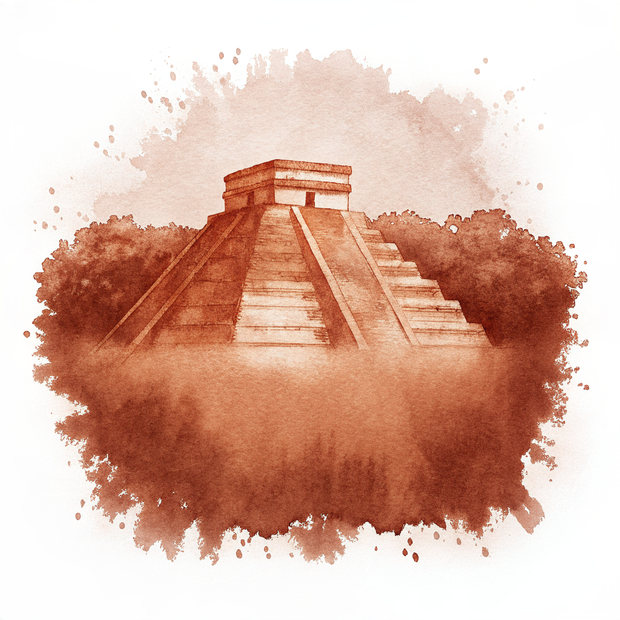
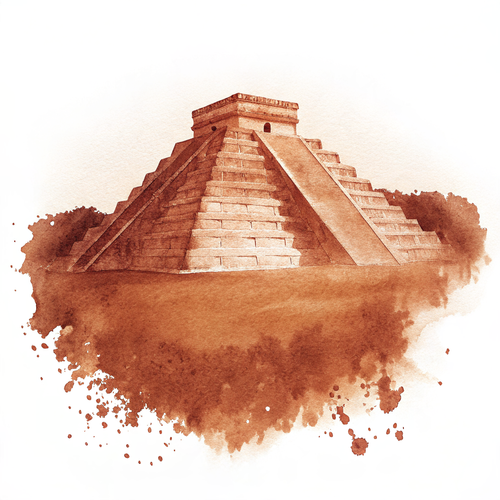
Original Series Decorative Magnet

A personal study of Palenque, Mexico, captured in high-fidelity watercolor and prepared for your collection.

Palenque, Mexico | Ancient Maya Temple Ruins | Original Series Decorative Magnet
Add to Collection / $18
Exclusive Series Artifact

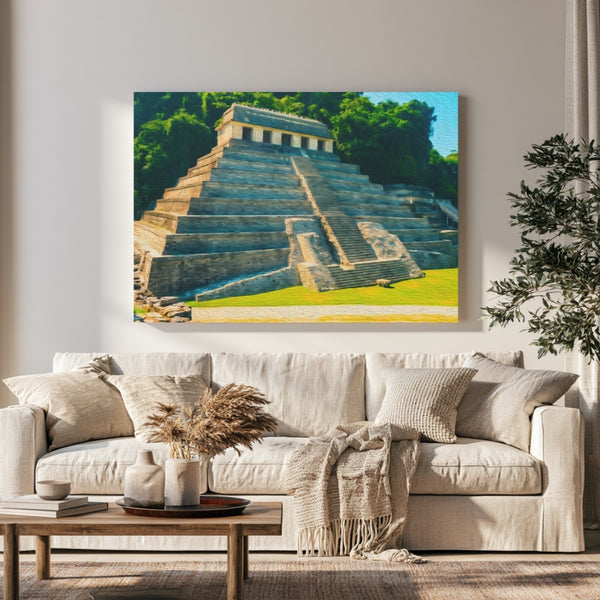
Original Series Gallery Canvas

This high-fidelity canvas is a beautiful way to anchor a room and keep your memories of Palenque, Mexico fresh long after you've returned home.

Palenque, Mexico | Ancient Maya Temple Ruins | Original Series Gallery Canvas detail Palenque, Mexico | Ancient Maya Temple Ruins | Original Series Gallery Canvas detail Palenque, Mexico | Ancient Maya Temple Ruins | Original Series Gallery Canvas detail Palenque, Mexico | Ancient Maya Temple Ruins | Original Series Gallery Canvas detail
Add to Collection / $65

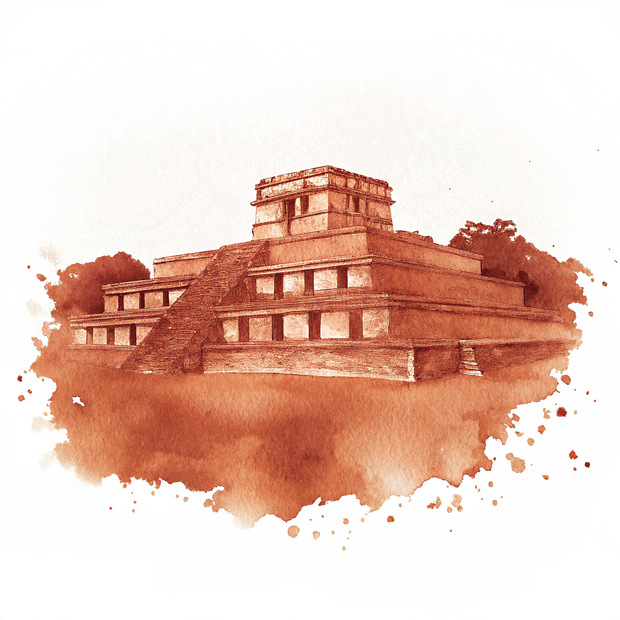
Original Series Hardboard Coaster

A personal study of Palenque, Mexico, captured in high-fidelity watercolor and prepared for your collection.

Palenque, Mexico | Ancient Maya Temple Ruins | Original Series Hardboard Coaster
Add to Collection / $18
Exclusive Series Artifact

The Spirit of the Land

Archival Note: A curated field study of Palenque, Mexico, prioritizing the specific atmospheric stillness of the region. These artifacts have been meticulously sourced from our global archival partners to represent the area's unique cultural frequency and environmental character. This selection serves as a formal observation for our ongoing global archive, vetted for its visual accuracy and archival merit.

Palenque, Mexico study No. 01
Palenque, Mexico / 01 VIA / Maciej Cisowski
The afternoon light bathes the pale limestone structures in warm golden tones, creating sharp shadows that emphasize the intricate stonework. Surrounded by vibrant emerald canopy, the tower stands as a solitary sentinel above the palace ruins, its weathered facade telling stories of centuries past. The verdant jungle pressing close on all sides reminds visitors that nature has slowly reclaimed what humans once built here.
Palenque, Mexico study No. 02
Palenque, Mexico / 02 VIA / Rodrigo Mutal
Dappled sunlight filters through the dense jungle canopy, illuminating the cascading water with a ethereal glow that contrasts beautifully against the surrounding emerald foliage. Standing here would immerse a visitor in the cool mist rising from the falls, with the constant sound of rushing water creating a peaceful, almost meditative environment. The layered limestone tiers create a gentle, otherworldly quality that captures the timeless beauty of the Yucatan's natural landscape.
Palenque, Mexico study No. 03
Palenque, Mexico / 03 VIA / Mikhail Nilov
Agua Azul showcases multiple tiered waterfalls with striking turquoise pools created by mineral-rich limestone deposits. The dramatic contrast between the white cascading water and vibrant blue pools reveals the unique mineral composition that makes this natural wonder distinctive. Few visitors notice the delicate layering of travertine formations that create natural dams, each one a tiny architectural marvel carved by thousands of years of flowing water.

Where to wander

Archival Note: A curated field study of Palenque, Mexico, prioritizing cultural relevance and archival merit. These locations have been meticulously researched and vetted to ensure they represent the most authentic atmosphere for your own expedition.

Local Cuisine Spotlight
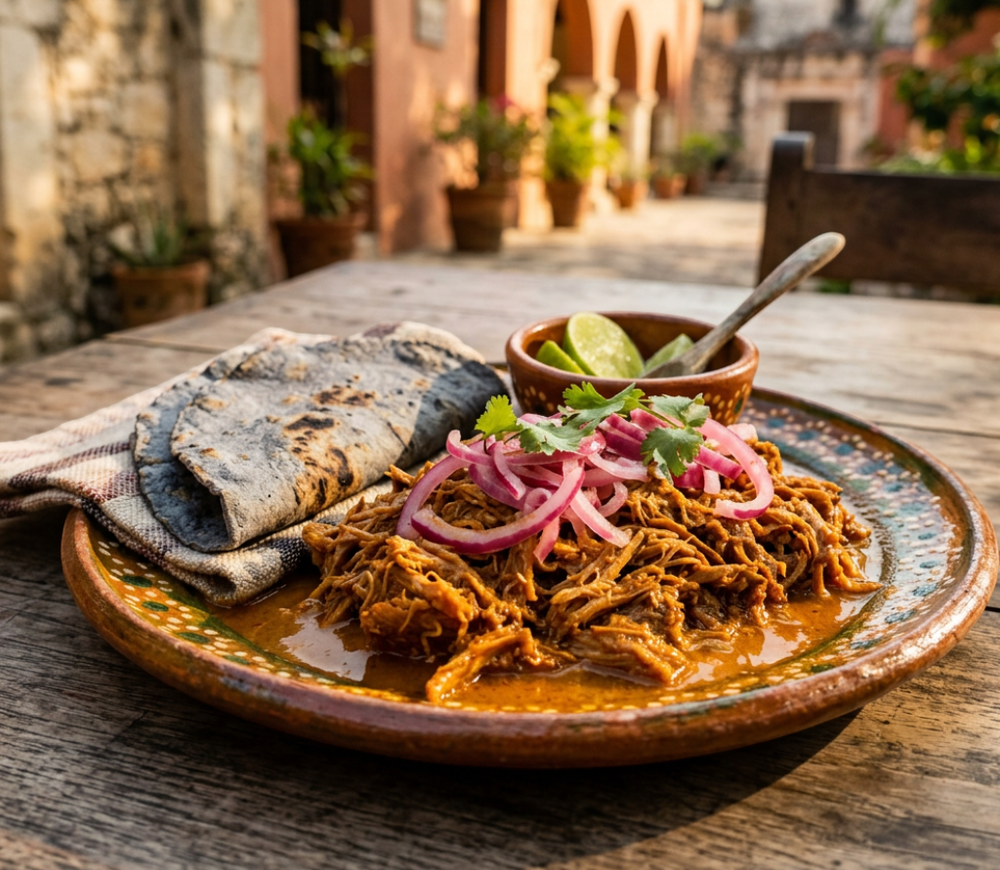
Cochinita pibil, Palenque's most iconic dish, features pork slow-roasted in banana leaves with achiote, citrus, and spices until impossibly tender. Served with pickled onions and warm tortillas, each bite delivers layers of smoky, citrusy, and deeply savory flavors. This ancestral Mayan-influenced specialty represents the soul of Yucatecan cuisine.
Credits: THE PAINTED PASSPORT
Local cuisine study in Palenque, Mexico

☕︎ Local Flavor

Restaurant La Selva

Rating: 5* | Price: $$ | Coordinates: 17.5134, -91.9821

La Selva is a beloved Palenque institution where diners enjoy authentic Chiapas cuisine under a soaring thatched-roof palapa surrounded by tropical gardens. The menu highlights regional specialties like tasajo, tamales de chipilín, and rich black bean soups made from generations-old family recipes. The warm hospitality and generous portions make every meal here feel like a true celebration of Mexican culinary heritage.

View Entry Details

Cafe de Yara

Rating: 4* | Price: $ | Coordinates: 17.5141, -91.9798

This cozy cafe in the heart of Palenque town is the ideal spot to start your morning with a strong cup of locally grown Chiapas coffee and a freshly baked pastry. The relaxed atmosphere, colorful decor, and friendly staff create a welcoming space where travelers and locals happily mingle. Light bites such as enfrijoladas and fresh fruit plates keep you energized before heading out to explore the ruins.

View Entry Details

El Huachinango Feliz

Rating: 4* | Price: $$ | Coordinates: 17.5118, -91.9812

Famous for its expertly prepared fresh seafood, El Huachinango Feliz draws both locals and visitors with dishes like whole grilled snapper, garlic shrimp, and ceviche bursting with citrus and herbs. The open-air dining room is always lively, filled with the aromas of sizzling fish and handmade tortillas straight off the comal. It is a wonderful place to settle in for a long, satisfying lunch after a morning at the archaeological park.

View Entry Details

Restaurante Maya Cañada

Rating: 4* | Price: $$ | Coordinates: 17.4895, -92.0031

Tucked along a scenic road near the ruins, Maya Cañada offers a garden dining experience where the jungle itself seems to be part of the decor. Dishes like cochinita pibil slow-cooked in achiote and wrapped in banana leaves showcase the deep flavors of traditional Mayan cooking at its finest. The attentive service and beautiful natural surroundings make this an exceptional dining destination that perfectly complements a day of cultural exploration.

View Entry Details

🛌︎ Boutique Stays

Chan-Kah Resort Village

Rating: 5* | Price: $$$ | Coordinates: 17.4833, -92.0167

Nestled within the jungle bordering the archaeological zone, Chan-Kah offers bungalows surrounded by lush tropical foliage and the soothing sounds of a natural stream. Each room blends rustic wooden details with modern comfort, making you feel truly immersed in the rainforest. The on-site pool and open-air restaurant create a serene retreat after a day of exploring ancient temples.

View Entry Details

Hotel Quinta Chanabnal

Rating: 4* | Price: $$ | Coordinates: 17.5100, -91.9800

This charming boutique hotel sits on a hillside overlooking Palenque town, offering guests stunning views of the surrounding jungle canopy from private balconies. Rooms are decorated with colorful Mayan-inspired textiles and hand-painted accents that reflect the rich local culture. The welcoming staff and beautifully landscaped gardens make every morning feel like a peaceful escape.

View Entry Details

Boutique Hotel Kukulkan

Rating: 4* | Price: $$ | Coordinates: 17.5123, -91.9756

Located just minutes from the main archaeological site, Kukulkan offers cozy rooms with warm lighting and locally crafted furniture that celebrate the spirit of the Chiapas region. Guests can enjoy a refreshing pool shaded by towering palm trees, perfect for unwinding after long walks through ancient ruins. Breakfasts here are lovingly prepared with fresh tropical fruits and traditional Mexican flavors.

View Entry Details

Treetop Glamping Palenque

Rating: 4* | Price: $$ | Coordinates: 17.4910, -92.0050

For travelers seeking something truly memorable, Treetop Glamping Palenque offers elevated tents perched among the forest canopy, delivering an unforgettable connection with nature. Each glamping unit features comfortable beds, soft lighting, and screened windows that let in the sounds of exotic birds and rustling leaves. Waking up to mist rolling through the jungle is an experience that no conventional hotel can replicate.

View Entry Details

📍︎ Field Study

Palenque Archaeological Zone

Rating: 5* | Price: $ | Coordinates: 17.4838, -92.0464

One of the most breathtaking Mayan sites in all of Mexico, Palenque Archaeological Zone features intricately carved temples, royal palaces, and hidden tombs rising dramatically from the surrounding jungle. The Temple of the Inscriptions, where the famous sarcophagus of King Pakal was discovered, is an absolute must-see for any visitor to the region. Walking these sacred grounds while toucans and howler monkeys call from the treetops creates an atmosphere unlike anywhere else on earth.

View Entry Details

Agua Azul Waterfalls

Rating: 5* | Price: $ | Coordinates: 17.2573, -92.1142

Agua Azul is a spectacular series of turquoise cascades tumbling over limestone terraces about 60 kilometers from Palenque, making it a rewarding and scenic day trip from town. The vivid blue-green color of the water, fed by mineral-rich springs, contrasts beautifully with the lush green vegetation surrounding the falls. Visitors can swim in calm natural pools, walk wooden bridges above the rushing water, and enjoy freshly grilled corn and local snacks from nearby vendors.

View Entry Details

Misol-Ha Waterfall

Rating: 4* | Price: $ | Coordinates: 17.3764, -92.1283

Misol-Ha is a stunning 35-meter waterfall that plunges into a crystal-clear pool within a lush jungle canyon, offering a magical natural spectacle that feels entirely off the beaten path. A narrow trail behind the falls lets adventurous visitors walk through the mist and explore a hidden cave carved by centuries of flowing water. The peaceful atmosphere and relatively easy access from Palenque make Misol-Ha an ideal stop for nature lovers of all ages.

View Entry Details

Palenque Museum of Mayan Culture

Rating: 4* | Price: $ | Coordinates: 17.4851, -92.0441

Located at the entrance of the archaeological zone, this thoughtfully designed museum houses an impressive collection of jade masks, carved stone panels, and ceramic artifacts recovered from the Palenque ruins during decades of excavation. Detailed bilingual exhibits provide rich context about Mayan cosmology, royalty, and daily life, helping visitors connect more deeply with what they see inside the ruins. Spending time here before entering the site transforms a sightseeing trip into a genuinely enriching cultural journey.

View Entry Details

Typography

Archival Note: A formal technical study of Palenque, Mexico, archiving the coordinates, elevation, and environmental data that define the region. This data serves as a vital record for our ongoing global field study, providing the technical foundation behind every atmospheric detail captured in our visual work.

Botanical and pigment specimen study for Palenque, Mexico Colors of Palenque, Mexico
Coordinates
17.4838° N, 92.0464° W — Palenque Archaeological Zone, Chiapas, Mexico
Historical Epoch
Palenque reached its peak during the Classic Maya period, roughly 250 to 900 CE, under rulers like Pakal the Great and his son Kan Bahlam. Their reign produced some of the most refined sculpture and hieroglyphic writing in Mesoamerican history before the city was gradually overtaken by forest.
Elevation
60-150 m / 197-492 ft - lowland jungle foothills at the base of the Chiapas highlands, where humid air pools and mist settles each morning
Atmosphere
Am - Tropical Monsoon. Hot and intensely humid year-round with a pronounced rainy season. Even dry months carry the warmth and density of deep jungle air.
Observation Hour
07:00 - Soft, diffuse morning light filters through the canopy before heat haze builds. Mist lingers at temple height, softening stone edges and deepening the green of the surrounding forest.
Primary Pigment
Temple Stone Ochre (#C4A265) and Jungle Canopy Viridian (#3D6B4F)
Best Time to Visit
November through February - cooler temperatures, lower humidity, and reduced rainfall make jungle exploration and ruin visits far more comfortable.
Avoid Visiting
June through September - peak rainy season brings daily downpours, intense humidity, and occasional trail and road closures near the waterfalls.

The Local Tongue

Language is the invisible architecture of Palenque, Mexico. These entries document the regional vocabulary—capturing the "texture" of local speech that standard translations often miss. Hand-curated expressions reflecting the specific spirit and daily rhythm of the region.
Archival study of Spanish cultural texture

via / Lan Yao

Primary Language Spanish
Regional Dialect Mexican Spanish with local Chol and Tzeltal Maya linguistic influence in place names and everyday vocabulary

Ajaw

Ajaw is the Maya word for lord or ruler, the title carried by the divine kings who governed cities like Palenque at the height of the Classic period. Visitors who stand before the carved portrait of Pakal the Great on the stone sarcophagus lid inside the site museum begin to feel the full weight of that word, a single title that once compressed political power, sacred lineage, and cosmological authority into one human form.

Baktun

Baktun refers to a cycle of roughly 394 years in the ancient Maya Long Count calendar, a unit of time so vast it reframes how one thinks about history while walking among these ruins. Palenque flourished across multiple baktuns, and standing before a carved stela marked with these deep-time dates, with jungle humidity pressing in from all sides, a visitor begins to sense how differently the Maya mapped the relationship between human life and cosmic duration.

Selva

Selva is the Spanish word for jungle or tropical rainforest, but in Palenque it carries a living presence that a simple translation cannot hold. The selva here is not backdrop. It pushes against the ruins, swallows sound, releases steam after afternoon rain, and fills the night with calls that remind every visitor that the forest was here long before the temples and intends to remain long after.

Wait! before you go...

Before you head over to Palenque, Mexico, we’ve audited the essential data points for this corner of the world. These notes cover the logistics—from currency ratios to transit hubs—to help you navigate the landscape with clarity.
🚲 Getting Around Most travelers reach Palenque by bus from San Cristobal de las Casas, Merida, or Villahermosa, all well-connected routes with reliable first-class services. The town center is walkable, but reaching the ruins and waterfalls like Agua Azul requires a local colectivo, taxi, or organized day tour from the main square.
⚖️ Cash or Card Palenque leans heavily cash-dependent, particularly at the ruins entrance, markets, street food stalls, and smaller restaurants throughout town. Cards are accepted at larger hotels and a handful of sit-down restaurants, but carrying a reliable supply of Mexican pesos will prevent any frustrating moments at key sites.
☁️ Good to Know Guides at the archaeological zone are licensed and genuinely knowledgeable, and hiring one at the entrance gate adds enormous depth to what might otherwise be a surface-level visit among the temples. Mornings on weekdays move at a slower, quieter pace, but by midday tour groups arrive in volume and the energy at the main pyramid shifts considerably.
🏧 ATMs A modest number of ATMs operate in central Palenque, clustered mainly around the central plaza and along Avenida Juarez, with Banamex and HSBC machines among the most reliably stocked. Withdrawing a generous cash reserve upon arrival is a wise habit here, as machines occasionally run low on weekends and during peak visitor periods without much warning.
💳 Currency The Mexican Peso (MXN) is the only currency in practical circulation in Palenque, and US dollars are rarely accepted outside a small number of tourist-facing hotels. Exchange rates at local casas de cambio in town tend to be more favorable than those offered at the airport in Villahermosa or at hotel front desks.
🔌 Plugs Mexico uses Type A and Type B outlets at 127V, 60Hz. Standard US and Canadian plugs fit without an adapter, but European and UK travelers will need one.
🛡️ Safety Palenque town and the archaeological zone are considered safe for tourists with standard urban awareness, though petty theft at busy sites and on overnight buses is the most common concern. Travelers heading to Agua Azul or Misol-Ha are advised to use reputable organized transport rather than unmarked vehicles, particularly during or after the rainy season when road conditions can shift quickly.
✈️ Airports The closest airport with regular service is Villahermosa International Airport (VSA) in Tabasco, roughly 150 kilometers north of Palenque and served by domestic Mexican carriers including Aeromexico and Vivaaerobus. A small regional airstrip exists near Palenque town but handles only charter and private traffic, making Villahermosa the practical gateway for most international visitors connecting through Mexico City.

Behind The Scenes

Nathan

Note from the Founder

Hey, did you know this fun fact about Palenque, Mexico? The tomb of Pakal the Great, discovered in 1952 beneath the Temple of the Inscriptions, was the first pyramid tomb ever found in Mesoamerica, fundamentally changing how archaeologists understood Maya architecture and royal burial practice.
Thank you for exploring the Palenque, Mexico series with us. We hope these notes have inspired you to add this incredible destination to your own passport—we are so glad you're here. — Nathan

Some of our Favorites