Shop the Collection

To help you build your own global archive, we've prepared this collection of watercolor studies from our research into Naoshima Island, Japan. These artifacts are designed to bring the stillness of this corner of the world into your home.

Original Series Decorative Magnet

A personal study of Naoshima Island, Japan, captured in high-fidelity watercolor and prepared for your collection.

Naoshima Island, Japan | Torii Gate Sandy Shore | Original Series Decorative Magnet
Add to Collection / $18
Exclusive Series Artifact

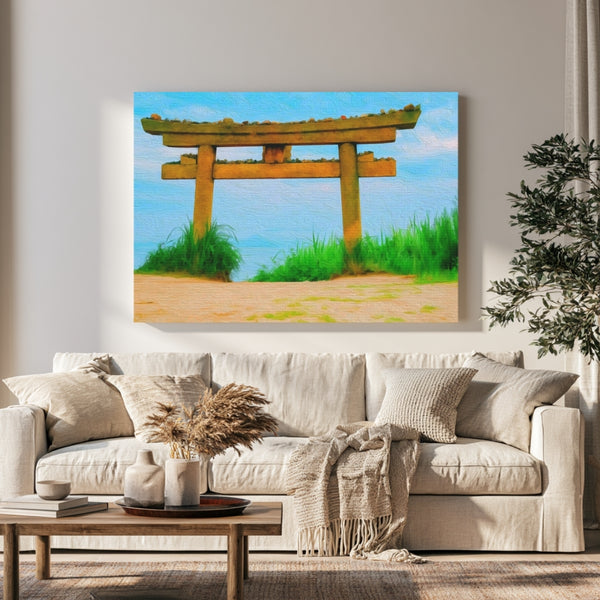
Original Series Gallery Canvas

This high-fidelity canvas is a beautiful way to anchor a room and keep your memories of Naoshima Island, Japan fresh long after you've returned home.

Naoshima Island, Japan | Torii Gate Sandy Shore | Original Series Gallery Canvas detail Naoshima Island, Japan | Torii Gate Sandy Shore | Original Series Gallery Canvas detail Naoshima Island, Japan | Torii Gate Sandy Shore | Original Series Gallery Canvas detail Naoshima Island, Japan | Torii Gate Sandy Shore | Original Series Gallery Canvas detail
Add to Collection / $65

Original Series Hardboard Coaster

A personal study of Naoshima Island, Japan, captured in high-fidelity watercolor and prepared for your collection.

Naoshima Island, Japan | Torii Gate Sandy Shore | Original Series Hardboard Coaster
Add to Collection / $18
Exclusive Series Artifact

The Spirit of the Land

Archival Note: A curated field study of Naoshima Island, Japan, prioritizing the specific atmospheric stillness of the region. These artifacts have been meticulously sourced from our global archival partners to represent the area's unique cultural frequency and environmental character. This selection serves as a formal observation for our ongoing global archive, vetted for its visual accuracy and archival merit.

Naoshima Island, Japan study No. 01
Naoshima Island, Japan / 01 VIA / rojan gurung
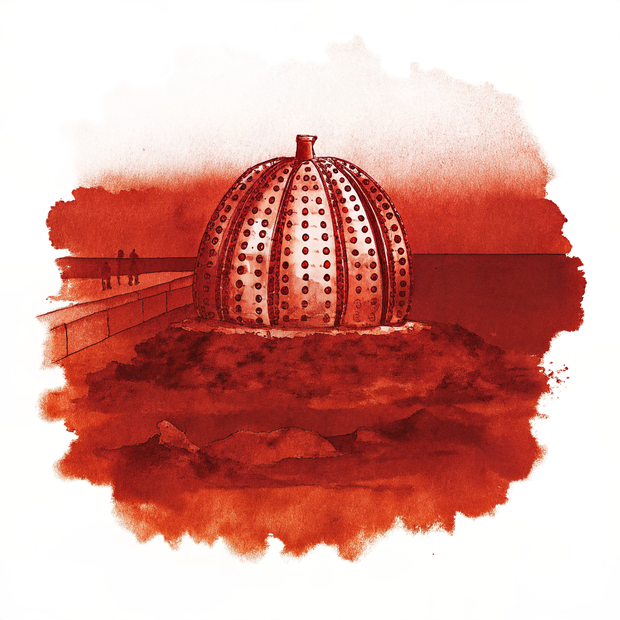
Yayoi Kusama's iconic yellow pumpkin sculpture floats serenely on the pier at Naoshima, its cheerful dots reflected in the mirror-like water below. The soft afternoon light bathes the scene in gentle warmth, while the distant mountains create a serene backdrop across the bay. This whimsical moment captures the island's unique blend of contemporary art and natural beauty, where human creativity meets the quiet rhythm of the sea.
Naoshima Island, Japan study No. 02
Naoshima Island, Japan / 02 VIA / Radu Daniel ( MRD )
Standing beneath the dramatic wooden architecture, one would experience a profound sense of geometric order and architectural grandeur. The still water creates a perfect mirror, doubling the visual impact of the soaring beams while the overcast sky floods the space with soft, diffused light. The mood is contemplative and serene, inviting quiet reflection within this carefully framed landscape.
Naoshima Island, Japan study No. 03
Naoshima Island, Japan / 03 VIA / BERK OZDEMIR
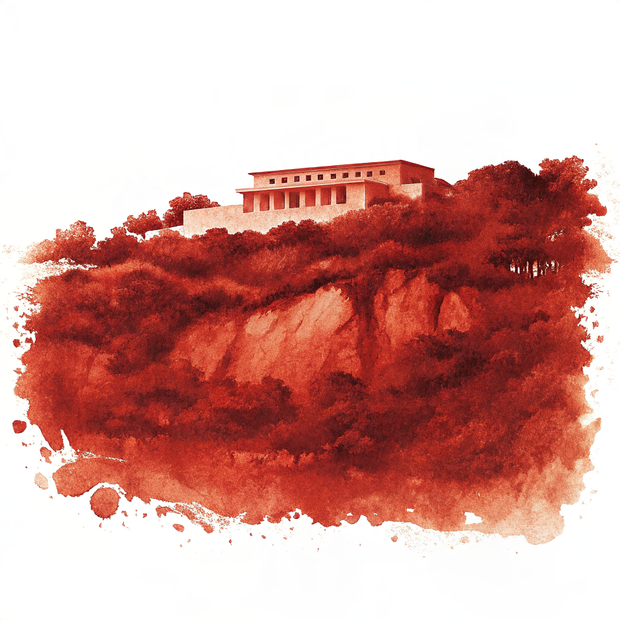
This contemporary structure exemplifies Naoshima's renowned art and architecture scene, with its stark white concrete panels creating geometric precision against the sky. The building's restrained aesthetic is interrupted only by two tall vertical windows and solar panels atop the roof, reflecting the island's commitment to sustainable design. A subtle detail often overlooked is the weathered patina already visible on the concrete surface, suggesting how quickly nature begins to soften even the most austere modern structures.

Where to wander

Archival Note: A curated field study of Naoshima Island, Japan, prioritizing cultural relevance and archival merit. These locations have been meticulously researched and vetted to ensure they represent the most authentic atmosphere for your own expedition.

Local Cuisine Spotlight
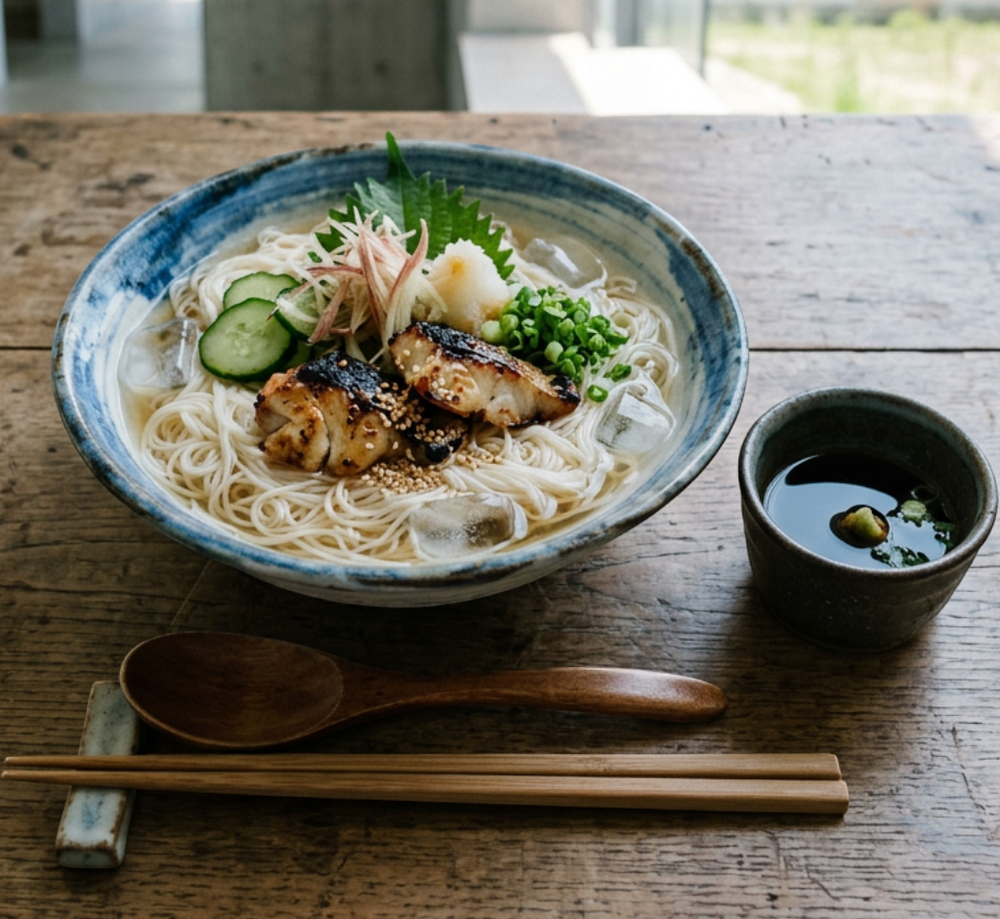
This exquisitely plated noodle dish features perfectly grilled fish with a glossy glaze sitting atop delicate white noodles in a light, aromatic broth. Fresh cucumber, vibrant green onions, and a sprinkle of sesame seeds add textural contrast and bright flavors. The careful composition reflects Naoshima's commitment to elevating simple ingredients into memorable culinary moments.
Credits: THE PAINTED PASSPORT
Local cuisine study in Naoshima Island, Japan

☕︎ Local Flavor

Shio Restaurant at Benesse House

Rating: 5* | Price: $$$$ | Coordinates: 34.4603° N, 133.9947° E

Dining at Shio feels like an extension of the artistic experience that defines Naoshima, with floor-to-ceiling windows framing the sea like a living painting. The menu leans into fresh Seto Inland Sea ingredients prepared with refined Japanese technique and quiet confidence. Every dish arrives with a sense of intention that makes the meal feel like its own form of contemporary art.

View Entry Details

Cafe Salon Naka-Oku

Rating: 4* | Price: $$ | Coordinates: 34.4688° N, 133.9912° E

Nestled within a beautifully restored old townhouse in Honmura, this beloved cafe serves homemade cakes and light meals in an atmosphere that feels genuinely local and unhurried. The handmade lemon tart paired with a carefully brewed pour-over coffee is a combination worth building your afternoon schedule around. Sitting in the small garden courtyard on a sunny afternoon feels like discovering a secret the rest of the world has not yet found.

View Entry Details

Lighthouse Restaurant

Rating: 4* | Price: $$$ | Coordinates: 34.4720° N, 133.9855° E

Perched with sweeping harbor views near Miyanoura port, Lighthouse is the kind of relaxed seafood spot where the freshness of the ingredients does all the talking. Grilled whole fish and seasonal sashimi platters reflect the ocean just visible through the wide windows beside your table. The atmosphere is cheerful and unpretentious, making it an ideal spot to unwind after arriving on the ferry from Uno.

View Entry Details

Hamayu

Rating: 4* | Price: $$ | Coordinates: 34.4695° N, 133.9887° E

This small family-run lunch spot near the port area has earned devoted loyalty from both islanders and returning visitors through its honest, comforting cooking. The udon bowls are thick, silky, and served with a deeply savory broth that speaks of long hours of careful preparation. Portions are generous and prices are fair, making it one of the most satisfying meals you can enjoy between gallery visits on the island.

View Entry Details

🛌︎ Boutique Stays

Benesse House Museum

Rating: 5* | Price: $$$$ | Coordinates: 34.4603° N, 133.9947° E

Sleeping inside a living museum designed by Tadao Ando is an experience that defies easy description. Guest rooms are woven seamlessly into gallery spaces where original artworks greet you at every turn. Waking up to views of the Seto Inland Sea with sculptures dotting the shoreline below is genuinely unforgettable.

View Entry Details

Naoshima Seaside Hotel

Rating: 4* | Price: $$$ | Coordinates: 34.4712° N, 133.9889° E

This welcoming hotel sits right along the waterfront and offers comfortable rooms with lovely sea views at a friendlier price point than the island's famous museum stay. Staff are wonderfully attentive and happy to help you plan your art trail route for each day. The traditional Japanese breakfast served each morning sets a calm and nourishing tone for island exploration.

View Entry Details

Tsutsuji-so Guesthouse

Rating: 4* | Price: $$ | Coordinates: 34.4689° N, 133.9901° E

Tucked into the quiet hillside of Honmura village, this charming guesthouse offers tatami rooms and a genuine sense of local life that larger properties simply cannot replicate. The owners are incredibly warm and often share insider tips about hidden spots most tourists never find. Evenings here feel peaceful and restorative after a full day of cycling and gallery hopping.

View Entry Details

Ryokan Uraashiya

Rating: 4* | Price: $$$ | Coordinates: 34.4701° N, 133.9878° E

This intimate traditional ryokan in the Miyanoura area beautifully blends Japanese hospitality with the artistic spirit that permeates every corner of Naoshima. Rooms are elegantly simple, reflecting the wabi-sabi philosophy celebrated throughout the island's cultural landscape. The kaiseki dinner featuring locally caught seafood is a quiet highlight that guests consistently remember long after returning home.

View Entry Details

📍︎ Field Study

Chichu Art Museum

Rating: 5* | Price: $$ | Coordinates: 34.4581° N, 133.9939° E

Built entirely underground by architect Tadao Ando, the Chichu Art Museum is a profound experience where architecture and art become inseparable from the natural light that animates them both. Claude Monet's Water Lilies series is displayed in a room designed so that natural light changes the paintings throughout the day in ways that feel almost miraculous. Visiting here is a genuinely meditative experience and easily one of the most remarkable museums anywhere in the world.

View Entry Details

Art House Project in Honmura

Rating: 5* | Price: $$ | Coordinates: 34.4690° N, 133.9910° E

The Art House Project transforms traditional wooden homes throughout the historic Honmura neighborhood into site-specific artworks that honor and reimagine the village's living heritage. Each house presents a completely different experience, from James Turrell's meditative light installations to Tatsuo Miyajima's quietly hypnotic LED counters submerged beneath still water. Wandering between these works through narrow village lanes is one of the most unique cultural walks you can take anywhere in Japan.

View Entry Details

Yayoi Kusama's Yellow Pumpkin

Rating: 5* | Price: Free | Coordinates: 34.4598° N, 133.9950° E

Sitting boldly at the end of a weathered pier overlooking the Seto Inland Sea, Kusama's iconic yellow polka-dot pumpkin has become one of the most photographed and genuinely loved sculptures in contemporary art. The sculpture's playful scale against the vast blue water creates a contrast that is both humorous and strangely moving. Visiting at golden hour, when warm light floods the pier and the sea shimmers behind it, is an experience that stays with you for years.

View Entry Details

Lee Ufan Museum

Rating: 5* | Price: $$ | Coordinates: 34.4590° N, 133.9942° E

Another masterwork of collaboration between Tadao Ando's architecture and a singular artistic vision, the Lee Ufan Museum invites visitors to slow down and truly inhabit the space between objects and emptiness. The Korean artist's minimal brushstroke canvases and stone-and-steel sculptures take on extraordinary power within Ando's concrete volumes and carefully choreographed light. Leaving this museum, you find yourself noticing space, silence, and materiality in the everyday world around you in ways you simply did not before.

View Entry Details

Typography

Archival Note: A formal technical study of Naoshima Island, Japan—archiving the coordinates, elevation, and environmental data that define the region. This data serves as a vital record for our ongoing global field study, allowing us to reconstruct the regional atmosphere with archival precision before our physical arrival.

Botanical and pigment specimen study for Naoshima Island, Japan Colors of Naoshima Island, Japan
Coordinates
34.4603° N, 133.9947° E — Naoshima Island, Kagawa Prefecture, Seto Inland Sea, Japan
Historical Epoch
Naoshima shifted from a copper-smelting and fishing economy in the 20th century to an internationally celebrated art island beginning in the 1990s, driven by the Benesse Corporation and architect Tadao Ando.
Elevation
0-100 m / 0-328 ft, low coastal island rising gently to forested hills at its southern end
Atmosphere
Cfa, Humid Subtropical. Naoshima has mild winters and warm, humid summers. Spring and autumn offer the most comfortable temperatures and clearest sea light for exploring on foot or by bicycle.
Observation Hour
06:30. The early morning hour on Naoshima delivers a silver-pink coastal light that skims the Seto Sea and catches the curved forms of the shoreline sculptures before the ferry crowds arrive.
Primary Pigment
Seto Sea Prussian (#1C3F5E) and Oxidized Copper Warm (#8B7355)
Best Time to Visit
March through May, mild temperatures, clear sea light, and cherry blossoms make spring the most rewarding time to explore the island on foot or by bicycle.
Avoid Visiting
July through August, intense heat and humidity combined with peak domestic tourism crowds make the summer months the most challenging for a comfortable visit.

The Local Tongue

Language is the invisible architecture of Naoshima Island, Japan. These entries document the regional vocabulary—capturing the "texture" of local speech that standard translations often miss. Hand-curated expressions reflecting the specific spirit and daily rhythm of the region.
Archival study of Japanese cultural texture

via / Iban Lopez Luna

Primary Language Japanese
Regional Dialect Sanuki dialect (Kagawa Prefecture, Shikoku region)

Ma (間)

Ma (間) translates roughly as 'negative space' or 'the pause between things.' On Naoshima, it describes the way Tadao Ando's Chichu Art Museum uses emptiness as architecture, where a bare concrete corridor flooded with natural light holds as much meaning as any canvas on the wall.

Wabi-sabi (侘び寂び)

Wabi-sabi (侘び寂び) carries the meaning of finding beauty in imperfection and impermanence. In the Honmura district, the concept is visible in every weathered timber and mossy roof tile of the Art House Project, where centuries-old homes are not restored to newness but honored in their earned decay.

Shizen (自然)

Shizen (自然) means 'nature' but implies a deeper sense of things unfolding as they should, without force. On Naoshima, it describes the relationship between the island's pine hills and the sea, and the way the museums are designed to dissolve into the landscape rather than compete with it.

Wait! before you go...

Before you head over to Naoshima Island, Japan, we’ve audited the essential data points for this corner of the world. These notes cover the logistics—from currency ratios to transit hubs—to help you navigate the landscape with clarity.
🚲 Getting Around The main gateway is Uno Port in Okayama Prefecture, reached by train from Okayama Station in roughly 50 minutes. Ferries cross to Naoshima in about 20 minutes and bicycles are the preferred way to move between the island's art sites once ashore.
⚖️ Cash or Card Cash remains essential on Naoshima, particularly at smaller guesthouses, local restaurants, and the Art House Project ticket offices in Honmura. Cards are accepted at Benesse House and the major museums, but carrying Japanese yen is strongly recommended for daily spending.
☁️ Good to Know Silence and slow movement are genuinely valued on Naoshima, and visitors who match that energy tend to have far richer experiences. Speaking quietly in the museums, waiting patiently at ferry queues, and greeting shopkeepers with a small bow are gestures that are noticed and warmly received.
🏧 ATMs There is a Japan Post ATM at the Miyanoura Port area that accepts international cards, and it is the most reliable option for cash access on the island. Visitors arriving from Uno Port should consider withdrawing yen at Okayama Station before making the crossing, as ATM availability on the island is limited.
💳 Currency The Japanese Yen (JPY) is the only accepted currency on Naoshima, and foreign currency exchange is not available on the island itself. Visitors should arrive with sufficient yen withdrawn from ATMs in Okayama or Takamatsu before boarding the ferry.
🔌 Plugs Japan uses Type A outlets with two flat parallel pins at 100V and 50/60Hz. Most international devices work but a voltage check is recommended for sensitive equipment.
🛡️ Safety Naoshima is an exceptionally safe destination with very low crime and a calm, respectful community atmosphere throughout the island. The main practical concern is sun exposure during summer cycling days, as the coastal paths offer little shade and temperatures can climb quickly between July and September.
✈️ Airports Takamatsu Airport (TAK) in Kagawa Prefecture is the closest airport, approximately 90 minutes by bus and ferry from Naoshima. Okayama Airport (OKJ) is also a practical entry point, with train and ferry connections to the island taking roughly two hours in total.

Behind The Scenes

Nathan

Note from the Founder

Hey, did you know this fun fact about Naoshima Island, Japan? Naoshima covers just 14 square kilometers and has a population of around 3,000 people. It receives hundreds of thousands of art visitors annually, outnumbering residents by a significant margin each peak season.
Thank you for exploring the Naoshima Island, Japan series with us. We hope these notes have inspired you to add this incredible destination to your own passport—we are so glad you're here. — Nathan

Some of our Favorites