Shop the Collection

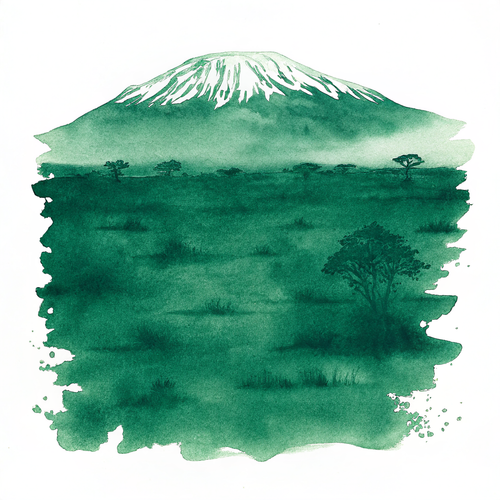
To help you build your own global archive, we've prepared this collection of watercolor studies from our research into Nairobi, Kenya. These artifacts are designed to bring the stillness of this corner of the world into your home.

Original Series Decorative Magnet

A personal study of Nairobi, Kenya, captured in high-fidelity watercolor and prepared for your collection.

Nairobi, Kenya | Original Series Decorative Magnet
Add to Collection / $18
Exclusive Series Artifact

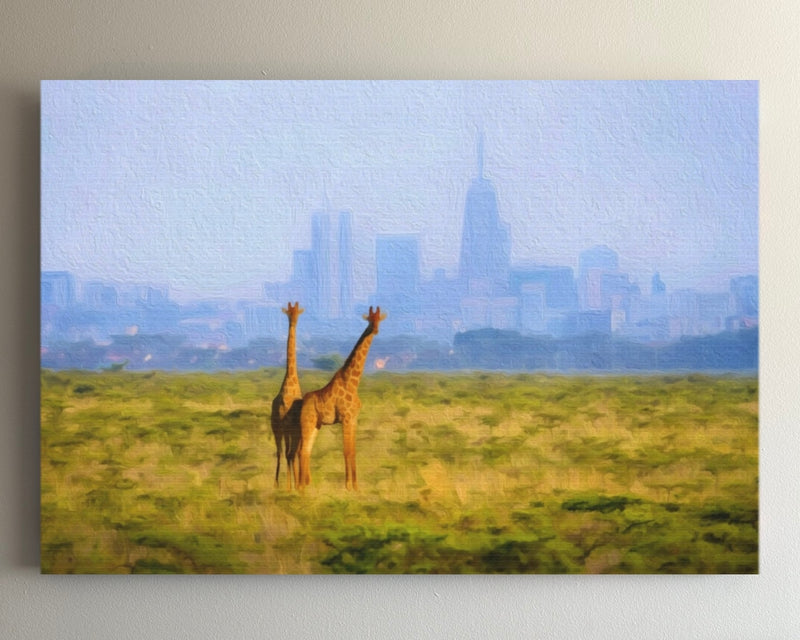
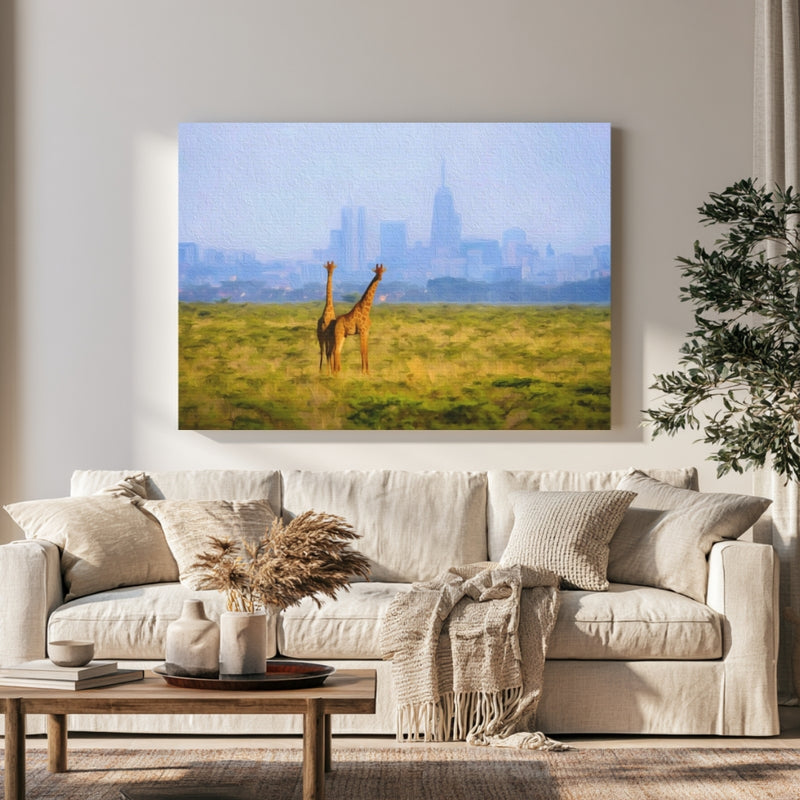
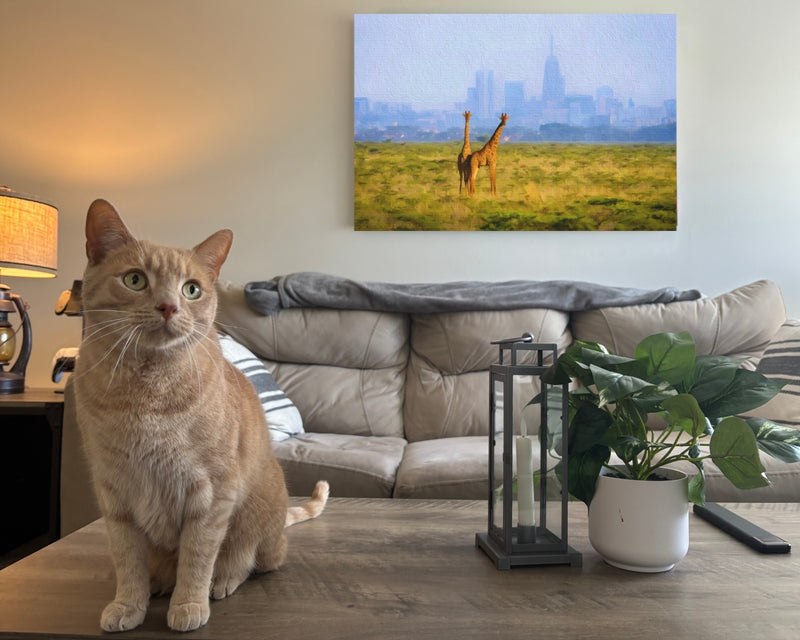
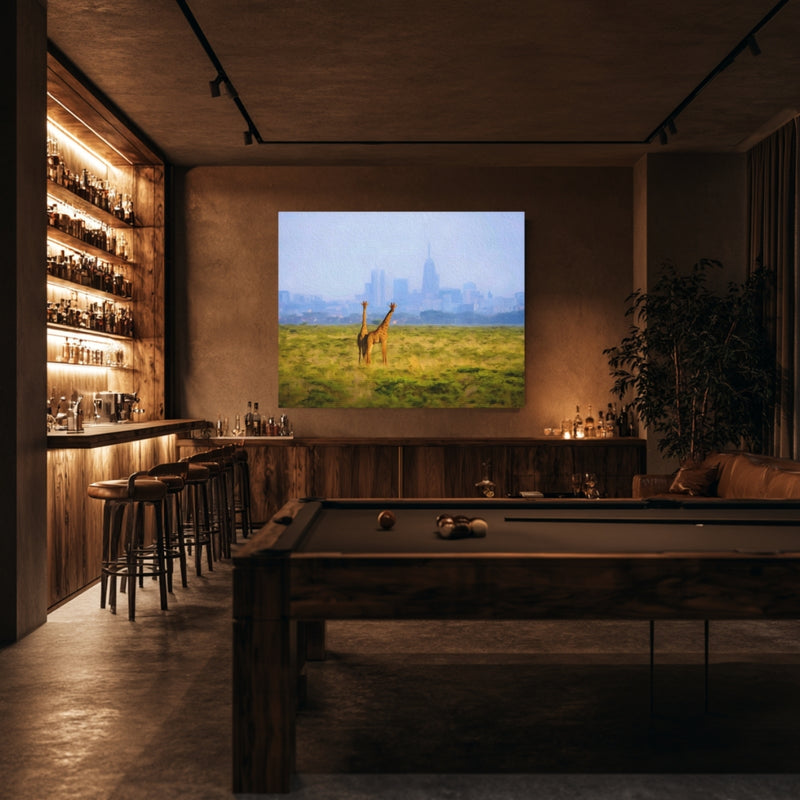
Original Series Gallery Canvas

This high-fidelity canvas is a beautiful way to anchor a room and keep your memories of Nairobi, Kenya fresh long after you've returned home.

Nairobi, Kenya | Original Series Gallery Canvas detail Nairobi, Kenya | Original Series Gallery Canvas detail Nairobi, Kenya | Original Series Gallery Canvas detail Nairobi, Kenya | Original Series Gallery Canvas detail
Add to Collection / $65

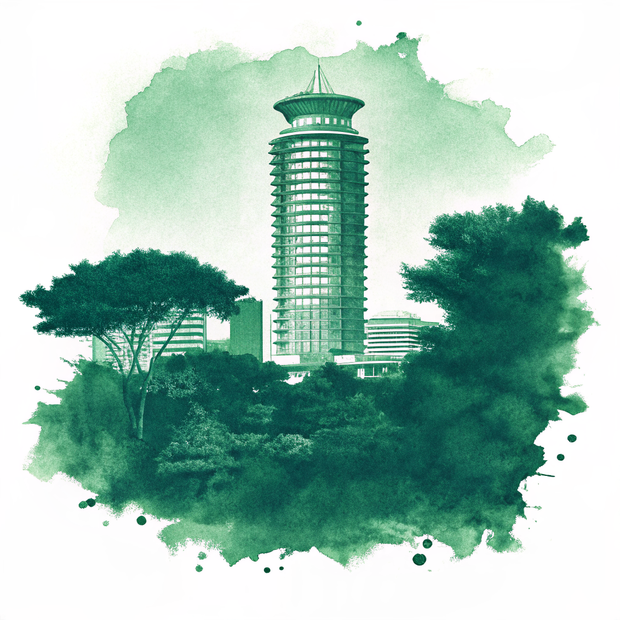
Original Series Hardboard Coaster

A personal study of Nairobi, Kenya, captured in high-fidelity watercolor and prepared for your collection.

Nairobi, Kenya | Original Series Hardboard Coaster
Add to Collection / $18
Exclusive Series Artifact

The Spirit of the Land

Archival Note: A curated field study of Nairobi, Kenya, prioritizing the specific atmospheric stillness of the region. These artifacts have been meticulously sourced from our global archival partners to represent the area’s unique cultural frequency and environmental character. This selection serves as a formal observation for our ongoing global archive, vetted for its visual accuracy and archival merit.

Nairobi, Kenya study No. 01
Nairobi, Kenya / 01 VIA / Amani Nation
Bathed in the warm, golden glow of a peaceful sunset, the striking skyline of Nairobi stands proudly above a lush canopy of green. It is a beautiful reminder of a city where urban ambition and natural tranquility live in perfect harmony. This view inspires a sense of quiet wonder, capturing the vibrant heart of Kenya moving gracefully into the evening.
Nairobi, Kenya study No. 02
Nairobi, Kenya / 02 VIA / Mustafa Omar
The vibrant energy of Nairobi comes alive at night, beautifully mirrored in the glassy, still waters below. Framed by tropical palm trees and illuminated by a gentle play of city lights, the skyline glows with a sense of quiet wonder and modern elegance. It is a peaceful yet inspiring scene that captures the soul of a city that never stops dreaming under the evening sky.
Nairobi, Kenya study No. 03
Nairobi, Kenya / 03 VIA / Grace Nandi
A majestic small herd of zebras grazes peacefully in the golden grasslands, offering a beautiful look into Kenya's raw, untamed wilderness. In the distant background, the rising skyline of Nairobi stands tall under a vast blue sky, creating a breathtaking contrast between nature and human progress. This inspiring view reminds us of a unique world where wildlife and a modern metropolis exist in perfect, quiet harmony.

Where to wander

Archival Note: A curated field study of Nairobi, Kenya, prioritizing cultural relevance and archival merit. While we haven't touched down here yet, we’ve meticulously vetted these locations through our global network of contributors to ensure they represent the most authentic atmosphere for your own expedition.

Local Cuisine Spotlight
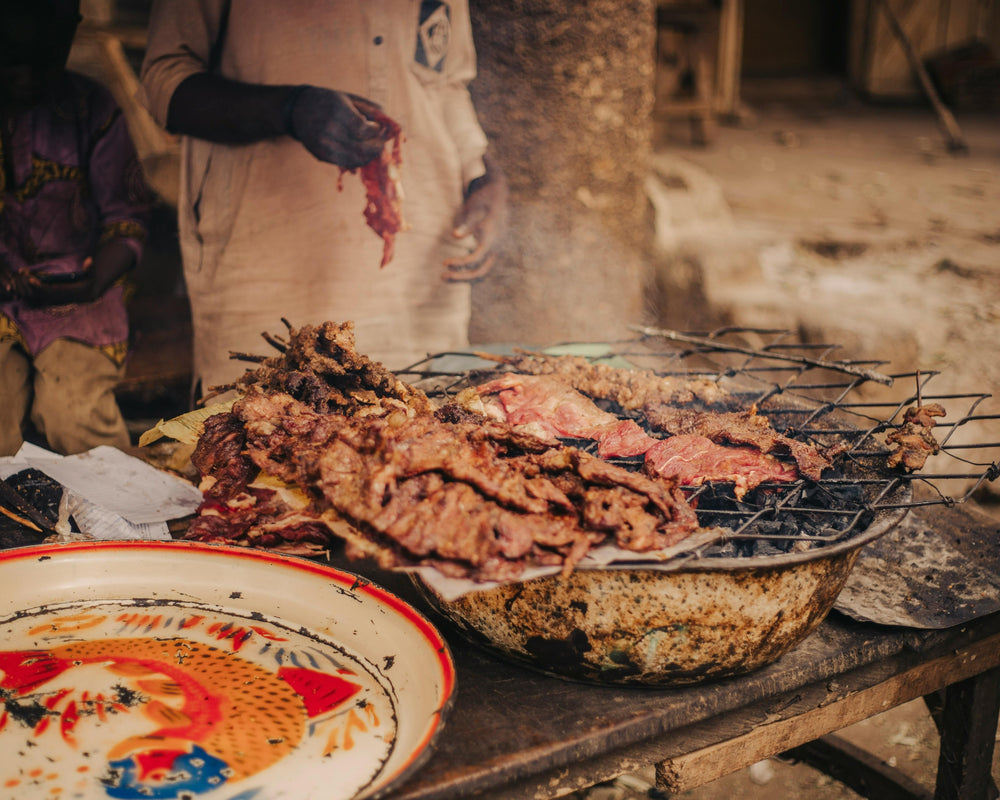
The rich, savory aroma of seasoned meat sizzling over hot coals captures the inviting heart of local culinary traditions. This lively street food scene, centering around the beloved Kenyan tradition of nyama choma, brings people together through a shared appreciation for simple, authentic flavors cooked with care. It is a peaceful yet deeply comforting glimpse into the everyday warmth, community, and rich heritage found in local flavors.
Credits: the northern lense
Local cuisine study in Nairobi, Kenya

☕︎ Local Flavor

Carnivore Restaurant

Rating: 4.7★ | Price: $$$ | Coordinates: 1.3192° S, 36.8219° E

Enter the most famous restaurant in East Africa — a cavernous open-air boma built around a central pit fire where Maasai-sword skewers of game meat rotate continuously over charcoal, and where the meal ends only when you lower your white flag of surrender. The Carnivore has operated on the Langata Road since 1980 and functions as the primary document of the East African nyama choma tradition elevated to theatrical restaurant format: ostrich, crocodile, camel, and Kenyan beef rotating simultaneously over a fire that is visible from every table. It is simultaneously a tourist institution and a genuine archive of the Kenyan relationship between fire, meat, and communal eating.

View Entry Details

The Talisman Restaurant

Rating: 4.8★ | Price: $$$$ | Coordinates: 1.2841° S, 36.7823° E

Occupy a table in the garden of a 1920s colonial bungalow in Karen, where the kitchen produces a menu that treats the full range of East African, Indian Ocean, and Cape Malay culinary traditions as equal primary sources. The Talisman is the most sophisticated document of post-colonial Kenyan cuisine — a menu that acknowledges the Indian, Arabic, Swahili, and British layers of the Nairobi food economy without privileging any one of them. The garden setting in the Karen suburb, adjacent to the Ngong Hills, is the most beautiful dining environment in the city.

View Entry Details

Mercado: Nairobi Food Market

Rating: 4.6★ | Price: $$ | Coordinates: 1.2921° S, 36.7756° E

Navigate the weekend market at Mercado in Karen, where the stalls document the full contemporary range of the Nairobi food economy: artisanal Kenyan coffee from the highlands farms of Nyeri and Kirinyaga, Swahili coast preparations of coconut fish and biriani, Ethiopian injera alongside Kenyan pilau, and the entire vocabulary of the East African street food tradition in a single open-air space. The market is a weekly census of Nairobi's culinary demographics and the most accurate cross-section of who cooks what in the city's most cosmopolitan suburb.

View Entry Details

Nyama Mama

Rating: 4.7★ | Price: $$ | Coordinates: 1.2864° S, 36.8172° E

Enter the most important document of contemporary Kenyan comfort food in Nairobi — a bright, casual restaurant that treats the full vocabulary of Kenyan home cooking with the same precision and pride that a Parisian bistro applies to French cuisine. The menu is organized around the dishes that every Kenyan grew up eating: nyama choma and ugali, pilau and biryani, mukimo and irio, githeri and matumbo — prepared with high-quality ingredients and presented without apology or irony. Nyama Mama is the restaurant that proved that Kenyan cuisine deserves its own formal dining context, and it remains the most influential address in the Nairobi food scene for understanding what the city actually eats.

View Entry Details

🛌︎ Boutique Stays

Giraffe Manor

Rating: 4.9★ | Price: $$$$ | Coordinates: 1.3672° S, 36.7489° E

Inhabit the most photographed hotel in Africa — a 1930s Scottish manor house in the Langata suburb where the resident Rothschild's giraffe herd arrives at the breakfast windows each morning to eat from the guests' hands, inserting their long blue-black tongues into the dining room with the casual authority of animals that have occupied this territory longer than the building. Giraffe Manor is set within twelve acres of indigenous forest on the boundary of the Nairobi National Park and operates as a conservation partner of the African Fund for Endangered Wildlife, which has bred and released over thirty Rothschild's giraffe since 1979. It is the most directly experiential wildlife encounter available within a luxury hotel context anywhere on earth.

View Entry Details

The Norfolk Hotel

Rating: 4.7★ | Price: $$$$ | Coordinates: 1.2741° S, 36.8156° E

Occupy the oldest continuously operating hotel in Nairobi — a 1904 colonial institution that has hosted Theodore Roosevelt, Winston Churchill, Karen Blixen, and Beryl Markham, and that remains the most historically embedded address in the city. The Norfolk sits at the edge of the University of Nairobi grounds in the city center and functions as a living archive of the British East Africa period, with its colonnaded verandahs, tiled floors, and Lord Delamere Terrace bar preserving the physical grammar of the colonial social world that shaped modern Kenya. The Long Bar is where the safari era was planned, financed, and celebrated.

View Entry Details

Hemingways Nairobi

Rating: 4.9★ | Price: $$$$ | Coordinates: 1.2856° S, 36.7534° E

Settle into the finest boutique hotel in Karen, where the forty-five rooms are arranged around indigenous gardens with views of the Ngong Hills, and where the architecture employs Kenyan stone, reclaimed teak, and handwoven textiles in a vocabulary that references the colonial Karen aesthetic without reproducing it literally. Hemingways is the most ecologically and culturally coherent luxury hotel in Nairobi, positioned in the suburb where Karen Blixen farmed and wrote, and operating as the most sophisticated base for day trips to the Maasai Mara, Amboseli, and the Rift Valley lakes.

View Entry Details

House of Waine

Rating: 4.8★ | Price: $$$$ | Coordinates: 1.3156° S, 36.7423° E

Occupy one of thirteen rooms in a restored colonial farmhouse in Karen, where the property is arranged around a swimming pool and garden with views of the Ngong Hills escarpment. House of Waine is the most intimate luxury address in Nairobi — a property that functions more as a private home than a hotel, with personalized service, a kitchen that sources from the Karen farmers' market, and a location that places guests within fifteen minutes of the Giraffe Centre, the Karen Blixen Museum, and the Nairobi National Park entrance. It is the best base for understanding the Karen suburb as a living archive of the colonial Kenyan Highlands.

View Entry Details

📍︎ Field Study

Nairobi National Park: Dawn Game Drive

Rating: 4.8★ | Price: $$ | Coordinates: 1.3500° S, 36.8219° E

Drive through the only national park in the world located within a capital city's boundary, where lion, leopard, cheetah, buffalo, and black rhino roam freely against the backdrop of the Nairobi skyline four kilometers to the north. The park covers forty-five square miles of highland savanna, acacia forest, and seasonal wetland — a functioning wildlife ecosystem that exists because the Nairobi National Park was gazetted in 1946, before the city grew large enough to surround it. The dawn game drive is the defining Nairobi experience: the moment when the giraffe silhouettes against the glass towers resolve into focus and the impossibility of the city becomes legible.

View Entry Details

Karen Blixen Museum

Rating: 4.7★ | Price: $ | Coordinates: 1.3589° S, 36.6934° E

Enter the farmhouse that Karen Blixen occupied from 1917 to 1931, preserved exactly as it was when she left Kenya for Denmark following the collapse of her coffee farm and the death of Denys Finch Hatton. The museum documents the physical context of Out of Africa — the specific light of the Karen suburb, the Ngong Hills on the horizon, the layout of the farm that Blixen described in the opening pages of the book. It is a vital archival visit for understanding the colonial Kenyan Highlands as a physical place rather than a literary abstraction, and for calibrating the precise distance between Blixen's account of the country and the country that actually existed.

View Entry Details

Giraffe Centre

Rating: 4.8★ | Price: $ | Coordinates: 1.3672° S, 36.7489° E

Ascend the feeding platform at the African Fund for Endangered Wildlife's Giraffe Centre, where the resident Rothschild's giraffe herd — one of the most endangered giraffe subspecies on earth, with fewer than 800 individuals remaining in the wild — arrives to feed from your outstretched hand at eye level. The centre has bred and released over thirty Rothschild's giraffe to wild sanctuaries since 1979 and functions as the primary conservation and education facility for the subspecies in East Africa. It is the most directly educational wildlife encounter available within the Nairobi city boundary and the essential counterpart to the national park game drive.

View Entry Details

David Sheldrick Wildlife Trust: Elephant Nursery

Rating: 4.9★ | Price: $ | Coordinates: 1.3541° S, 36.7823° E

Visit the elephant orphanage of the David Sheldrick Wildlife Trust during the daily public hour, where the infant elephants rescued from across Kenya — orphaned by poaching, drought, or human-wildlife conflict — are brought out into the red-dust compound to be fed, socialized, and observed by visitors. The DSWT has hand-raised and successfully reintegrated over 270 orphaned elephants into the wild since 1977, making it the most successful large-mammal orphan rescue and rehabilitation programme on earth. The visit is a vital field study in the conservation economics of Kenya's elephant population and the most emotionally direct wildlife encounter available in Nairobi.

View Entry Details

Typography

Archival Note: A formal technical study of Nairobi, Kenya—archiving the coordinates, elevation, and environmental data that define the region. This data serves as a vital record for our ongoing global field study, allowing us to reconstruct the regional atmosphere with archival precision before our physical arrival.

Botanical and pigment specimen study for Nairobi, Kenya Colors of Nairobi, Kenya
Coordinates
1.2864° S, 36.8172° E — Equatorial Highlands plateau above the Rift Valley floor, Nairobi County, Kenya
Historical Epoch
Uganda Railway depot established in 1899. British East Africa capital from 1905. Kenyan independence in 1963.
Elevation
1,795 m / 5,889 ft. The equatorial Highlands plateau giving the city its perpetual spring climate.
Atmosphere
Subtropical Highland (Cwb). Warm dry season June through September, long rains March through May, short rains October and November, cool evenings year-round.
Observation Hour
07:00 AM. Thin brilliant Highlands light at dawn produces the deep blue sky and sharp giraffe silhouettes against the skyline.
Primary Pigment
Laterite Red (#C1714A) and Acacia Highland Green (#4A7C59)
Best Time to Visit
July through September. Clearest skies, best wildlife viewing and peak season for the Maasai Mara wildebeest migration nearby.
Avoid Visiting
April through May. Long rains flood the national park, obscure the Ngong Hills and make city traffic significantly worse.

The Local Tongue

Language is the invisible architecture of Nairobi, Kenya. These entries document the regional vocabulary—capturing the "texture" of local speech that standard translations often miss. Hand-curated expressions reflecting the specific spirit and daily rhythm of the region.
Archival study of Swahili cultural texture

via / MC G'Zay

Primary Language Swahili
Regional Dialect Nairobi Sheng

Jambo (ˈdʒɑːmbəʊ)

Hello in Swahili, understood everywhere in Kenya and across the East African coast. Responding with a smile and a jambo sana signals that you understand something about where you are and who you're speaking with.

Pole pole (ˈpɒleɪ ˈpɒleɪ)

Slowly, slowly in Swahili and the philosophical operating principle of the East African social world. In Nairobi where a five-kilometer journey can become a forty-five-minute meditation, it is the most useful two words in the language.

Hakuna matata (həˈkuːnə məˈtɑːtə)

No worries, no problem in Swahili, and genuinely the actual response to a wide range of situations in Kenya. It encodes a real cultural orientation toward accepting difficulty and continuing life, and in Nairobi it is the sentence that holds the city together.

Wait! before you go...

Before you head over to Nairobi, Kenya, we’ve audited the essential data points for this corner of the world. These notes cover the logistics—from currency ratios to transit hubs—to help you navigate the landscape with clarity.
🚲 Getting Around Uber is your absolute best friend in Nairobi and works reliably throughout the city. The Karen and Langata suburbs are the most rewarding area for day activities but you'll need a car since they're spread out and best explored with your own wheels.
⚖️ Cash or Card Nairobi is the most card-friendly city in East Africa with Visa and Mastercard accepted at hotels, restaurants and major shops. Lean about 70% card and keep 30% Kenyan Shilling cash for the Maasai Market, street food and tipping.
☁️ Good to Know Giraffe Manor books out months in advance so sort that one early and the David Sheldrick elephant nursery public hour at 11 AM daily needs a reservation. Traffic in Nairobi is genuinely brutal during rush hours (7 to 9 AM and 5 to 8 PM) so build generous time buffers into every journey.
🏧 ATMs ATMs are at the airport, Westgate Mall, Village Market and Sarit Centre with Equity Bank, KCB, Standard Chartered and Barclays Kenya all working reliably with international cards. Notify your bank before travel and you'll have zero issues.
💳 Currency You'll be spending Kenyan Shillings (KES) as the sole transaction currency with USD accepted at hotels and for national park fees. M-Pesa mobile money is the most widely used payment system in Kenya and can be activated with a local SIM making daily life incredibly convenient.
🔌 Plugs Kenya uses Type G plugs, the three rectangular flat-pin socket shared with the UK, at 240V. USB charging ports are available at most hotels and a UK adapter or universal adapter is all you need.
🛡️ Safety Nairobi is completely safe in the main visitor areas including Karen, Langata, Westlands and Gigiri. Use Uber rather than street taxis, keep your phone out of sight in crowded spots like the Maasai Market and the CBD needs a little more awareness after dark.
✈️ Airports Jomo Kenyatta International Airport (NBO) is 15 km from the city center with direct flights from London (8.5 hrs), Amsterdam (8.5 hrs), Dubai (5 hrs), Paris (9 hrs) and all major African hubs. Wilson Airport (WIL) in the city handles the domestic safari charters to the Maasai Mara, Amboseli and Lamu.

Behind The Scenes

Nathan

Note from the Founder

Hey, did you know this fun fact about Nairobi, Kenya? Nairobi National Park has never had a fence on its southern boundary meaning lions, leopards, cheetahs and black rhinos move freely between the park and the Kitengela conservation corridor just 4 km from downtown skyscrapers!
Thank you for exploring the Nairobi, Kenya series with us. We hope these notes have inspired you to add this incredible destination to your own passport—we are so glad you’re here. — Nathan

The Magnets

The Coasters

The Canvas