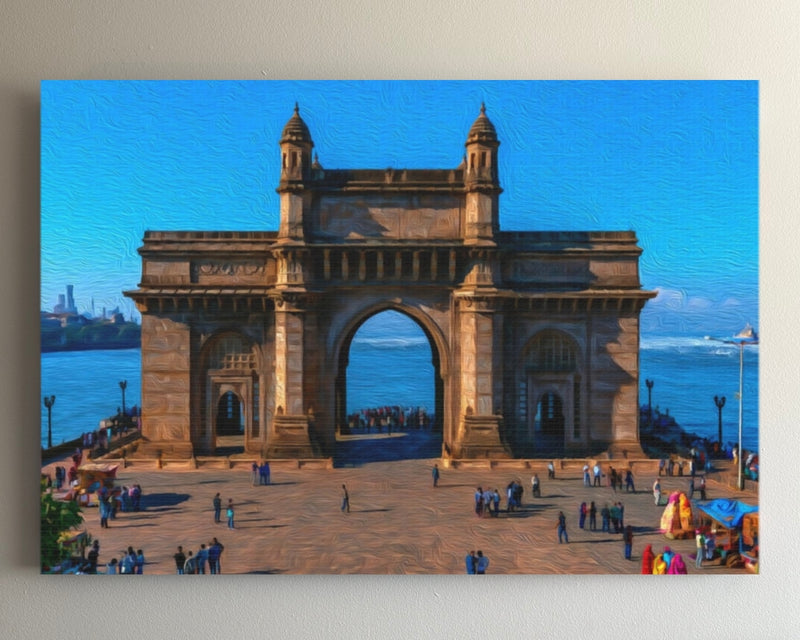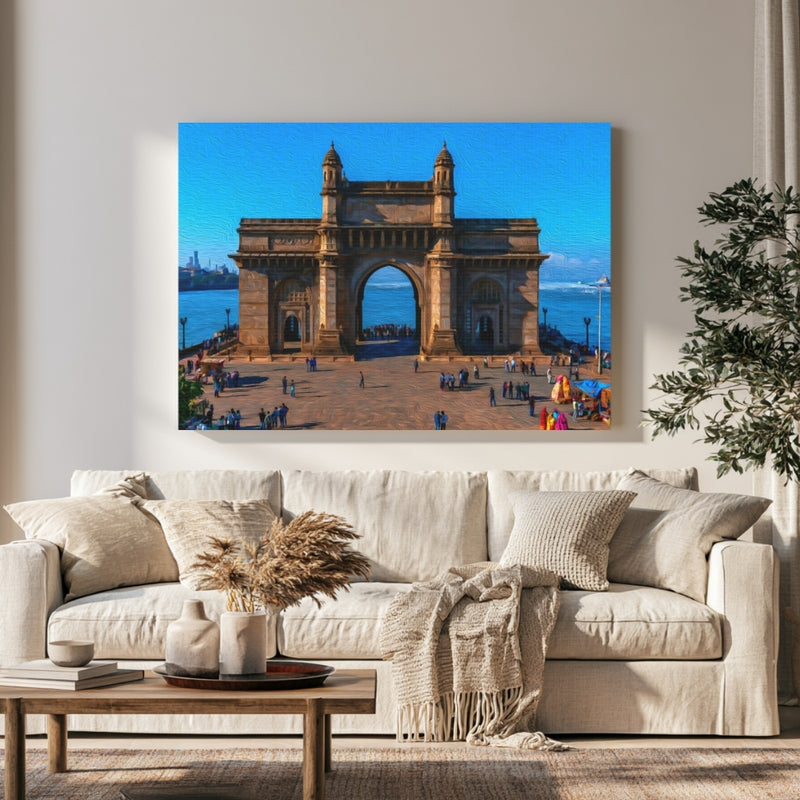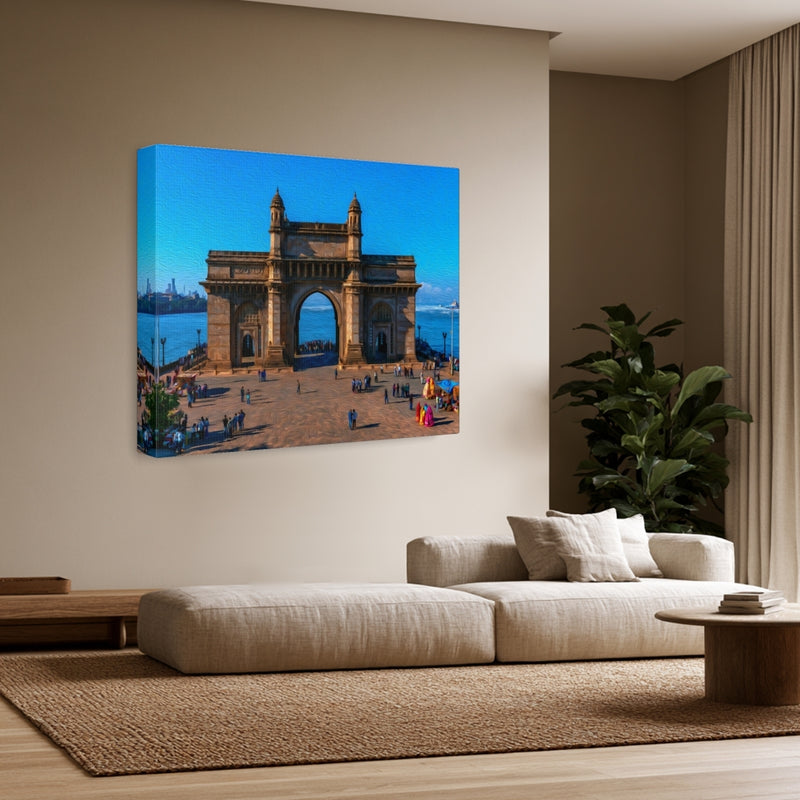
The Real Mumbai
More than a shop, each page is an immersive guide to the real Mumbai: local tips and tricks, the language you'll hear, where to eat, stay, and explore, the lay of the land, and a fun fact to carry home — every canvas mapped to the very spot it was painted.
Mumbai, India | Where the Arabian Sea meets a city that never exhales
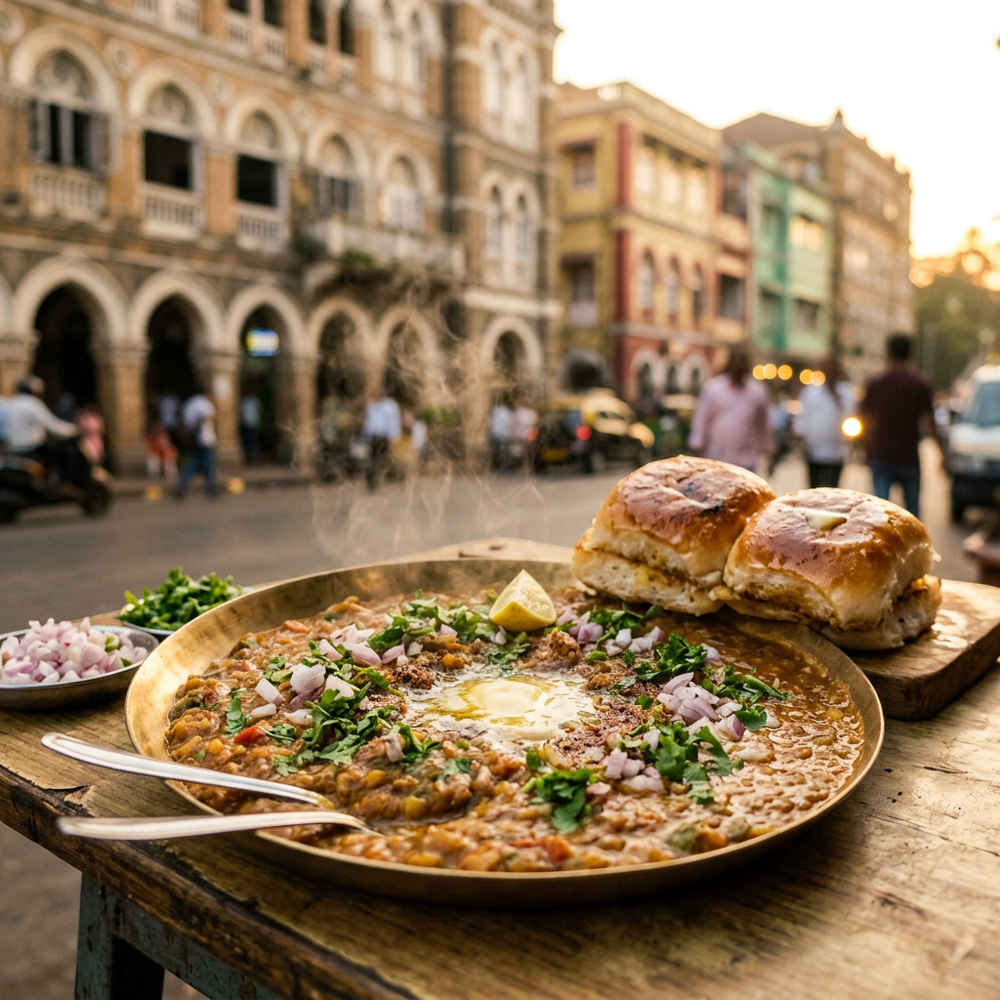
Mumbai is a city that operates at full volume, all the time. Its Victorian Gothic architecture rises beside Art Deco apartment blocks, fishing villages press up against gleaming towers, and the smell of chai and salt air follows you everywhere from Colaba to Bandra. This is a place shaped by centuries of trade, migration, and reinvention, first as a cluster of islands home to Koli fisherfolk, then as a colonial port, and now as the financial and creative engine of a billion-plus nation. The light here is extraordinary, thick and golden in the early morning, blazing white at noon, then dissolving into pink and amber as the sun drops into the sea along Marine Drive.
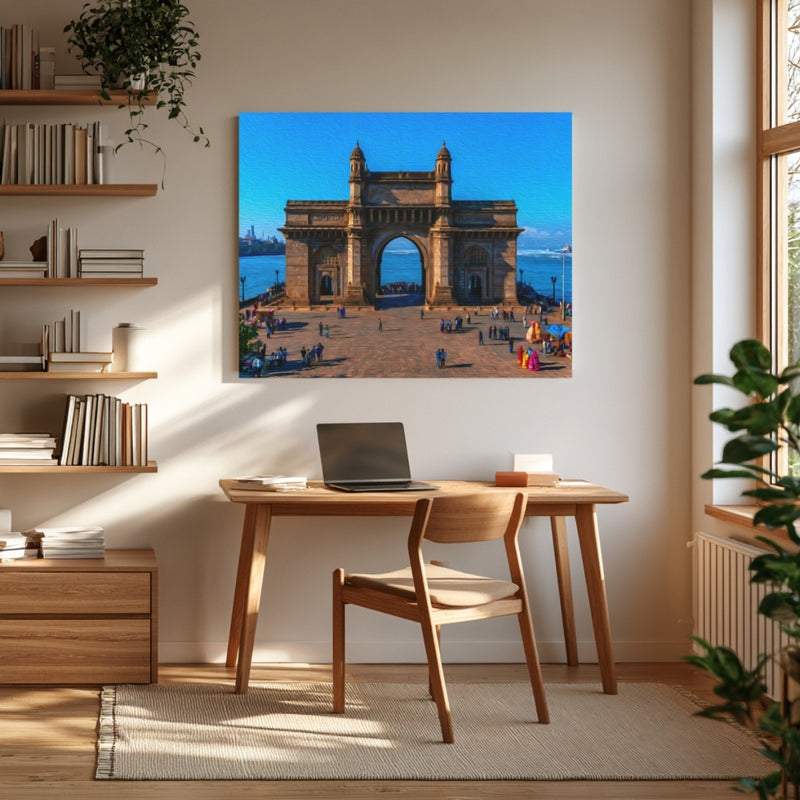
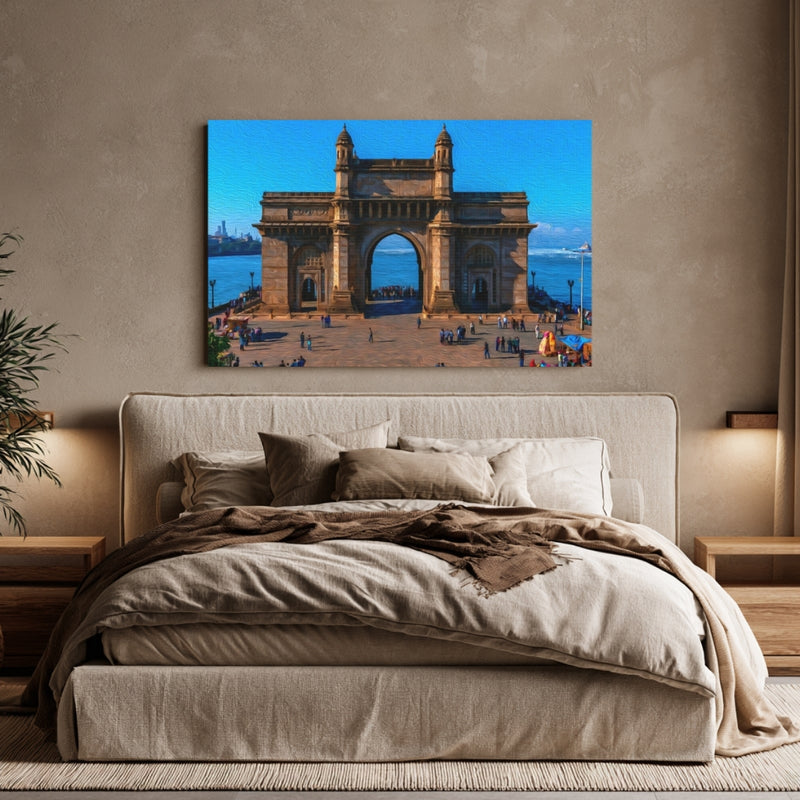
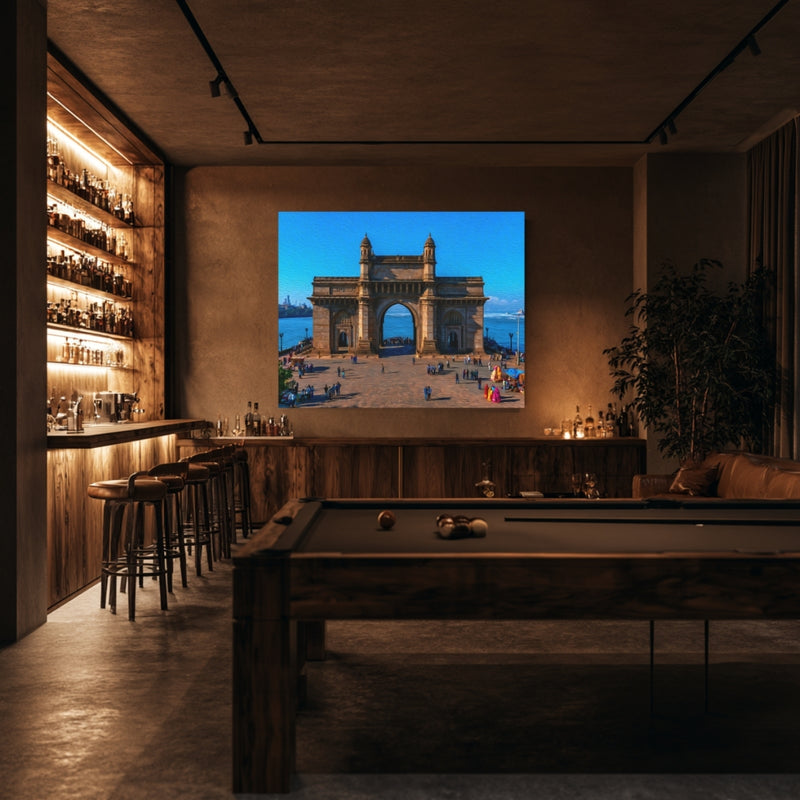
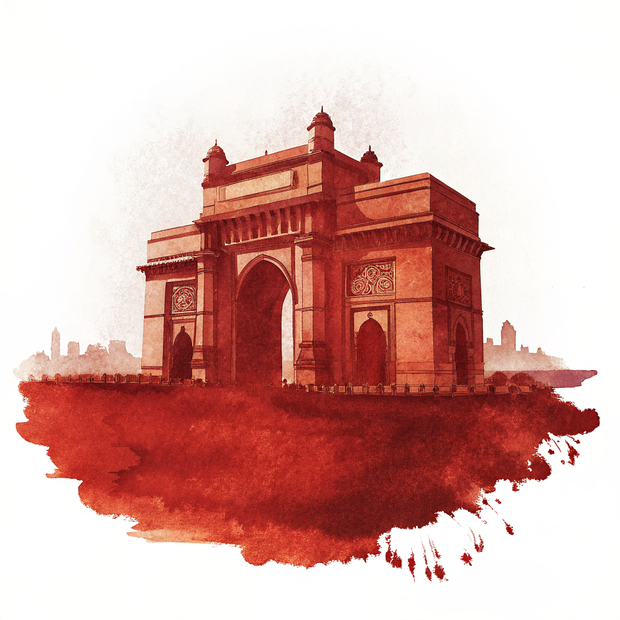
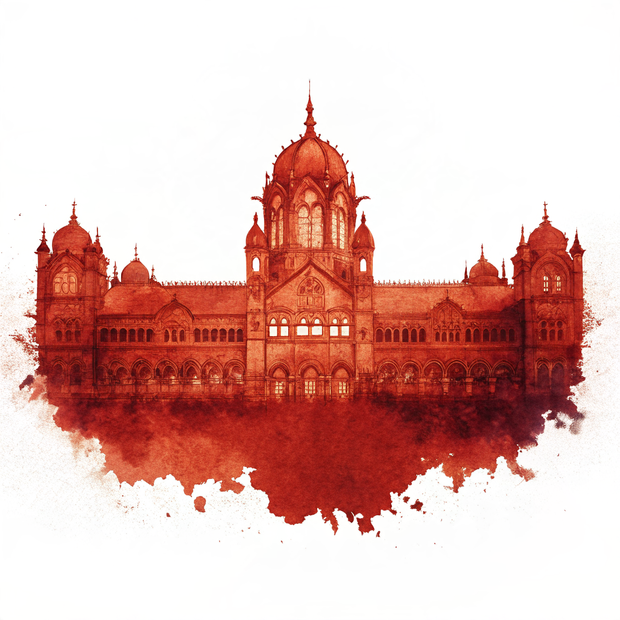
To paint Mumbai is to work with a palette that is simultaneously warm and chaotic. The watercolors lean toward saffron and turmeric for the street-level energy, deep indigo and colonial ochre for the grand facades, and a hazy, humid blue-grey for the monsoon skies that drape the city in a soft, gauzy wash for months at a time. Touches of rust and terracotta belong to the older neighborhoods, while the sea itself calls for a muted teal, shifting to silver wherever the light catches the water along the bay.
We hope you love getting lost in Mumbai through the art below — and that one of these canvases finds a home on your wall. Happy travels, from all of us at The Painted Passport.