Shop the Collection

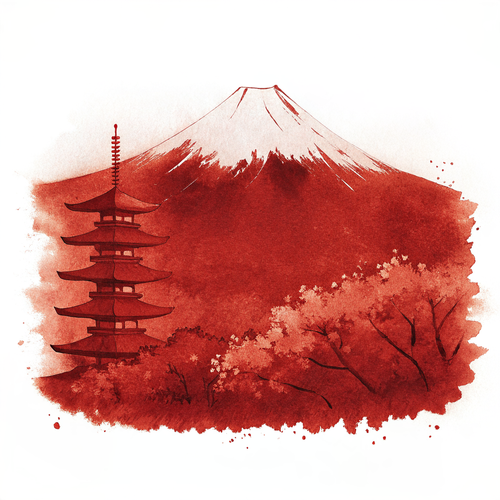
To help you bring a piece of your journey home, we've put together this collection of watercolor studies from our time in Mount Fuji, Japan. These are our favorite ways to keep the spirit of the trip alive.

Original Series Decorative Magnet

A lovely, high-res reminder for your fridge or workspace. This watercolor magnet is the perfect small token to remember your Mount Fuji, Japan adventure.

Mount Fuji, Japan | Mount Fuji Foliage | Original Series Decorative Magnet
Add to Collection / $18
Exclusive Series Artifact

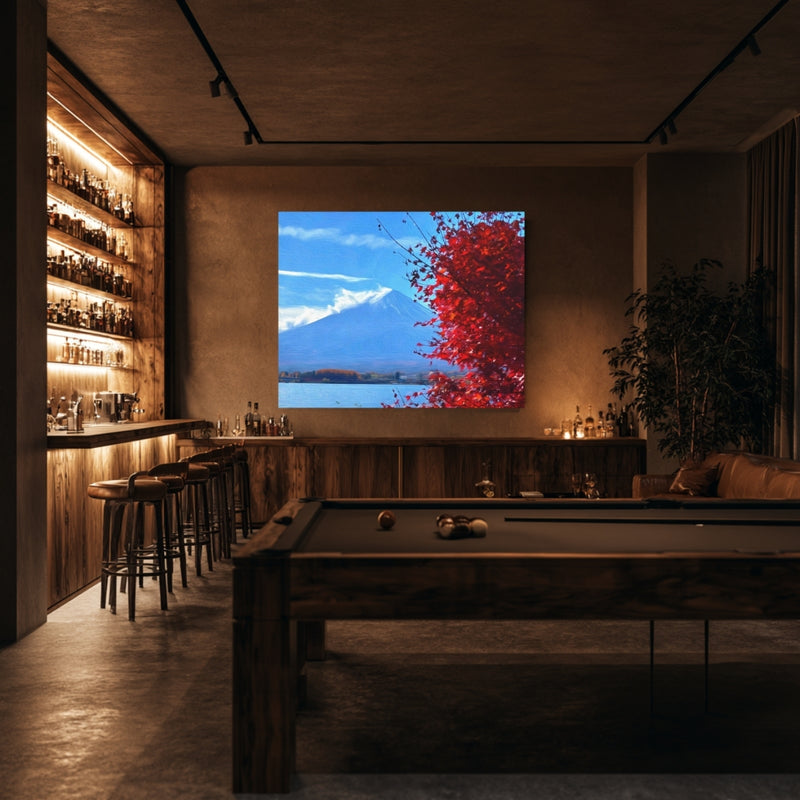
Original Series Gallery Canvas

This high-fidelity canvas is a beautiful way to anchor a room and keep your memories of Mount Fuji, Japan fresh long after you've returned home.

Fuji, Japan | Mount Fuji Foliage | Original Series Gallery Canvas detail Fuji, Japan | Mount Fuji Foliage | Original Series Gallery Canvas detail Fuji, Japan | Mount Fuji Foliage | Original Series Gallery Canvas detail Fuji, Japan | Mount Fuji Foliage | Original Series Gallery Canvas detail
Add to Collection / $65

Original Series Hardboard Coaster

A wonderful companion for your morning coffee. This coaster captures the atmosphere of Mount Fuji, Japan in a functional, beautiful way.

Mount Fuji, Japan | Mount Fuji Foliage | Original Series Hardboard Coaster
Add to Collection / $18
Exclusive Series Artifact

The Spirit of the Land

Archival Note: Documented personally during our time in Mount Fuji, Japan. While we leverage a global network of contributors to provide these high-fidelity visual artifacts, each selection is curated to reflect the specific, quiet frequencies we experienced on the ground. These textures serve as a formal study of the unhurried light and environmental character that defined our journey.

Mount Fuji, Japan study No. 01
Mount Fuji, Japan / 01 VIA / Matt Liu
The familiar blue glow of a Lawson convenience store stands in sharp, neon contrast against the timeless silhouette of Mount Fuji. As the violet dusk settles over the peak, the quiet intersection of daily life and ancient majesty creates a masterclass in contemporary Japanese stillness.
Mount Fuji, Japan study No. 02
Mount Fuji, Japan / 02 VIA / Tomáš Malík
The Chureito Pagoda stands in elegant, tiered symmetry, its crimson accents grounding the scene against the ethereal, snow-dusted peak of Mount Fuji. Framed by the quiet reach of pine branches, the ancient mountain and the watchful spire create a masterclass in architectural and natural stillness.
Mount Fuji, Japan study No. 03
Mount Fuji, Japan / 03 VIA / Dũng Eric
A vast, vibrant field of pink Shibazakura blossoms stretches toward the horizon, creating a striking sea of color beneath a soft blue sky. In the distance, the majestic, snow-capped peak of Mount Fuji rises with a timeless sense of gravity, offering a masterclass in the quiet harmony between earth and sky.

Where to wander

Archival Note: These recommendations were curated personally during our time in Mount Fuji, Japan to capture the textures that defined the quiet frequencies of the trip. Every entry here is a place we genuinely love; we hope these notes inspire you to wander off the main path and discover the same stillness we found on the ground.

Local Cuisine Spotlight
A curation of artisanal sake bottles stands as the centerpiece of an evening meal, their varied labels and elegant silhouettes reflecting a deep-toned, communal warmth. Surrounded by fresh salads and the quiet hum of conversation, the table becomes a masterclass in the Japanese art of hospitality and the restorative power of shared rituals.
Credits: Xtra, Inc.
Local cuisine study in Mount Fuji, Japan

☕︎ Local Flavor

Fujinomiya Sake Brewery and Sengen Shrine Heritage Walk

Rating: 4.8★ | Price: $$ | Coordinates: 35.2262° N, 138.6111° E


Navigate the ancient pilgrimage routes of Fujinomiya to unearth the symbiotic relationship between volcanic filtration and the craft of sake. The experience centers on the use of Wakutama-ike spring water—melted snow filtered through layers of porous basalt for decades—to produce a beverage of unparalleled structural purity. This journey is a sensory archive, documenting how the hydrological cycle of the mountain dictates the biological rhythm of the local fermentation guilds.

View Entry Details

Shizuoka Green Tea Harvest & Hishiyama Study

Rating: 4.9★ | Price: $$ | Coordinates: 35.1517° N, 138.6483° E

Ascend the meticulously terraced slopes of Hishiyama to engage with the architecture of the Camellia sinensis plant under the shadow of the peak. Participants observe the traditional hand-rolling techniques where the friction of palm against leaf releases the chlorophyll-dense aromas unique to the volcanic soil of Shizuoka. This interaction serves as a physical manuscript of Japan’s agricultural lineage, preserving the labor-intensive methods that predate mechanized industry.

View Entry Details

Hitoana Fujiko Historical Gastronomy Experience

Rating: 4.7★ | Price: $$$ | Coordinates: 35.3444° N, 138.5833° E

Discover the austere culinary habits of the Fujiko pilgrims through a curated tasting of traditional shojin ryori (devotional cuisine) near the sacred Hitoana cave. The meal emphasizes local root vegetables and buckwheat, ingredients chosen for their hardiness and symbolic connection to the mountain's rugged terrain. This encounter functions as an anchor for the region’s spiritual identity, tracing the evolution of sustenance from ascetic necessity to cultural art form.

View Entry Details

Fujiyoshida Textile & Silk Weaver Workshop

Rating: 4.6★ | Price: $$ | Coordinates: 35.4833° N, 138.8000° E

Unearth the intricate weaving patterns of Kai-silk, a textile tradition that flourished during the Edo period due to the region's abundant, mineral-rich water. The workshop highlights the mechanical rhythmic beauty of the looms and the specific use of natural indigo dyes that mirror the deep blues of the Fuji silhouette. This study preserves the lineage of craftsmanship, documenting the transition of Fujiyoshida from a rugged climbing hub to a sophisticated center of textile innovation.

View Entry Details

🛌︎ Boutique Stays

Fuji Speedway Hotel (Unbound Collection)

Rating: 4.8★ | Price: $$$ | Coordinates: 35.3711° N, 138.9256° E

Discover a rare convergence of high-octane engineering and Zen-like serenity within this striking contemporary structure. The building’s aesthetic leans heavily on sleek lines and glass expanses, housing a dedicated motorsports museum that archives the mechanical evolution of Japanese racing. It stands as a physical manuscript of Japan's post-war industrial ambition, anchored by the timeless presence of Fuji as its silent spectator.

View Entry Details

Hotel Grand Fuji

Rating: 4.5★ | Price: $$ | Coordinates: 35.1581° N, 138.6750° E

Navigate the understated elegance of a classic Shizuoka establishment that prioritizes the "Old World" Japanese service ethos. The interior design features heavy cedar accents and a refined mid-century sensibility that avoids contemporary flash in favor of enduring comfort. This stay is an archival experience, preserving the dignity of traditional Japanese hospitality in a rapidly modernizing travel landscape.

View Entry Details

Fujisan Onsen Kaneyamaen

Rating: 4.7★ | Price: $$$$ | Coordinates: 35.4744° N, 138.8192° E

Unearth the profound physical sensation of soaking in pH-rich volcanic waters within a sprawling estate known for its masterfully manicured Zen gardens. The ryokan’s architecture emphasizes the sukiya-zukuri style, utilizing natural woods and tatami to create a harmonious flow between the baths and the seasonal foliage. This site acts as an anchor for the city's cultural identity, documenting the centuries-old tradition of ritual purification before the mountain ascent.

View Entry Details

Konansou

Rating: 4.7★ | Price: $$$ | Coordinates: 35.5055° N, 138.7672° E

Navigate the corridors of a premier ryokan where the architecture balances the weight of Taisho-era tradition with the transparency of modern glass engineering. The structure features private outdoor baths constructed from hinoki cypress, allowing guests to inhale the sharp scent of wet wood while observing the mountain’s silhouette across Lake Kawaguchi. This establishment is a vital archive of Japanese bathing culture, preserving the lineage of communal healing and providing a physical manuscript of the region’s hospitality evolution.

View Entry Details

📍︎ Field Study

Mt. Fuji World Heritage Centre Architectural Study

Rating: 4.9★ | Price: $ | Coordinates: 35.2197° N, 138.6108° E

Ascend the 193-meter internal spiral ramp of this Shigeru Ban-designed marvel, an inverted lattice cone that mirrors the mountain's geometry in a reflecting pool. The structure is a masterpiece of timber engineering, utilizing locally sourced cypress to create a lattice that is both structurally resilient and visually ethereal. This center is a vital archive, preserving the global significance of Fuji through sensory exhibitions and advanced cartographic data

View Entry Details

Shiraito Falls: A Hydrological Pilgrimage

Rating: 4.8★ | Price: $ | Coordinates: 35.3122° N, 138.5886° E

Discover the "Silk Thread" falls, where groundwater from Fuji’s snowmelt emerges through the joints of a 20-meter-high basalt wall. Unlike traditional river-fed falls, these springs represent the mountain’s internal plumbing, creating a fine mist that has been a site of purification for centuries. The location serves as a physical manuscript of the mountain's geological power, documenting the slow, invisible filtration process that sustains the surrounding ecosystem.

View Entry Details

Arakura Sengen Shrine & Chureito Pagoda

Rating: 4.7★ | Price: $ | Coordinates: 35.5033° N, 138.8014° E

Navigate the 398 steps to reach the iconic five-story pagoda, an architectural tribute to the fallen of the First World War. The structure utilizes traditional vermilion lacquer and tiered rooflines to create a striking contrast against the perennial white of the Fuji summit. This site is an anchor for Japanese visual identity, preserving a specific aesthetic moment that fuses spiritual devotion with national remembrance.

View Entry Details

Yamamiya Sengen Shrine: The Ancient Worship Site

Rating: 4.6★ | Price: $ | Coordinates: 35.2550° N, 138.6194° E

Unearth the primitive roots of Fuji worship at this unique shrine which, notably, lacks a Honden (main hall). Instead, worshippers face the mountain directly through a clearing in the ancient trees, acknowledging the peak itself as the deity’s physical body. This site documents the transition from early nature-worship to organized Shintoism, serving as a silent archive of the mountain's earliest religious significance.

View Entry Details

Typography

Archival Note: We have personally documented these geographic specs for Mount Fuji, Japan to ensure every watercolor study is anchored in real-world data. By cataloging the precise elevation, light cycles, and historical epochs, we provide a technical foundation that justifies the atmospheric stillness captured in our visual artifacts.

Botanical and pigment specimen study for Mount Fuji, Japan Colors of Mount Fuji, Japan
Coordinates
35.3606° N, 138.7274° E — Honshu, Fuji-Hakone-Izu National Park
Historical Epoch
Shinto pilgrimage site established in the Heian Period (794 CE). First Western ascent by Sir Rutherford Alcock in 1860. UNESCO World Heritage Cultural Site inscription in 2013 for artistic and spiritual influence.
Elevation
3,776 m / 12,389 ft — Japan's highest peak and an active stratovolcano
Atmosphere
Humid Continental at the base grading to Subarctic above 2,500 meters. Heavy winter snowpack, hot humid summers at the fifth station, and year-round cold at altitude with rapid afternoon weather changes.
Observation Hour
04:45. Pre-dawn light separates the mountain silhouette from the sky over Kawaguchiko — the Diamond Fuji alignment occurs twice yearly when the sun rises or sets precisely through the summit crater.
Primary Pigment
Sacred Indigo (#002366) and Ash Gray (#B2BEB5)
Best Time to Visit
July through September — the rainy season has cleared, the summit snow is at its minimum, and the Diamond Fuji sunrise is accessible from Lake Kawaguchiko
Avoid Visiting
December through March — the summit is closed to climbers, the 5th Station is icy, and the lake-reflection views are partially obscured by snow

The Local Tongue

Language is the invisible architecture of Mount Fuji, Japan. These entries document the regional vocabulary—capturing the "texture" of local speech that standard translations often miss. Hand-curated expressions reflecting the specific spirit and daily rhythm of the region.
Archival study of Japanese cultural texture

via / André Costa

Primary Language Japanese
Regional Dialect Kōshū-ben

Fuji-san (富士山)

Fuji-san is the standard Japanese form of address for the mountain — the honorific "san" (山, mountain) appended to the name as a mark of respect that reflects the mountain's status as a sacred site in Shinto tradition. Fuji has been a site of pilgrimage for over 1,200 years and is registered as a UNESCO World Heritage Cultural Site specifically for its spiritual and artistic influence on Japanese culture, not for its natural landscape.

Shinrin-yoku (森林浴)

Shinrin-yoku — literally "forest bathing" — is the Japanese practice of spending time in forested environments for psychological restoration, developed as a public health concept in the 1980s and now supported by significant clinical research. The Aokigahara forest at the northwestern base of Fuji, with its unusual stillness and dense canopy caused by the volcanic rock floor absorbing sound, is one of the most specific environments for the practice in Japan.

Komorebi (木漏れ日)

Komorebi is the Japanese word for the interplay of light and shadow produced when sunlight filters through a forest canopy — the dappled, moving patterns on the ground and the shafts of light between the leaves that have no precise equivalent in English. At Fuji in October, when the deciduous trees on the lower slopes turn and the morning light catches the maples at the fifth station, komorebi describes the specific quality of the light that makes that hour unrepeatable.

Wait! before you go...

Before you head over to Mount Fuji, Japan, we wanted to share a few basic tips we picked up along the way. These notes cover the simple things—like how to get around or what to do about cash—so you can spend less time worrying and more time just enjoying the place.
🚲 Getting Around The Fujikyu Railway connects Shinjuku in Tokyo to Kawaguchiko Station at the base of the mountain in approximately 2 hours — the most direct public transit route. From Kawaguchiko, the Fujikyuko Bus network (Red, Green, and Blue lines) connects to the Fuji Five Lakes, Aokigahara, and the fifth station trailhead on the Yoshida Trail. A Suica or Pasmo IC card loaded on a phone covers all transit in the region without the need for paper tickets.
⚖️ Cash or Card 55% Cash, 45% Card. The mountain huts on the climbing routes and the smaller shrine offices on the trails are strictly cash-only — arriving at the eighth station at 3,000 meters without Yen is a serious logistical problem. The Kawaguchiko town area and major transport hubs are fully card-compatible, but the further from town, the more essential physical Yen becomes.
☁️ Good to Know The official climbing season for Fuji runs from early July to mid-September — outside this window the mountain huts are closed, the trails are not maintained, and local authorities issue non-binding recommendations against climbing. The Yoshida Trail from the fifth station is the most trafficked route and is genuinely crowded on summer weekends; the Subashiri and Gotemba trails on the southern and eastern faces see a fraction of the traffic and offer a meaningfully different experience.
🏧 ATMs 7-Bank ATMs inside any 7-Eleven convenience store are the most reliable option for international cards in the Fuji Five Lakes region — available 24 hours, English language interface, and accepting Visa, Mastercard, and most foreign debit cards. Japan Post ATMs at the Kawaguchiko post office are the secondary option. ATM access becomes very limited above the fifth station trailhead.
💳 Currency Japanese Yen (JPY) is the currency. Cash is structurally important in the Fuji region in a way that is less true in central Tokyo — the mountain economy operates significantly on physical notes and coins. The 500 yen coin and 100 yen coin are used constantly for trail vending machines, shrine offerings, and the coin-operated luggage lockers at Kawaguchiko Station.
🔌 Plugs Type A (two flat parallel pins, 100V, 50/60Hz) — Japan's 100V standard is unique globally and technically lower than the 110V North American standard, though the difference is imperceptible for most modern electronics. High-wattage heat tools (hair dryers, curling irons) rated for 110V or 120V may underperform. Most camera chargers, laptops, and phone chargers handle the voltage automatically.
🛡️ Safety Fuji generates its own microclimate with dramatic, rapid weather changes — summit temperatures can be 20°C lower than the fifth station regardless of the season, and afternoon thunderstorms build quickly in summer. The standard safety protocol is to begin the summit climb at midnight to reach the crater rim at sunrise before afternoon weather deteriorates. Mountain sickness (altitude-related headache and nausea) is common above 3,000 meters even for fit hikers who ascend too quickly.
✈️ Airports Haneda International (HND) is the most efficient gateway for the Fuji region — connected to Shinjuku by the Keikyu Line and then the Fujikyu Railway for a total journey of under 2.5 hours. Mt. Fuji Shizuoka Airport (FSZ) on the southern side of the mountain offers direct regional connections and a dramatically close approach over the southern slopes on clear days, with the mountain filling the left-side cabin windows on the final descent.

Behind The Scenes

Nathan

Note from the Founder

Hey, did you know this fun fact about Mount Fuji, Japan? Mount Fuji is actually a private property. The top of the mountain (from the 8th station up) belongs to the Fujisan Hongu Sengen Taisha shrine, not the Japanese government.
Thank you for exploring the Mount Fuji, Japan series with us. We hope these notes have inspired you to add this incredible destination to your own passport—we are so glad you’re here. — Nathan

The Magnets

The Coasters

The Canvas