Shop the Collection

To help you build your own global archive, we've prepared this collection of watercolor studies from our research into Mostar, Bosnia and Herzegovina. These artifacts are designed to bring the stillness of this corner of the world into your home.

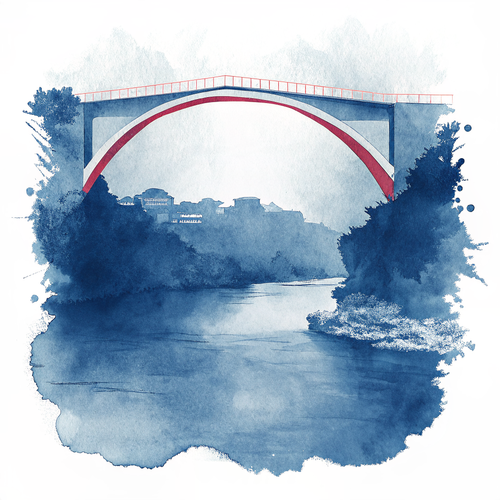
Original Series Decorative Magnet

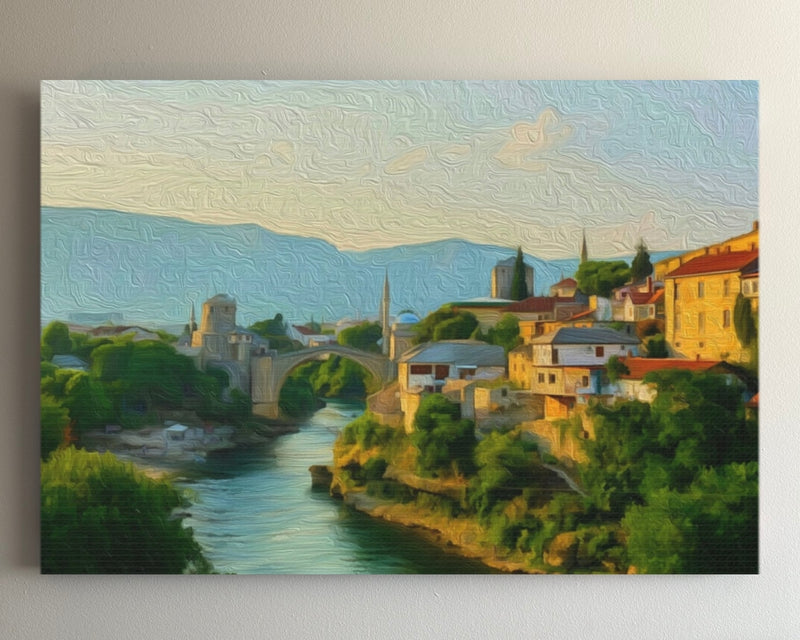
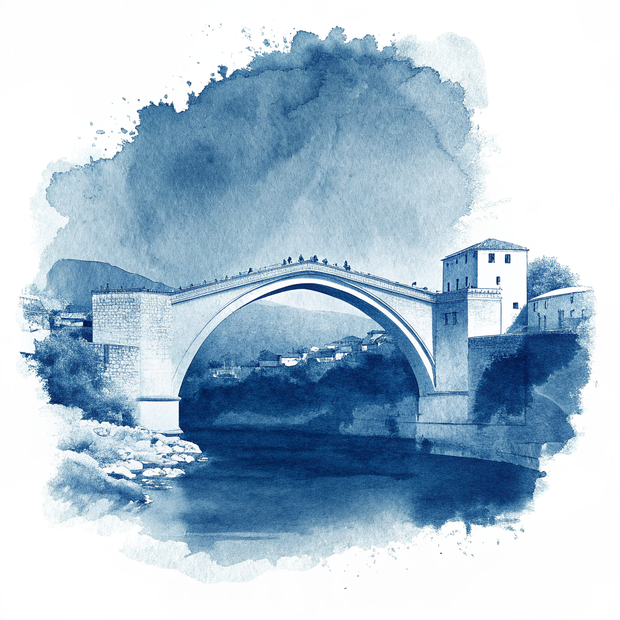
A personal study of Mostar, Bosnia and Herzegovina, captured in high-fidelity watercolor and prepared for your collection.

Mostar, Bosnia and Herzegovina | Old Bridge and Neretva | Original Series Decorative Magnet
Add to Collection / $18
Exclusive Series Artifact

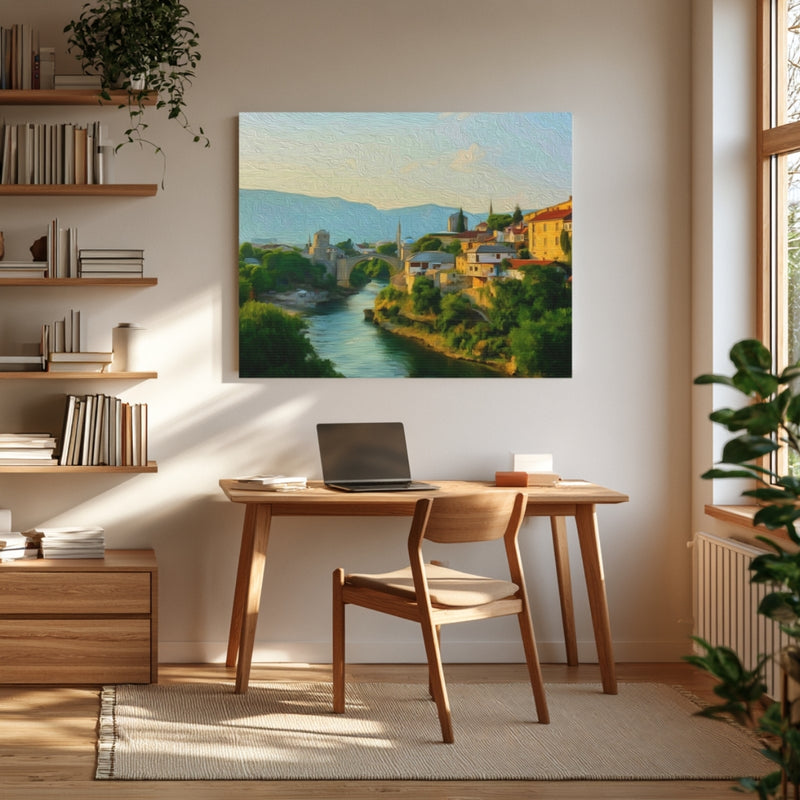
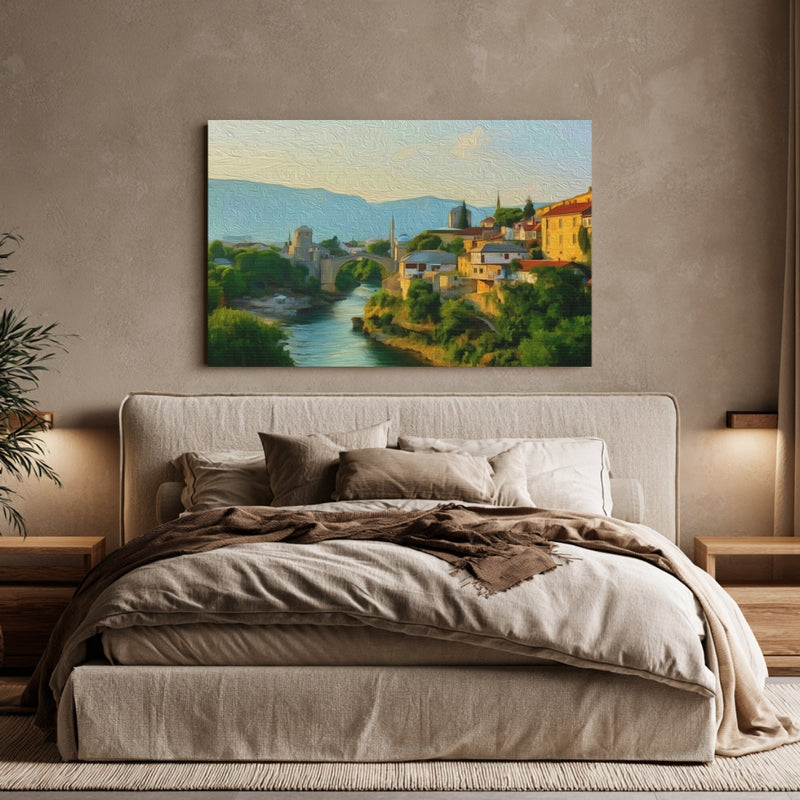
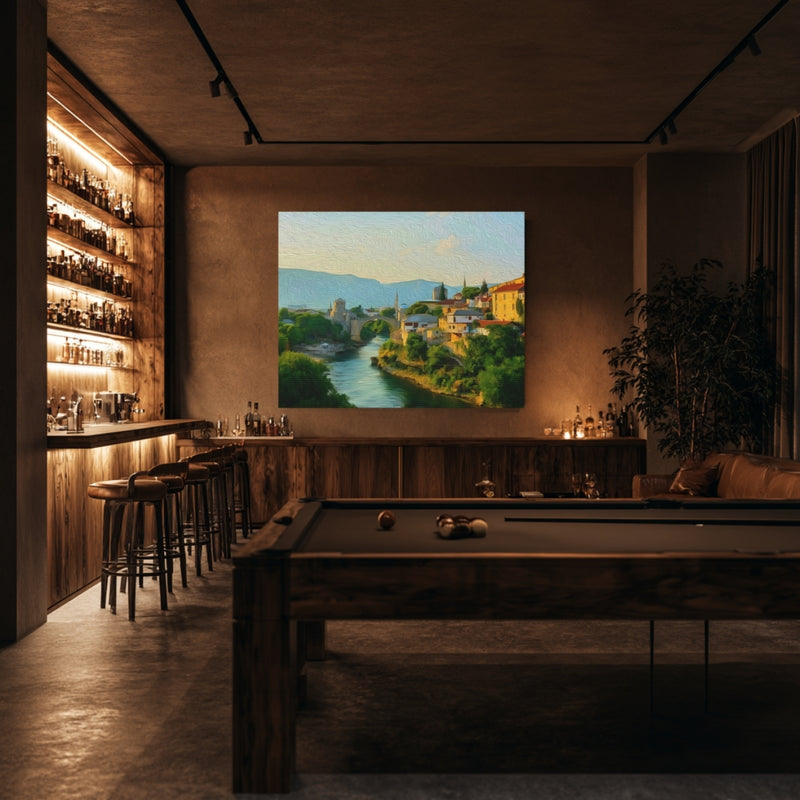
Original Series Gallery Canvas

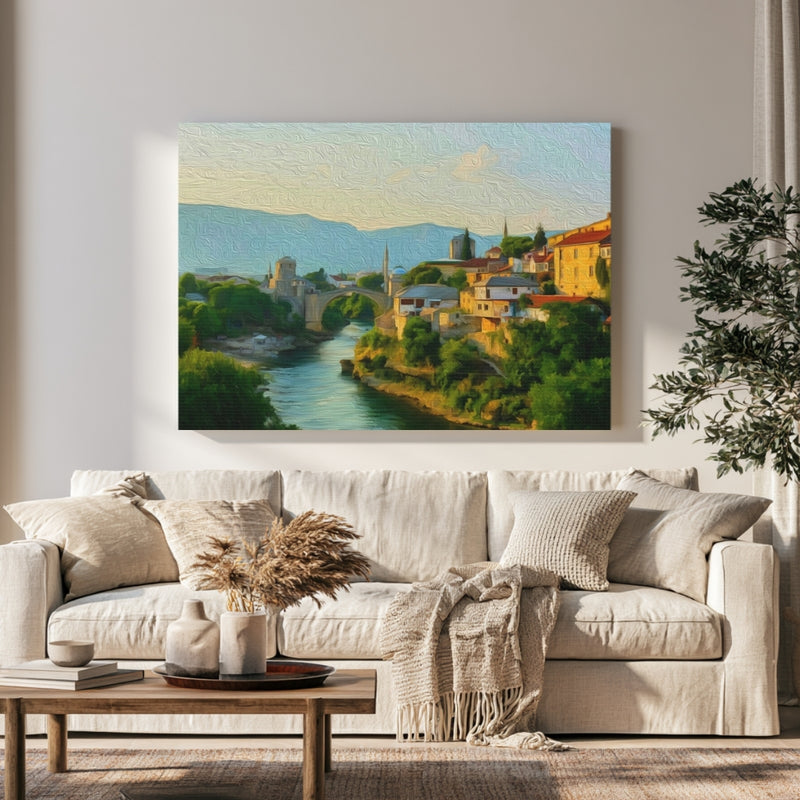
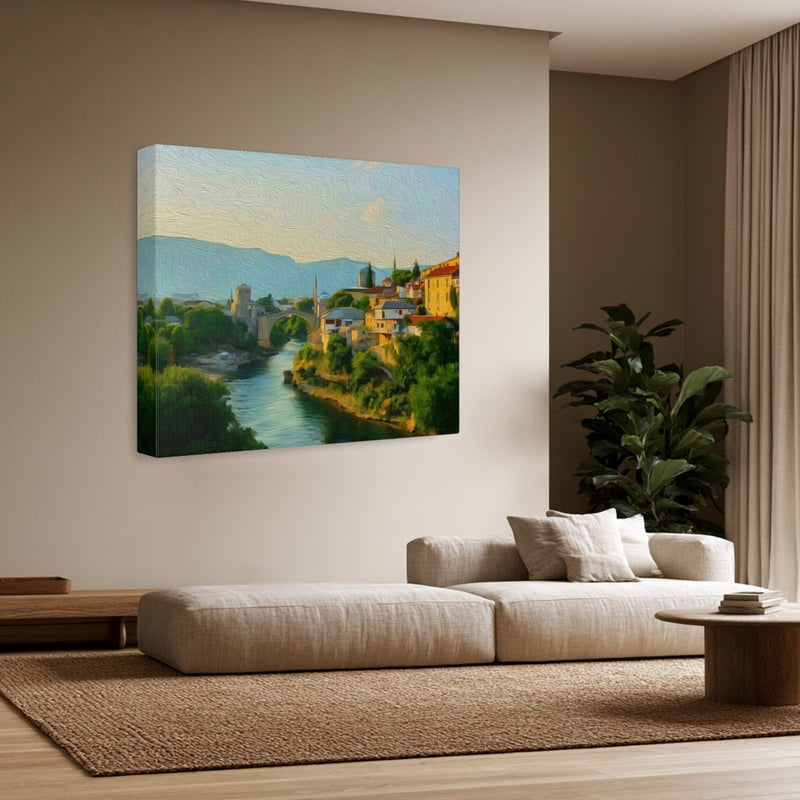
This high-fidelity canvas is a beautiful way to anchor a room and keep your memories of Mostar, Bosnia and Herzegovina fresh long after you've returned home.

Mostar, Bosnia and Herzegovina | Old Bridge and Neretva | Original Series Gallery Canvas detail Mostar, Bosnia and Herzegovina | Old Bridge and Neretva | Original Series Gallery Canvas detail Mostar, Bosnia and Herzegovina | Old Bridge and Neretva | Original Series Gallery Canvas detail Mostar, Bosnia and Herzegovina | Old Bridge and Neretva | Original Series Gallery Canvas detail
Add to Collection / $65

Original Series Hardboard Coaster

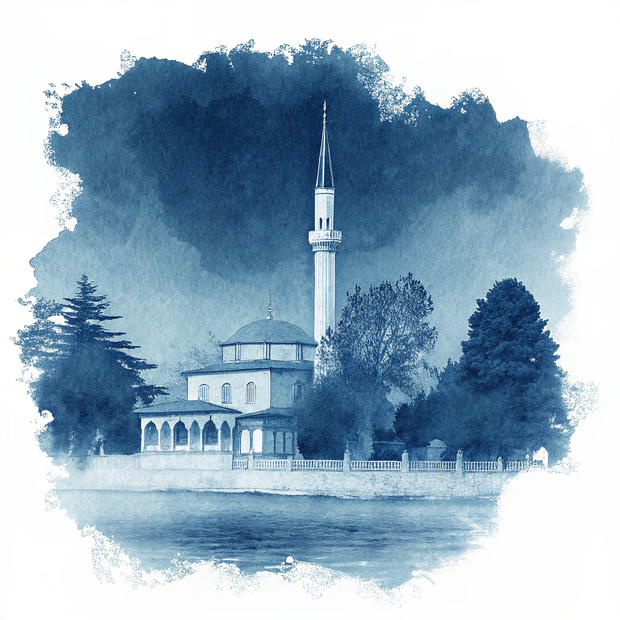
A personal study of Mostar, Bosnia and Herzegovina, captured in high-fidelity watercolor and prepared for your collection.

Mostar, Bosnia and Herzegovina | Old Bridge and Neretva | Original Series Hardboard Coaster
Add to Collection / $18
Exclusive Series Artifact

The Spirit of the Land

Archival Note: A curated field study of Mostar, Bosnia and Herzegovina, prioritizing the specific atmospheric stillness of the region. These artifacts have been meticulously sourced from our global archival partners to represent the area's unique cultural frequency and environmental character. This selection serves as a formal observation for our ongoing global archive, vetted for its visual accuracy and archival merit.

Mostar, Bosnia and Herzegovina study No. 01
Mostar, Bosnia and Herzegovina / 01 VIA / Bernard Guevara
Traditional Bosnian metalwork and ceramics spread across a richly patterned carpet, catching the warm afternoon light that filters through a market stall in Mostar. The copper coffee sets gleam beside ornate tea services in deep blues and turquoise, while decorative armor pieces stand guard over the display. The intricate floral patterns on the ceramic plates echo the geometric designs of the textile beneath them, creating layers of craft that speak to centuries of local artisanship.
Mostar, Bosnia and Herzegovina study No. 02
Mostar, Bosnia and Herzegovina / 02 VIA / Stephen Smith
The evening light softens the stone of the old bridge and the scattered buildings climbing the hillside, casting everything in muted warmth. A single swimmer floats in the green water below, dwarfed by the ancient arch overhead and the rocky outcrops that jut from the river. The scene feels suspended between day and night, quiet except for the distant figures crossing the bridge and the slow movement of the current.
Mostar, Bosnia and Herzegovina study No. 03
Mostar, Bosnia and Herzegovina / 03 VIA / Hongbin
The wooden door has weathered to a gradient, darker at the top where rain has soaked the grain, fading to honey-colored wood at the base. Behind it, the old tower rises from a hillside thick with wild greenery that has begun reclaiming the stone ruins below. The settlement feels caught between abandonment and preservation, its sturdy new gate standing guard over walls that crumble a little more each season.

Where to wander

Archival Note: A curated field study of Mostar, Bosnia and Herzegovina, prioritizing cultural relevance and archival merit. While we haven't touched down here yet, we’ve meticulously vetted these locations through our global network of contributors to ensure they represent the most authentic atmosphere for your own expedition.

Local Cuisine Spotlight
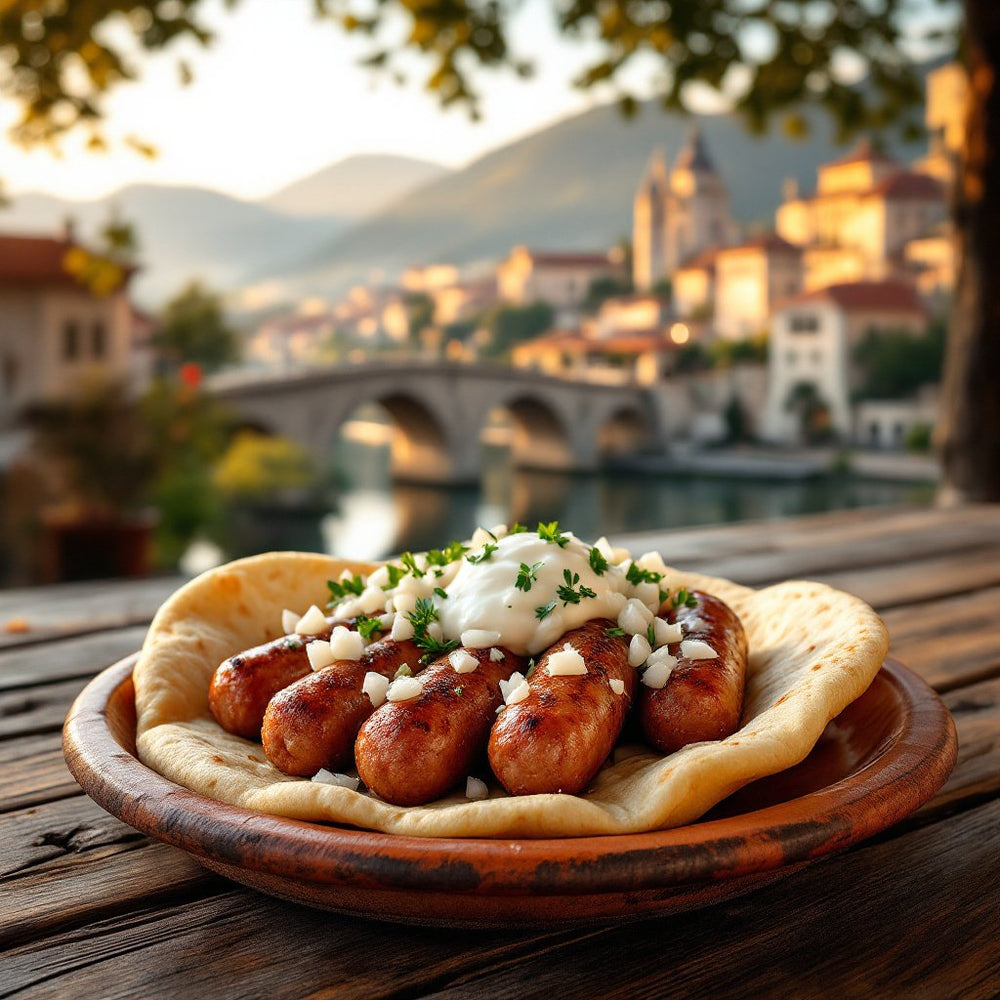
Grilled ćevapi rest on warm lepinja flatbread, their charred casings releasing aromatic smoke from the wood fire. Each small sausage of hand-mixed beef and lamb gets topped with diced raw onions, kajmak cream, and fresh herbs—a centuries-old Balkan tradition perfected in Mostar's riverside kitchens where generations have shaped this meat by hand.
Credits: The Painted Passport
Local cuisine study in Mostar, Bosnia and Herzegovina

☕︎ Local Flavor

Hindin Han

Rating: 4.5* | Price: $$ | Coordinates: 43.3374 N, 17.8154 E

Tucked into a restored Ottoman han with stone walls and arched doorways, this restaurant serves traditional Bosnian cuisine that honors generations-old recipes. The ćevapi arrives sizzling with perfectly charred edges, accompanied by warm somun bread and ajvar that balances sweet peppers with just enough heat. Dining on the riverside terrace as the Stari Most glows in evening light creates a moment suspended between centuries, with the sound of rushing water below.

View Entry Details

Šadrvan

Rating: 4.5* | Price: $$ | Coordinates: 43.3370 N, 17.8150 E

Named after the traditional fountain in its courtyard, this restaurant occupies a 300-year-old house where wooden balconies overlook the Neretva's turquoise waters. The klepe (Bosnian dumplings) are hand-folded daily, served in a yogurt sauce that's both tangy and comforting, while the lamb slow-cooked under sač emerges fork-tender and fragrant with rosemary. The staff knows every dish's history and takes pride in explaining how recipes passed through their families unchanged.

View Entry Details

Tima-Irma

Rating: 4* | Price: $ | Coordinates: 43.3382 N, 17.8145 E

This no-frills local favorite proves that authenticity needs no decoration, serving robust portions of Bosnian comfort food at prices that haven't changed with tourism. The pita zeljanica (spinach pie) arrives warm from the oven, its phyllo layers impossibly thin and crispy, while the stuffed peppers simmer in a tomato sauce enriched with the day's cooking. Locals crowd the simple tables at lunch, the best endorsement any traveler could ask for.

View Entry Details

Urban Grill

Rating: 4.5* | Price: $$ | Coordinates: 43.3415 N, 17.8088 E

Modern Bosnian cuisine finds its voice here, where traditional grilling techniques meet contemporary plating and a carefully curated wine list featuring regional vintages. The mixed grill platter showcases various meats each treated with respect—the veal pljeskavica seasoned simply to let quality speak, the chicken marinated in garlic and herbs. Floor-to-ceiling windows frame views of everyday Mostar life, a reminder that this city's identity extends far beyond its famous bridge.

View Entry Details

🛌︎ Boutique Stays

Hotel Mepas

Rating: 4.5* | Price: $$ | Coordinates: 43.3438 N, 17.8078 E

This contemporary hotel sits along the Neretva River with views that stretch toward the mountains framing Mostar. The rooms blend modern comfort with subtle nods to Bosnian design, and the breakfast spreads include local cheeses and pastries that reflect the region's Ottoman and Austro-Hungarian heritage. The staff's genuine warmth transforms a standard stay into something memorable, offering insider tips on hidden viewpoints and family-run eateries.

View Entry Details

Muslibegović House

Rating: 5* | Price: $$$ | Coordinates: 43.3438 N, 17.8078 E

Built in 1871, this Ottoman-era mansion turned boutique hotel preserves the elegance of a bygone merchant family's home with hand-carved wooden ceilings and antique furnishings. Each room tells a story through period details, from copper coffee sets to traditional textiles, while maintaining luxurious modern amenities. The courtyard garden, fragrant with jasmine, offers a serene escape where you can sip Bosnian coffee prepared the traditional way over hot sand.

View Entry Details

Shangri La Mansion

Rating: 4.5* | Price: $$ | Coordinates: 43.3378 N, 17.8150 E

Perched on a hillside in the old town, this restored stone house offers panoramic views of Mostar's terracotta rooftops and the iconic Stari Most bridge. The rooms maintain original architectural features like exposed stone walls while providing comfortable beds and spotless facilities. Breakfast on the terrace becomes a daily ritual, with homemade jams and fresh bread accompanied by the sound of the call to prayer echoing across the valley.

View Entry Details

Villa Anri

Rating: 4* | Price: $ | Coordinates: 43.3425 N, 17.8065 E

This family-run guesthouse near the old town exemplifies Bosnian hospitality, where the hosts treat guests like extended family. Rooms are simple but immaculate, with air conditioning and comfortable beds that guarantee restful sleep after days exploring cobblestone streets. The real treasure is the shared garden terrace where guests gather for evening rakija, sharing travel stories under a canopy of grapevines heavy with fruit.

View Entry Details

📍︎ Field Study

Stari Most (Old Bridge)

Rating: 5* | Price: Free | Coordinates: 43.3373 N, 17.8153 E

This 16th-century Ottoman bridge, destroyed in 1993 and rebuilt stone by stone using original techniques, stands as a testament to resilience and reconciliation. The single limestone arch curves gracefully over the Neretva's emerald waters, its surface polished smooth by centuries of footsteps. Visit at dawn before the crowds arrive, when mist rises from the river and you can hear only the water's rush and the echo of your own steps on stone that carries the weight of history.

View Entry Details

Blagaj Tekke

Rating: 5* | Price: $$ | Coordinates: 43.2575 N, 17.8897 E

This 16th-century dervish monastery clings to a cliff face where the Buna River emerges impossibly blue from a cave mouth beneath towering karst cliffs. The wooden structure seems to grow organically from the rock, its prayer rooms simple and contemplative with carpets worn soft by generations of worship. The adjacent restaurant serves fresh trout caught from the spring-fed waters, and the sound of rushing water creates a natural meditation that has drawn seekers here for 600 years.

View Entry Details

Koski Mehmed Pasha Mosque

Rating: 4.5* | Price: $ | Coordinates: 43.3371 N, 17.8157 E

Built in 1618, this mosque's elegant minaret offers the most spectacular panorama of Mostar for those willing to climb the narrow spiral stairs. The courtyard features a beautiful marble fountain where worshippers perform ablutions, and the interior reveals delicate floral frescoes and calligraphy that survived both time and conflict. From the top, the entire old town spreads below like a map of living history, with the Stari Most arching across the Neretva in perfect symmetry.

View Entry Details

Museum of War and Genocide Victims

Rating: 4.5* | Price: $ | Coordinates: 43.3425 N, 17.8110 E

This small but powerful museum documents the 1992-1995 siege with photographs, personal artifacts, and testimonies that refuse to let tragedy fade into abstraction. The exhibits maintain dignity while confronting difficult truths, helping visitors understand the context behind the rebuilt bridge and bullet-scarred buildings still visible throughout the city. It's essential for comprehending modern Mostar, where reconstruction continues not just in architecture but in the daily work of communities learning to live together again.

View Entry Details

Typography

Archival Note: A formal technical study of Mostar, Bosnia and Herzegovina—archiving the coordinates, elevation, and environmental data that define the region. This data serves as a vital record for our ongoing global field study, allowing us to reconstruct the regional atmosphere with archival precision before our physical arrival.

Botanical and pigment specimen study for Mostar, Bosnia and Herzegovina Colors of Mostar, Bosnia and Herzegovina
Coordinates
43.3438° N, 17.8078° E — Neretva River Valley, Herzegovina
Historical Epoch
Ottoman engineers built the iconic bridge in 1566, defining Mostar for centuries until war destroyed it in 1993. The bridge was painstakingly rebuilt stone by stone and reopened in 2004, a symbol of reconciliation as profound as its arch.
Elevation
60-200 m / 197-656 ft - Neretva riverbanks to the hillside settlements
Atmosphere
Csa - Hot-summer Mediterranean. Summers bake the stone until you seek the shade of a mosque courtyard, but spring and autumn arrive with perfect warmth and the river running high and cold from mountain snowmelt.
Observation Hour
17:30 - The late afternoon sun turns Stari Most into glowing limestone and sets the Neretva ablaze with reflected gold. The whole old town softens into amber, and every minaret casts a long shadow across terracotta roofs.
Primary Pigment
Neretva Emerald (#50C878) and Limestone Honey (#E6C89C)
Best Time to Visit
May or September bring warm days and cool evenings, the river runs high and emerald, and the crowds thin out enough to linger on the bridge without being jostled.
Avoid Visiting
August sees brutal heat that bakes the stone streets and massive tour bus arrivals from coastal Croatia that turn the old town into a shoulder-to-shoulder shuffle by midday.

The Local Tongue

Language is the invisible architecture of Mostar, Bosnia and Herzegovina. These entries document the regional vocabulary—capturing the "texture" of local speech that standard translations often miss. Hand-curated expressions reflecting the specific spirit and daily rhythm of the region.
Archival study of Bosnian cultural texture

via / Mana5280

Primary Language Bosnian
Regional Dialect Herzegovina Bosnian

Sevdah

Sevdah is a deeply emotional musical tradition, a soulful Balkan blues born from longing and love. Hearing it sung live in a kafana near the old bridge feels like the city itself exhaling - raw, melancholic, and utterly human, often accompanied by the clink of coffee cups and a room gone quiet with shared feeling.

Komšiluk

Komšiluk describes the practice of neighborly solidarity - looking after those who live nearby with generosity and care. In Mostar, where homes share walls and courtyards, it still means borrowing sugar, sharing homemade baklava, and checking in when someone hasn't been seen for a day or two.

Čaršija

Čaršija refers to the old market quarter, a maze of artisan workshops and copper-smiths hammering out coffee sets. Walking through Mostar's čaršija means dodging hanging lanterns, stepping over uneven stones, and catching the scent of grilled ćevapi drifting from open doorways where grandmothers still roll their own pastry.

Wait! before you go...

Before you head over to Mostar, Bosnia and Herzegovina, we’ve audited the essential data points for this corner of the world. These notes cover the logistics—from currency ratios to transit hubs—to help you navigate the landscape with clarity.
🚲 Getting Around Mostar is compact enough to walk everywhere in the old town, though taxis are cheap for reaching hotels on the outskirts. Buses connect to Sarajevo, Dubrovnik, and Split, and renting a car opens up day trips to Blagaj, Počitelj, and the Kravica waterfalls without relying on tour schedules.
⚖️ Cash or Card 70% cash, 30% card. Most restaurants and hotels accept cards, but the artisan shops in the čaršija, street-side burek vendors, and smaller guesthouses still prefer convertible marks in hand, and ATMs are plentiful enough that running out is rarely an issue.
☁️ Good to Know Arrive at Stari Most before 9am or after 5pm to experience it without the day-trip crowds from the coast. The bridge divers usually jump around midday when tour groups gather, but the real magic is walking across it alone in the soft morning light when the stones are still cool underfoot.
🏧 ATMs UniCredit Bank and Raiffeisen have reliable ATMs throughout the city center and near Stari Most. Withdraw larger amounts to minimize fees, as some machines charge 5 KM per transaction, and avoid standalone ATMs in tourist zones that offer unfavorable exchange rate conversions.
💳 Currency The convertible mark (KM or BAM) is pegged to the euro at roughly 2:1, making mental math easy. A hearty plate of ćevapi costs 8-12 KM, a good hotel room runs 80-150 KM, and a strong Bosnian coffee in the old town is 2-3 KM, so the city remains wonderfully affordable by European standards.
🔌 Plugs Type C and F plugs, 230V. The same round two-pin sockets used across most of Europe, so a standard continental adapter works perfectly.
🛡️ Safety Mostar is very safe for travelers, though some buildings still bear bullet holes and it's important to stay on marked paths outside the city due to unexploded mines in rural areas. The warmth and helpfulness of locals far outweigh any lingering unease, and the city feels genuinely welcoming.
✈️ Airports Mostar International (OMO) is 10 km south and connected by taxi for around 15-20 KM, though most travelers fly into Sarajevo (SJJ, 130 km north) or Dubrovnik (DBV, 140 km west) and take a bus. The scenic route from Dubrovnik along the Neretva canyon takes about 2.5 hours and costs roughly 20 euros.

Behind The Scenes

Nathan

Note from the Founder

Hey, did you know this fun fact about Mostar, Bosnia and Herzegovina? The tradition of diving from Stari Most dates back over 450 years, and young men still leap 24 meters into the icy Neretva to prove their courage. Every July, an international diving competition draws athletes from around the world to the same stone ledge.
Thank you for exploring the Mostar, Bosnia and Herzegovina series with us. We hope these notes have inspired you to add this incredible destination to your own passport—we are so glad you're here. — Nathan

Some of our Favorites