Shop the Collection

To help you bring a piece of your journey home, we've put together this collection of watercolor studies from our time in Miyajima Island, Japan. These are our favorite ways to keep the spirit of the trip alive.

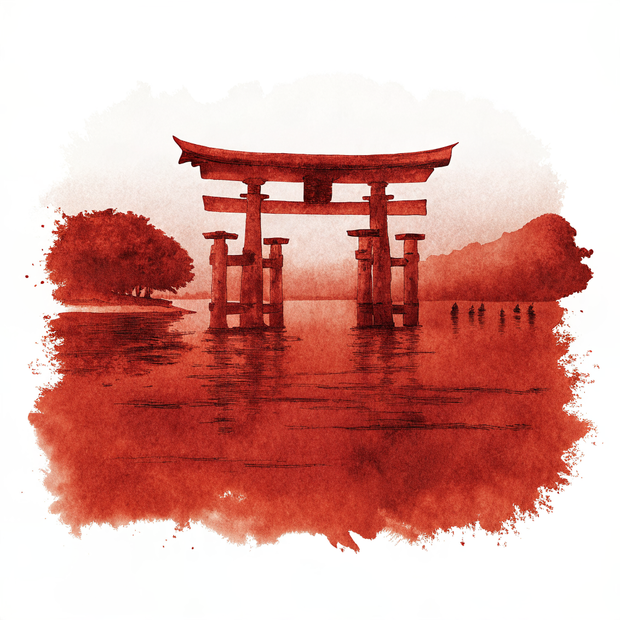
Original Series Decorative Magnet

A personal study of Miyajima Island, Japan, captured in high-fidelity watercolor and prepared for your collection.

Miyajima Island, Japan | Floating Torii Gate | Original Series Decorative Magnet
Add to Collection / $18
Exclusive Series Artifact

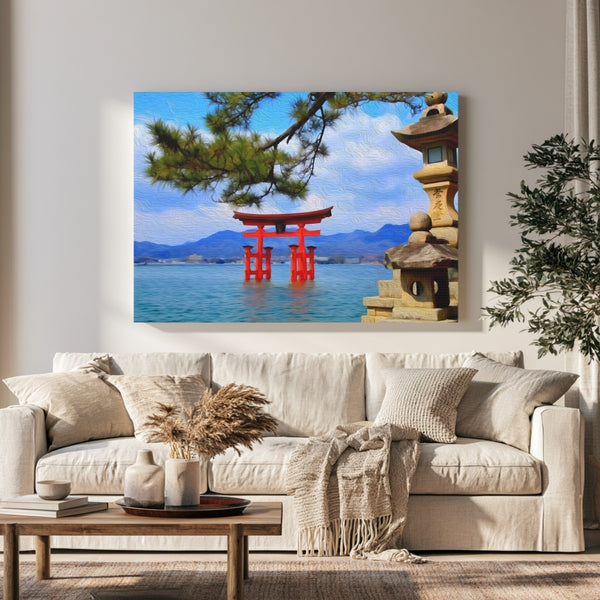
Original Series Gallery Canvas

This high-fidelity canvas is a beautiful way to anchor a room and keep your memories of Miyajima Island, Japan fresh long after you've returned home.

Miyajima Island, Japan | Floating Torii Gate | Original Series Gallery Canvas detail Miyajima Island, Japan | Floating Torii Gate | Original Series Gallery Canvas detail Miyajima Island, Japan | Floating Torii Gate | Original Series Gallery Canvas detail Miyajima Island, Japan | Floating Torii Gate | Original Series Gallery Canvas detail
Add to Collection / $65

Original Series Hardboard Coaster

A personal study of Miyajima Island, Japan, captured in high-fidelity watercolor and prepared for your collection.

Miyajima Island, Japan | Floating Torii Gate | Original Series Hardboard Coaster
Add to Collection / $18
Exclusive Series Artifact

The Spirit of the Land

Archival Note: Documented personally during our time in Miyajima Island, Japan. While we leverage a global network of contributors to provide these high-fidelity visual artifacts, each selection is curated to reflect the specific, quiet frequencies we experienced on the ground. These textures serve as a formal study of the unhurried light and environmental character that defined our journey.

Miyajima Island, Japan study No. 01
Miyajima Island, Japan / 01 VIA / Niccolò Chiamori
The Great Torii gate glows warmly against the cool gray sky, its vermillion pillars reflecting in the still water below. Mountains frame the scene in soft, misty layers, while the overcast light reveals the weathered patina on the gate's lower sections, grounding this sacred landmark in time. This quiet moment captures the serene beauty that makes Miyajima a place of pilgrimage and wonder.
Miyajima Island, Japan study No. 02
Miyajima Island, Japan / 02 VIA / 徐劲豪
Dappled sunlight filters through the canopy, illuminating the delicate maple leaves in brilliant shades of crimson and amber. The interplay of light and translucent foliage creates a warm, serene atmosphere that feels intimate despite the natural abundance surrounding the viewer. Standing beneath these branches, one would experience the gentle Japanese autumn in full display, with the soft glow of leaves providing both visual splendor and a sense of peaceful contemplation.
Miyajima Island, Japan study No. 03
Miyajima Island, Japan / 03 VIA / Liger Pham
This tranquil woodland scene captures the essence of autumn in Japan, where nature's color palette shifts dramatically from green to warm oranges and golds. The photographer has skillfully used the interplay of light and shadow to create depth, with sunbeams piercing through the canopy to illuminate the moss-covered forest floor. What often goes unnoticed is the delicate carpet of green moss clinging to the ground and tree bases, a testament to the region's humid climate and the forest's thriving ecosystem beneath the more dramatic seasonal display above.

Where to wander

Archival Note: A curated field study of Miyajima Island, Japan, prioritizing cultural relevance and archival merit. These locations have been meticulously researched and vetted to ensure they represent the most authentic atmosphere for your own expedition.

Local Cuisine Spotlight
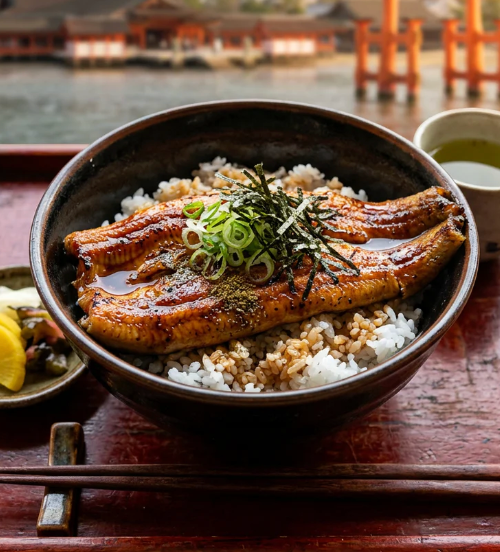
This iconic unagi don showcases perfectly grilled freshwater eel with a mahogany glaze that caramelizes into layers of sweet and savory richness. The tender meat yields effortlessly, releasing umami depths enhanced by traditional tare sauce and toasted nori, while fluffy rice absorbs the precious glaze below. Miyajima's legendary preparation transforms humble ingredients into a sensory experience.
Credits: THE PAINTED PASSPORT
Local cuisine study in Miyajima Island, Japan

☕︎ Local Flavor

Saras Restaurant

Rating: 5* | Price: $$$ | Coordinates: 34.2955° N, 132.3196° E

Saras serves exquisite Japanese cuisine with a focus on Hiroshima-style oysters, which arrive plump, fresh, and perfectly grilled with a fragrant soy and butter glaze. The dining room overlooks a tranquil garden, creating an atmosphere that feels both celebratory and serene. Every dish is thoughtfully composed and presented with the kind of artistry that makes a meal feel like a memorable occasion.

View Entry Details

Kakiya Oyster Restaurant

Rating: 5* | Price: $$ | Coordinates: 34.2962° N, 132.3183° E

Kakiya is one of the most celebrated spots on the island for Hiroshima oysters, which are among the finest and most famous shellfish in all of Japan. The menu is refreshingly focused, allowing each preparation to shine whether steamed, grilled, fried, or served raw on the half shell. Sitting near the waterfront here with a plate of oysters and a cold local beer is one of Miyajima's true simple pleasures.

View Entry Details

Momijido Confectionery Shop

Rating: 4* | Price: $ | Coordinates: 34.2949° N, 132.3199° E

This beloved shop is the place to try momiji manju, the iconic maple leaf-shaped cakes filled with sweet red bean paste that are synonymous with Miyajima. They are best eaten warm, straight from the bakery, as you stroll along the main shopping street toward the shrine. The shop also offers creative modern fillings like matcha, custard, and chocolate for those who enjoy a playful twist on tradition.

View Entry Details

Fujitaya Restaurant

Rating: 4* | Price: $$ | Coordinates: 34.2951° N, 132.3188° E

Fujitaya is a warm and welcoming family restaurant that has been serving hearty anago donburi, a local specialty of conger eel over rice, for generations. The eel is slow-roasted until tender and lacquered with a rich savory-sweet sauce that has been perfected over decades of practice. It is a soul-satisfying meal that connects you to the culinary traditions of this remarkable island.

View Entry Details

🛌︎ Boutique Stays

Iwaso Ryokan

Rating: 5* | Price: $$$$ | Coordinates: 34.2953° N, 132.3197° E

Iwaso is Miyajima's oldest and most beloved ryokan, nestled among maple trees along a quiet stream. Guests sleep on traditional futons in elegant tatami rooms and wake to the sound of birdsong and flowing water. The inn's kaiseki dinners showcase the finest local seafood and seasonal mountain vegetables in a deeply nourishing way.

View Entry Details

Miyajima Grand Hotel Arimoto

Rating: 4* | Price: $$$ | Coordinates: 34.2961° N, 132.3189° E

This gracious waterfront hotel offers stunning views of the Itsukushima Shrine and the famous floating torii gate from many of its well-appointed rooms. Traditional Japanese hospitality is woven into every detail, from the welcome tea ceremony to the elaborate morning breakfast spread. It is a wonderful choice for travelers who want comfort and culture in equal measure.

View Entry Details

Guest House Kikugawa

Rating: 4* | Price: $$ | Coordinates: 34.2958° N, 132.3201° E

Kikugawa is a charming and intimate guesthouse tucked into the quieter backstreets of Miyajima, offering a peaceful retreat after a day of exploring. The owners are warm and attentive, always ready with local tips and a friendly smile over morning tea. Rooms are simple yet beautifully kept, blending traditional wooden furnishings with a cozy homey atmosphere.

View Entry Details

Hiroshima Nishino Inn Miyajima

Rating: 3* | Price: $ | Coordinates: 34.2947° N, 132.3194° E

This budget-friendly inn is a fantastic option for travelers who want to experience the island's magic without overspending on accommodation. Clean, comfortable rooms with traditional touches make it feel far more special than its modest price suggests. Staying overnight here means you get to enjoy the island after the day-trip crowds have left, which is truly a rare gift.

View Entry Details

📍︎ Field Study

Itsukushima Shrine

Rating: 5* | Price: $ | Coordinates: 34.2960° N, 132.3194° E

Itsukushima Shrine is one of Japan's most iconic UNESCO World Heritage Sites, with its brilliant vermilion corridors seeming to float above the sea at high tide. Wandering its elevated wooden walkways with the gentle sound of waves below and mountains behind is a deeply moving and almost otherworldly experience. Visiting both at high tide and low tide reveals two entirely different and equally breathtaking faces of this sacred place.

View Entry Details

Mount Misen

Rating: 5* | Price: $ | Coordinates: 34.2784° N, 132.3219° E

A hike or ropeway ride to the summit of Mount Misen rewards visitors with panoramic views across the Seto Inland Sea that stretch all the way to Hiroshima on clear days. Ancient cedar forests line the trails and several small shrines and sacred rocks dot the path, giving the mountain a deeply spiritual atmosphere. At the summit, a sacred flame said to have burned continuously for over 1,200 years still flickers inside a stone lantern house.

View Entry Details

Daisho-in Temple

Rating: 5* | Price: Free | Coordinates: 34.2892° N, 132.3188° E

Daisho-in is a magnificent Buddhist temple complex at the foot of Mount Misen, filled with an extraordinary collection of statues, prayer wheels, stone lanterns, and sacred relics from across the Buddhist world. The approach up the stone staircase is lined with hundreds of small stone Jizo figures wearing hand-knitted hats, each one placed there as an offering of devotion and prayer. It is quieter and less visited than the famous shrine, making it a genuine hidden treasure of the island.

View Entry Details

Otorii Floating Torii Gate

Rating: 5* | Price: Free | Coordinates: 34.2964° N, 132.3198° E

The great orange torii gate standing in the shallow waters just offshore from Itsukushima Shrine is arguably the most photographed sight in all of Japan and it earns every bit of that attention. At high tide it appears to float serenely on the surface of the sea, reflecting brilliantly in the calm water below, while at low tide visitors can walk right up to its enormous ancient pillars. Watching the sun set behind the gate while the sky turns shades of pink and gold is a moment that stays with you long after you leave the island.

View Entry Details

Typography

Archival Note: We have personally documented these geographic specs for Miyajima Island, Japan to ensure every watercolor study is anchored in real-world data. By cataloging the precise elevation, light cycles, and historical epochs, we provide a technical foundation that justifies the atmospheric stillness captured in our visual artifacts.

Botanical and pigment specimen study for Miyajima Island, Japan Colors of Miyajima Island, Japan
Coordinates
34.2960° N, 132.3194° E — Itsukushima Shrine, Miyajima Island, Hiroshima Prefecture, Japan
Historical Epoch
Itsukushima Shrine was established in the 6th century and reached its iconic form under the nobleman Taira no Kiyomori in 1168. It has stood as a UNESCO World Heritage Site since 1996.
Elevation
0-535 m / 0-1,755 ft. Sea-level tidal flats rising to the summit of Mount Misen through dense cedar and maple forest.
Atmosphere
Cfa, Humid Subtropical. Mild winters and warm, occasionally humid summers with pleasant spring and spectacular autumn foliage seasons.
Observation Hour
06:30. The early morning hour brings mist off Hiroshima Bay and a warm amber glow across the torii gate, with deer still drowsy on empty shrine paths. Max 220 chars.
Primary Pigment
Vermilion Gate (#CC4422) and Seto Sea Grey (#8FA8B2)
Best Time to Visit
October through November. Autumn foliage transforms the island in amber and red, crowds are manageable, and the light is extraordinary across the shrine and bay.
Avoid Visiting
July through August. Summer brings intense humidity, heavy crowds, and the peak of typhoon season, making conditions uncomfortable for extended outdoor exploration.

The Local Tongue

Language is the invisible architecture of Miyajima Island, Japan. These entries document the regional vocabulary—capturing the "texture" of local speech that standard translations often miss. Hand-curated expressions reflecting the specific spirit and daily rhythm of the region.
Archival study of Japanese cultural texture

via / Zonghao Feng

Primary Language Japanese
Regional Dialect Hiroshima-ben (Chugoku dialect)

Shimaguni (島国)

Shimaguni translates roughly as 'island nation' and carries a deep sense of identity shaped by water and isolation. On Miyajima, where visitors arrive only by ferry and the last boat sets a quiet deadline on the day, the feeling of being enclosed and protected by sea is something locals understand in their bones.

Ma (間)

Ma refers to the meaningful pause or empty space between things, a concept central to Japanese aesthetics and architecture. Standing inside Itsukushima Shrine as the tide rises beneath the floorboards, the silence between each wave becomes its own kind of language, and the shrine's open corridors frame that emptiness deliberately and beautifully.

Mono no aware (物の哀れ)

Mono no aware describes a gentle, bittersweet awareness of impermanence, often stirred by beauty that will not last. On Miyajima in autumn, when maple leaves drift into the bay and the torii gate casts its last copper reflection before the light fails, visitors often feel something wordless settle in their chest, and that feeling has a name.

Wait! before you go...

Before you head over to Miyajima Island, Japan, we wanted to share a few basic tips we picked up along the way. These notes cover the simple things—like how to get around or what to do about cash—so you can spend less time worrying and more time just enjoying the place.
🚲 Getting Around Visitors reach Miyajima by ferry from Miyajimaguchi, served by JR ferries and the Matsudai Kisen line. The crossing takes roughly ten minutes and the JR ferry is covered by the Japan Rail Pass, making it an easy day trip or overnight from Hiroshima.
⚖️ Cash or Card Miyajima leans heavily cash-based, particularly at smaller food stalls, confectionery shops, and traditional craft vendors along the shopping street. Larger ryokans and hotels accept cards, but travelers should carry yen for street food, entrance fees, and local market purchases.
☁️ Good to Know Deer on Miyajima are considered sacred messengers and roam freely throughout the island, but feeding them is discouraged and signs ask visitors to keep food out of reach. They are surprisingly bold and will investigate bags, maps, and even tickets with considerable confidence.
🏧 ATMs ATMs on Miyajima island itself are limited, so travelers should withdraw yen before boarding the ferry from Miyajimaguchi or in Hiroshima city. Japan Post and 7-Eleven ATMs in Hiroshima reliably accept foreign cards with English-language menus.
💳 Currency Japan uses the Japanese Yen (JPY), and it remains the only accepted currency throughout Miyajima. Coins are used frequently for smaller purchases, shrine entrance fees, and vending machines, so keeping a small supply of change on hand is genuinely useful.
🔌 Plugs Japan uses Type A outlets at 100V, 50/60Hz. Most devices from North America work without a converter, though a voltage adapter may be needed for some European appliances.
🛡️ Safety Miyajima is an exceptionally safe destination with very low crime and a well-marked trail and ferry system. Hikers heading to Mount Misen should carry water and check weather conditions, as the forested upper slopes can become slippery and misty with little warning.
✈️ Airports Hiroshima Airport (HIJ) is the closest international gateway, located approximately 50 kilometers from Miyajimaguchi ferry terminal. Osaka Itami (ITM) and Osaka Kansai (KIX) also serve as practical entry points, with Shinkansen connections to Hiroshima taking roughly 45 to 85 minutes.

Behind The Scenes

Nathan

Note from the Founder

Hey, did you know this fun fact about Miyajima Island, Japan? Miyajima Island covers just 30 square kilometers and has a permanent population of around 1,400 residents. It has been listed among Japan's three views of beauty, the Nihon Sankei, since the 17th century.
Thank you for exploring the Miyajima Island, Japan series with us. We hope these notes have inspired you to add this incredible destination to your own passport—we are so glad you're here. — Nathan

Some of our Favorites