Mauritius, Mauritius | Where the Indian Ocean Keeps Its Most Colorful Secrets
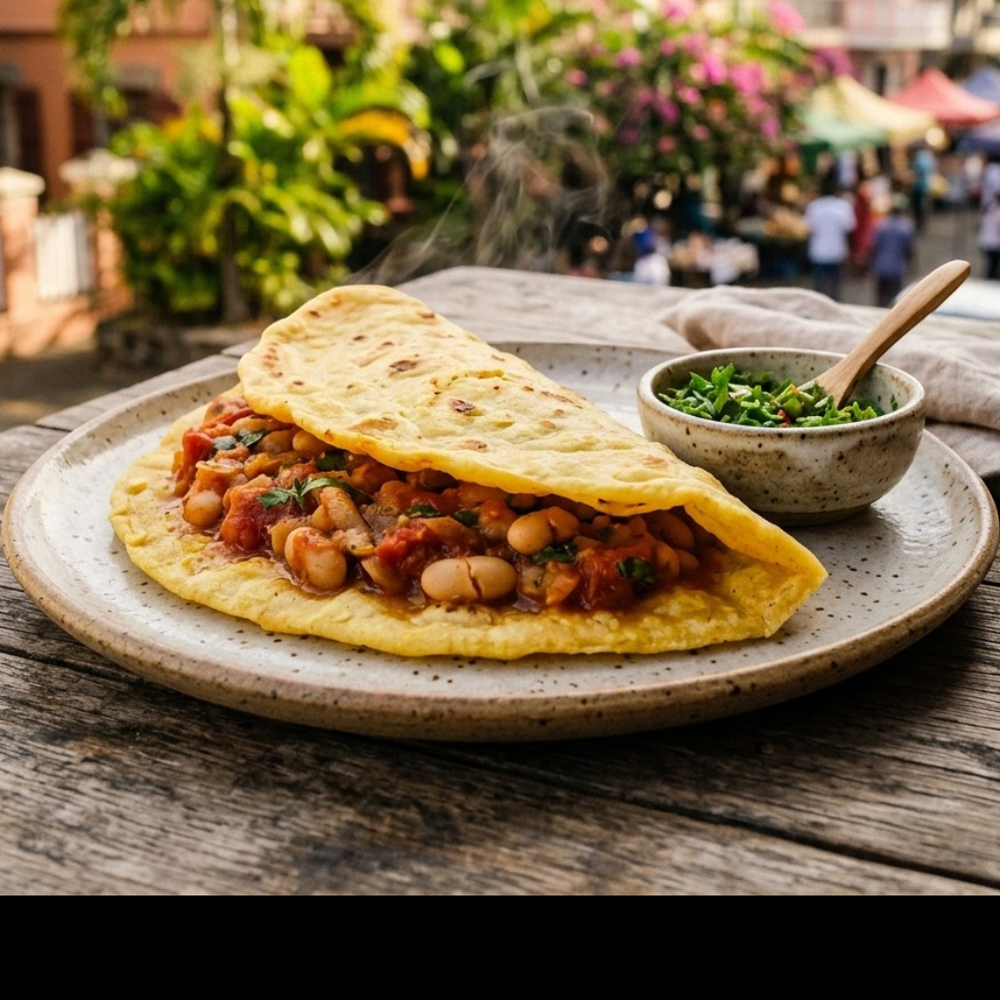
Mauritius is one of those places that feels almost invented, as though the ocean decided to try its hand at perfection and produced a volcanic island draped in sugarcane, coral, and the kind of warmth that has nothing to do with temperature. Settled by the Dutch, shaped by the French, and built by the British, it carries four centuries of layered culture in its food, its festivals, and the creole language that ties everything together. The central plateau rises into misty green highlands while the coasts fan out in every shade of turquoise imaginable, from shallow lagoon glass to the deep ink of open water. There is a generosity to this island that shows in every direction you look, from the flame trees lining back roads to the smell of street-side dholl puri wrapped in yesterday's newspaper.
Painting Mauritius means working with a palette that refuses to stay quiet. The lagoon water demands cerulean and aquamarine laid wet on wet, while the volcanic soil of the Seven Coloured Earths at Chamarel pulls you toward burnt sienna, raw umber, and a dusty violet that seems impossible until you are standing in front of it. The skies here shift fast, from a bleached midday white to bruised indigo before a tropical shower, and the sugarcane fields glow a warm cadmium gold in the late afternoon light that watercolorists spend careers chasing.